Tesla Cybercab: Uber and Lyft May Need a New Ride
By Robert R Guio
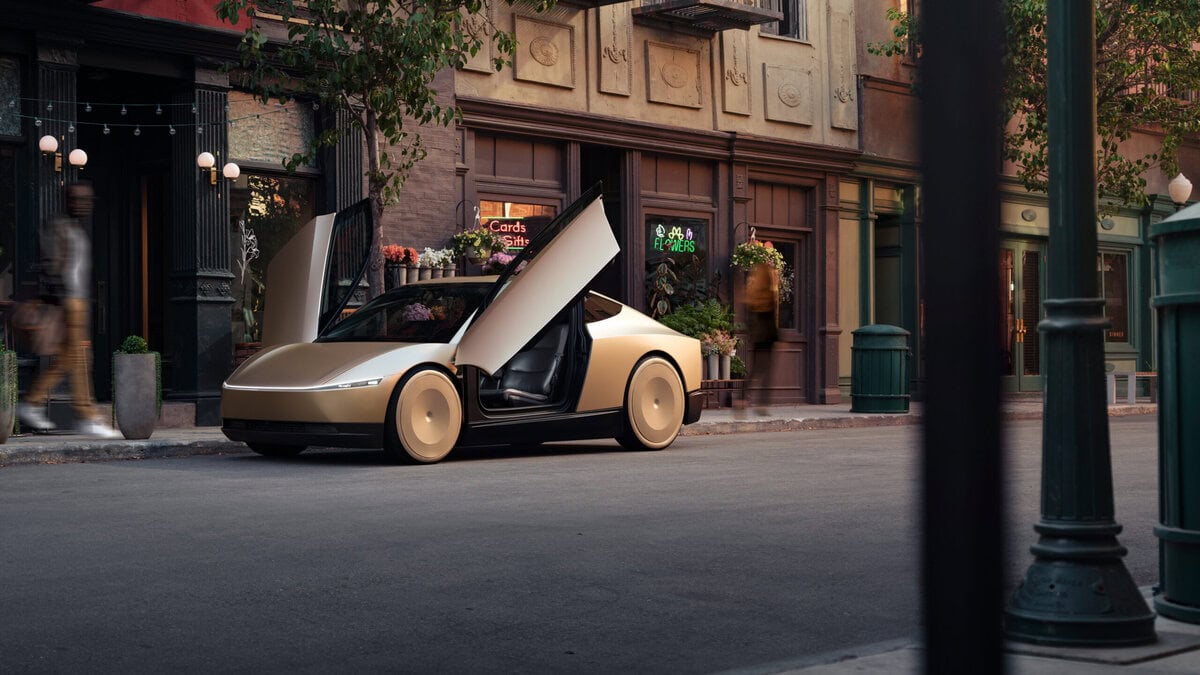
Tesla Cybercab production is underway, but its real target may be the ride-share middleman as Uber and Lyft build autonomous defenses.
Why the Tesla Cybercab is a vertical-integration bet
The most important thing about Tesla’s Cybercab is not that it lacks a steering wheel. It is that Tesla is trying to remove a middleman.
For most of the ride-share era, the basic structure has been easy to understand. Uber and Lyft own the customer relationship and the software marketplace. Independent drivers supply most of the cars and labor. The app brings the two sides together, takes a share of the transaction and makes the complicated logistics look simple to the person standing at the curb.
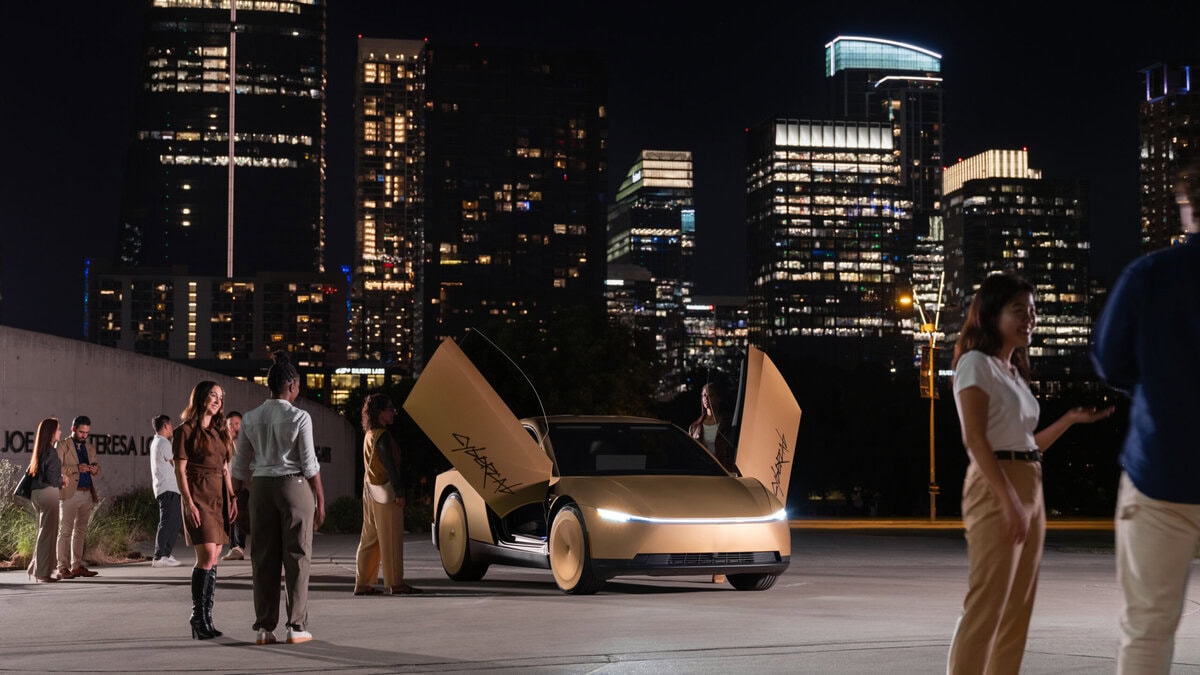
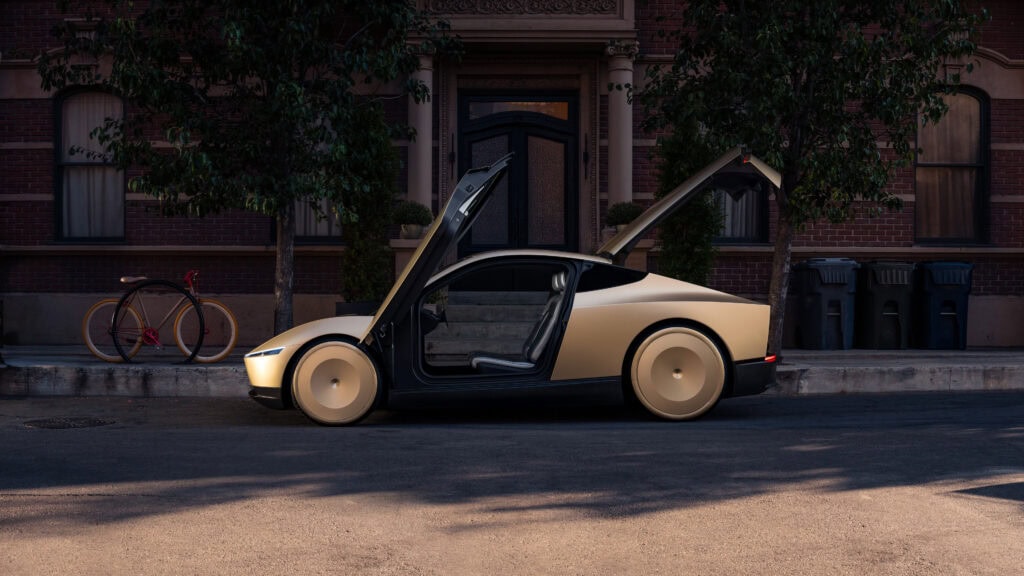
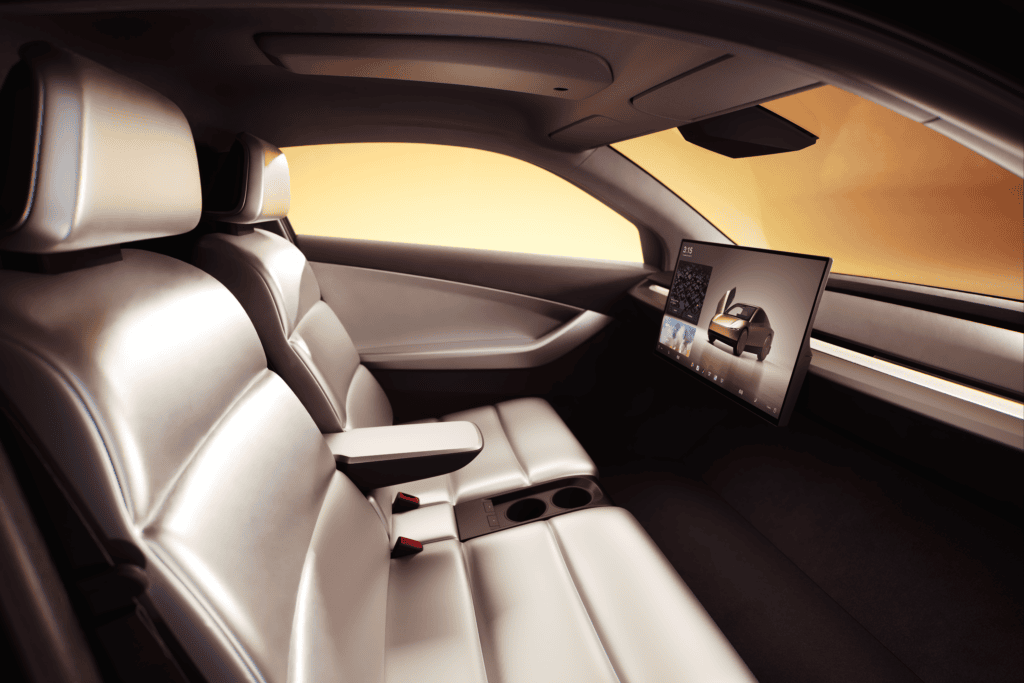
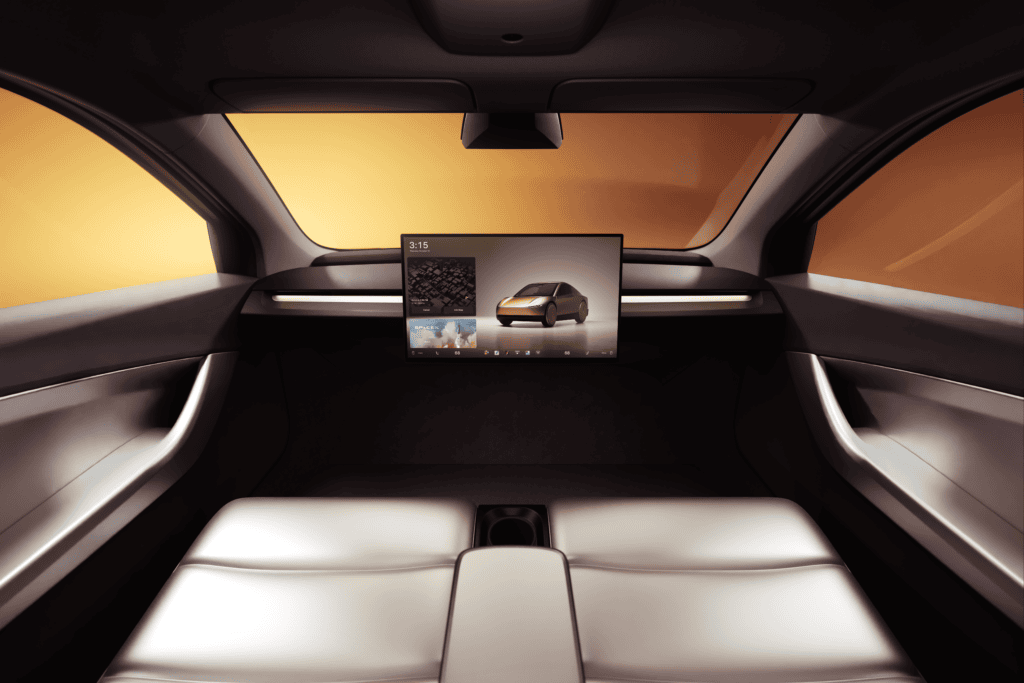
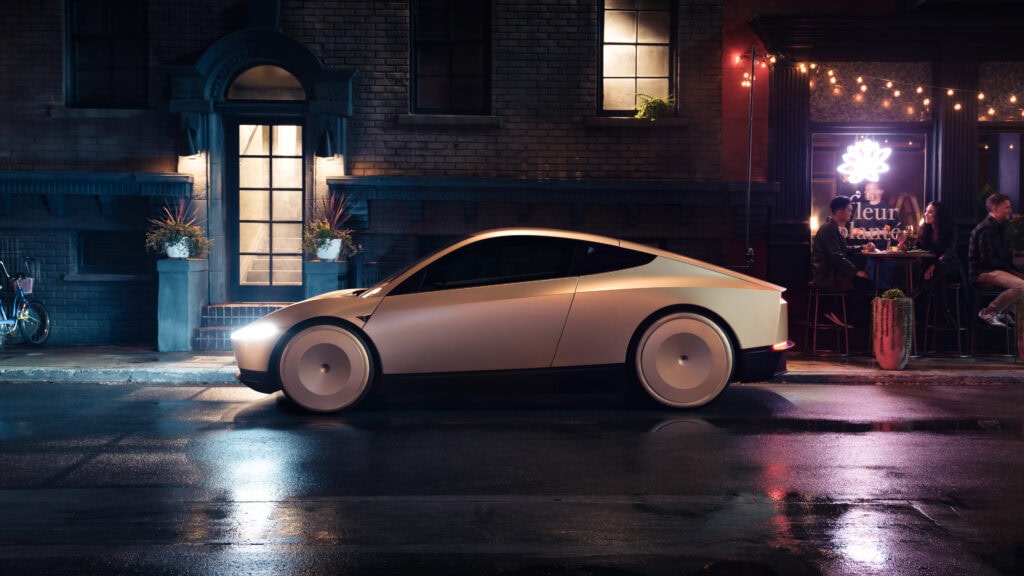
Tesla is building toward a different arrangement. Cybercab is a purpose-built two-seat electric vehicle designed for autonomous operation, and Tesla also has its own Robotaxi app, manufacturing plants, charging ecosystem, service network and automated-driving software. If those pieces work together at commercial scale, Tesla does not need to hand the customer to Uber or Lyft. It can potentially collect the ride request, dispatch its own vehicle and keep control of the transportation experience from factory to fare.
Cybercab itself was unveiled roughly two years ago, so September 3 should not be described as the model’s first-ever reveal. That is why the Cybercab Launch Event in Austin deserves more attention as a business story than as another shiny-car reveal. Tesla says in its second-quarter 2026 update that Cybercab production has started, production examples have begun engineering drives on public roads, while employee Cybercab rides started on Tesla’s Texas factory campus during July. Those are meaningful milestones. Tesla itself described them as precursors to deployment, which is also a reminder that production is not the same thing as an open commercial service.
There is another distinction worth keeping nailed to the dashboard. Tesla’s current Robotaxi page says autonomous rides are being offered in Miami, Orlando, Tampa, Austin, Dallas and Houston, starting with Model Y. The same page says Cybercab will offer rides in the future. So, as of September 2, Tesla has a live robotaxi business and a Cybercab entering production, but those two facts should not be collapsed into the claim that the purpose-built Cybercab is already carrying ordinary customers in every Tesla Robotaxi city.
You may also enjoy: Tesla Cybercab Launch: Can You Actually Ride One?
The city map tells a more complicated story
Austin and Atlanta are useful places to understand the autonomous ride-share fight, but they are useful for different reasons.
Austin is Tesla territory in the most literal sense. The Cybercab event is at Tesla’s headquarters on 1 Tesla Road, and Tesla’s Robotaxi service is active in the city. Texas also shows Tesla Robotaxi, LLC holding state authorization to operate automated vehicles. The state’s public operator record currently shows 2026 Model Ys among the registered vehicles. That public record may be updated as fleet vehicles change, but it supports the point that the service people can request today and the Cybercab being launched are not yet interchangeable terms.
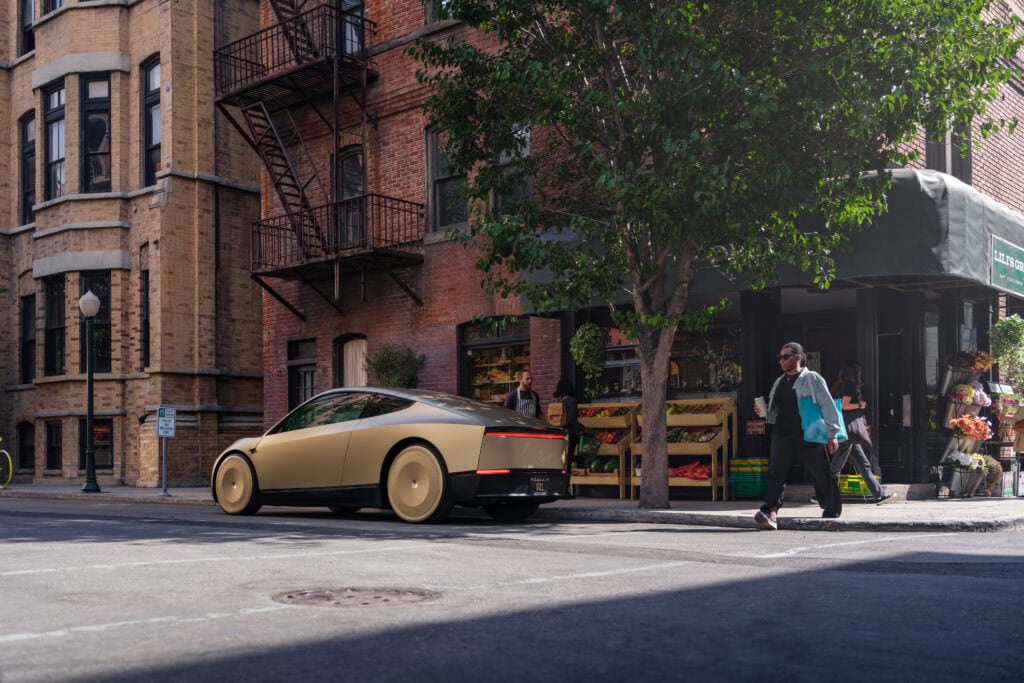
Austin is also where Tesla runs directly into the platform model. Waymo offers fully autonomous rides through Uber in both Austin and Atlanta. A customer who wants a driverless ride in Austin can therefore encounter two very different corporate structures: Tesla supplying the vehicle, autonomy and app on one side, or Waymo supplying the automated-driving system and vehicle while Uber supplies the marketplace on the other.
Atlanta sharpens the comparison. Tesla does not list Atlanta as a current Robotaxi service city. Uber does offer Waymo rides there, while Lyft has an autonomous pilot with May Mobility around Midtown. Lyft says its May Mobility vehicles currently carry a trained standby operator who can monitor and manually navigate when necessary. That is a more supervised model than Waymo’s fully autonomous service, but strategically both Uber and Lyft are doing the same essential thing: making sure their apps can survive a future in which somebody else builds the driver.
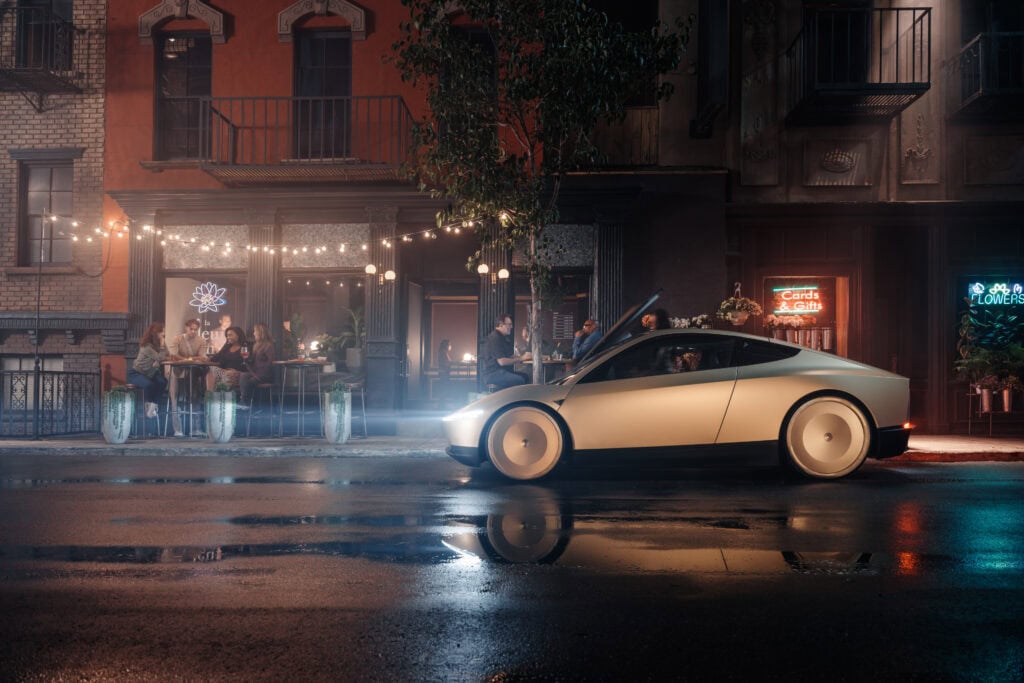
So the accurate version of the Atlanta-and-Austin story is not that Tesla Cybercabs are already serving both cities. Austin is Tesla’s live Robotaxi proving ground and the location of the Cybercab event. Atlanta is evidence that ride-share incumbents are already adapting to autonomous competitors even before Tesla arrives there.
You may also enjoy: Robotaxis in 2026: Are We Ready for Driverless Cities?
Uber and Lyft are buying insurance against disruption
It is tempting to frame Cybercab as a Netflix-versus-Blockbuster moment for ride-share. The numbers argue for a less theatrical analysis.
Uber remains enormous. Its second-quarter 2026 results recorded 3.9 billion trips, while the company says its goal is to make the Uber network a global-scale home for autonomous vehicles. That ambition explains Uber’s defense better than any slogan. Uber does not have to win the engineering race if it can become the marketplace where the winners come to find passengers.
The company is spreading its bets. In March, Uber and Rivian announced a plan for an initial 10,000 fully autonomous R2 robotaxis, with launches expected in San Francisco and Miami in 2028 and an option that could add as many as 40,000 more vehicles later. Uber is also already distributing Waymo rides. The strategy looks less like choosing one autonomous champion and more like building a shelf where many autonomous brands can compete for demand.
Lyft is taking a related approach. It reported more than 30 million active riders globally in the second quarter and described itself as transforming into a hybrid transportation platform. Its autonomous partnerships include May Mobility and Mobileye, and it has openly said that automated vehicles will take a larger share of rides over time. The company still stresses the role of human drivers, which makes sense because a national ride network cannot suddenly be replaced by geofenced robotaxi fleets.
This hybrid model is an underrated defense. Human drivers can cover suburban trips, unusual destinations, airport runs, weather disruptions and low-density periods where dedicated autonomous fleets may not yet make economic sense. Automated cars can concentrate where demand, maps, regulation and fleet support are strongest. A marketplace that can blend both types of supply may be more resilient than a single-brand fleet, at least during the transition.
But there is a catch for Uber and Lyft. If Tesla can offer a comparable pickup time and a lower fare in a city where its own fleet is dense, the familiar app may matter less. Consumers are loyal to convenience before they are loyal to transportation logos. The platform advantage gets weaker if a vertically integrated rival can make its own app just as convenient.
You may also enjoy: Rivian R2 Robotaxis in 2028: What It Means for EV Buyers
Scale is Tesla’s promise; regulation is the gate
Tesla’s industrial plan makes Cybercab more threatening than a small autonomous pilot. In its second-quarter update, the company lists more than 125,000 units of installed annual Cybercab manufacturing capacity at its Texas factory. Installed capacity is not the same as current production, and Tesla explicitly cautions readers about that distinction. Still, a dedicated production line changes the conversation from a few engineering prototypes to a vehicle intended for fleet-scale use.
The two-seat layout also tells us what Tesla is optimizing. A large share of ride-hailing trips do not require three rows, a pickup bed or the compromises of a family crossover. A smaller purpose-built vehicle can potentially reduce material, energy and maintenance requirements. But every theoretical cost saving has to survive the unglamorous realities of commercial transport: cleaning, charging, tire wear, vandalism, accessibility, emergency support, insurance, downtime and the expensive human operation behind a supposedly driverless fleet.
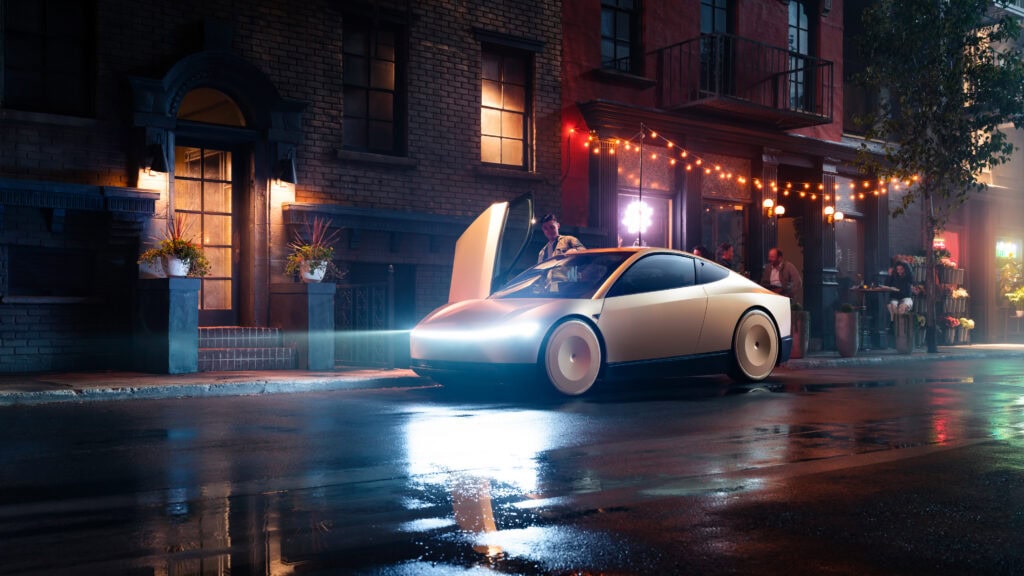
Then there is federal compliance. The National Highway Traffic Safety Administration explains that automated-driving systems remain subject to federal safety oversight, while states regulate many operating details. NHTSA has also begun rulemaking to modernize brake-pedal requirements for vehicles designed exclusively for automated driving. The proposal would remove the manual-pedal mandate while preserving stopping-performance standards.
The exemption route matters, too. NHTSA’s automated-vehicle resources explain Part 555 temporary exemptions for vehicles that do not fully comply with certain Federal Motor Vehicle Safety Standards. In July, the agency allowed Zoox to commercially deploy up to 2,500 robotaxis annually for two years under a temporary exemption. That action proves a purpose-built, controls-free robotaxi can have a federal commercial path. It does not establish that Tesla automatically has the same path for Cybercab.
Safety data will matter as fleets grow. NHTSA’s Standing General Order requires identified companies to report certain crashes involving automated-driving systems. The agency also warns that those reports should not be treated as a simple company ranking because fleets differ in mileage, operating environments, data access and reporting circumstances.
This is where the Test Miles skepticism should stay very practical. Do not confuse “no steering wheel” with “regulators have cleared unlimited service.” Do not confuse installed capacity with current production. And do not confuse a launch event with the moment an ordinary passenger can summon the new vehicle.
You may also enjoy: GM Says Eyes-Off Driving Is Coming Soon
What riders should watch after September 3
The Cybercab story becomes much easier to judge once we stop asking whether autonomous driving is impressive and start asking whether the transportation service is useful.
First, watch the app. When can an ordinary customer request a Cybercab instead of a Model Y? Second, watch the operating map. A fleet can be technically driverless and still be commercially minor if it serves a small, carefully bounded area. Third, watch the fare. Tesla’s threat to Uber and Lyft becomes concrete when comparable trips are consistently cheaper or faster, not when the vehicle looks futuristic in photographs.
Fourth, watch fleet density. Ride-share is a waiting-time business. Ten clever cars scattered across a metropolitan area do not beat thousands of available vehicles. Tesla’s manufacturing advantage matters only when production is converted into active fleet supply, and active fleet supply is converted into reliable pickups.
Fifth, watch what happens when things go wrong. Riders need a clear way to stop a trip, contact support, exit a disabled vehicle and understand what remote assistance can and cannot do. Cities and first responders need operating information. Regulators need enough data to distinguish a rare incident from a systemic problem. Autonomous transportation succeeds when those boring systems work, not merely when the car can negotiate an intersection.
Finally, watch Uber and Lyft rather than assuming Cybercab simply destroys them. Uber’s partnerships turn its lack of an in-house mass-market robotaxi into a potential advantage if it can offer whichever autonomous fleet is strongest in each city. Lyft’s hybrid approach gives it similar flexibility. Tesla’s advantage is the opposite: tighter control over vehicle, software, fleet and customer experience.
You may also enjoy: Waymo Gets the Green Light Across California
That sets up a fascinating transportation contest. The old ride-share battle was Uber versus Lyft for drivers and passengers. The new one is more complicated: Tesla wants to prove that owning the entire stack creates a cheaper, cleaner route from request to destination, while Uber and Lyft want to prove that the marketplace is still the most valuable part of the trip.
Cybercab does not have to wipe out either ride-share company to change their economics. It only has to take enough high-volume urban trips to force lower prices, richer autonomous partnerships and more investment in fleet technology. Conversely, Uber and Lyft do not have to build the best self-driving system themselves. They need enough riders and enough autonomous suppliers that vehicle developers decide plugging into their networks is more profitable than going alone.
For now, Austin shows Tesla attempting the vertically integrated version in public. Atlanta shows the platform companies assembling their counterstrategy without Tesla. After September 3, the meaningful scoreboard will not be applause at the reveal. It will be service area, availability, price, regulatory status, reliability and repeat use. If Cybercab can win on those ordinary measures, Uber and Lyft have a serious new competitor. If it cannot, the ride-share middlemen may discover that being the neutral marketplace for everybody else’s robots is a very durable business after all.