Tesla Cybercab Launch: Can You Actually Ride One?

The Tesla Cybercab launch is set for September 3, but public rides, federal compliance and Texas operating limits remain unclear.
Tesla has chosen September 3 for its Cybercab event in Austin. The more useful date for passengers has not been announced: the day an ordinary person can open the Robotaxi app, select a Cybercab and pay for a ride without working for Tesla, winning a contest or knowing someone on the guest list.
That distinction may sound fussy until you remember how many things automakers call a launch. A vehicle can be launched onstage, launched into production, launched for employee testing or launched as a service. Only the last version changes transportation for the public.
Tiy may also enjoy this video:
What the Tesla Cybercab launch actually confirms
Tesla’s official announcement confirms the date and city. Its sweepstakes terms offered five Robotaxi riders admission to the event. They do not guarantee those winners a Cybercab ride, publish a fare or say public reservations open September 3.
Tesla has already passed several milestones that headlines might otherwise attach to the event. Its second-quarter update says Cybercab production began, engineering drives took place on public roads and employees received rides on the Gigafactory Texas campus in July. Tesla itself called those activities precursors to deployment.
Current Robotaxi operations and the Cybercab are also different products. Tesla has been using modified Model Ys for passenger service. Introducing a two-seat vehicle built around the assumption that nobody will drive it creates a new set of legal, operational and emergency questions.
You may also enjoy: Tesla Robotaxis Are Moving Far Slower Than Musk Promised

The federal question starts where the pedals disappeared
There is no useful federal stamp reading “NHTSA approved.” America uses a self-certification system in which the manufacturer declares that a vehicle meets every applicable safety standard. NHTSA can later test it, investigate defects and require remedies.
Cybercab’s layout matters because FMVSS No. 135 currently calls for a foot-operated service brake. NHTSA proposed modernizing that standard for vehicles designed to be driven only by an automated system, but the June proceeding was still a proposed rule on August 23.
Tesla could certify a compliant production design, obtain a Part 555 exemption or rely on a narrower testing or demonstration authority. I could not find a public Cybercab exemption grant in NHTSA or Federal Register searches. That does not prove none exists under another entity or designation, but it makes the docket number a fair and necessary question for Tesla and NHTSA.
You may also enjoy: Zoox Robotaxi Approval Clears Paid Driverless Rides

Texas approval is not a ticket to ride
Tesla Robotaxi LLC holds a Texas commercial AV authorization. That allows the operator to conduct qualifying driverless commercial activity after making required certifications about federal compliance, registration, insurance, traffic-law capability, onboard recording and a minimal-risk condition.
The state record retrieved August 23 identified Model Ys, with no visible entry carrying the Cybercab model name. Texas asks for each vehicle’s identification number, year, make and model, while its rules allow material changes to be updated within 30 days. The missing public entry is a reporting question, not a guilty verdict.
Paid rides arranged through an app require a separate statewide ride-hailing permit. Tesla and the Texas Department of Licensing and Regulation should confirm the permit number, current expiration date and whether it covers Cybercab rides. An operator can possess vehicle authority without making a new model available to everyone.
You may also enjoy: 2026 Tesla Model Y Review: Tesla Finally Fixed It

Public access requires more than an invitation
“Public ride” needs a definition. An employee trip is not public. A demonstration for invited media is not public. A free ride for selected beta users is broader, but it still is not an open commercial service. The clean threshold is a normal account receiving a Cybercab option, an estimated fare and a bookable pickup inside a published service area.
Passengers also deserve more than the phrase “fully autonomous.” They need to know whether an onboard monitor or chase vehicle is involved, what remote support can do and how the Cybercab reaches safety if communications fail. Texas first-responder rules require fleet support to remain available and vehicles to display a telephone number and QR code linking to emergency instructions.
You may also enjoy: Robotaxi Emergency Scenes Still Challenge Driverless Cars
NHTSA’s crash-reporting order captures specified automated-driving crashes, not every remote intervention, disengagement, blocked lane or passenger complaint. Austin’s incident reports add local visibility, but the city warns that submissions may be incomplete and unverified.
You may also enjoy: Cadillac Eyes-Off Driving Is Coming in 2028
The September 3 test is refreshingly simple
A genuine consumer launch should produce answers that fit on one screen. Tesla should publish the accessible fleet size, fare structure, operating map, hours, road and weather limits, emergency procedure and eligibility rules. It should identify the federal certification or exemption path and confirm that Cybercab is covered by its Texas records and current ride-hailing permit.
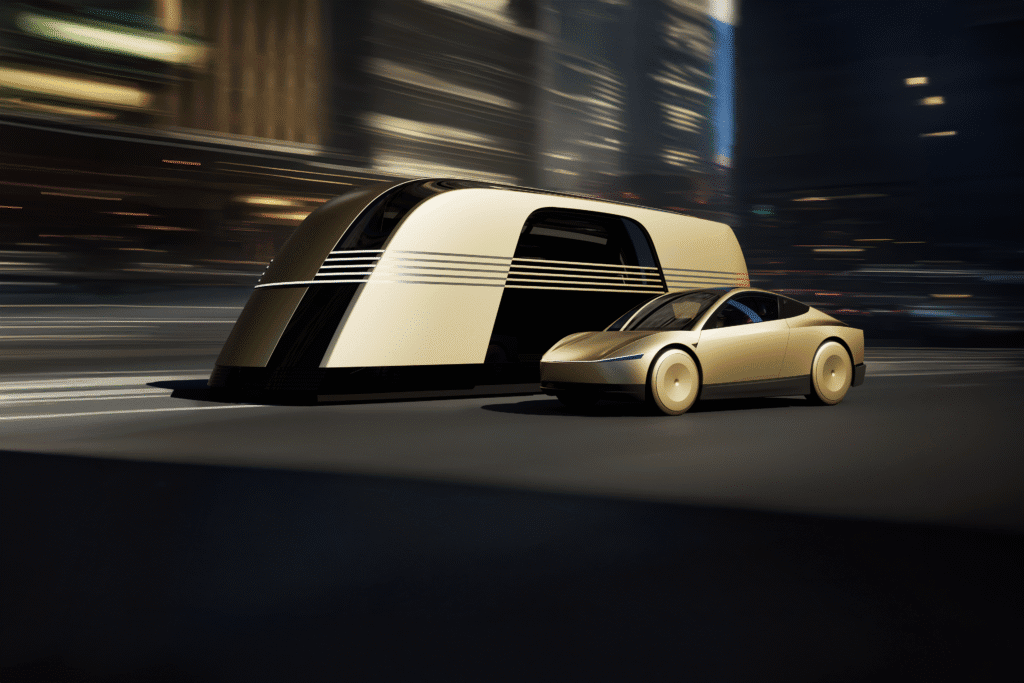
At the event, look beyond the doors and gold paint. Photograph the certification label, vehicle identification number, first-responder phone number and QR code. Ask for demonstrations of the passenger stop control, manual door release and response to lost connectivity. Then open an ordinary Robotaxi account and see whether Cybercab appears.
If only employees, guests or sweepstakes winners ride on September 3, Tesla will still have achieved a useful demonstration. If customers can request and pay for rides, the company will have crossed a much more important line. The Cybercab can be real, in production and moving on public streets while remaining unavailable to you. That is why the app—not the stage—will deliver the most honest definition of launch.