2027 Toyota Corolla Cross Gets Simpler Where It Counts
By Robert R Guio
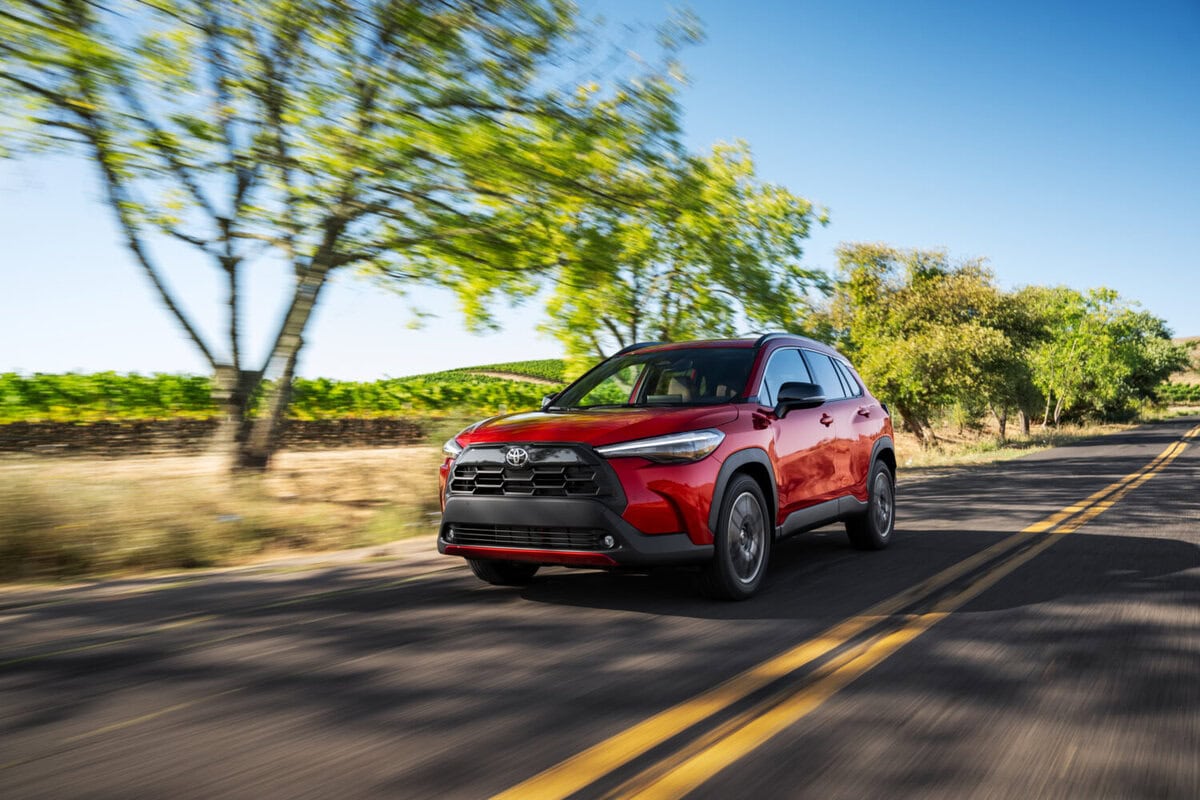
The 2027 Toyota Corolla Cross keeps gas and hybrid choices, simplifies the hybrid lineup and puts practical value ahead of needless change.
2027 Toyota Corolla Cross: Toyota chose restraint
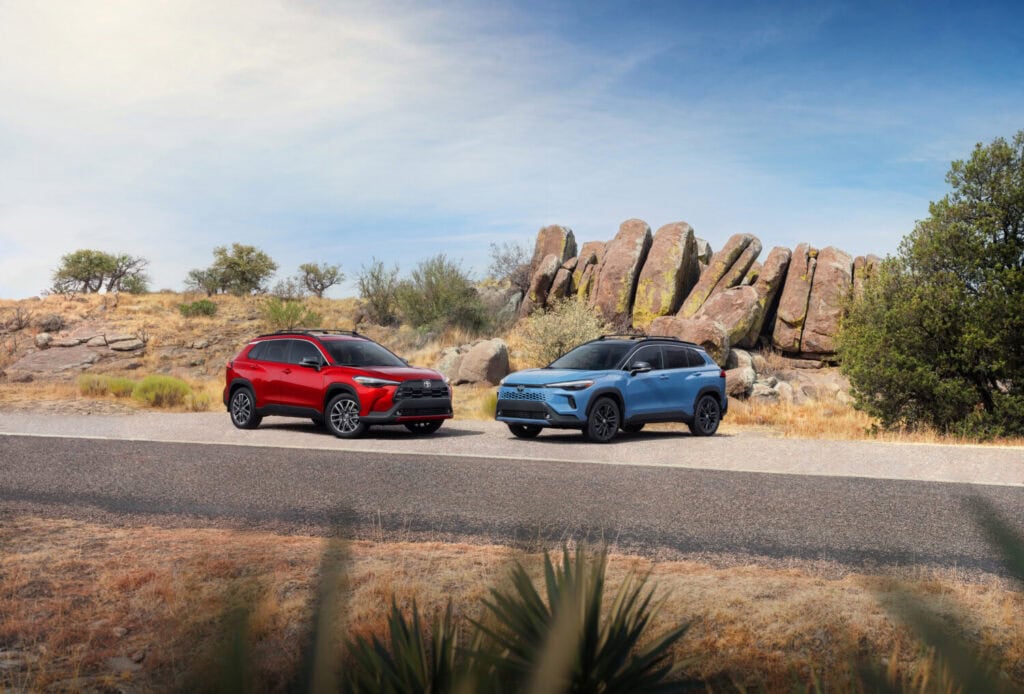
The most important fact about the 2027 Toyota Corolla Cross is what Toyota did not do. After a meaningful 2026 update, the company resisted the temptation to invent another round of cosmetic drama simply to justify a new model year. Most features and specifications carry over. The real change is that the hybrid lineup loses the S grade and now starts with SE before moving to XSE.
That makes the range easier to read. Gas buyers still choose among L, LE and XLE, with front- or all-wheel drive available. Hybrid buyers choose SE or XSE, and every hybrid gets electronic on-demand all-wheel drive. Toyota says U.S. deliveries begin this fall, with the gas L FWD starting at $25,535 and the Hybrid SE at $31,415 before the dealer processing and handling fee.
You may also enjoy: 2026 Toyota Corolla Cross: A Mid-Cycle Makeover That Actually Matters
There is a useful shopping lesson here. When a manufacturer carries a vehicle over after a recent refresh, the model-year badge matters less than the equipment and transaction price. A comparable 2026 still sitting on a dealer lot could be worth examining if the discount is meaningful. The 2027 earns its case mainly through the cleaner hybrid trim ladder, not through a sudden transformation.
Gas or hybrid: choose around your driving
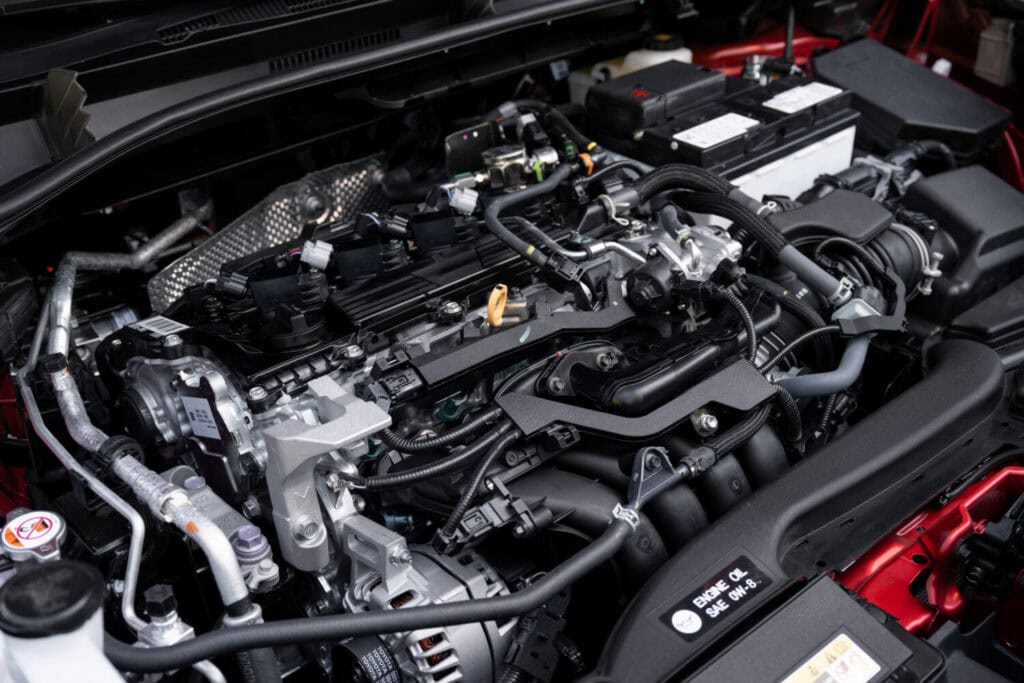
The gas model keeps a 169-horsepower 2.0-liter four-cylinder. Toyota estimates 31 mpg combined with front-wheel drive and 30 mpg combined with all-wheel drive. That configuration makes the most sense for buyers focused on the lowest entry price or those whose annual mileage is modest enough that paying more for the hybrid is difficult to justify.
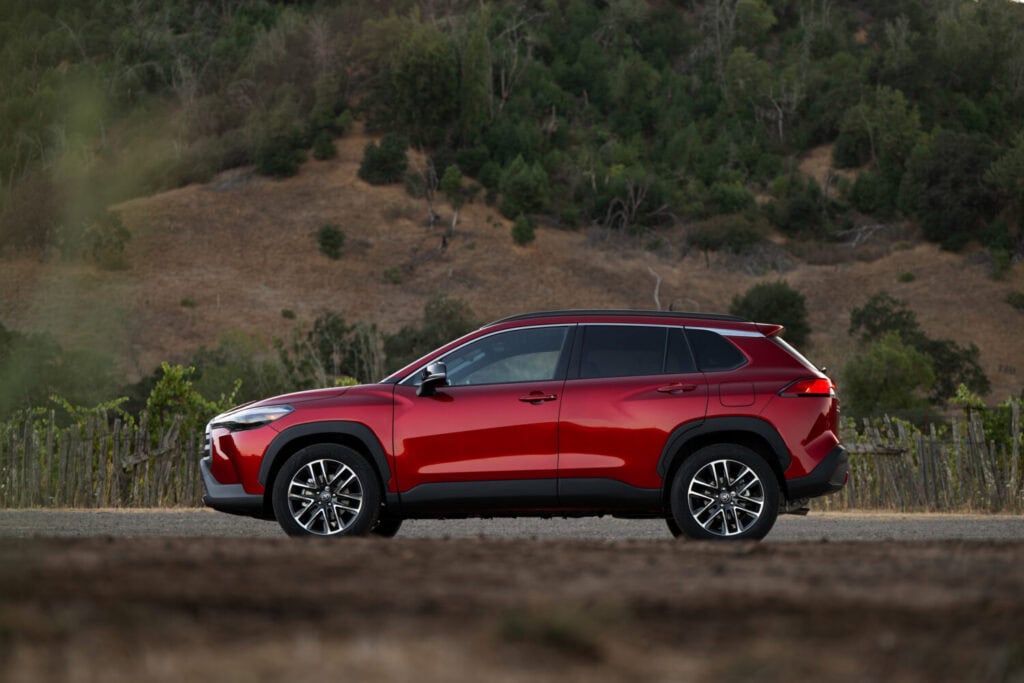
The hybrid is the more interesting powertrain for drivers who cover substantial mileage or want all-wheel drive without giving up much efficiency. Toyota estimates 42 mpg combined for both hybrid grades. Its fifth-generation hybrid electric vehicle system does not need to be plugged in; the battery is replenished by the gasoline engine and regenerative braking. Federal fuel-economy labels remain the right place to compare official ratings across vehicles once final model-year data is posted.
You may also enjoy: 2026 Toyota Corolla Hybrid Review: The Sensible Choice
The hybrid’s standard electronic all-wheel drive uses a rear electric motor rather than the gas model’s mechanically managed rear-drive connection. Toyota says the system can add rear-wheel drive during launch, respond to front-wheel slip and help reduce understeer. Both gas and hybrid versions are rated to tow up to 1,500 pounds, useful for a small utility trailer but not an invitation to treat the Corolla Cross like a miniature truck.
Which trim offers the best value?
The base gas L already includes an 8-inch touchscreen, wireless Apple CarPlay and Android Auto, rear climate vents, LED lighting, USB-C charging and Toyota Safety Sense 3.0. The LE is likely the more balanced gas choice for many households because it adds blind-spot monitoring, rear cross-traffic alert, wireless phone charging, roof rails, Smart Key and automatic climate control without requiring the top trim.
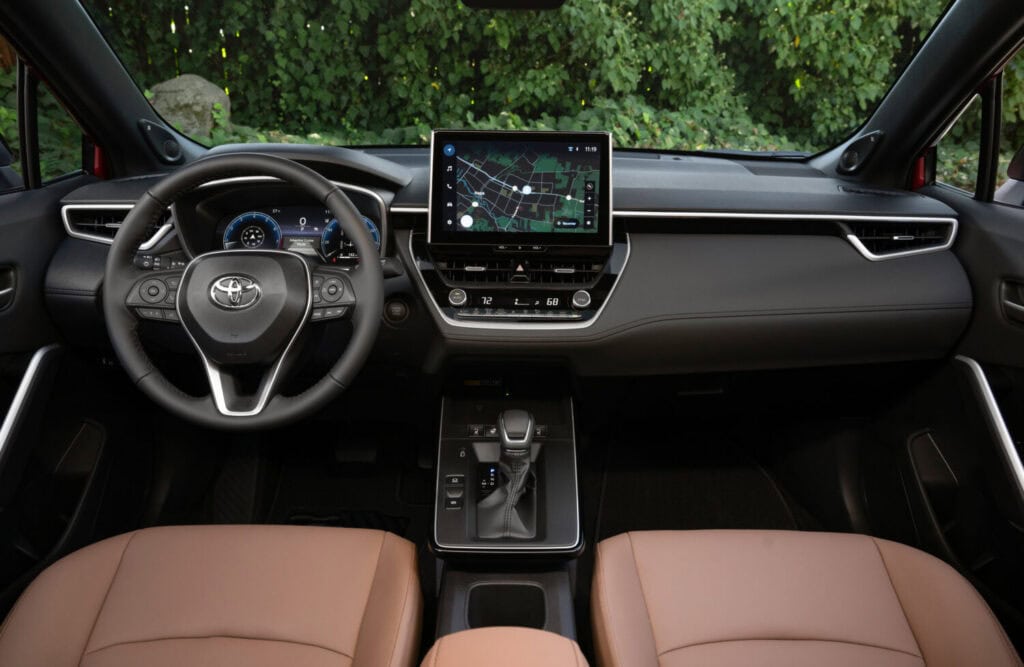
The XLE is for buyers who care more about comfort and presentation. It adds the 10.5-inch touchscreen, SofTex-trimmed seats, a power driver’s seat, heated front seats, dual-zone climate control, parking assistance and 18-inch wheels. Those are pleasant upgrades, but none changes the basic usefulness of the vehicle.
You may also enjoy: 2026 Toyota RAV4 Review: America’s Favorite SUV Just Ditched Gas
On the hybrid side, SE is the place I would start. It brings standard all-wheel drive, blind-spot monitoring, rear cross-traffic alert, wireless charging and four USB-C ports. XSE adds the 12.3-inch digital gauge cluster, 10.5-inch center screen, mixed-media SofTex seating, 18-inch black wheels and dual-zone climate control. If those features matter every day, the XSE makes sense. If they do not, SE preserves the hybrid’s core advantages.
You may also enjoy: 2026 Toyota RAV4 Woodland Review: Vehicle Analysis
What shoppers should know before buying
Toyota Safety Sense 3.0 is standard across the range, including pre-collision assistance with pedestrian detection, adaptive cruise control, lane support, road-sign assistance and automatic high beams. These are driver-assistance systems, not substitutes for an attentive driver. LE, XLE, SE and XSE also include blind-spot monitoring, rear cross-traffic alert and Safe Exit Alert.
It is also important not to borrow an older safety result and paste it onto a new model year. The 2025 Corolla Cross earned an IIHS Top Safety Pick, but that does not automatically create a 2027 rating. NHTSA has also expanded its program with new 2027 pedestrian protection assessments, so shoppers should check the current vehicle-specific ratings rather than assuming continuity.
You may also enjoy: 2027 Hyundai Tucson Adds Space and Smarter Hybrid Tech
The Corolla Cross remains useful because it avoids trying to solve every automotive problem. The rear seat folds 60/40, the driving position is elevated, and the cabin offers the storage and charging points expected in a small family SUV. Available extras include JBL audio, a larger multimedia screen on selected grades, moonroof packages, a power liftgate package and heated equipment for colder climates.
The downside is equally clear: this is fundamentally a carryover vehicle. Shoppers who already liked the 2026 Corolla Cross will find a familiar product, while anyone waiting for a major jump in performance, space or technology should look elsewhere or wait. Buyers who want more room should also compare larger compact SUVs rather than assuming the Corolla Cross can replace every family hauler.
For 2027, Toyota’s strongest move may be the refusal to overcomplicate the answer. Choose the gas L or LE for lower upfront cost, choose Hybrid SE if efficiency and standard all-wheel drive matter most, and move to XLE or XSE only when the added comfort equipment is worth paying for. That is a refreshingly ordinary conclusion, which suits the Corolla Cross rather well.