GM Says Eyes-Off Driving Is Coming Soon

The next big luxury Driving feature may not be more horsepower, bigger screens, or softer leather. It may be permission to look away from the road in a Cadillac
General Motors says it plans to introduce eyes-off driving in 2028, starting with the Cadillac Escalade IQ. That is a major step beyond the hands-free driver assistance many buyers already know from Super Cruise. Today, Super Cruise can help with highway driving while the driver remains responsible and attentive. The next system is designed to let the vehicle handle certain highway driving situations while the driver looks away.
That does not mean every Cadillac will become a self-driving robot overnight. It does mean GM is preparing for one of the biggest shifts in personal transportation since adaptive cruise control first made long drives feel less exhausting.
You may also like: Operation Frodo EV Is the Quiet Rescue Story America Needs
What Eyes-Off Driving Really Means
The important phrase here is “eyes-off.” Current systems such as Super Cruise are generally considered hands-free, eyes-on driver assistance. They can steer, accelerate, brake, and even change lanes in certain conditions, but the driver must stay alert and ready to take over.
Eyes-off driving moves into a different category. Under specific conditions, the vehicle can manage the driving task while the driver is allowed to look away. GM says its next step toward eyes-off driving will begin with the Cadillac Escalade IQ in 2028.
For busy drivers, that is not a small thing. Time is becoming one of the most valuable luxury features in a modern vehicle. Cadillac has always sold comfort, presence, and status. With the Escalade IQ, GM is now positioning technology as part of that luxury equation.
You may also like: Cadillac Vistiq: The Electric Three-Row That Actually Works
Why Cadillac Gets It First
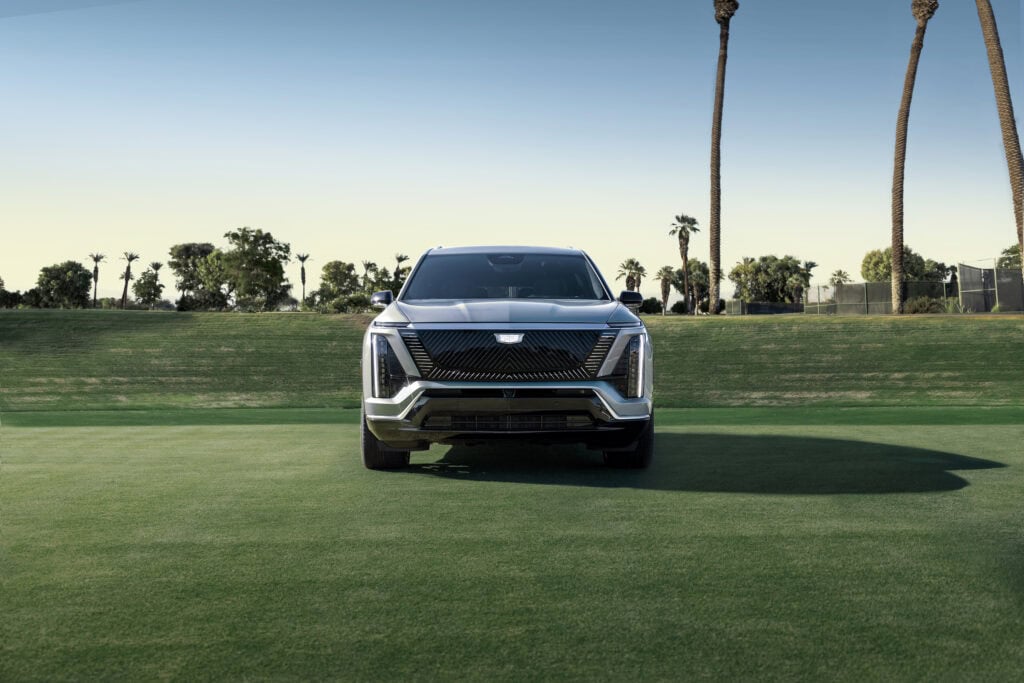
The Escalade IQ is a logical starting point. It is large, expensive, electric, and already positioned as a showcase for Cadillac’s future. It also attracts buyers who expect their vehicle to feel advanced, not just polished.
GM says the 2028 system will arrive alongside a new centralized computing platform. Instead of having many separate electronic systems working in isolation, the vehicle will rely on a more unified high-speed computing core. That matters because advanced driver assistance requires enormous amounts of sensor data, decision-making, redundancy, and software coordination.
The company has also said its new platform will support both electric and gasoline vehicles, which could make the technology more broadly useful over time. That is a key point. This is not just an EV story. It is a software story, a safety story, and a consumer technology story.
You may also like: 2027 Chevrolet Bolt: America’s Affordable Long-Range EV

The Super Cruise Foundation
GM’s advantage is that it is not starting from scratch. Super Cruise has already given the company years of real-world experience with hands-free highway driving. Cadillac says Super Cruise utilizes advanced technologies to provide hands-free driving assistance, including lane-change capability on select equipped vehicles.
The next leap is not simply removing the need to touch the wheel. It is building enough confidence, redundancy, and legal clarity to let the driver stop watching the road under approved conditions. That is much harder.
It also raises obvious questions. Where will it work? How quickly will the vehicle ask the driver to take over? What happens in bad weather? Who is responsible if something goes wrong? Those answers will matter just as much as the technology itself.
Still, the direction is clear. Automakers are moving from cars that assist drivers to cars that increasingly share the workload.
You may also like: 2026 Chevrolet Silverado EV Trail Boss: The Off-Road Electric Truck With Physics-Defying Range
The Future Of Luxury Driving
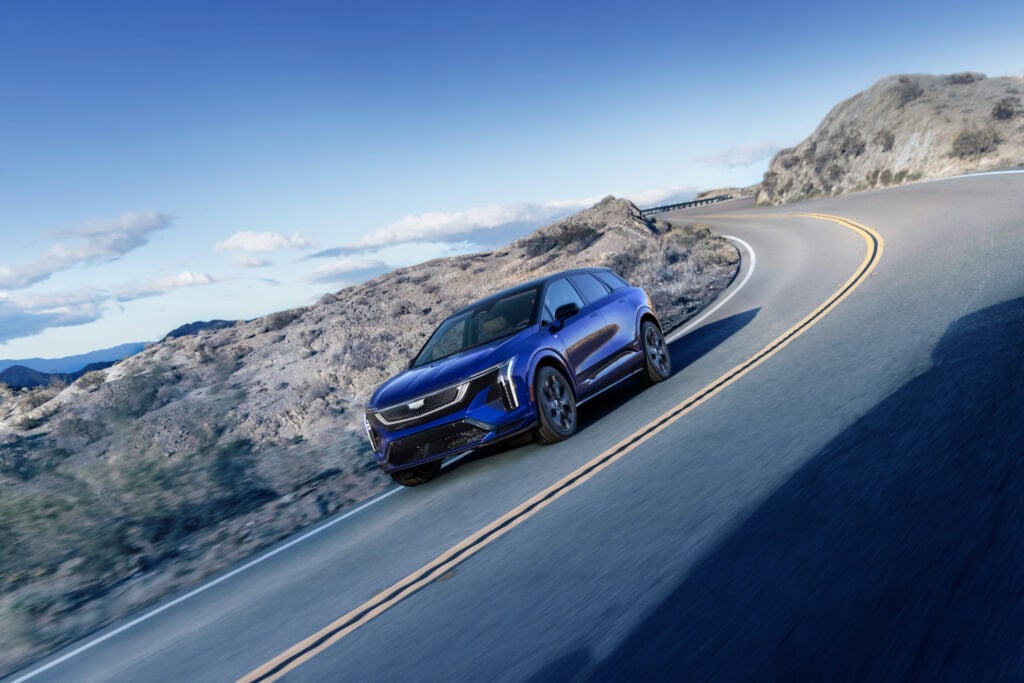
The most interesting part of GM’s announcement is not that a Cadillac may drive itself on certain highways. It is what that says about the future of premium vehicles.
Luxury used to be measured in chrome, wood, leather, and engine size. Then it became screens, sound systems, and connected services. The next phase may be usefulness. A vehicle that gives you back attention, reduces fatigue, and makes a long trip less draining may feel more valuable than another tenth of a second to 60 mph.
The industry still has to be careful with language. According to automated vehicles guidance, driver-assistance and automated-driving technologies vary widely in what they can actually do, and drivers need to understand those limits.
That is why the Escalade IQ is such an important test case. If GM gets eyes-off driving right, Cadillac could make autonomy feel less like a science project and more like a real luxury feature.
The road to true self-driving remains long. But by 2028, the most advanced Cadillac may not just ask you to take your hands off the wheel. It may finally let you take your eyes off the road.