Scion KEI-01: Toyota’s Mini Truck Has a 25-MPH Catch
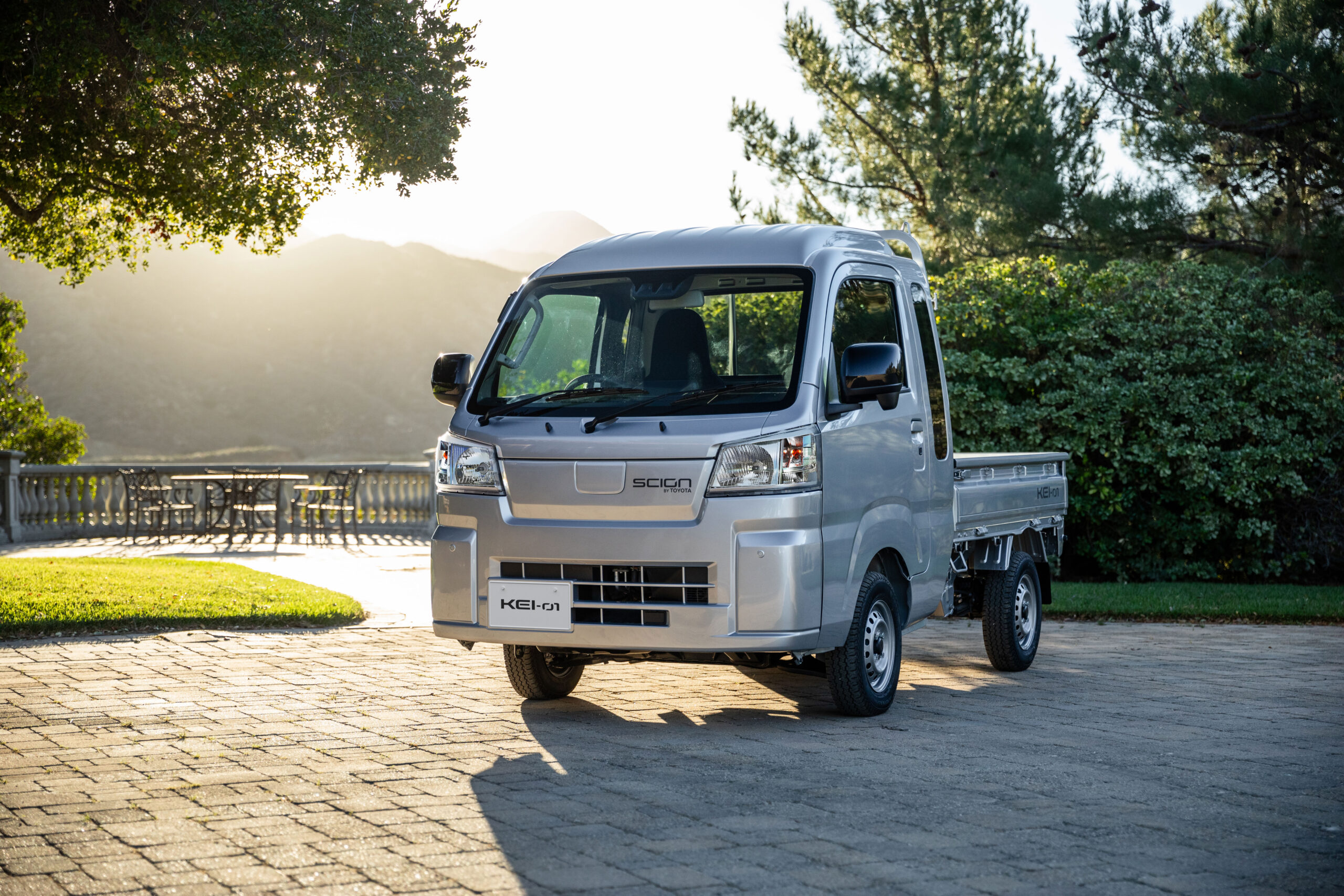
The Scion KEI-01 brings Toyota’s revived brand to America with an Indiana-built mini truck, fleet-first sales and a crucial 25-mph limit.
By Nik J. Miles
Toyota is bringing Scion back, and its opening act is a very small truck with a very specific job. Announced November 10, the Scion KEI-01 is scheduled to reach the United States in the second half of 2027. Toyota plans Indiana assembly and an initial fleet pilot through selected existing Toyota dealers operating as Scion by Toyota retailers.
The detail that deserves equal billing is its 25-mph maximum speed. Anyone imagining a miniature pickup for freeway commuting needs to reset expectations. For a campus maintenance crew moving equipment between buildings, however, that same vehicle could make considerably more sense. Choosing the right assignment matters more than the badge.
You may also enjoy: Best cars for people who don’t know cars
You may like this Video:
What the Scion KEI-01 Actually Offers
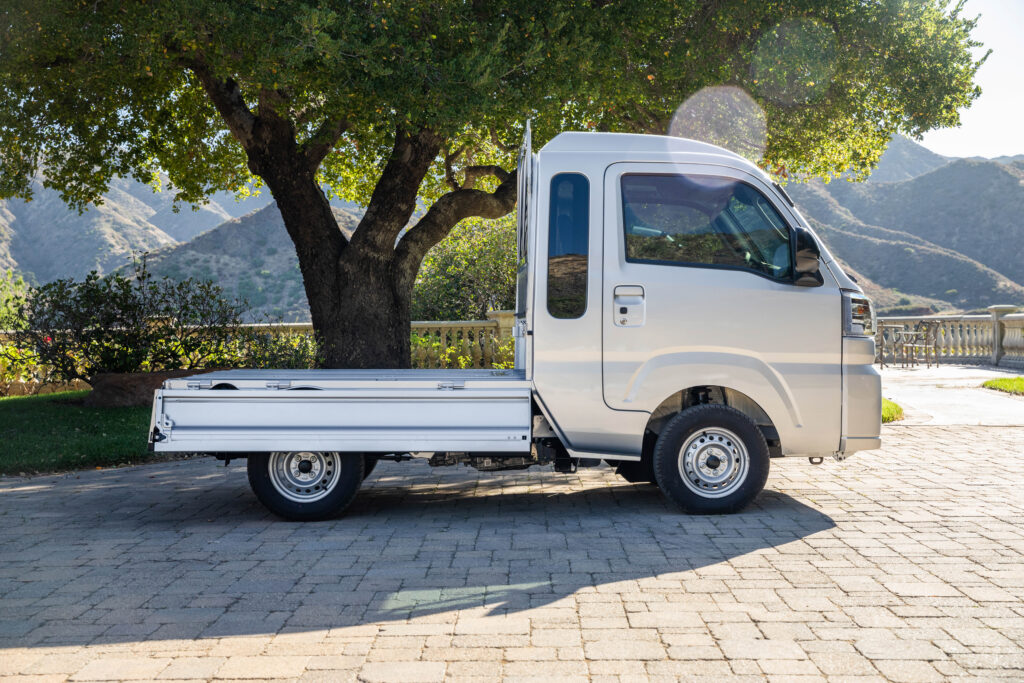
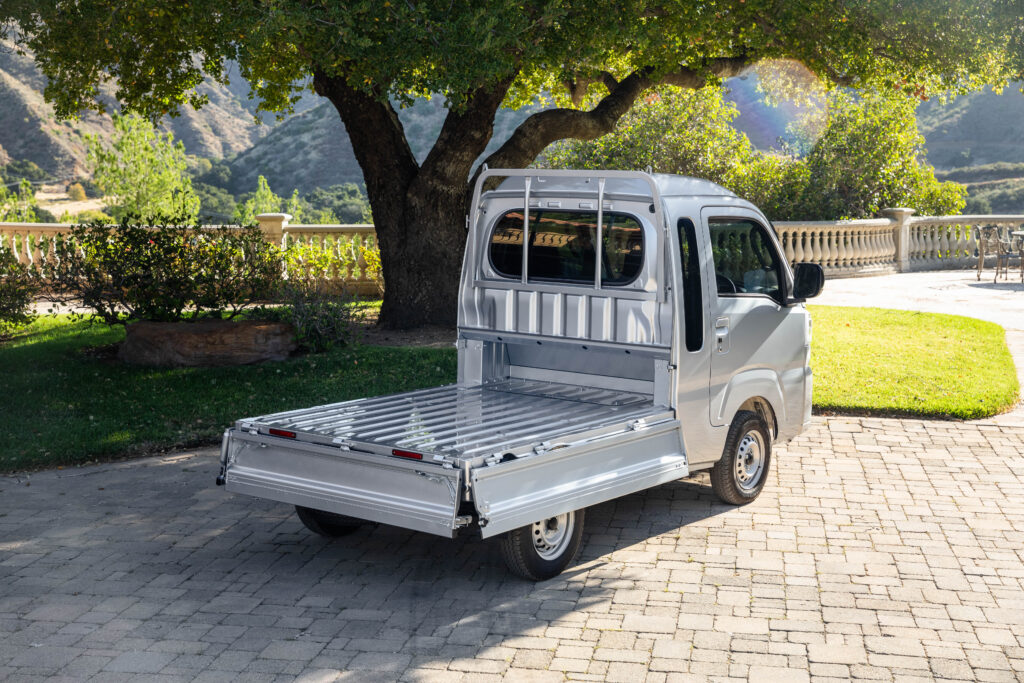
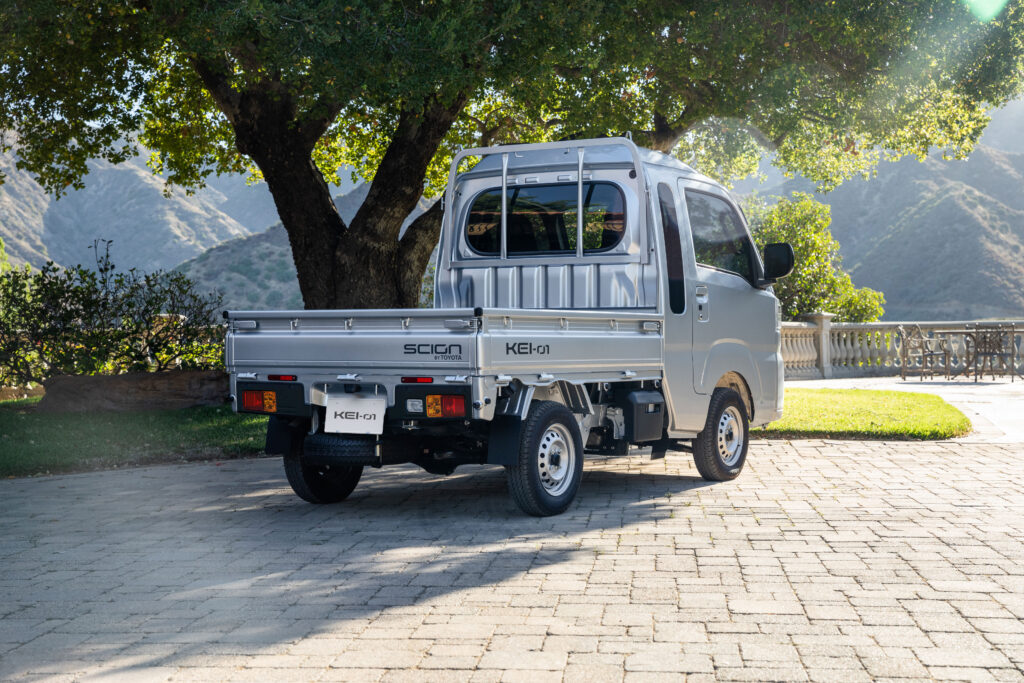
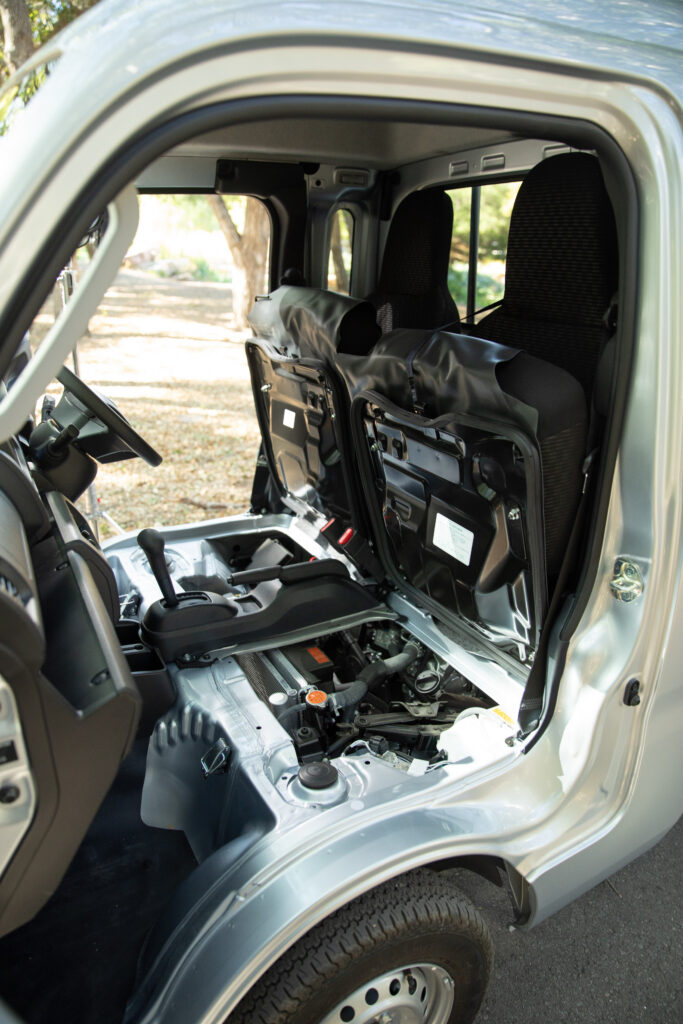
According to Toyota’s announcement, the right-hand-drive KEI-01 combines a 660cc three-cylinder gasoline engine, continuously variable transmission and selectable four-wheel drive. It measures just over 11 feet long and less than 5 feet wide. Toyota lists up to 600 pounds of bed payload, three-way folding bed sides, heat and air conditioning.
The folding sides deserve attention because loading access can matter more than an imposing grille. A worker handling bags, tools or supplies benefits from reaching the load without repeatedly stretching over a tall bed wall. The enclosed cabin also gives fleet managers a reason to compare this with utility vehicles that offer less weather protection.
Those are practical advantages to investigate, rather than independently tested results. Four-wheel drive alone does not establish braking performance, ground clearance or suitability for a difficult trail. Operators should match tire selection and pressure to the manufacturer’s instructions and working conditions. Traction is useful; it does not suspend physics.
The 25-MPH Limit Changes the Shopping List
Toyota says the truck is designed for the federal low-speed vehicle category. Federal Motor Vehicle Safety Standard 500 limits maximum speed to 25 mph under its prescribed test. It also specifies equipment including lamps, mirrors, a windshield, a parking brake and seat belts. Meeting this category’s requirements should not be presented as equivalent to meeting the full requirements applicable to a conventional pickup.
The distinction affects the entire purchase decision. A vehicle suitable for moving supplies around a controlled property may be unsuitable for the road connecting that property to a warehouse. Prospective operators need to verify permitted routes, registration and insurance with the relevant authorities and insurer. Federal classification alone does not answer every local operating question.
You may also enjoy: 2027 Toyota Tundra: The Towing Tech Changes Everything
A route inspection should come before a purchase order. Consider junctions, traffic speed, visibility, pedestrian activity and whether staff must cross faster roads. Require seat-belt use even on short trips. A modest speedometer reading does not make a collision harmless, particularly around workers on foot.
Fleet Buyers Get First Consideration
The initial program is deliberately small. Toyota says limited retail sales could be considered later, depending on demand, operating considerations and market conditions. That is a possibility rather than a confirmed consumer launch. The announcement provides no purchase price, so calling this an established bargain would get ahead of the evidence.
For a fleet manager, the useful comparison starts with the work. The Department of Energy describes fleet rightsizing as matching vehicles to operational requirements. Count typical loads, daily distances and passenger needs. Then compare purchase costs, maintenance, insurance, downtime and the equipment already doing those jobs.
You may also enjoy: Longest-lasting affordable cars: Read the Fine Print
The operational trap is buying something inexpensive that requires another vehicle to finish the task. If a crew routinely needs a faster connecting road or larger loads, a tiny utility truck may add complexity. If most trips remain within a suitable site, buying a much larger truck may mean paying for capacity that spends its working life unused.
Scion Returns With a Different Customer in Mind
The name carries history. Toyota established Scion in 2003 and announced its transition back into Toyota in 2016. In its 2016 account of the brand, Toyota said 70 percent of Scion buyers were new to Toyota and half were younger than 35. Experimentation helped the company reach people its existing lineup had missed.
A fleet-first utility vehicle makes this return a different proposition from reviving an affordable passenger-car range. For shoppers hoping the badge signals a new inexpensive daily driver, the first product answers a narrower question. Scion’s usefulness now will depend on whether that focused approach delivers enough value to sustain a business.
You may also enjoy: 2026 Toyota Corolla Hybrid Review: The Sensible Choice
Buy the Work Capability, Then Check the Bill
Small dimensions and a small engine do not supply a verified fuel-economy figure. Fleet buyers should request consumption data for realistic loads and duty cycles, then budget for servicing. Federal guidance on vehicle maintenance explains why engine condition and tire inflation affect efficiency. Actual operating costs require actual numbers.
You may also enjoy: 2026 Toyota RAV4 Review: Which Trim Should You Buy?
The KEI-01 deserves consideration where a compact load carrier can complete the entire job within its operating limits. Ask for pricing, warranty coverage, service arrangements and a demonstration with representative cargo before committing. For everyone waiting for a small highway-capable Toyota pickup, keep that requirement firmly on the shopping list. Scion’s return is interesting news. The useful purchase decision begins with where this truck can work.