Longest-lasting affordable cars: Read the Fine Print
The longest-lasting affordable cars ranking favors the Honda HR-V, but buyers need to weigh generation changes, repairs and running costs.
A 200,000-mile car sounds like a financial victory. It becomes less impressive if getting there requires repairs you cannot afford, fuel bills you underestimated or a decade in a vehicle that never suited your household. The buying decision starts with the cost of useful transportation, rather than the largest number an odometer might eventually display.
That is the lens I would apply to a September 2026 ranking supplied by Bagen Law. Its selection puts the Honda HR-V ahead of nine other relatively affordable models, assigning it a 54.7% estimated chance of reaching 200,000 miles. There is a worthwhile consumer story here, provided we distinguish a statistical projection from evidence of trouble-free ownership.
You may also like this video:
Longest-lasting affordable cars need a generation check
The strongest qualification appears in the underlying research available for the HR-V. On its longevity methodology page, iSeeCars publishes the same 54.7% estimate and describes a proprietary survival model. Its generation-specific results also identify insufficient data for the 2023–2026 HR-V. An estimate attached to a model name therefore needs care when applied to today’s showroom vehicle.
You may also enjoy: 2026 Honda HR-V: New Tech and Updated Looks
My recommendation is to treat historical longevity as a reason to add a car to your shortlist. Ask what changed between generations, whether the powertrain is comparable and how much evidence exists for the version you are actually buying. A manufacturer cannot transfer years of accumulated ownership experience simply by keeping the same lettering on the tailgate.
There is a second distinction: survival does not establish freedom from repairs. The supplied material offers no basis for saying that more than half of HR-Vs reach the milestone without breaking down. That claim asks the data to answer a question it has not demonstrated it can answer.
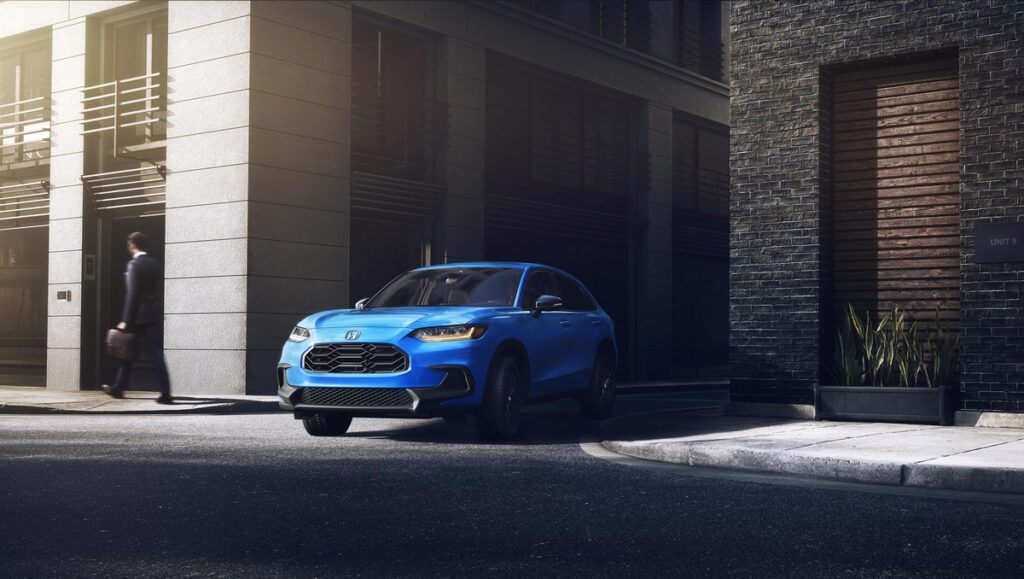
Choose the ownership bill before choosing the winner
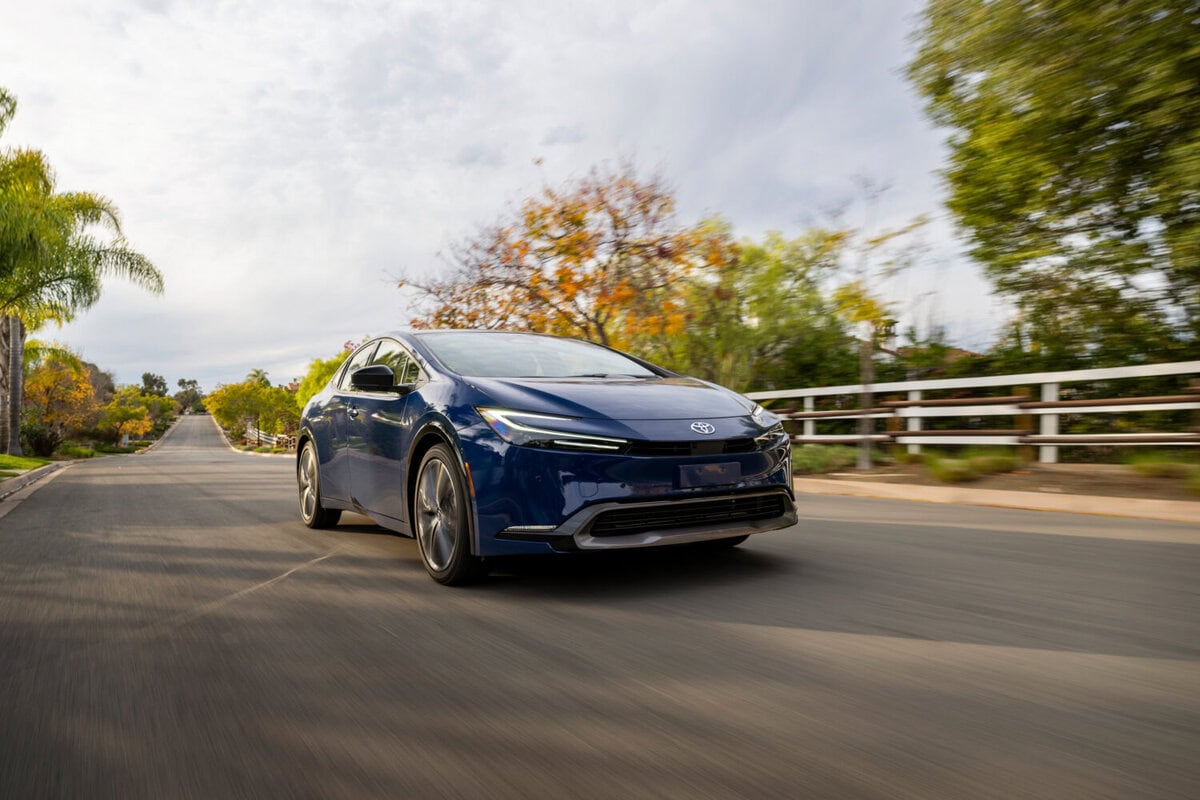
The report’s order begins with HR-V, CR-V, Camry, Prius and Civic. It then lists Accord, Corolla Cross, Corolla, CX-30 and Trailblazer. That makes Honda and Toyota prominent in this particular selection, but the supplied material does not establish that these are the best choices across every affordable vehicle on sale.
Nor should shoppers assume the quoted prices describe equivalent specifications. The email does not consistently connect its figures to a model year, trim or treatment of delivery charges. Use written, itemized dealer quotations to compare purchase costs, then verify fuel economy for the matching drivetrain and trim.
You may also enjoy: 2026 Honda CR-V Review: Which Trim Should You Buy?
A CR-V buyer, for example, should compare the cost and operating implications of the gas and hybrid choices separately. A probability attached to the broader model does not tell you which powertrain will offer the better financial result for your mileage, traffic and purchase price. The right answer requires those inputs.
This also limits the appeal of crowning one universal winner. Someone who needs SUV cargo access and someone who only needs an economical commute are solving different problems. Buying surplus vehicle capacity means paying for it at purchase and potentially throughout ownership.
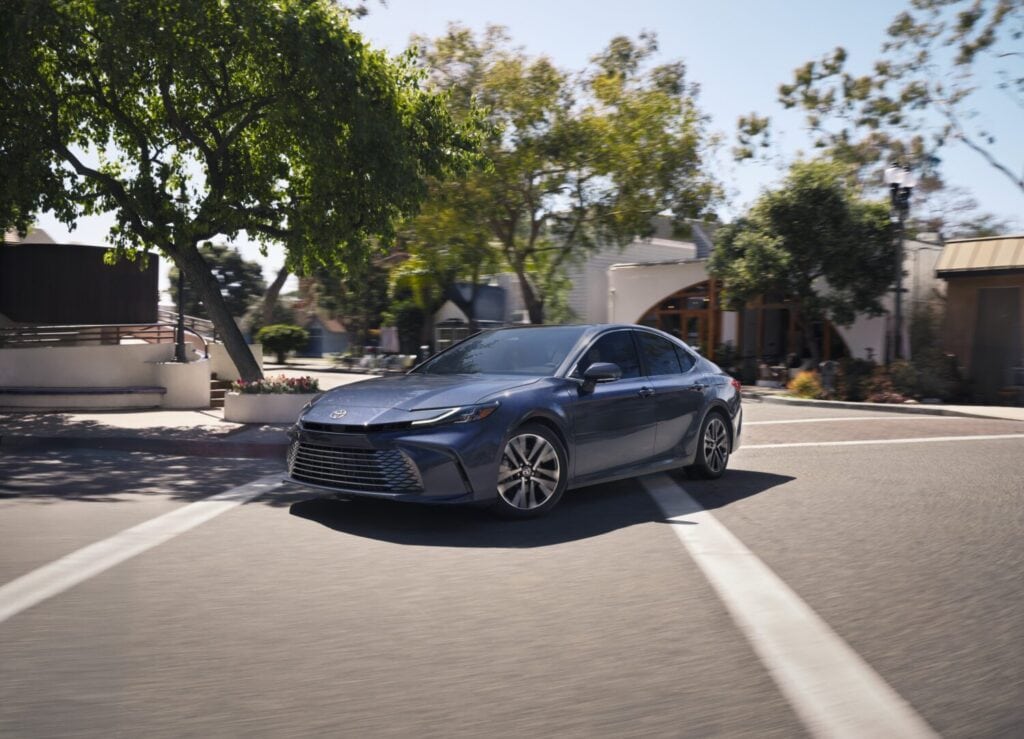
Fuel savings can outweigh a place on the list
The source email contains an important inconsistency: its opening assigns 54 mpg to the Camry, while the accompanying table gives the Prius that figure and lists the Camry at 51 mpg. Those are report figures requiring configuration checks, rather than interchangeable promises for every example of either model.
Consider a hypothetical owner covering 15,000 miles annually. At 28 mpg, fuel use would be roughly 536 gallons; at 51 mpg, approximately 294 gallons. With gasoline assumed at $3.50 a gallon, the annual difference is about $846. Actual consumption and prices will change, but the arithmetic explains why efficiency deserves attention alongside projected durability.
You may also enjoy: 2026 Toyota Corolla Hybrid Review: The Sensible Choice
Over ten years, that illustrative gap would approach $8,460 before considering financing or other expenses. It is substantial enough to affect a shopping decision, although it does not establish that a sedan and an SUV are suitable substitutes for every household. Start with vehicles that meet your needs, then run the numbers.
A low-mileage driver may place greater weight on purchase price. A commuter spending considerable time in traffic may find an efficiency premium easier to recover. Both should include insurance quotations, scheduled service and replacement tires before deciding that a higher-ranked car is the cheaper one.
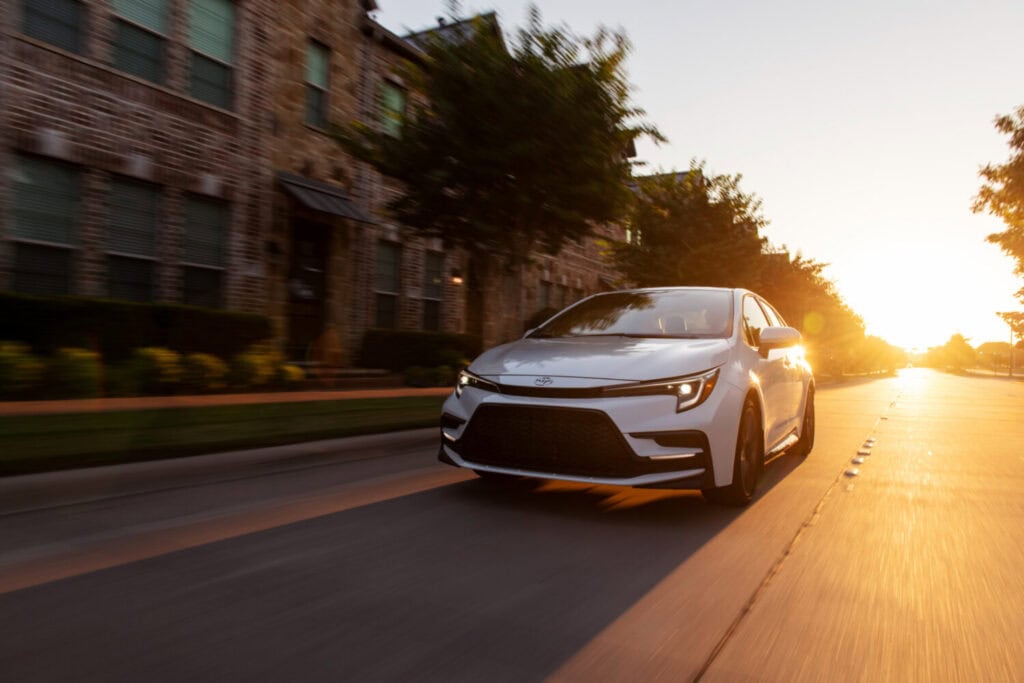
Safety and condition deserve separate columns
A durability score cannot substitute for crash-test ratings. NHTSA assesses safety performance, while the IIHS evaluations provide another set of tests and award criteria. Check the exact year and applicable equipment rather than assuming that a favorable result belongs to every vehicle sharing the model name.
You may also enjoy: 2026 Honda Civic Review: Hybrid Is the Smart Buy
For a used example, verify open recalls with its VIN and review evidence that required work was completed. Then follow the FTC’s advice on an independent inspection. A mechanic examining the actual car can identify concerns that a model-wide percentage will never reveal.
Service documentation should influence what you are willing to pay. Check whether maintenance followed the manufacturer’s requirements, and ask the inspector about upcoming expenses. A modest purchase price can lose its advantage quickly when several deferred jobs arrive together.
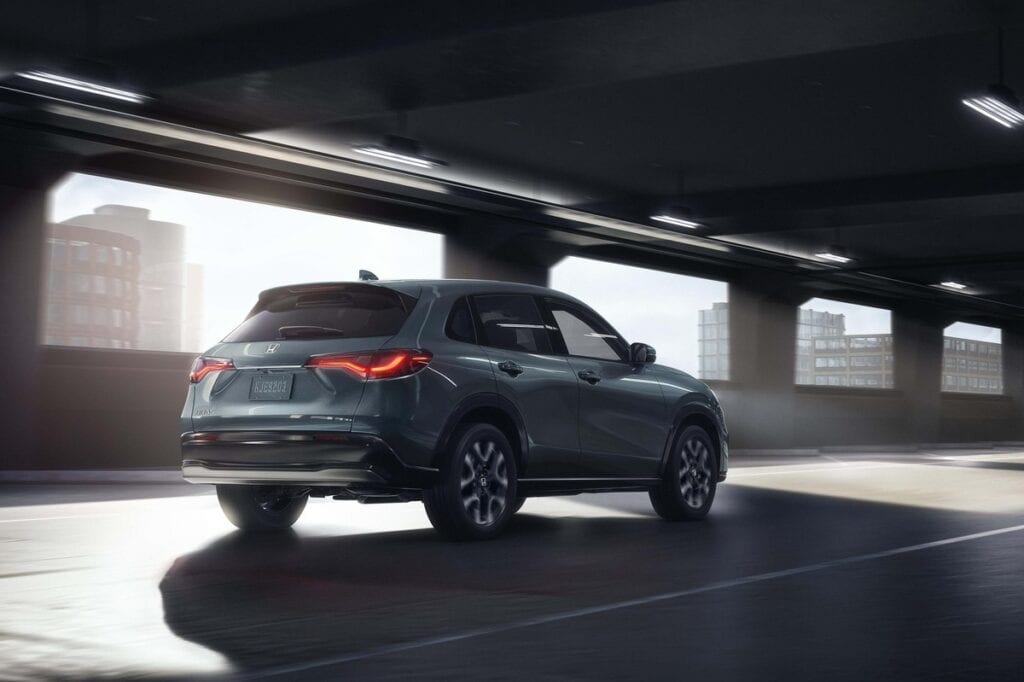
Buy for the miles you will actually drive
Two hundred thousand miles takes approximately 13.3 years at 15,000 miles annually, or 20 years at 10,000. Those calculations explain why the email’s reference to 12–13 years should not be treated as a universal ownership timeline. Mileage and age introduce different demands, and many buyers will replace a car before either becomes decisive.
You may also enjoy: Hyundai Affordability: Planning Cars Buyers Can Pay For
The useful question is how to obtain dependable transportation within your household budget for the period you expect to own it. That may favor a simpler, cheaper specification, a more efficient powertrain or a carefully inspected used car. None of those choices can be made responsibly from the longevity column alone.
The HR-V deserves consideration on this evidence. Buying it solely because of a 54.7% prediction would give that figure too much authority. Choose the configuration you can afford to purchase, operate and maintain, with room in the budget for repairs. A car’s long life becomes valuable when you can comfortably live with it.