Toyota Tacoma Lassen: Robots Build Custom Truck in 21 Days
The Toyota Tacoma Lassen uses AI-driven robots to create custom metal bodywork in three weeks, offering a glimpse of more personalized pickups.
LOS ANGELES — The next big change in automotive customization might not come from a new engine, battery or touchscreen. It could come from a pair of industrial robots shaping metal into something no dealership currently offers.
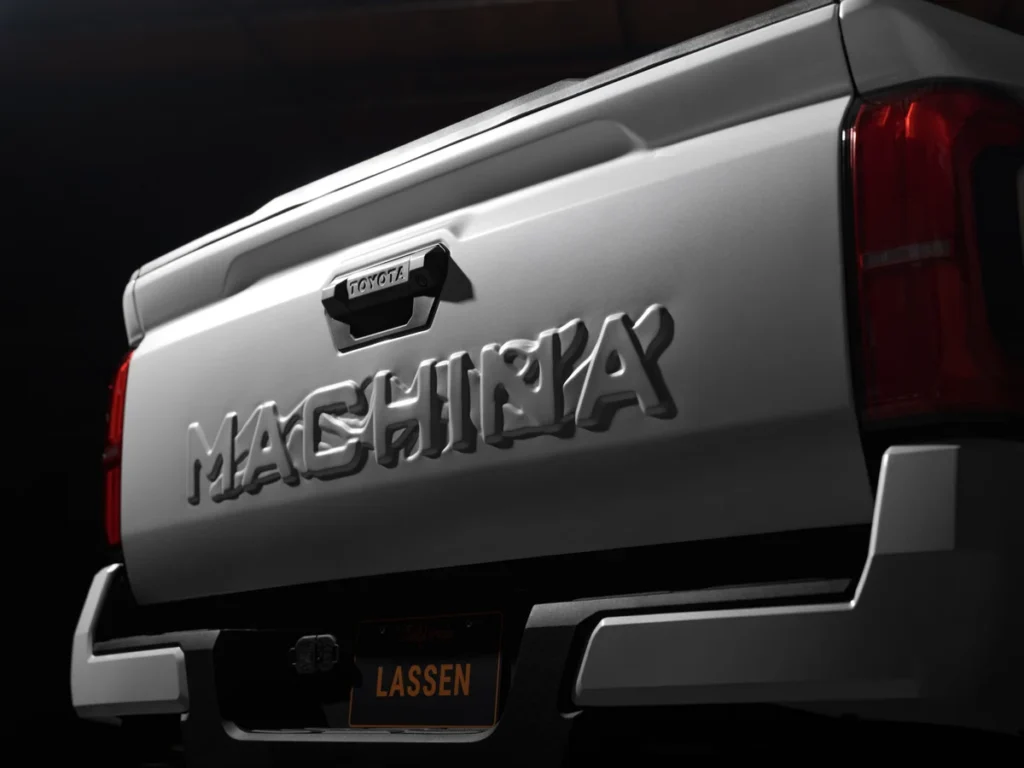
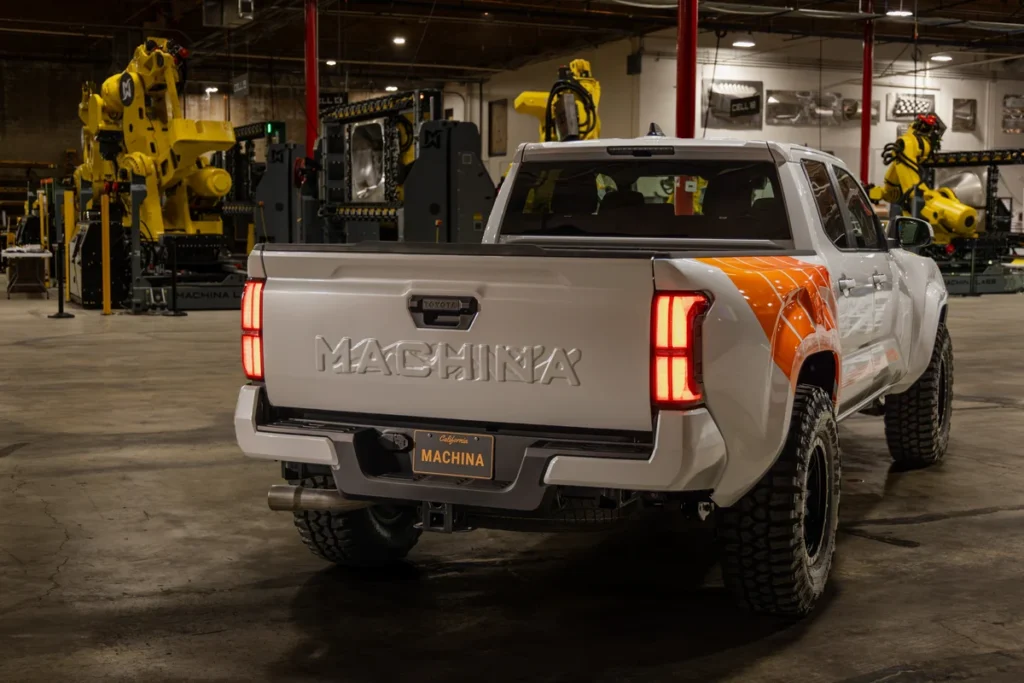
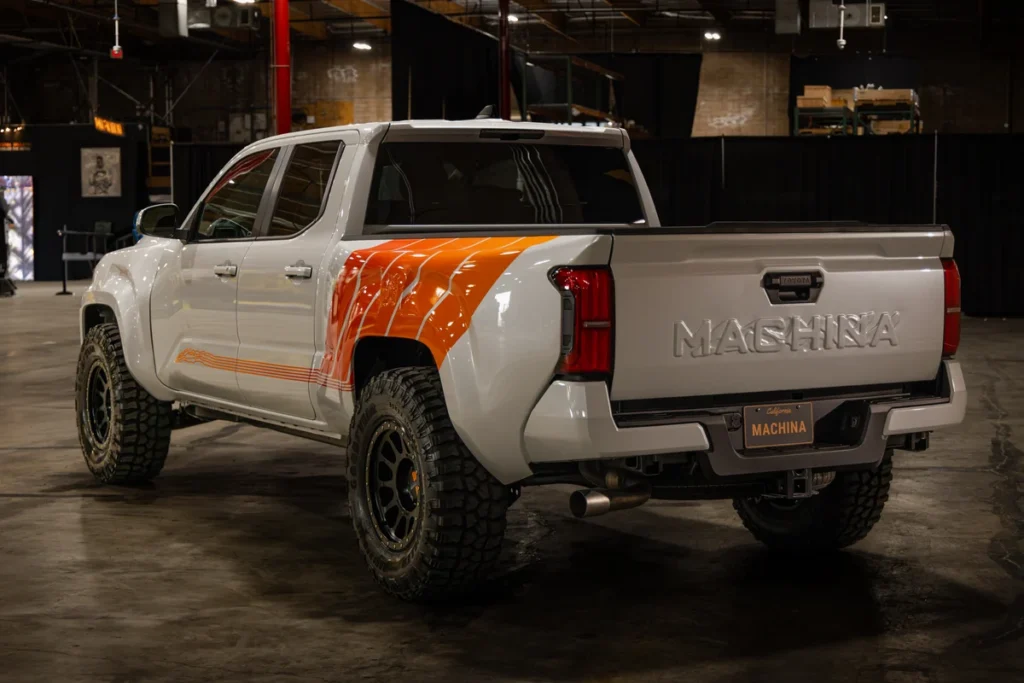
California-based Machina Labs has introduced the Toyota Tacoma Lassen, a highly customized pickup created with British automotive design company CALLUM. The project demonstrates how artificial intelligence and robotic metal forming could help manufacturers produce unusual body designs without investing in conventional stamping dies for every variation.
According to Machina’s official announcement, the Lassen progressed from digital design to a fully personalized body in just three weeks. That timeframe refers to the customized bodywork, not construction of an entire truck from scratch.
You may also like:
What Makes the Toyota Tacoma Lassen Different?
The Lassen begins with Toyota’s familiar midsize pickup platform. CALLUM, the design house co-founded by former Jaguar design chief Ian Callum, developed a distinctive exterior inspired by California’s Lassen Volcanic National Park.
Its unusual metal surfaces reflect the park’s rugged contours. According to the National Park Service’s geological research, Lassen contains four principal volcanic types, including shield volcanoes, composite volcanoes, cinder cones and lava domes.
The design is more than decorative graphics. Custom metal panels and sculpted surfaces give the Tacoma a substantially different appearance while retaining its existing vehicle architecture. That approach offers an intriguing possibility for manufacturers wanting special editions without engineering completely new vehicles.
You may also enjoy: 2027 Toyota Tacoma Review: Start With the SR5
How Robots Manufacture Custom Metal Panels
Conventional automotive stamping is extraordinarily efficient at producing thousands of identical components. Large presses force sheet metal into dedicated dies, creating repeatable shapes at enormous volumes. The challenge is the cost and time required to manufacture new tools when designers want a different shape.
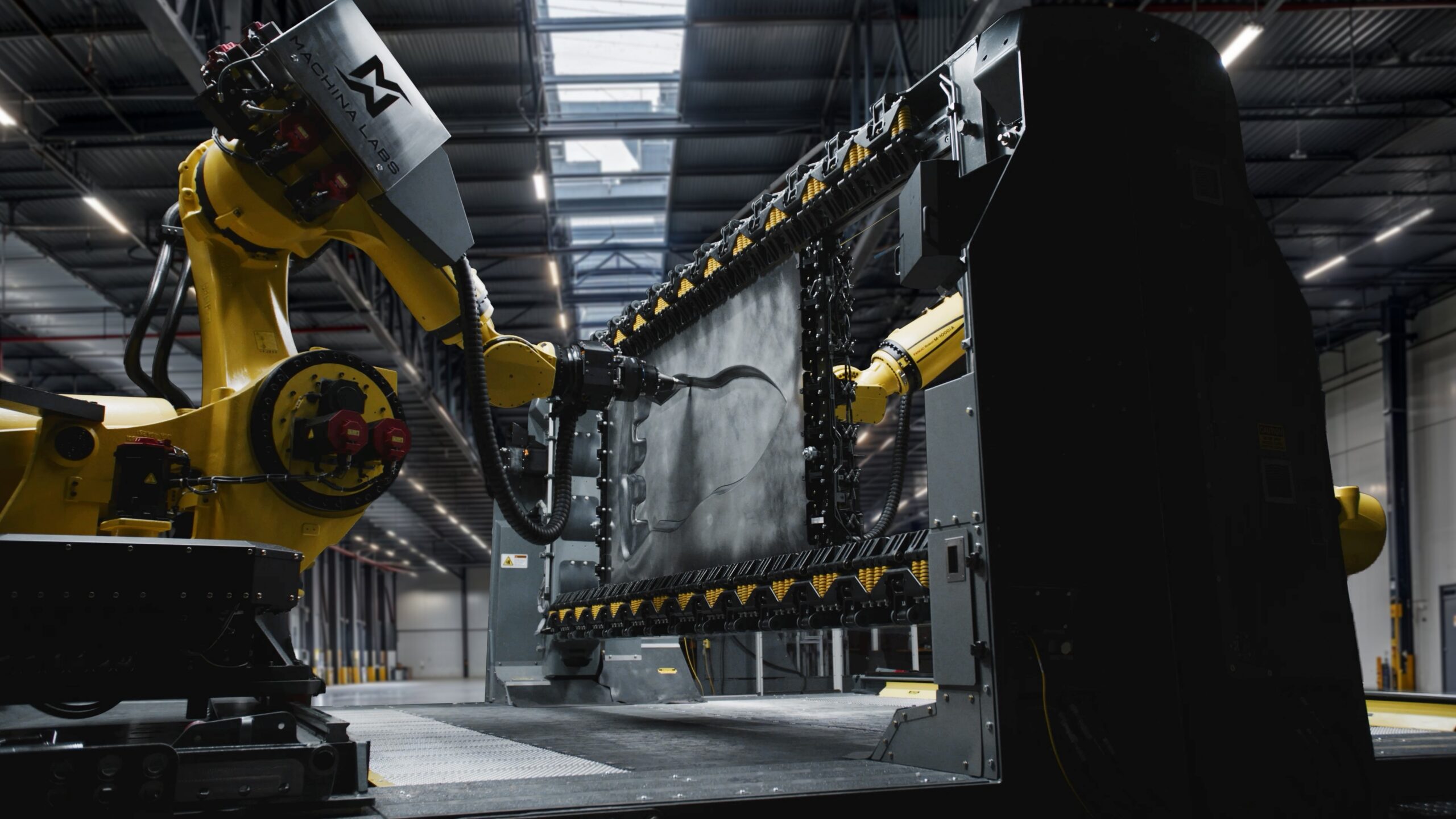
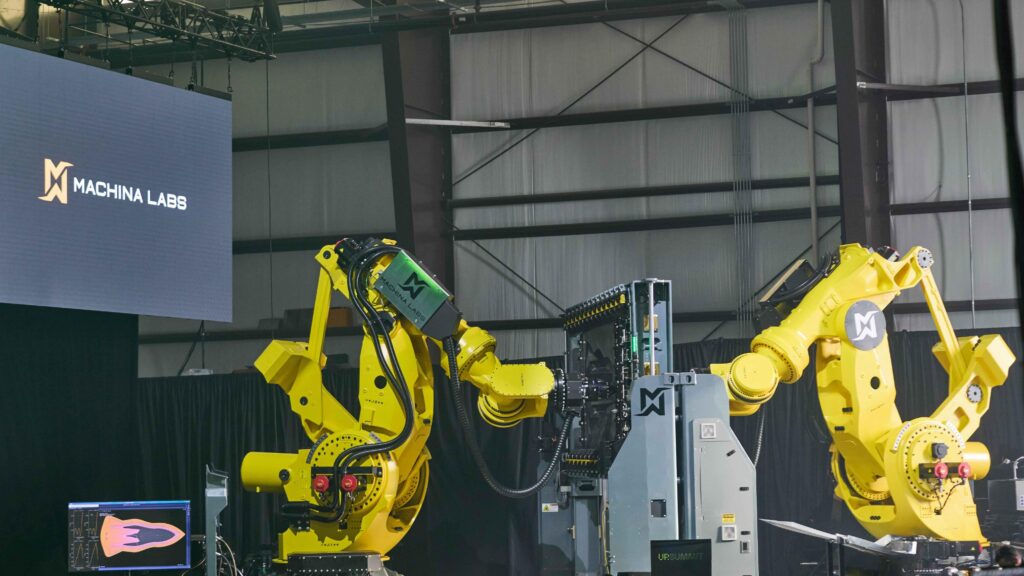
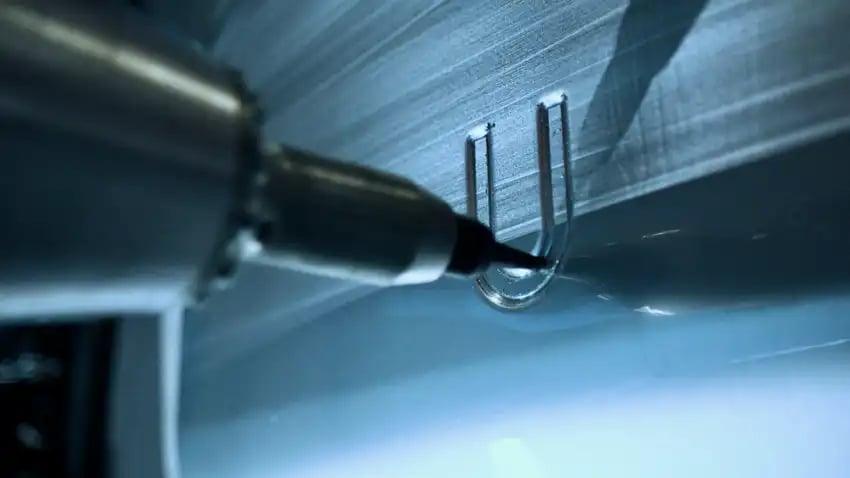
Machina uses its RoboCraftsman manufacturing platform and proprietary RoboForming process to approach the problem differently. Industrial robotic arms progressively manipulate metal according to a computer-generated design.
The process belongs to the broader family of incremental sheet-metal forming techniques. The National Institute of Standards and Technology has researched how these methods can produce complex shapes and why maintaining dimensional accuracy remains an engineering challenge.
Machina’s system combines robotic movement, forming tools and software-driven control. Its published manufacturing capabilities also describe laser scanning, trimming and drilling operations.
For automakers, the appeal is flexibility. Changing the digital design may be considerably easier than commissioning another set of stamping dies. However, the time and cost advantages will vary with the material, component complexity and production quantity.
You may also enjoy: Inside Toyota’s $1.8B Factory of the Future That Can Build Anything
What Artificial Intelligence Actually Does
AI isn’t magically turning a pickup into a different vehicle. Its role is helping robotic manufacturing systems control complicated physical operations.
When metal is bent or stretched, it can deform differently from the intended digital design. Springback, tool pressure and material characteristics can affect the finished panel. Software can use measurement data to identify errors and adjust subsequent operations.
Machina incorporates robotic scanning and AI-driven process control to help manage those variables. The concept connects to what the NIST Digital Thread for Manufacturing program describes: maintaining connected product information between design, manufacturing and inspection.
That is useful because a beautiful digital rendering means very little if the finished metal panel doesn’t fit the vehicle. Consistent dimensions matter for assembly, panel gaps, durability and manufacturing repeatability.
There are limits. AI assistance does not independently establish that every component meets production requirements. Physical inspection, process validation and quality assurance remain essential.
You may also enjoy: AI in Cars Is Getting Clever. Can We Trust Its Judgment?
Why Three Weeks Matters for Automakers
Machina says the Lassen’s customized body moved from digital design to completed form in approximately 21 days. Ian Callum described that turnaround as exceptionally fast for producing a finished, production-grade panel.
The important comparison is with conventional tooling development, which can require lengthy engineering and fabrication work before a newly designed component reaches production.
However, producing one demonstration vehicle is different from manufacturing hundreds of consistent, road-ready examples. The company has not supplied independently verified mass-production costs or long-term durability results for the Lassen.
The NIST overview of digital manufacturing explains how robotics, digital information and connected manufacturing systems can increase industrial flexibility. Machina is applying those principles specifically to metal forming.
You may also enjoy: Toyota and Mazda Just Built Their Millionth Car Together. I Went Inside Their American Factories.
Could This Make Personalized Pickups More Affordable?
Potentially, particularly when production numbers are small. A manufacturer building hundreds of thousands of identical fenders can spread expensive tooling costs across an enormous production run. A company producing 50 specialized trucks cannot.
Removing some dedicated tooling requirements could make low-volume customization financially more practical. It could also help specialist manufacturers build replacement panels, prototype components and short-run vehicle designs.
That does not automatically mean cheaper body panels for everyone. Robotic equipment, engineering, production time, finishing and inspection still cost money. Conventional stamping will likely retain substantial advantages when manufacturing huge quantities of identical components.
There is also an important safety consideration. Changing vehicle bodywork can affect systems and structures beyond appearance. The National Highway Traffic Safety Administration explains how federal safety requirements apply to vehicle modifications, including restrictions on making required safety equipment inoperative.
Before customized metal panels become mainstream accessories, manufacturers will need to establish appropriate fit, safety compliance, quality and long-term durability.
You may also enjoy: 2026 Toyota Tacoma Review: Which Trim Is Right for You?
Machina Rebellis Wants to Change Small-Batch Manufacturing
The Lassen introduces Machina Rebellis, a dedicated automotive business serving original equipment manufacturers, specialty builders and aftermarket companies.
Its proposed applications include special editions, prototypes, customized vehicles and certain replacement components. Machina also envisions deployable manufacturing systems, called Edge Factories, operating closer to established assembly plants after successful qualification.
The opportunity is especially interesting for the American aftermarket, where customers already spend heavily on distinctive trucks. Robotic forming could eventually expand customization beyond bolt-on accessories and conventional body kits.
Machina will also need to demonstrate safe, repeatable factory operation. The Occupational Safety and Health Administration’s robotics guidance explains the workplace hazards associated with industrial robotic systems and the importance of appropriate safeguards during operation and maintenance.

Can You Buy the Toyota Tacoma Lassen?
Not yet. As of November 20, 2026, the Lassen is a demonstration vehicle, not a confirmed Toyota production model. Machina has not announced an official retail price, dealership ordering program or confirmed customer delivery schedule.
The truck is scheduled for display at the 2026 Los Angeles Auto Show, running November 20–29. Its principal purpose is to demonstrate manufacturing capability rather than announce another Tacoma trim level.
The bigger significance lies in what happens after the show. If Machina can prove consistent component quality, sensible production economics and commercially viable manufacturing volumes, specialist automakers could gain a useful alternative to traditional tooling.
The Test Miles Take
The automotive industry has spent more than a century learning how to manufacture millions of vehicles with remarkable consistency. The Lassen explores a different question: can manufacturers make something genuinely individual without paying the full price of traditional bespoke fabrication?
There is considerable work between a successful demonstration and a product customers can order. The three-week development claim is impressive, but it doesn’t answer questions about safety, durability or production cost.
Still, the idea is appealing. Instead of choosing between six wheel designs and calling that personalization, buyers might eventually choose the actual shape of their vehicle’s metal bodywork.
And if you’ve ever struggled to identify your pickup among a parking lot full of nearly identical trucks, that’s a manufacturing development worth watching.