Hyundai Santa Fe XRT: Is the Off-Road Upgrade Worth It?
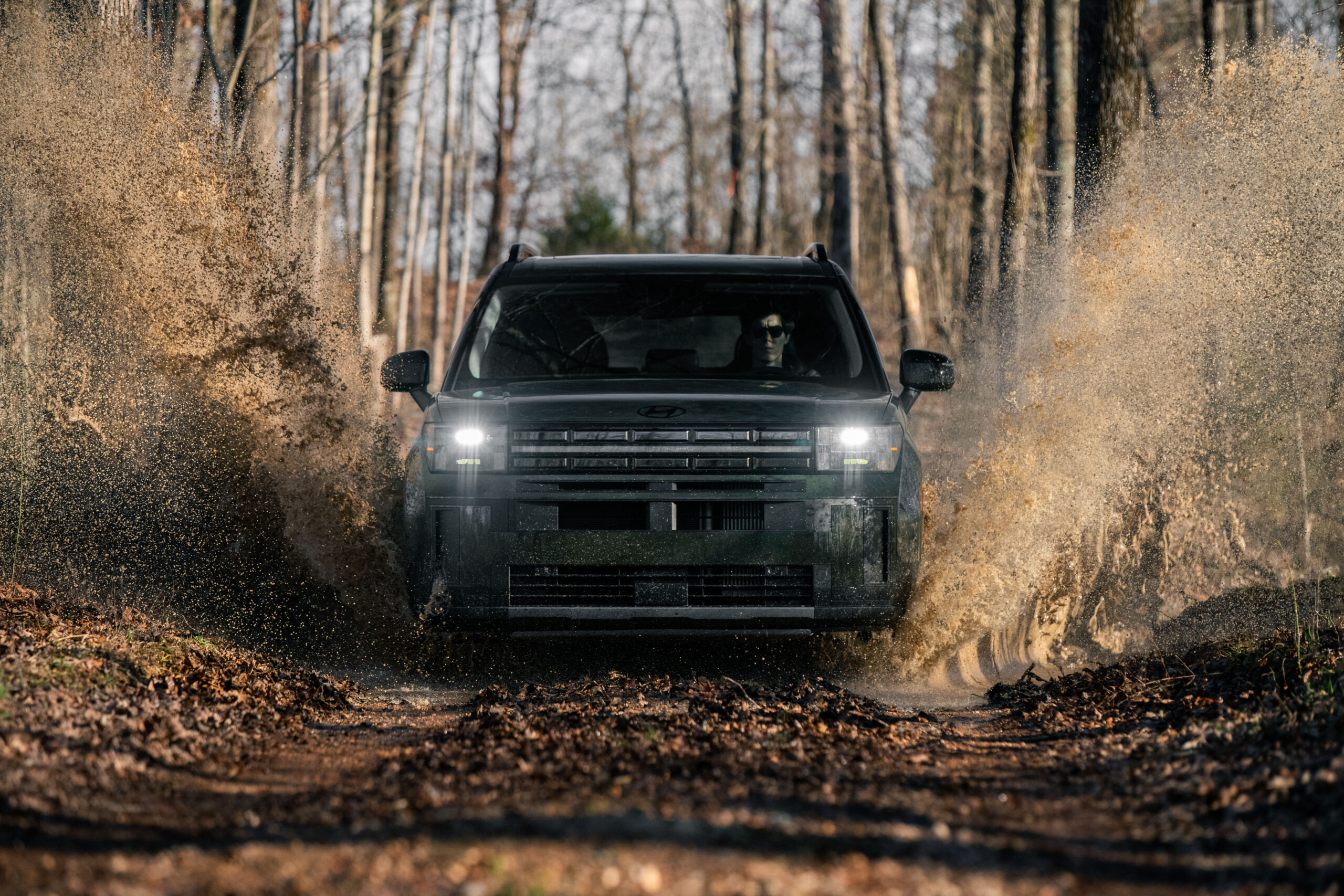
The 2027 Hyundai Santa Fe XRT adds clearance, all-terrain tires and extra towing ability, but families should weigh its everyday compromises.
By Nik J. Miles
Rugged family SUVs have become the automotive equivalent of wearing hiking boots to the supermarket. Sometimes the equipment earns its keep. Sometimes the most demanding obstacle is a badly positioned shopping cart. The 2027 Hyundai Santa Fe XRT offers a useful way to separate the two: look underneath the styling, then decide whether its extra capability matches your weekends.
My recommendation is straightforward. Consider the XRT if rough access roads and a heavier trailer regularly feature in your plans. Start with the SEL AWD if your outdoor life mostly involves maintained roads. Families prioritizing fuel costs should also investigate the separately offered hybrid.
You may also like this video:
What the Hyundai Santa Fe XRT Actually Adds
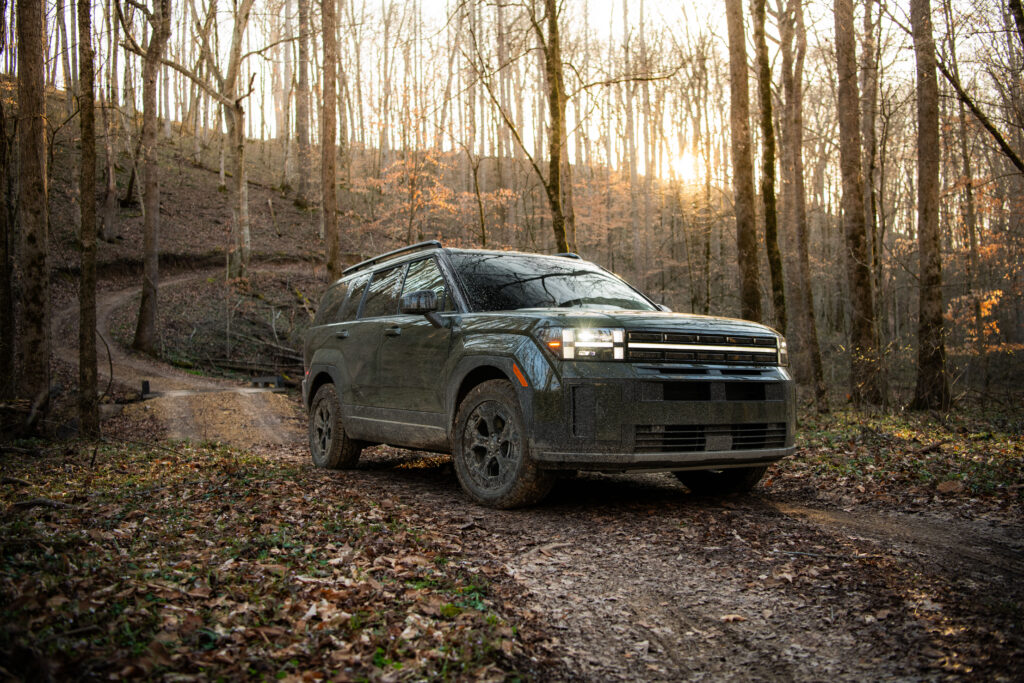
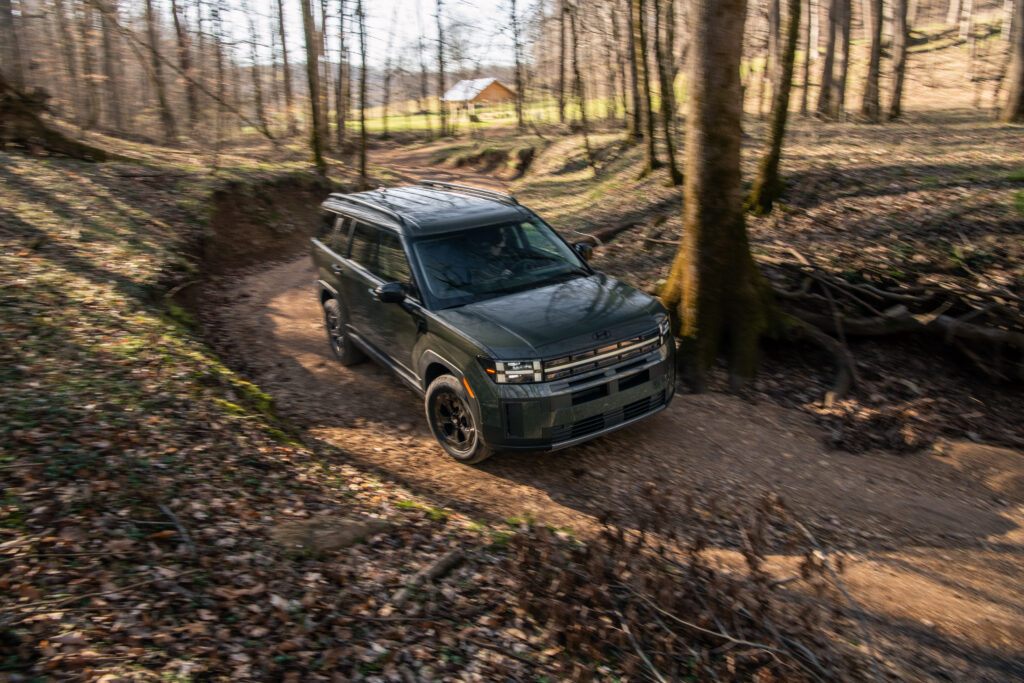
According to Hyundai’s 2027 specifications, minimum ground clearance increases from 7.0 inches to 8.3 inches. Standard HTRAC all-wheel drive and 245/60R18 all-terrain tires give the XRT meaningful equipment beyond black trim. The additional clearance creates more room over ruts and uneven entrances, although it cannot eliminate the possibility of grounding the vehicle.
Those tires matter because every traction system depends on contact with the surface. Check pressures and condition using NHTSA’s tire guidance, and follow the vehicle’s recommended pressures. An adventurous tread pattern does not excuse neglect. Rocks, regrettably, do not read the brochure.
You may also enjoy: 2026 Hyundai Santa Fe Review: The SEL Is the Smart Buy
Terrain Modes Help, but Wheel Placement Still Matters
Snow, Mud and Sand settings change how the vehicle manages traction. Hyundai’s technical documentation describes different front-to-rear torque-distribution strategies for those conditions. Select the appropriate mode before entering difficult terrain, then proceed slowly enough to judge the ground. Electronics help use available grip; they cannot create it.
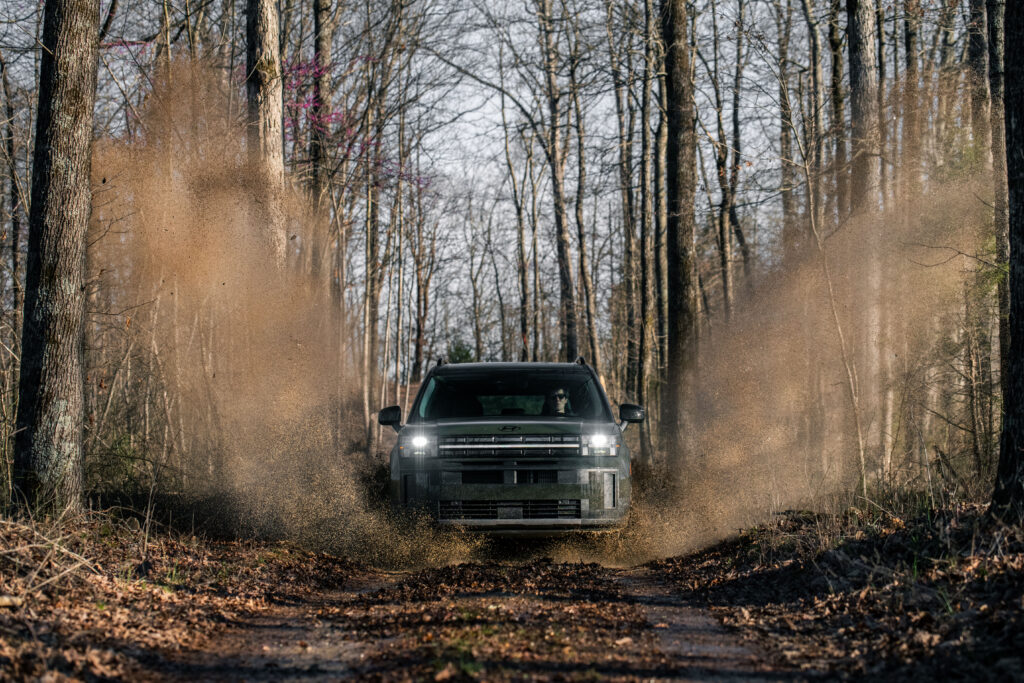
Clearance beneath the middle is only part of the calculation. The nose needs room when approaching a slope, the rear needs room when leaving it, and a sharp crest can catch the underbody between the axles. Careful wheel placement is more useful than speed. A dramatic splash makes an excellent photograph and a remarkably poor capability assessment.
For shoppers, the sensible target is access to a rough campsite or trailhead within the vehicle’s limits. Do not assume an XRT badge makes different Hyundai models mechanically interchangeable. Compare the actual hardware, tire specification and owner’s-manual restrictions on each vehicle.
Seven Seats, With a Packing Compromise
The XRT has seven seats and a second-row bench. Hyundai lists 14.6 cubic feet of cargo space behind the third row, 40.5 behind the second and 79.6 behind the front seats. Those figures explain why seating plans matter: carrying everybody and carrying everybody’s camping equipment are different assignments.
Bring your largest crate, stroller or equipment case to the dealership. Check the loading opening and the space remaining with the seats you actually need occupied. As a dog owner, I consider folding seats essential equipment. The dogs regard them as an opening offer. A secured crate or suitable restraint, plus a ramp where appropriate, deserves the same attention as cargo volume.
You may also enjoy: 2026 Hyundai Tucson PHEV Review: Smart Buy Before Redesign?
There is an important trim distinction here. XRT includes heated front seats and H-Tex upholstery, but ventilated front seats and second-row captain’s chairs belong elsewhere in the range. Buyers wanting those features should compare Limited configurations rather than assume the outdoor trim includes every cabin upgrade.
Useful Technology, and One Missing Camera
Dual wireless phone chargers, wireless Apple CarPlay and Android Auto, and onboard navigation make a practical technology package. The center storage compartment opens from either direction, allowing rear passengers access without appointing the driver cabin butler. Physical controls also deserve attention during the test drive: can you operate frequently used functions comfortably?
You may also enjoy: Hyundai physical buttons: What buyers should test
The omission is a surround-view camera, available higher in the range. For a vehicle intended to negotiate awkward ground, clearer views around the wheels would be valuable. Collision-avoidance equipment remains useful, but driver assistance systems have operating limits. Around a crowded campsite, follow NHTSA’s backover prevention guidance and check around the vehicle before reversing.
Power, Towing and the Cost of Choosing XRT
The turbocharged 2.5-liter four-cylinder produces 277 horsepower and 311 pound-feet of torque through an eight-speed automatic. On a test drive, concentrate on low-speed control, seat support and tire noise. These affect the journey home long after the trail photographs have been taken.
Hyundai rates the properly equipped XRT to tow up to 4,500 pounds with trailer brakes, compared with 3,500 for other gasoline trims. The unbraked rating is only 1,650 pounds. Check the owner’s manual, loaded trailer weight, tongue weight and vehicle load limits before treating the maximum as your personal allowance.
You may also enjoy: Hyundai Santa Fe EREV: What 600 Miles Really Means
Hyundai’s pricing sheet lists $42,290 before freight and other charges, versus $39,640 for SEL AWD: a $2,650 step. Hyundai lists EPA-estimated economy of 21 mpg combined for XRT versus 23 for other gasoline AWD trims. At 12,000 annual miles, that means approximately 50 additional gallons, or about $174 at an assumed $3.50 per gallon. Actual fuel economy varies; roof cargo and aggressive acceleration can also increase consumption, as explained in these federal efficiency tips.
You may also enjoy: Hybrid Sales Rise: What Toyota and Hyundai Buyers Should Pay
For high-mileage households, a conventional hybrid merits a separate calculation. Choose XRT because its clearance, tires or towing allowance solve a recurring problem. If they do, the upgrades have a purpose. If they do not, the SEL AWD leaves money for the actual holiday, which is generally more enjoyable than financing its costume.