Hyundai driving AI in 2028: What Will Drivers Get?
Hyundai driving AI is due in a 2028 vehicle, but its Level 2+ label leaves drivers with questions about attention, updates and real-world limits.
Hyundai driving AI starts with an unanswered question
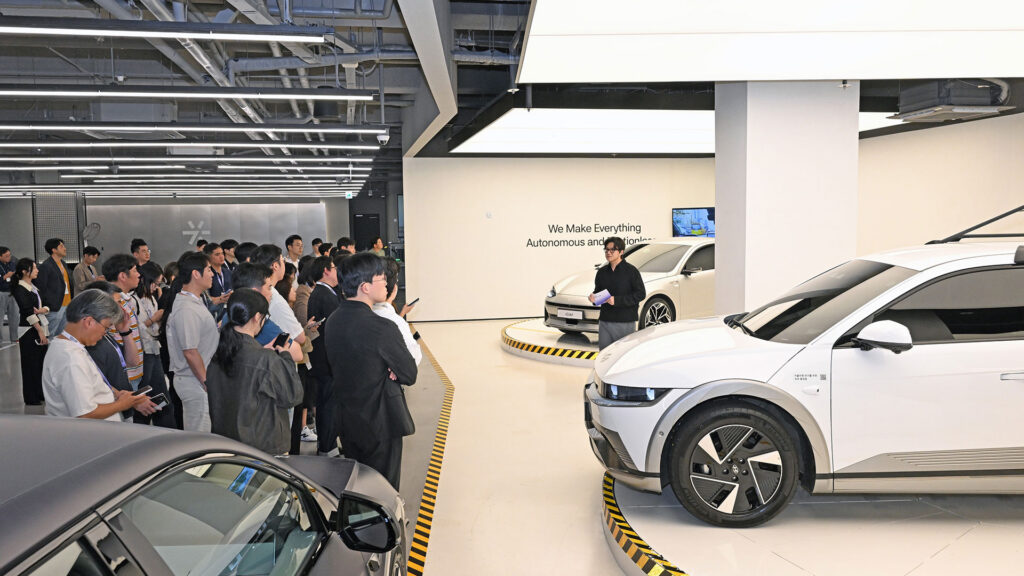
I was in the room in South Korea when Hyundai presented its Investor Day roadmap. The slide that matters most to an American driver did not show an empty driver’s seat. It put a date, 2028, on a new assistance system in Hyundai’s first mass-produced software-defined vehicle. Before anyone treats that as a buying recommendation, I want to know what happens when the road gets difficult and the system asks for help.
Hyundai says the vehicle will use technology developed with NVIDIA and describes the planned capability as Level 2+. The Level 2 part has a useful meaning: the car can assist with steering and speed at the same time, while the human remains responsible and attentive. The plus is Hyundai’s description of an intended advance, not a license to watch a film or let the car drive itself.
You may also enjoy: Hyundai’s 60% Electrified Goal Is Not an EV Goal
Hyundai has not identified the first U.S. model, confirmed whether the system will allow hands-free operation or listed the roads and conditions in which it will function. That makes any comparison with a current production rival premature. A useful launch briefing should give owners a plain-language operating guide before it gives them another brand name.
There is also the handoff problem. If assistance works well for half an hour, a driver can become less prepared for the one moment it cannot cope. I want to see how Hyundai handles that transition in rain, on badly marked roads and around roadworks. An attentive driver can recover from a limitation the car explains clearly. A surprise disengagement is a different proposition.
You may also enjoy this AI Video:
A robotaxi is not your next Hyundai
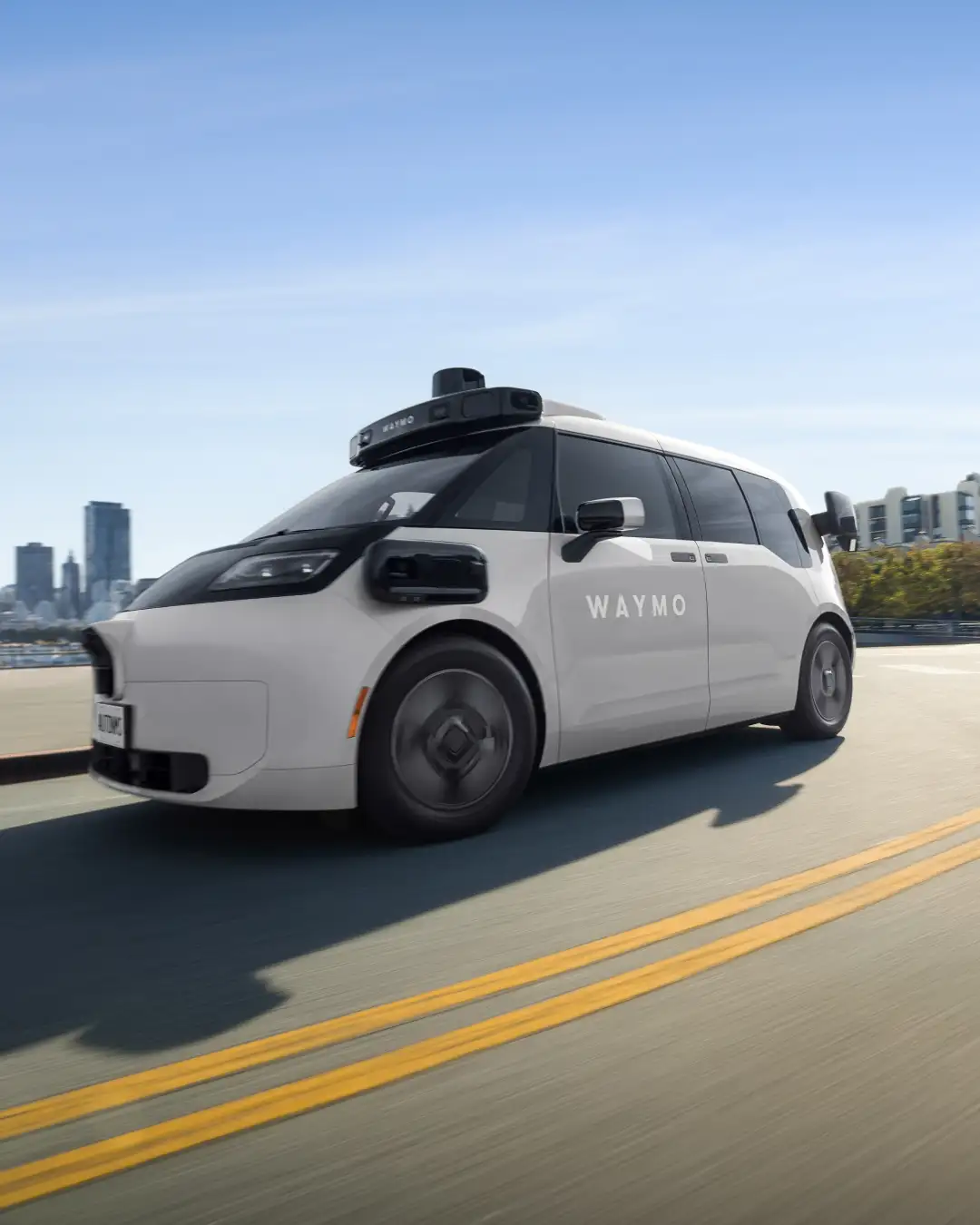
The company has another autonomy story that is easy to confuse with this one. Hyundai says its Georgia factory will begin supplying IONIQ 5 vehicles to Waymo in late 2026. Those are built for a managed commercial service using Waymo’s driving system. Hyundai’s Atria AI is its own development program for future vehicles. Success in the fleet does not establish what a private driver can safely ask a 2028 Hyundai to do.
You may also enjoy: Hyundai Waymo Robotaxi: The Factory Is the Advantage
Nor should an attractive demonstration settle the question. The IIHS safeguard ratings examine whether a partially automated car keeps its driver engaged and responds appropriately to misuse. That matters more to me than watching a vehicle negotiate one carefully chosen road. I would ask Hyundai how it detects attention, how early it warns a distracted driver and what it does if the driver fails to respond.
Today’s driver-assistance technologies already include useful features such as lane centering and automatic emergency braking. More capable software may make them work together more gracefully, but there is no substitute for specifying where they fail. Snow over lane markings, temporary construction lanes and awkward merges make better test questions than an empty motorway on a sunny afternoon.
You may also enjoy: Hyundai Robots Could Turn Dealers Into Tech Stores
The software promise needs an ownership promise
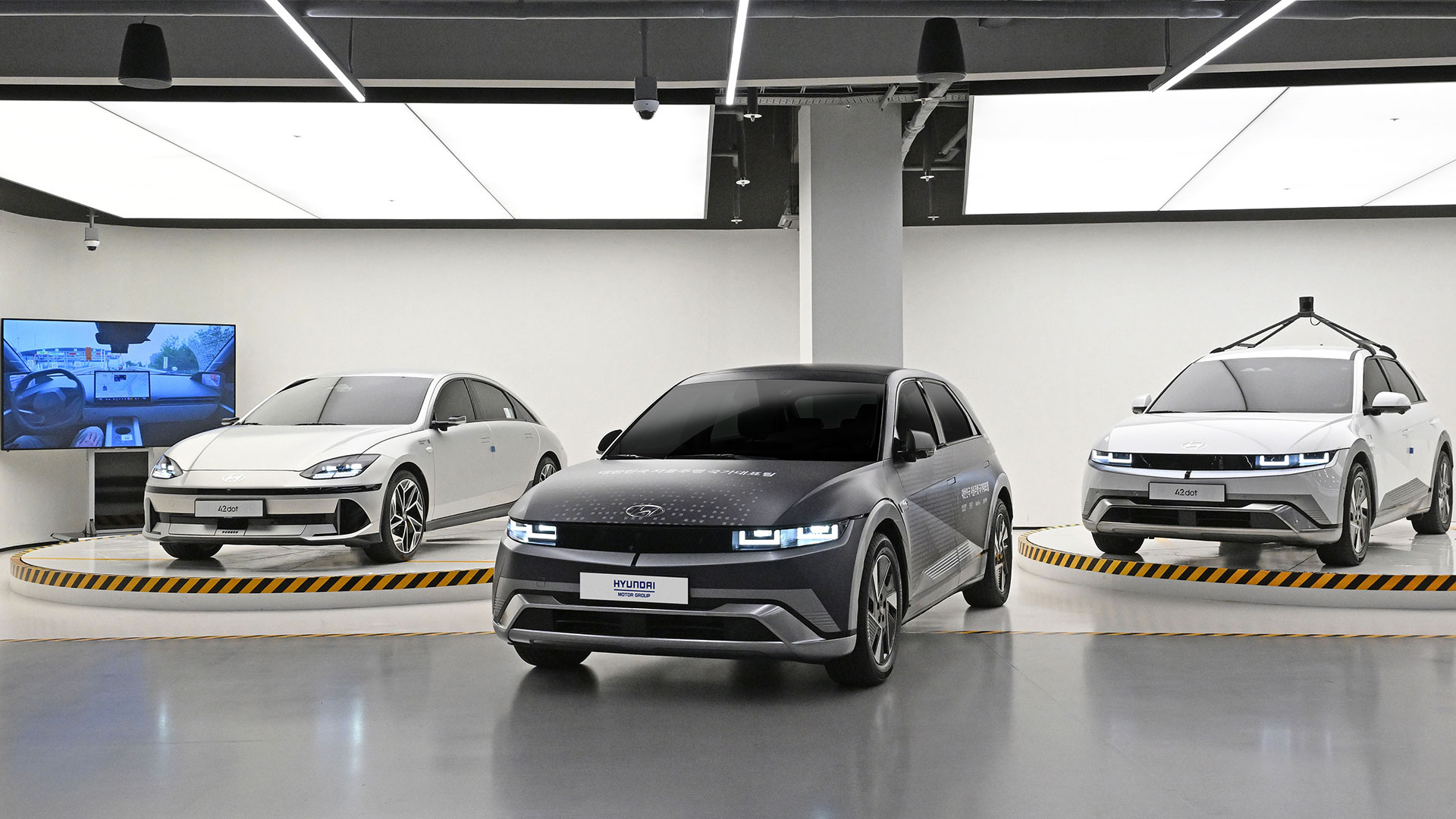
Hyundai plans to start gathering Atria AI data in Gwangju, South Korea, in 2026, concentrating on unusual road situations. It intends to standardize sensors around NVIDIA technology and use information from Hyundai, Kia, 42dot and Motional to train future systems. The planned 2028 vehicle will add more driving data. By 2029, Hyundai expects a 100-megawatt AI data center with room for more than 50,000 graphics processors to come online.
That is a serious engineering program. It is not a safety result. The AI risk framework explains why reliability and ongoing evaluation matter when artificial intelligence moves into real-world decisions. Hyundai needs to show how it checks an updated driving system before and after delivering it to owners.
You may also enjoy: Pleos Connect: What Hyundai’s New Software Gets Right
Software updates could improve a car over time, but they also create practical buying questions. How long will Hyundai provide them? Will a feature remain available if a subscription ends? What driving data will be retained, and what can an owner decline to share? The cybersecurity framework is a reminder that connected systems require continuous protection, not merely a convincing launch presentation.
Price belongs in that conversation. A clever feature that costs thousands upfront or requires a continuing payment needs to save enough effort to justify its place on the options sheet. Hyundai has provided no U.S. price or subscription terms for this planned system. Owners should also know whether an update can change the conditions under which an existing feature operates.
You may also enjoy: Hyundai Alexa Built-in: Useful or One Assistant Too Many?
My advice is to keep the 2028 date on your radar, then judge the car Hyundai actually sells. Ask for the U.S. model and price, the precise situations the assistance covers, an independent assessment of its safeguards, the owner’s continuing responsibilities and the terms for updates and data. Hyundai’s longer ambition stretches toward Level 4. Its first 2028 consumer step is Level 2+, with a human still doing the driving job. That difference is where an honest story about the technology has to begin.