Hyundai AI Data Center plans call for 50,000-plus GPUs by 2029; drivers deserve clearer answers on updates, safety, privacy and costs.
If you buy a Hyundai next year, a planned building in South Korea will not make your car drive itself. That is the first thing to remember about the company’s promise of an AI facility large enough to house more than 50,000 graphics processors. Hyundai says its 100-megawatt Saemangeum data center will come online from 2029. The more useful question for owners is which improvements, if any, will reach a vehicle they can actually buy.
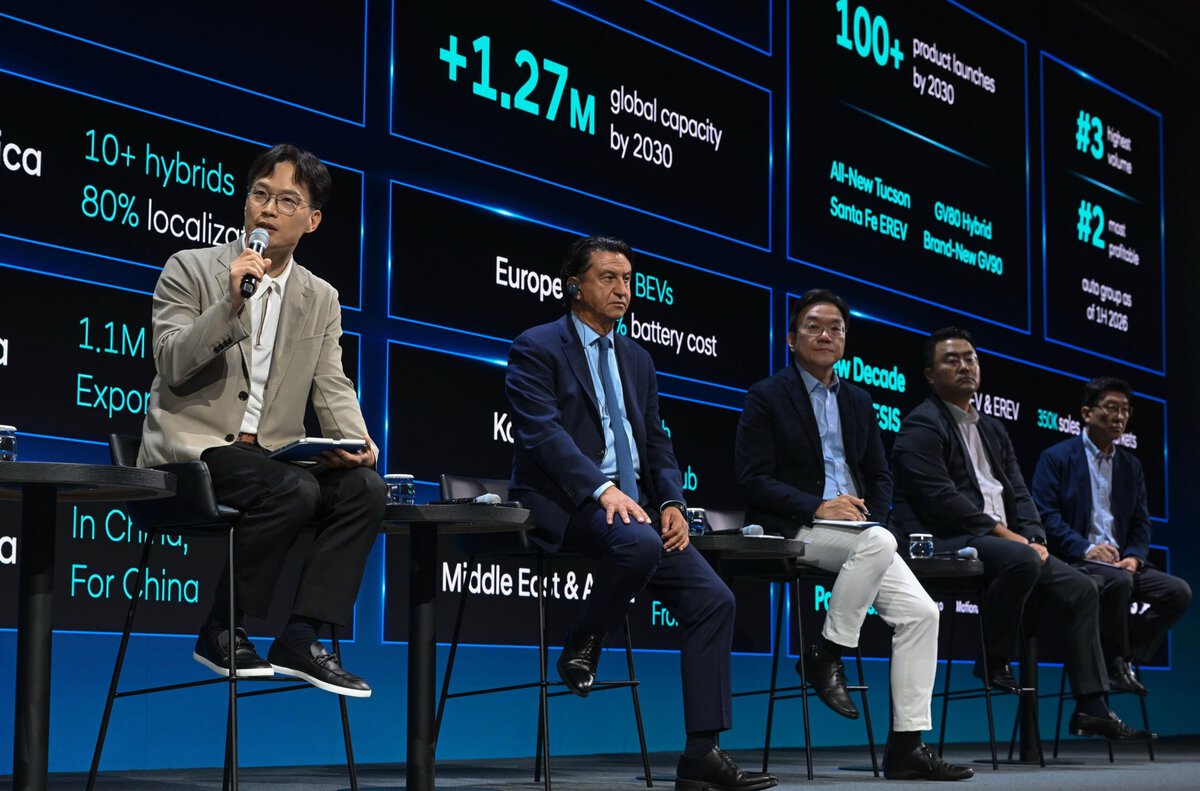
The company described this investment at its 2026 CEO Investor Day as part of a wider effort to gather information from vehicles, improve software and send updates back to the road. The plan has scale. The customer benefit still needs a delivery schedule, a supported model list and evidence that a changed feature works better.
Hyundai AI Data Center needs a customer test
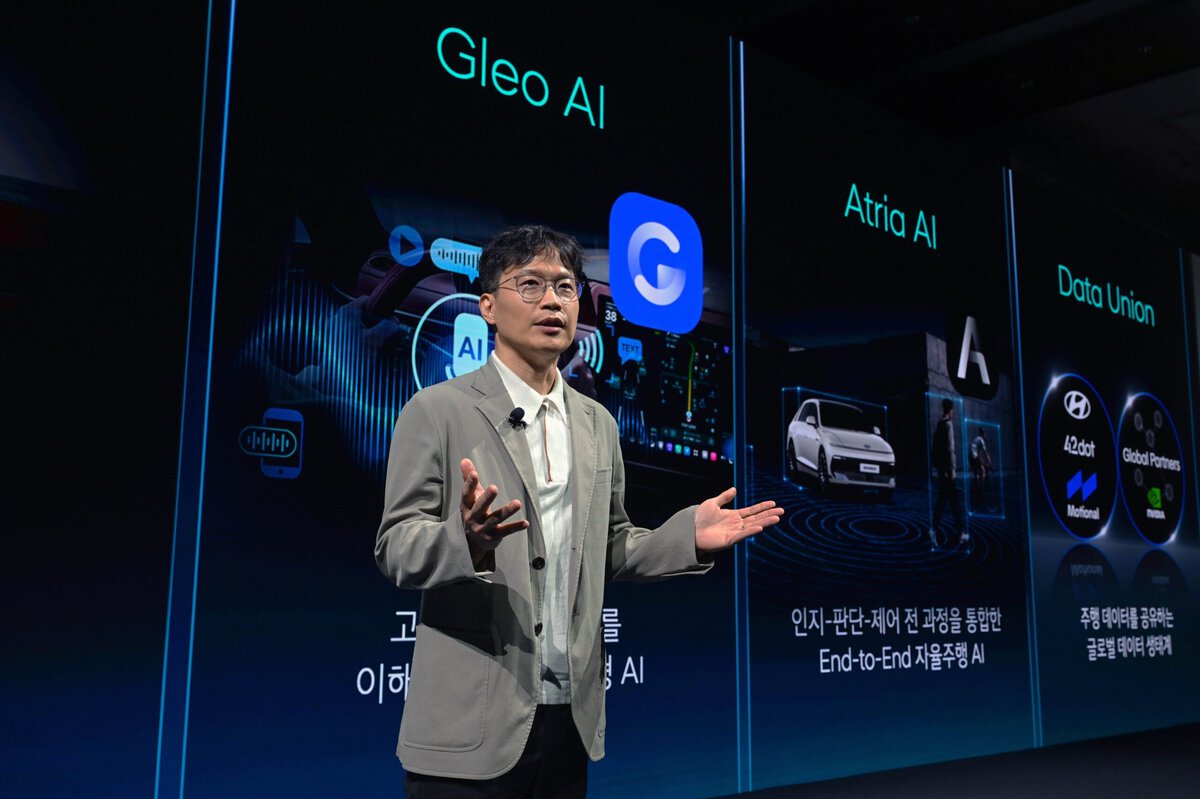
Hyundai wants to combine driving data from Hyundai, Kia, 42dot and Motional using a consistent sensor approach built around NVIDIA technology. Pooling information could help engineers encounter rare situations that one test fleet might miss. But the ability to process more examples says little by itself about whether a car will behave safely at a confusing intersection.
The distinction between training and validation matters. The National Institute of Standards and Technology’s AI risk framework emphasizes managing reliability throughout an AI system’s life. For a vehicle, I would want published evidence about the scenarios tested, how an update was checked and what drivers should do when the assistance reaches its limits. GPU counts are engineering capacity; they are not a safety score.
You may also enjoy: Hyundai Waymo Robotaxi: The Factory Is the Advantage
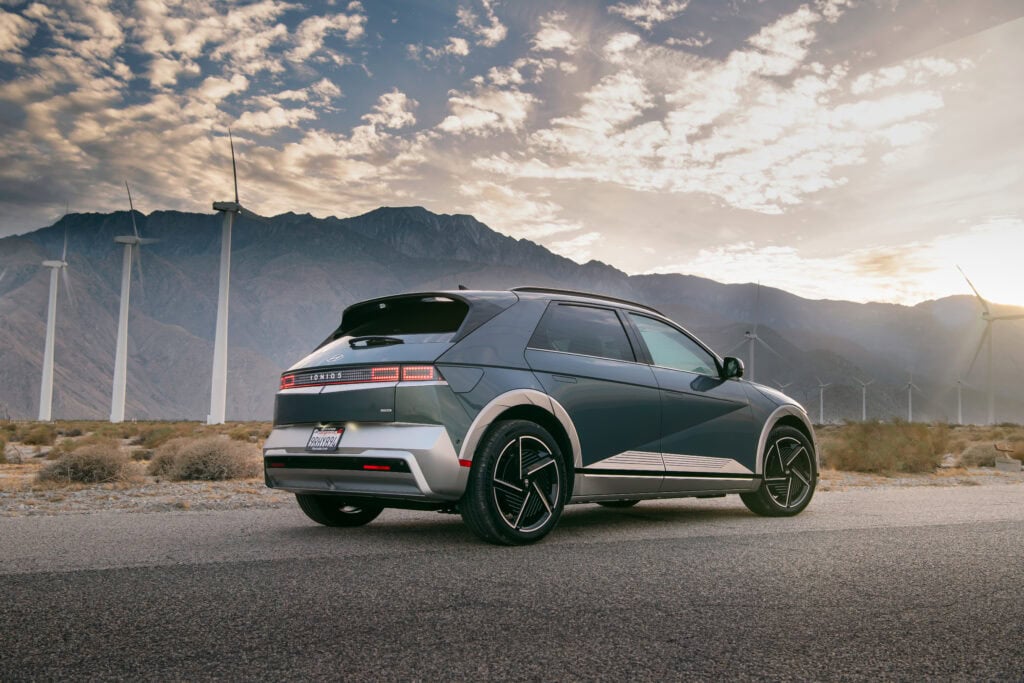
There is also a meaningful difference between Hyundai’s own consumer-vehicle ambitions and the IONIQ 5 vehicles it is supplying to Waymo. The latter are built for a separate robotaxi program whose driving system is developed and validated by Waymo. A retail IONIQ 5 owner should not assume that work can simply be downloaded into a privately owned car.
Nor does 100 megawatts tell you the center’s yearly power consumption. It describes a facility rating, while actual use depends on utilization and operating conditions. The U.S. Department of Energy’s work on data center electricity shows why large computing projects deserve scrutiny. Hyundai has not disclosed enough operating detail to quantify this project’s annual energy or water demand.
More computing cannot replace driver responsibility
Here is the sequence Hyundai has actually described: Atria AI is scheduled to start collecting difficult road cases in Gwangju in 2026; its first mass-produced software-defined vehicle with Level 2+ assistance is planned for 2028 with NVIDIA; the Saemangeum center is expected to follow from 2029. A three-year sequence of milestones is a development program, not one finished feature waiting behind a switch.
In NHTSA’s explanation of Level 2 assistance, the driver remains responsible even when the car helps with steering and speed. Hyundai uses the term Level 2+ for its planned vehicle, but that plus sign does not establish a new official automation level or transfer responsibility to the vehicle. NHTSA’s separate discussion of Level 4 automation describes a much more demanding capability within defined conditions.
You may also enjoy: Hyundai Robots Could Turn Dealers Into Tech Stores
That distinction changes how I would shop. Choose a current Hyundai for assistance that is demonstrated on the exact model and trim you are buying. Ask the salesperson to show the feature on an actual drive, including what happens when lane markings disappear. Do not pay for a present car on the expectation that Hyundai’s future computer center will turn it into a hands-free or driverless machine.
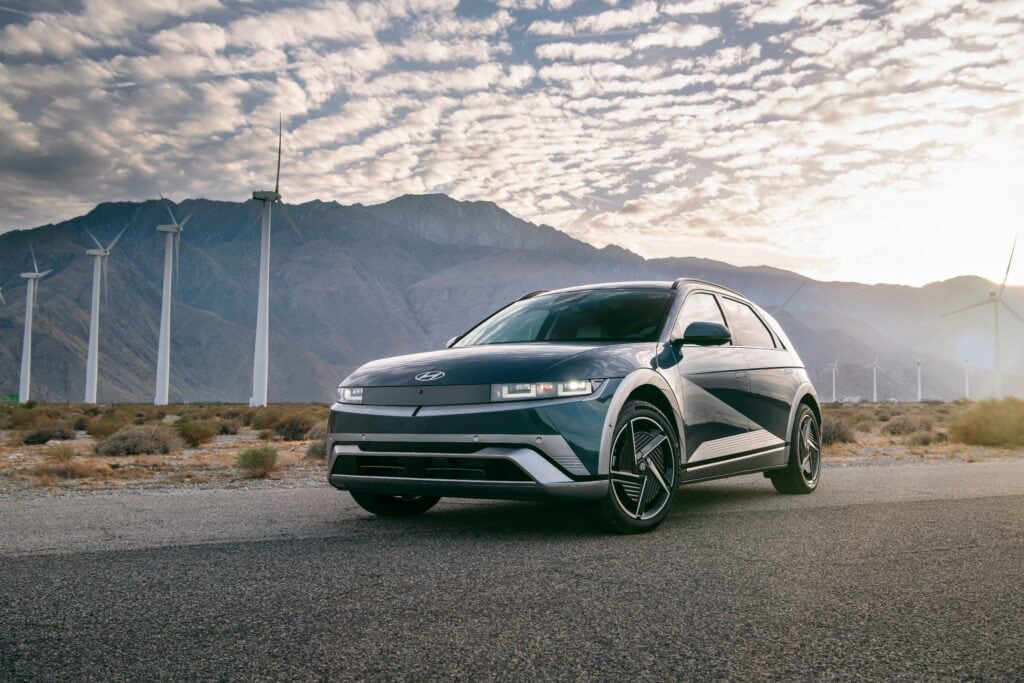
Hyundai’s first tangible ownership test may happen in the cabin rather than on the highway. Its Pleos Connect system and Gleo AI agent are meant to learn from connected vehicles and receive over-the-air changes. A clearer voice command or improved route search is easier for an owner to notice and assess than a claim about billions of training examples.
You may also enjoy: Pleos Connect: What Hyundai’s New Software Gets Right
But even a good update needs dependable delivery. NHTSA’s work on vehicle cybersecurity explains why remotely updated cars require continuing protection. Owners should ask how long security support lasts, whether an update is included, and whether a used buyer inherits the same functionality.
The questions Hyundai shoppers should bring to a dealer
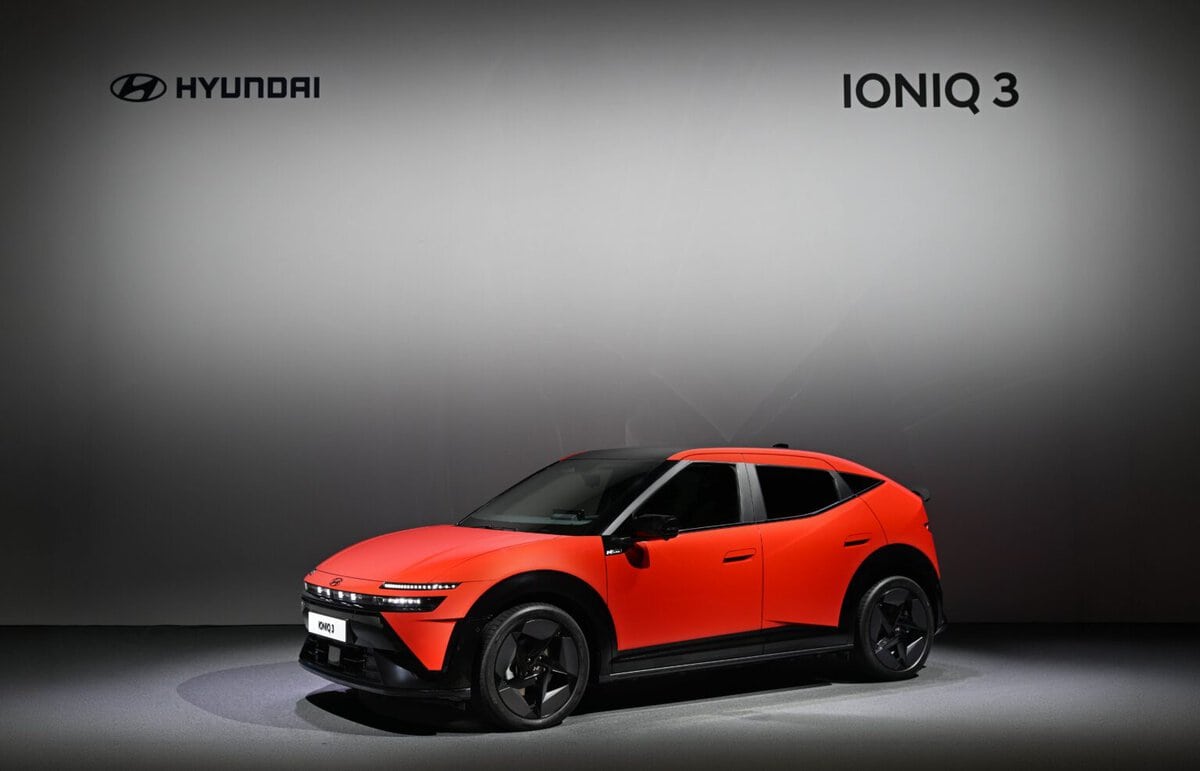
Hyundai has not named the production models that will use the proposed center’s output, promised upgrades to existing vehicles or announced a fee for data-enabled driving functions. It would be a mistake to assign a specific future capability to today’s IONIQ 3, IONIQ 5 or Tucson. The IONIQ 3 shown at Investor Day is a product announcement, not evidence that it contains Atria AI hardware or will receive this program’s features.
Data consent deserves the same attention as software support. The Federal Trade Commission’s guidance on connected-car privacy explains that a vehicle can collect sensitive information, including location. Hyundai has not provided a consumer-facing breakdown for this proposed AI center of what leaves the car, how long it stays or what features remain if a driver declines optional sharing.
You may also enjoy: Hyundai Alexa Built-in: Useful or One Assistant Too Many?
My practical checklist is simple. Before buying, identify the exact software and assistance features fitted to that vehicle today. Ask what requires connectivity, whether subscriptions or accounts are involved, and which functions still operate when coverage disappears. Request a clear explanation of data controls and whether an update can change a feature you rely on.
You may also enjoy: Can Hyundai’s Cloud Make EV Batteries Last 20% Longer?
Hyundai’s cloud-based battery management target provides a useful comparison: the company has described a possible benefit, but the measurement and eligible vehicles need explaining. The AI data center deserves the same standard. If Hyundai can show measurable improvements, durable support and sensible data choices, the giant computer room will have earned a place in the car-buying conversation. Until then, buy the capability you can test, not the capacity a future building could hold.