History of Electric Cars in America: Why They Lost
The history of electric cars in America reveals an extraordinary automotive reversal: batteries were popular before gasoline dominated, and today’s arguments sound remarkably familiar.
Here’s a rather awkward historical fact for anyone who believes Elon Musk invented the electric automobile: Americans were driving electric cars when Queen Victoria was still on the British throne.
They had electric taxis in New York in 1897. They were experimenting with exchanging batteries. By 1900, electric vehicles represented roughly one-third of the automobiles on American roads.
And then the electric car lost the biggest technological competition in automotive history.
What makes the story fascinating isn’t simply that electricity came first. It’s how thoroughly the industry changed direction, and how many of the original problems are still being discussed in American showrooms more than a century later.
You may also Enjoy this Video:
History of Electric Cars in America: The First Boom
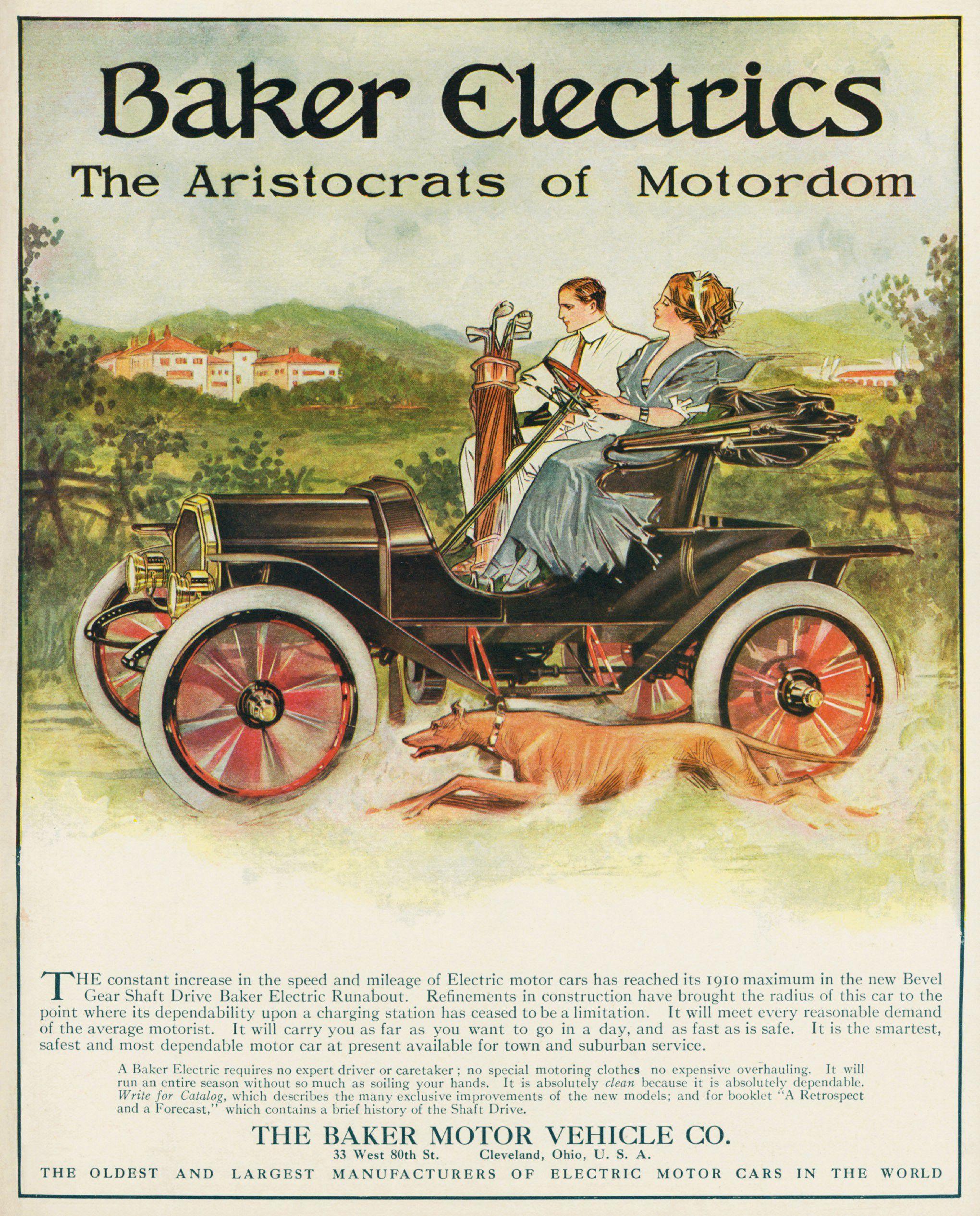
Go back to Des Moines, Iowa, around 1890. William Morrison, a chemist, had constructed an electric automobile capable of carrying six passengers at approximately 14 mph.
It looked more like a carriage than a modern car, which is hardly surprising. Horse-drawn transportation was still commonplace, and nobody had established the basic design conventions that automobiles would eventually follow.
Morrison’s achievement belongs in the same historical conversation as the early gasoline pioneers. The Department of Energy’s historical account documents how different inventors contributed to electric motoring throughout the nineteenth century.
By the following decade, electricity was an attractive alternative to both gasoline and steam.
Electric vehicles were relatively quiet, easier to operate and free of local exhaust emissions. Starting one didn’t involve wrestling with a crank on a cold morning.
For an affluent customer traveling around a city, that was rather appealing.
You may also enjoy: Tesla Cybercab: Would You Buy a Car You Can’t Drive?
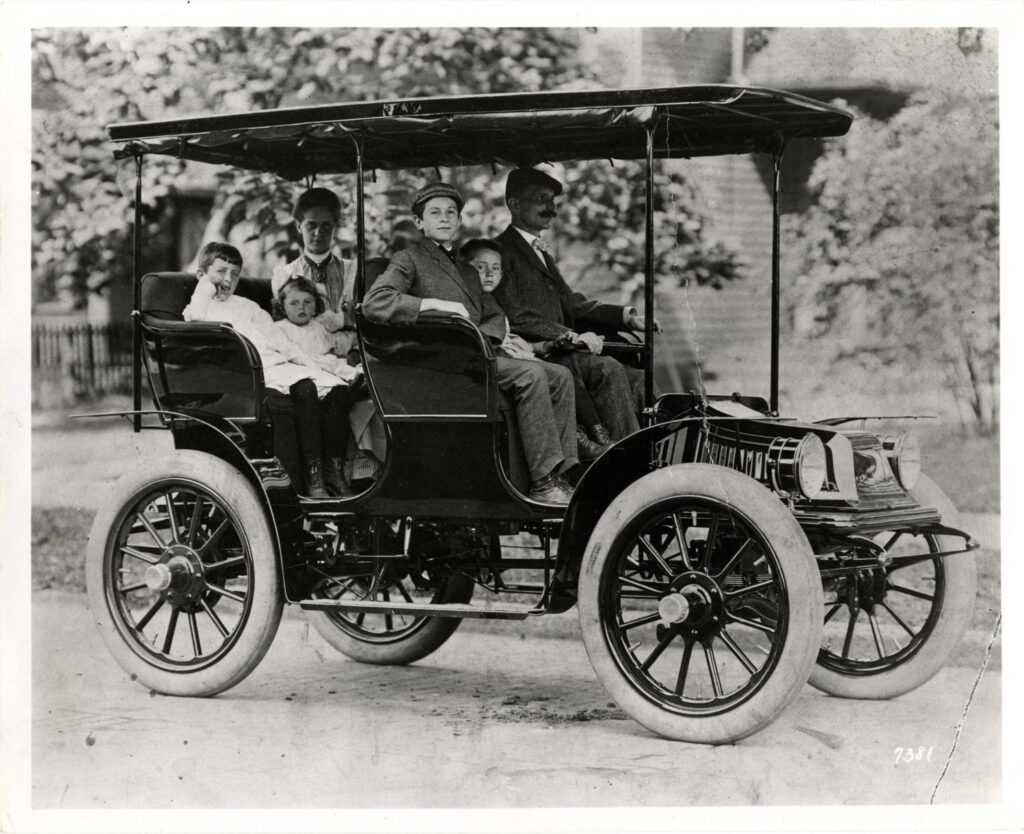
An excellent historical image showing that electric cars were practical family vehicles.
New York Had Electric Taxis Before Most Homes Had Cars
In 1897, New York was already experimenting with battery-powered taxi transportation. The vehicles offered an alternative to horses and the emerging gasoline automobile.
Some early commercial electric operations experimented with exchanging depleted batteries for charged replacements. This approach offered an obvious advantage for businesses whose vehicles needed to spend more time carrying passengers than sitting at a charging facility.
It’s worth distinguishing the historical idea from today’s automated battery-swapping systems. Early batteries were extraordinarily heavy, and moving them required substantial equipment and labor.
There was no clever smartphone application arranging the exchange while someone ordered a coffee.
Yet the underlying engineering problem was identical: how do you keep an electric vehicle working when replenishing its energy takes too long?
The Library of Congress photographic collection includes a remarkable 1919 image of an electric automobile at a charging station. It provides a visual reminder that charging infrastructure is hardly a modern invention.
Even electric road trips have historical precedents. Photographs from 1919 document a Detroit Electric automobile traveling through Washington State toward Mount Rainier.
You may also enjoy: Range Rover Electric Off-Road: Scotland’s Ultimate Test
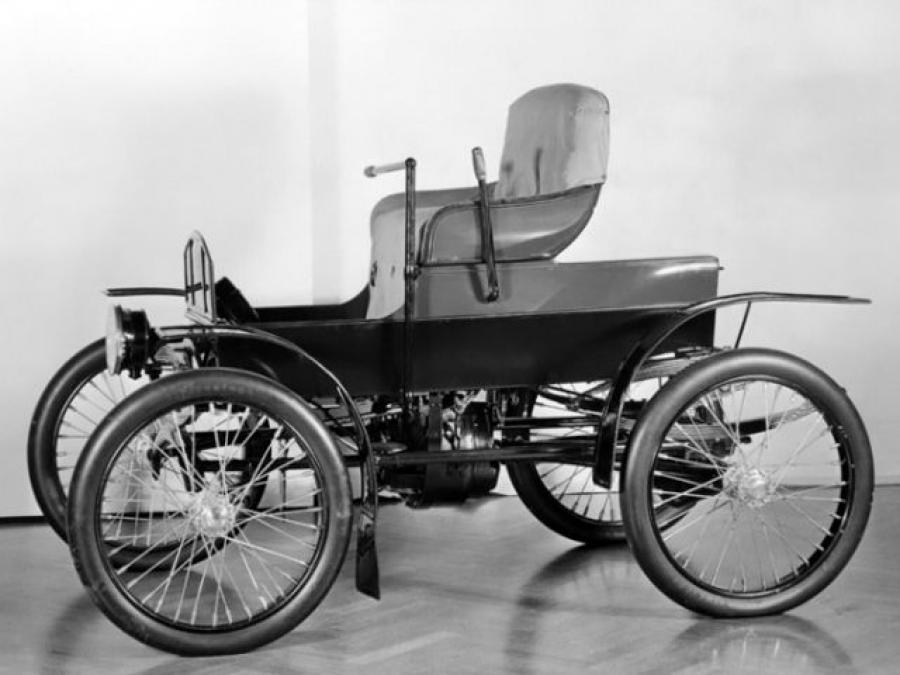
An early American EV that makes an outstanding opening or timeline photograph.
Henry Ford Didn’t Need to Destroy the Electric Car
The gasoline automobile won because it increasingly offered something electric competitors struggled to deliver: affordable, convenient transportation over long distances.
Consider the comparison in 1912. Federal historical records describe a gasoline car selling for approximately $650 while an electric roadster cost around $1,750.
That’s not a small premium for choosing different technology. The electric vehicle cost roughly 2.7 times as much.
For families trying to purchase their first automobile, the decision was hardly mysterious.
Henry Ford’s manufacturing methods helped lower gasoline-car prices, while the introduction of the electric starter removed one of the traditional engine’s more unpleasant characteristics.
And then there were the roads.
American drivers were discovering the freedom of traveling farther from home. Expanding gasoline distribution supported longer journeys, while electrical service remained limited across many rural areas.
The federal analysis of early electric vehicles identifies short driving range, performance, price and fuel availability as major factors in the industry’s decline.
Thomas Edison recognized the importance of batteries and invested effort in improving them. Even brilliant engineering could not immediately overcome the economics of a rapidly expanding transportation network.
You may also enjoy: Hybrid Car Sales Could Hit 30% by 2030. Who Wins?
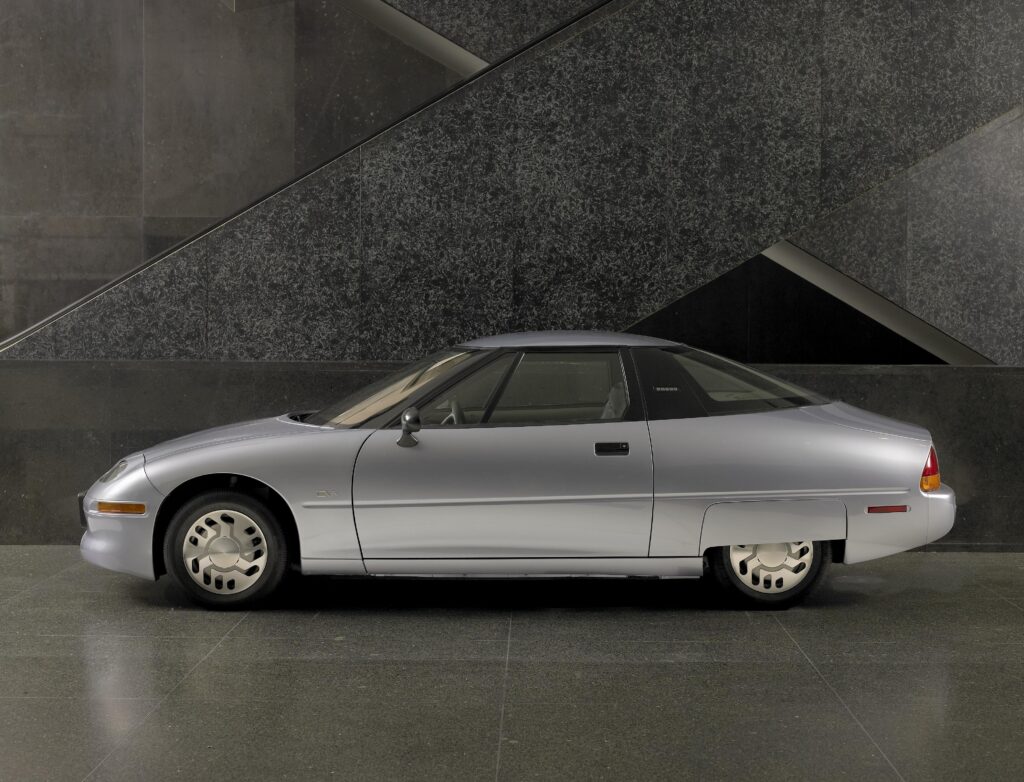
A key image for the later revival of electric vehicles in America.
The Big Difference Between 1900 and 2026
It would be tempting to say history is repeating itself. The reality is more complicated.
A modern battery-electric vehicle can offer highway performance, substantial range and the convenience of overnight home charging. The original electric automobile could compete very effectively in certain city applications, but it had far fewer options once the owner ventured beyond its available charging network.
Today, modern cars use sophisticated battery management systems, advanced power electronics and increasingly powerful public charging equipment.
The Department of Energy’s electricity and vehicle guidance explains the important distinctions among fully electric vehicles, plug-in hybrids and conventional hybrids.
Yet buyers are still asking familiar questions.
How far can I drive? Where will I recharge? How much more does the electric model cost? And what happens when I need to travel somewhere remote?
Those are sensible questions, not evidence that someone is opposed to progress.
A driver with a garage, affordable electricity and a predictable commute has very different requirements from someone who lives in an apartment and regularly drives hundreds of miles through rural America.
That distinction existed more than a century ago. It still matters.
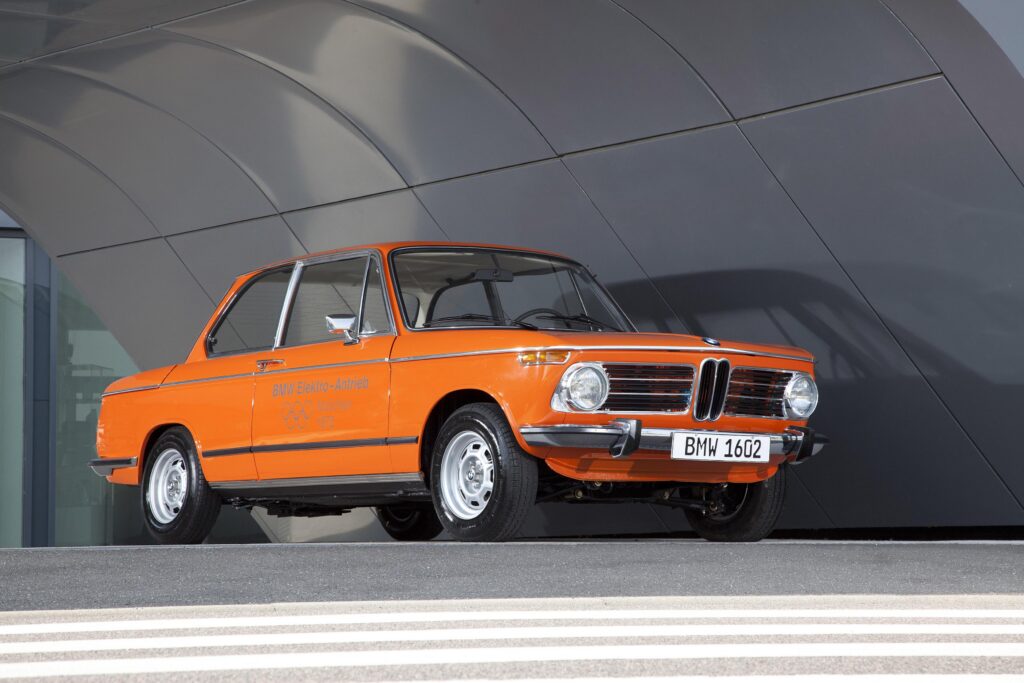
Illustrates how manufacturers continued experimenting with electric propulsion decades after the first EV era.
Why Hybrids Make This History More Interesting
There’s another wonderful historical twist. Ferdinand Porsche developed an early gasoline-electric hybrid in 1901, decades before the Toyota Prius became a household name.
The basic idea was to combine the benefits of electrical propulsion with another onboard source of energy.
Modern hybrid technology is considerably more sophisticated, but the central appeal remains familiar: reduce dependence on gasoline without surrendering the flexibility of conventional refueling.
That matters in the current American market.
Our coverage of hybrid demand has examined the possibility that electrified gasoline vehicles could attract a much broader audience than fully electric models over the next several years.
Buyers should remember that conventional hybrids, plug-in hybrids and battery-electric vehicles solve different problems. A hybrid doesn’t need a charger. A plug-in hybrid delivers its greatest electrical benefit when it is regularly charged. A battery-electric vehicle removes gasoline from the driving equation altogether.
You may also enjoy: 2026 Hyundai Tucson PHEV Review: Smart Buy Before Redesign?
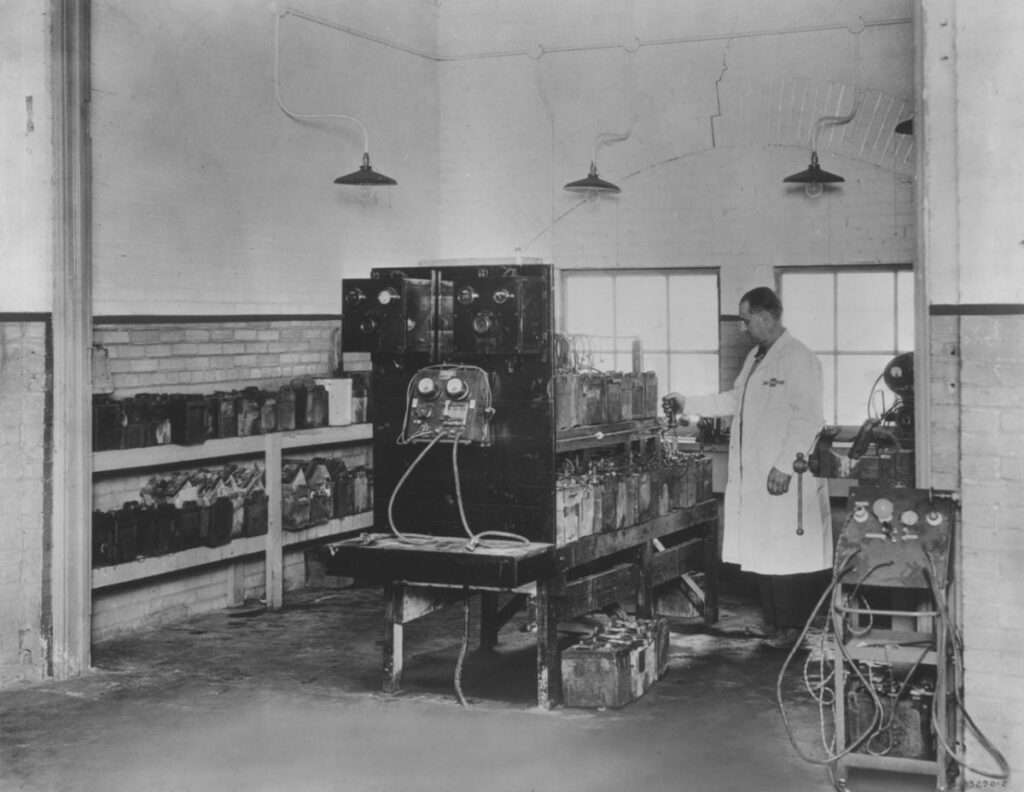
A photograph to explain the limitations of early battery technology.
Did America Make the Wrong Decision?
Looking backward, it’s easy to imagine an alternative history in which America developed a comprehensive electric charging network before gasoline became dominant.
That might have encouraged different vehicle designs, different cities and perhaps an entirely different automobile industry.
But those possibilities are speculation.
What we know is that early gasoline automobiles delivered compelling practical and economic advantages. Their success was not simply a triumph of advertising or a conspiracy against batteries.
Indeed, the environmental consequences of transportation choices have become much clearer over time. The Environmental Protection Agency’s EV guidance explains why electric vehicles eliminate tailpipe emissions while still having emissions associated with electricity production and manufacturing.
Modern shoppers should evaluate those benefits alongside purchase prices, local charging costs and their actual driving requirements.
For someone considering a new electric vehicle, I’d begin with charging access rather than horsepower or touchscreen size. A beautifully engineered EV becomes considerably less convenient if charging it requires constant planning.
Compare the total ownership cost, insurance, electricity prices, battery warranty and the condition of the public charging network serving your regular routes.
And don’t assume that buying a hybrid represents a rejection of electric technology. A hybrid can be a very practical application of it.
You may also enjoy: Hyundai Wants Hybrids to Be Half Its North American Sales
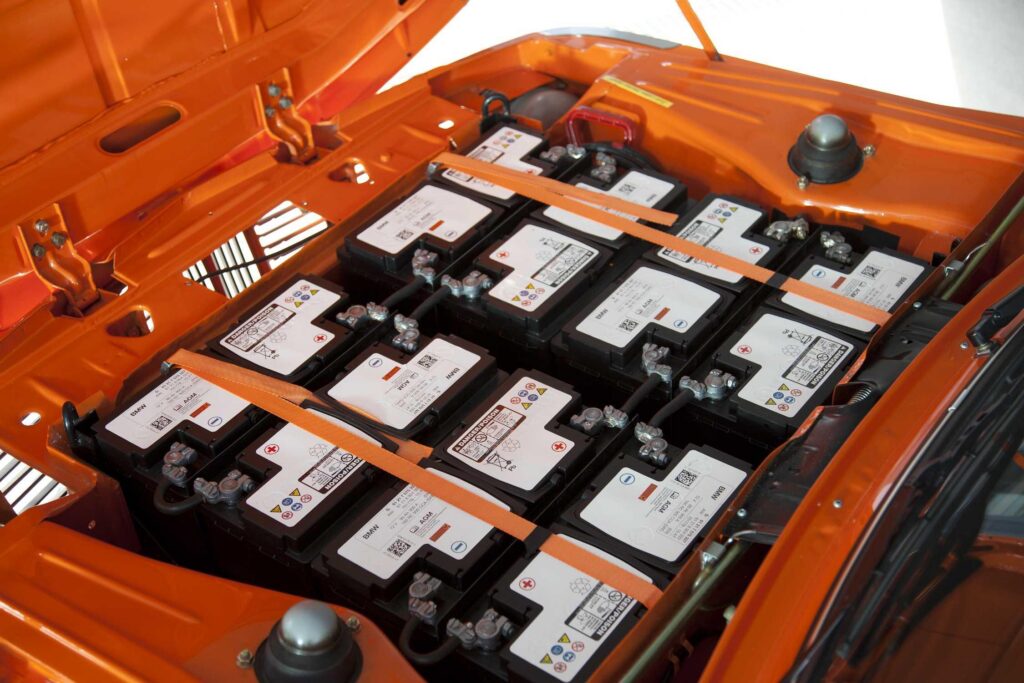
BMW’s original 1602 electric prototype shows how heavy and bulky battery technology once was.
The Electric Car That Refused to Stay Dead
By the 1930s, battery-powered passenger cars had largely disappeared from mainstream American roads. However, the idea survived through later experiments, including vehicles developed during the energy crises of the 1970s.
General Motors brought the EV1 to American roads in the 1990s. Nissan later introduced the LEAF, Tesla demonstrated the appeal of long-range electric performance, and manufacturers across the industry invested in battery development.
The technology progressed enormously. So did consumer expectations.
Instead of asking whether an electric automobile can match a horse-drawn carriage, buyers now compare battery-powered SUVs against some of the most refined gasoline and hybrid vehicles ever built.
That’s a rather different challenge.
Affiliate shopping: If you are shopping for all-weather floor mats, Shop OEDRO directly or Shop OEDRO on Amazon. Use code NIKM20 at the OEDRO official store. Check current code terms and vehicle fitment before ordering. Test Miles may earn a commission from purchases made through these affiliate links.
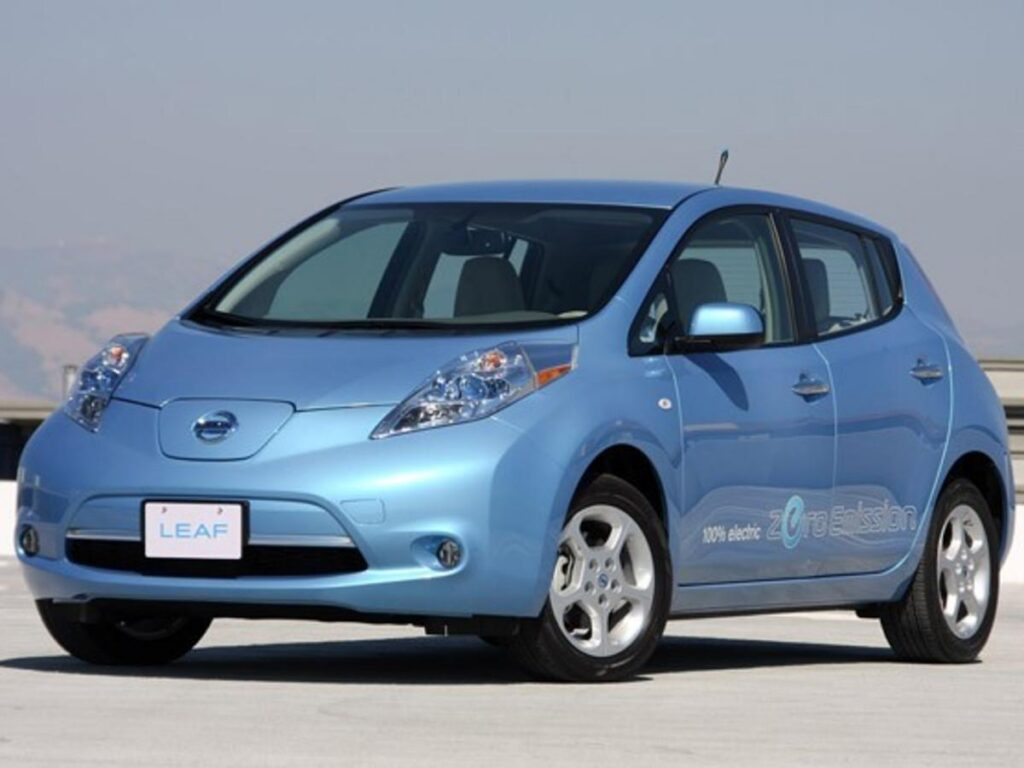
Represents the modern return of affordable, mass-market electric vehicles.
America’s First Electric Revolution Still Has Lessons
The most revealing fact about the original electric automobile is that it wasn’t an unsuccessful invention searching for a purpose. For a time, it was a serious commercial contender.
What ultimately mattered was the combination of price, infrastructure, convenience and the changing way Americans wanted to travel.
More than 125 years later, battery technology has advanced beyond anything those early inventors could have imagined. Yet the industry is still negotiating the relationship between engineering ambition and everyday practicality.
Perhaps the next time someone declares that electric cars are the inevitable future, or that gasoline will always win, they should look at a photograph from New York in 1900.
America has heard both arguments before.
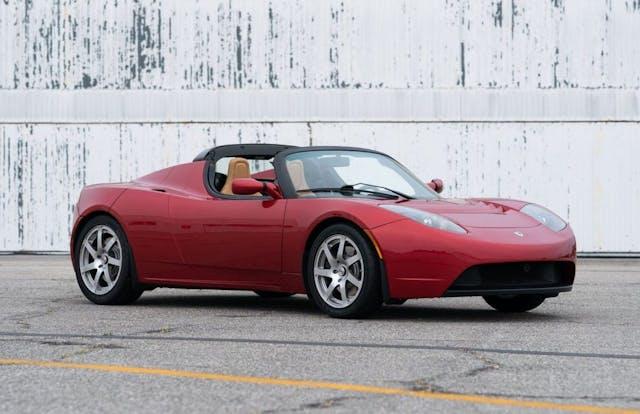
The car that helped make modern electric performance desirable.
.