The proposed AM radio mandate would preserve free broadcasts in new cars, but its deadlines, dashboard rules and limitations deserve a closer look.
The AM radio mandate is not law yet
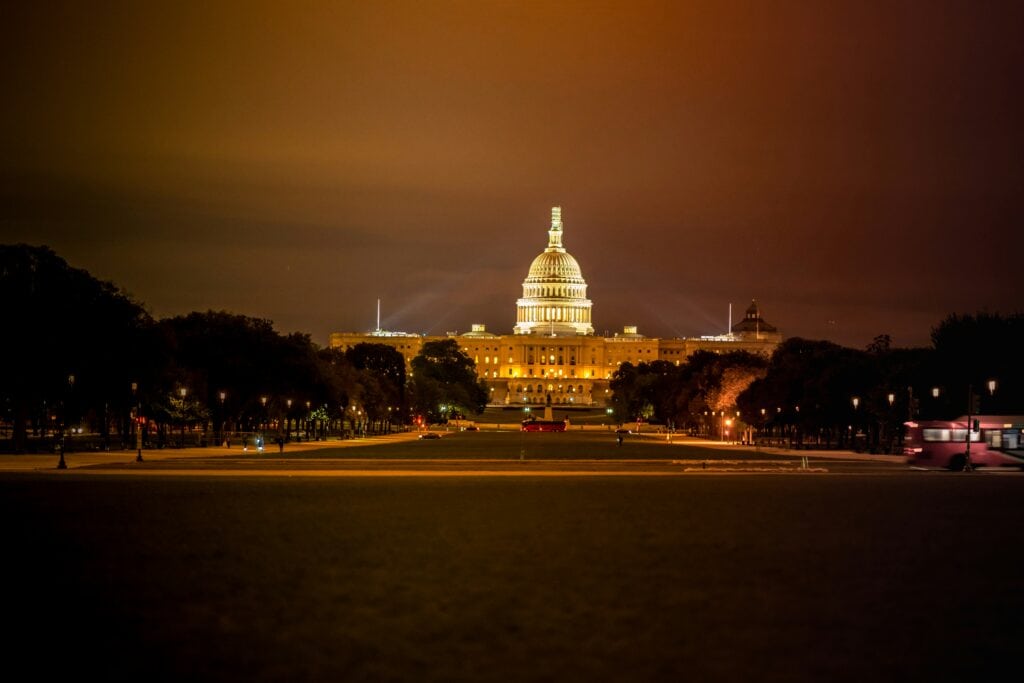
Congress wants to save a dashboard feature many drivers rarely think about until the weather turns dangerous. The House passed H.R. 979, the AM Radio for Every Vehicle Act, on September 15, 2026. Despite some triumphant headlines, your next car has not suddenly acquired a federally protected tuning dial. The Senate must approve the measure and the president must sign it before anything changes.
The official House-passed bill gives the Department of Transportation one year after enactment to write a rule with FEMA and the FCC. The normal compliance date could then be up to two years after the rule is issued. Smaller manufacturers meeting the bill’s production threshold would receive at least four years. This is a direction of travel, not a switch being thrown tomorrow morning.
You may also enjoy: Trump’s Chinese Car Gamble: Jobs or Detroit Devastation?
The Senate outlook appears favorable but is not guaranteed. Senators Edward Markey and Ted Cruz said the companion legislation has 60 cosponsors and previously passed the Commerce Committee. Their Senate statement calls for the chamber to finish the job. Until it does, shoppers should treat the proposal as advanced legislation rather than a settled equipment requirement.
You may also enjoy this video about Infotainment in Cars:
Free reception is the point, not radio nostalgia
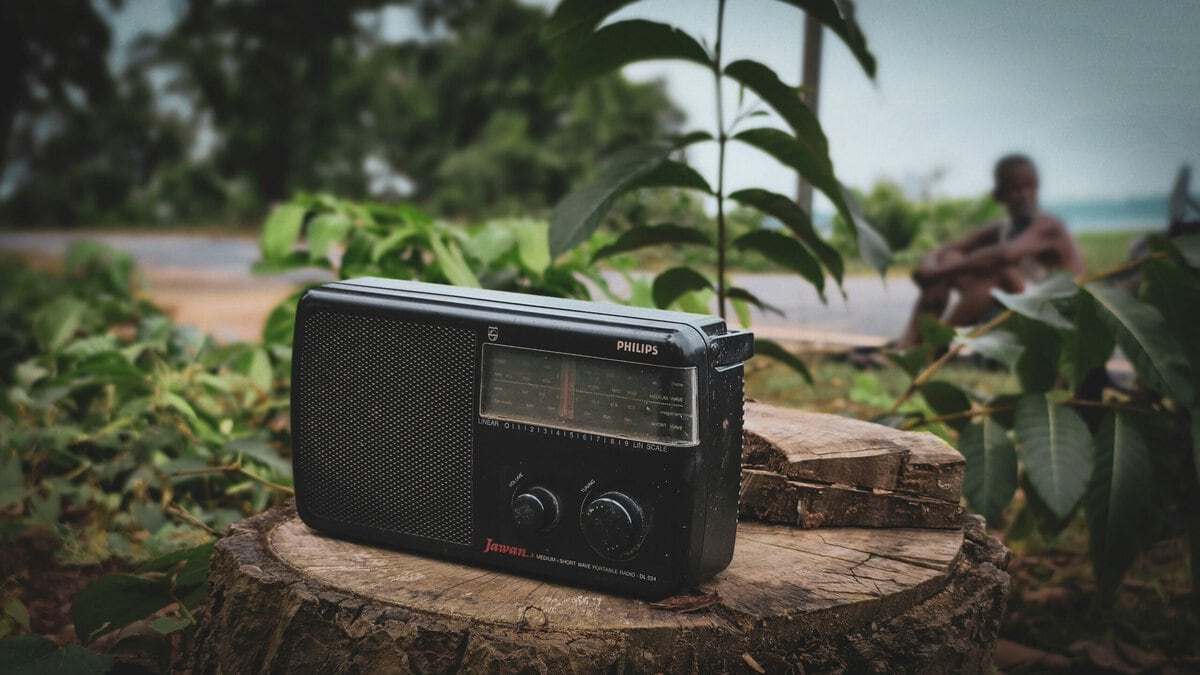
The practical case for AM is independence. A receiver does not need a cellular signal, paid data plan, app account or software subscription. That makes it another route into a moving vehicle when storms, fires or widespread outages damage the communications systems people ordinarily trust.
Supporters connect AM to the National Public Warning System and FEMA’s broader emergency-alert network. The serious question is not whether AM sounds modern. It is whether eliminating a free and geographically broad backup makes the country’s warning system less resilient before an equally robust replacement exists.
You may also enjoy: Cars With Rear Occupant Detection: What Actually Works
The legislation recognizes that this comparison needs evidence. It directs the Government Accountability Office to examine AM alongside other public-warning technologies, including whether alternatives could reach at least 90 percent of the U.S. population during a crisis. That study is sensible. “Old” and “obsolete” are not synonyms, particularly when the old system fails differently from the new one.
What automakers would have to install
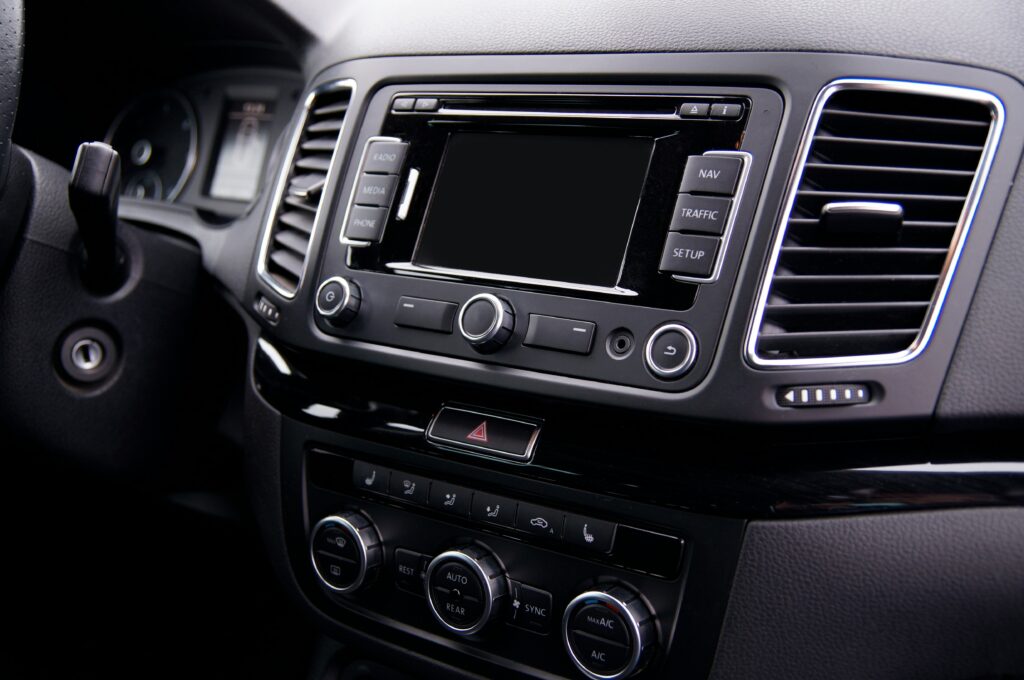
The proposed rule is more specific than simply requiring an AM icon somewhere on the screen. New passenger vehicles would need equipment capable of receiving AM signals over the air and playing the programming. Access must be easy for the driver, and the manufacturer could not add a separate fee or surcharge. Digital AM reception could qualify. A station streamed through a phone connection would not satisfy the over-the-air definition.
That distinction protects drivers from receiving “free radio” through a service that stops when the trial period expires. It also creates a useful test for dashboard design. If Congress calls AM part of emergency infrastructure, automakers should not hide it beneath an account login and four touchscreen menus. NHTSA includes fiddling with a stereo or navigation system in its explanation of distracted driving.
You may also enjoy: Pleos Connect: What Hyundai’s New Software Gets Right
The bill leaves room for modern implementation. Nothing requires a chrome antenna, analog scale or reassuringly chunky knob. Voice control, a steering-wheel shortcut or a clearly labeled audio tile could all make sense. The buyer question should be wonderfully basic: can I reach a local broadcast quickly without a phone, subscription or functioning cellular network?
EV interference is a real engineering tradeoff
Automakers did not remove AM solely to spoil anyone’s baseball broadcast. Electric motors, power electronics and high-voltage systems can produce electromagnetic interference that affects AM reception. Engineers can address it through shielding, filtering, grounding and component placement, but those solutions involve development work, weight and cost.
Congress has not entirely ignored that objection. DOT must evaluate possible effects on innovation, vehicle safety and automated-driving systems before publishing the rule. The agency’s rulemaking process normally includes a public proposal, supporting analysis and an opportunity for comments. That is where manufacturers should provide actual engineering and cost evidence rather than treating “interference” as the end of the conversation.
You may also enjoy: 2026 Tesla Model Y Review: Tesla Finally Fixed It
There is a legitimate regulatory concern too. Mandating one technology can freeze yesterday’s solution into tomorrow’s car. The House bill partly answers that with an eight-year sunset and periodic reviews. That is better than creating an immortal dashboard requirement, although Congress would still need to decide what follows if no successor warning system proves equally accessible and resilient.
What shoppers should check before buying
During the period between enactment and the final compliance date, vehicles without AM reception would need conspicuous labeling. Buyers should check the actual car, not assume every trim and model year shares the same audio hardware. The legislation does not promise retrofits for vehicles already manufactured, so current owners should understand what their vehicle can receive without a mobile connection.
You may also enjoy: Hyundai Alexa Built-in: Useful or One Assistant Too Many?
The broader lesson reaches beyond AM. Cars are becoming rolling collections of apps, accounts and connected services. Those systems can be excellent, but basic functions should remain available when a server, subscription or telephone is missing. A dashboard that offers thousands of streaming stations but loses every one of them during a network outage is capable rather than resilient.
The AM radio mandate is therefore defensible if lawmakers keep the objective narrow: preserve a free emergency communications path while a better replacement is proved, not merely promised. Drivers do not need Congress to choose their morning entertainment. They may benefit from Congress ensuring that one vital message can still reach the car when everything fashionable has gone offline.