Honda & Nissan Merge Software Will Power Both Brands
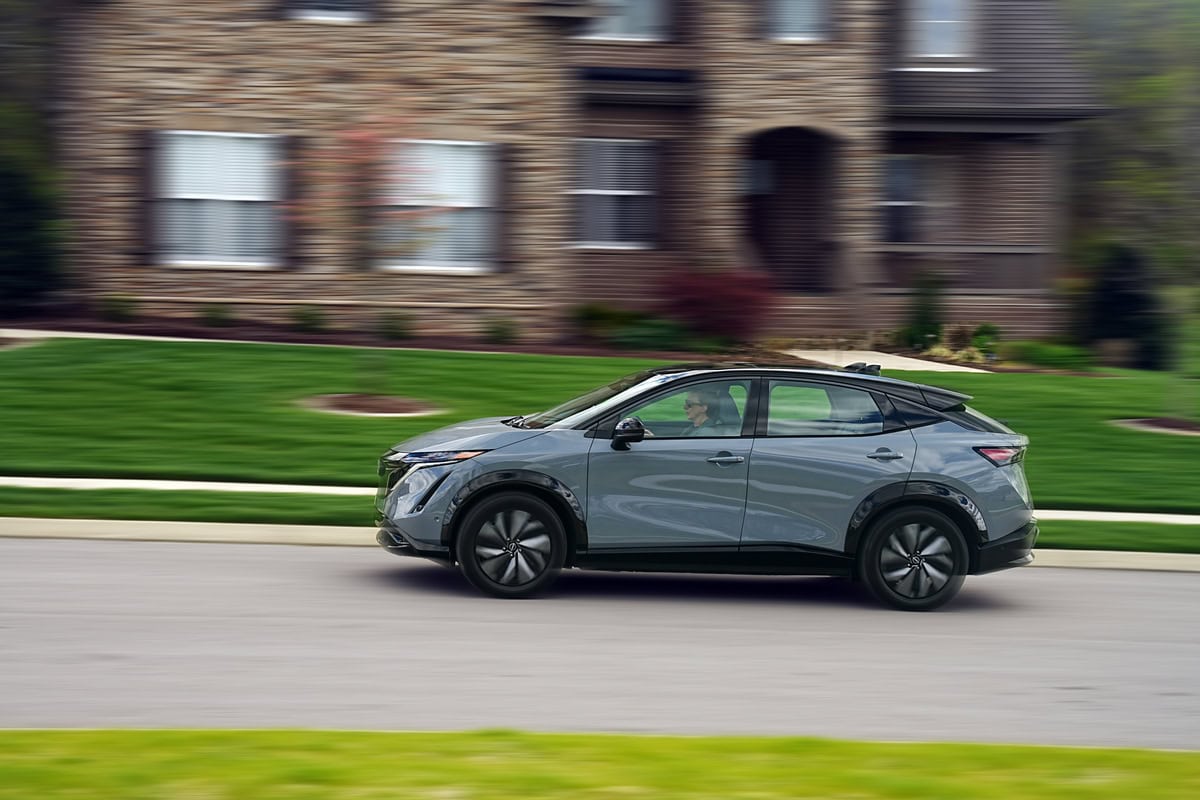
Honda and Nissan software will share core computers and code in 2029 vehicles, creating savings but raising ownership, privacy, and recall questions.
The most important component in your next Honda or Nissan may be one you never see. The two automakers have signed an agreement to jointly develop the central computers and software foundation for vehicles arriving in fiscal 2029.
This is the difference between jointly researching an idea and committing to production work. Honda and Nissan began studying a next-generation software platform in 2024. Their August 31 agreement now covers standardized core electronic control units, an operating system, middleware and vehicle-control software.
What Honda Nissan Software Actually Shares
A software-defined vehicle moves many functions from separate fixed-purpose modules into powerful central computers whose behavior can be changed through software. That can reduce hardware complexity and allow new features or fixes to arrive after purchase.
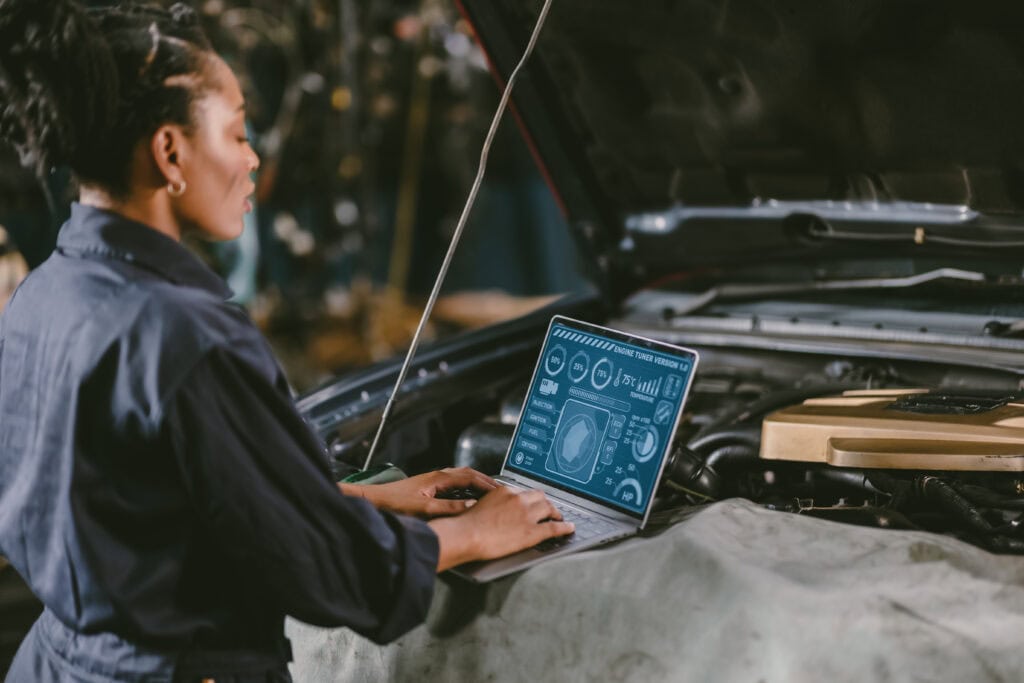
Honda and Nissan are not saying every screen, menu, and driving function will look identical. Their plan creates a common electronic foundation while leaving room for each brand to build its own experience above it. An Acura and an Infiniti could therefore share important underlying code without feeling like the same vehicle.
You may also enjoy: Honda Turns to India’s Tata for Next-Gen Cars
The savings could be meaningful. Every operating system needs testing, cybersecurity work, bug fixes, regulatory updates and long-term support. Splitting those costs gives both companies more scale while Nissan works through a turnaround and Honda competes with faster-moving technology companies.
The Ownership Questions Start With Accountability
Shared software creates a simple consumer question: who is responsible when it breaks? The answer should still be the automaker that sold the vehicle, but common architecture can complicate root-cause analysis and spread the same fault across multiple brands.
You may also enjoy: GM eBoost Brake Investigation: What Owners Need to Know
The GM eBoost investigation demonstrates how one shared component can connect Buick, Cadillac, Chevrolet, GMC, Honda and Acura vehicles. Shared Honda-Nissan code could create a similar cross-brand footprint if a common function fails, although no such defect exists today and no affected production vehicle has been identified.
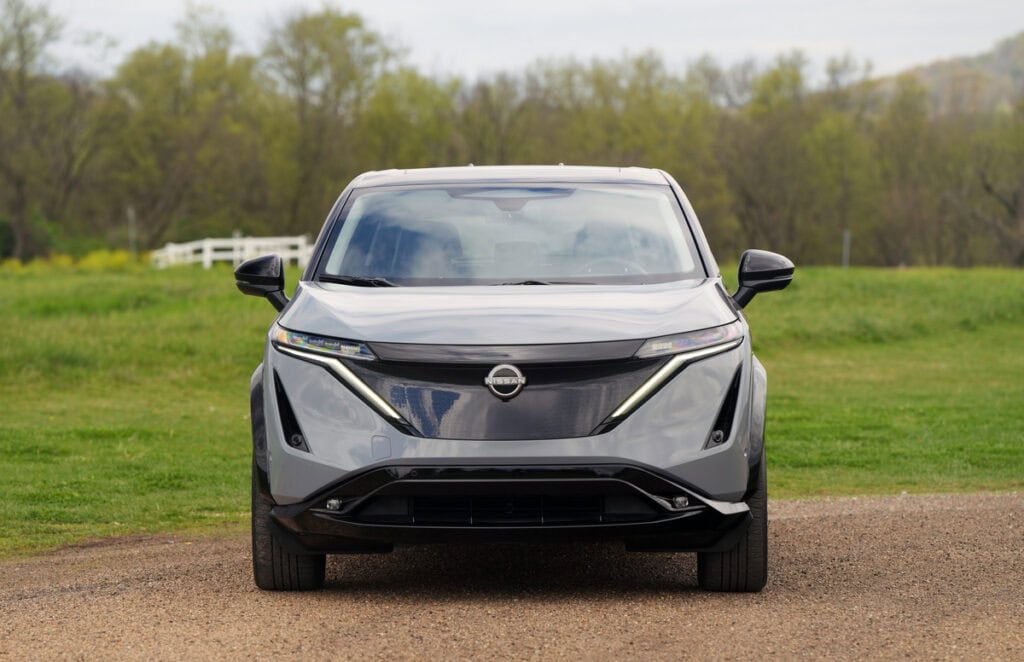
Data ownership deserves equal attention. Connected vehicles can collect location, diagnostic and feature-use information. Buyers should be able to identify which company receives it, how long it is retained, and whether service cancellation disables functions that were present when the vehicle was purchased.
You may also enjoy: Nissan e-POWER Could Help Save Nissan
Do Not Assign This System to a Model Yet
Honda and Nissan are targeting fiscal 2029, which runs from April 2029 through March 2030. They have not named a U.S. vehicle, supplier, investment or launch market. Claims that a particular Accord, CR-V, Rogue, Acura or Infiniti is confirmed for the architecture go beyond the announcement.
You may also enjoy: 2027 Nissan Rogue Hybrid Delivers Better MPG
Mitsubishi is considering participation but has not joined the development agreement. That is another reason to separate confirmed scope from likely industry logic. Mitsubishi already shares products and platforms with Nissan, but shared software is not automatic.
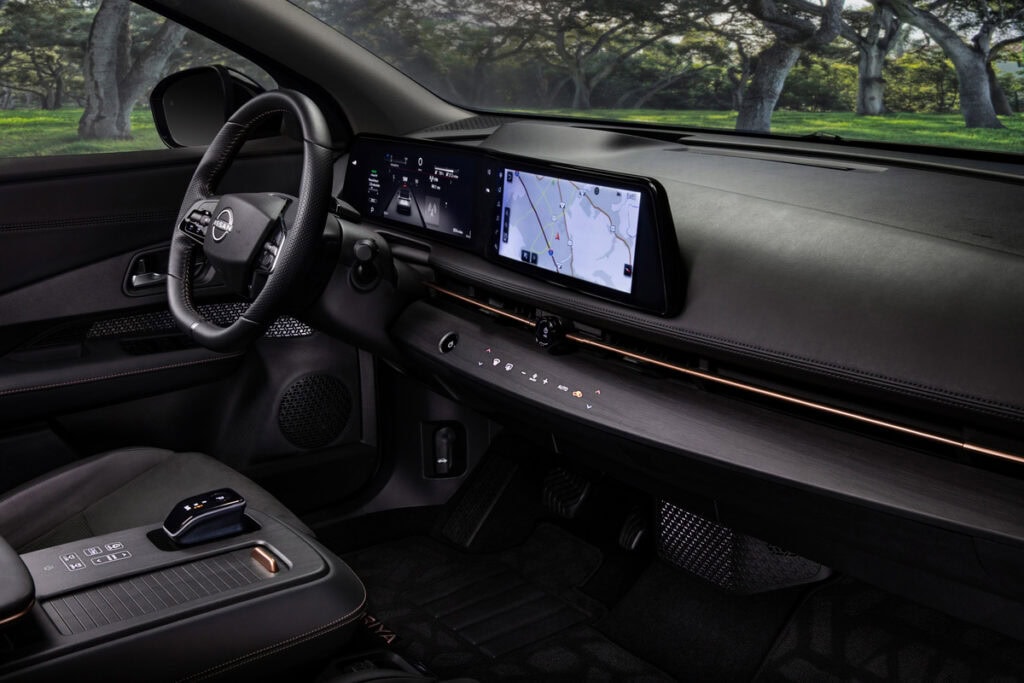
The upside is real. A larger installed base can support faster patching, better testing, and longer software maintenance. The risk is concentration. A security vulnerability in common code can reach more vehicles, and a delayed update can inconvenience customers across two dealer networks.
You may also enjoy: 2026 Honda Prelude Hybrid: Type R Parts, Real GT
My Consumer Test for the 2029 Vehicles
I will judge the shared system by outcomes that matter after purchase. Does the car receive fixes quickly? Can a dealer repair it without waiting for two companies to assign blame? Are privacy controls understandable? Does an older vehicle continue receiving security support after the next generation launches?
Honda and Nissan can save money without giving buyers a cheaper experience, but only if they define responsibility as carefully as they define the code. Common technology should produce more reliable vehicles and longer support, not a new layer of finger-pointing.
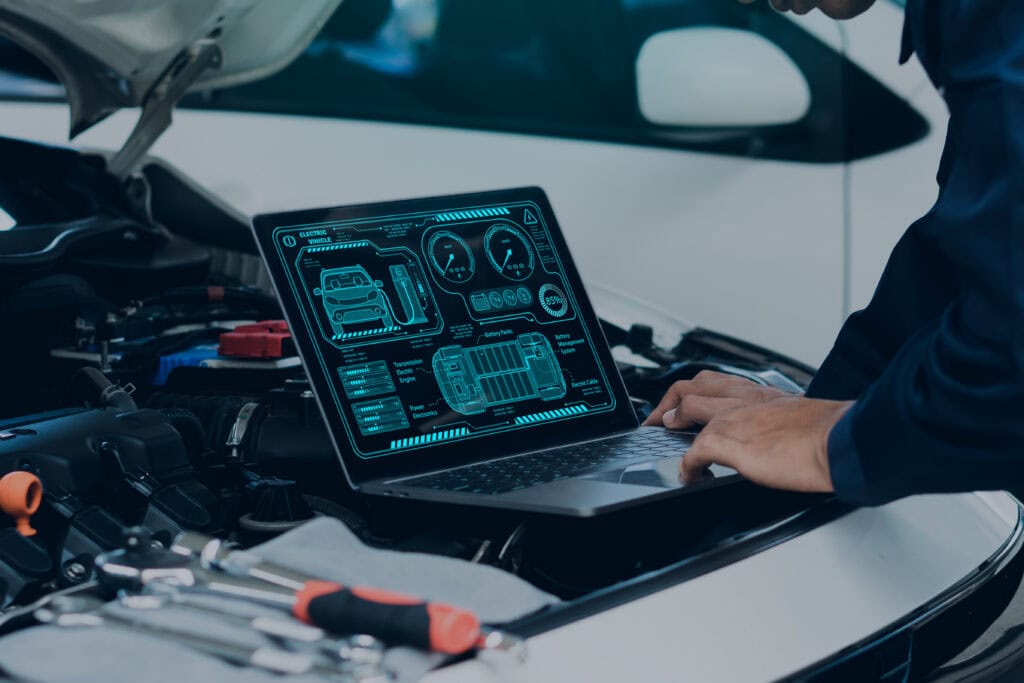
The agreement is significant precisely because the shared parts are invisible. Drivers may never know the name of the computer under the dashboard. They will know whether it works, whether it protects their data, and whether someone answers when an update goes wrong.
Dealers belong in that accountability chain. Shared code does not necessarily mean shared diagnostic access, repair instructions or replacement computers. Honda and Nissan should explain whether technicians will see the same fault information and how independent shops obtain the tools needed to service vehicles after warranty coverage ends.
Support duration may be the most important test. A 2029 car can remain in service for 15 years or more. Common architecture creates scale for longer security maintenance, but only if both companies commit to patches and replacement hardware well beyond the first owner’s lease. Saving development money is useful. Keeping the vehicle secure and repairable turns that saving into customer value.