Honda Turns to India’s Tata for Next-Gen Cars
Honda turns to India’s Tata for next-gen cars as legacy automakers shift engineering overseas to cut costs and speed production.
The Global Auto Engineering Landscape Is Flipping
For nearly a century, the flow of automotive knowledge moved in a single direction. Legendary legacy carmakers across North America, Europe, and Japan routinely taught emerging regional markets how to design, engineer, and build modern light trucks and passenger cars. Today, that historic dynamic is reversing in dramatic fashion. The former students are becoming the primary teachers as global industry giants face intense cost pressures, rapid technological change, and fierce competition from lean, digital-native vehicle producers.
Recent industry developments highlight how aggressively traditional brands are rethinking their long-standing operational playbooks. Rather than building every core vehicle architecture entirely in-house using traditional internal resources, major automotive brands are increasingly entrusting critical engineering, platform development, and digital system design to highly specialized international engineering partners.
You may also enjoy: Most American-Made Cars You Want
According to safety and compliance guidelines established by the National Highway Traffic Safety Administration, modern vehicle platforms must balance structural rigidity with rigorous crashworthiness standards, making joint engineering programs an efficient path to meet regulatory benchmarks across multiple international markets.
You may also like this video:
Honda Entrusts Platform Development to Tata Technologies
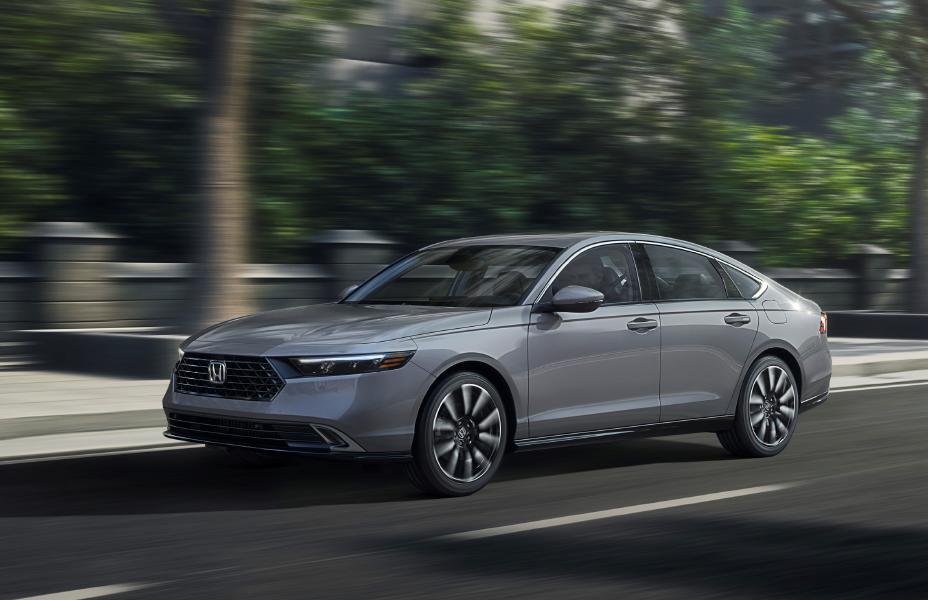
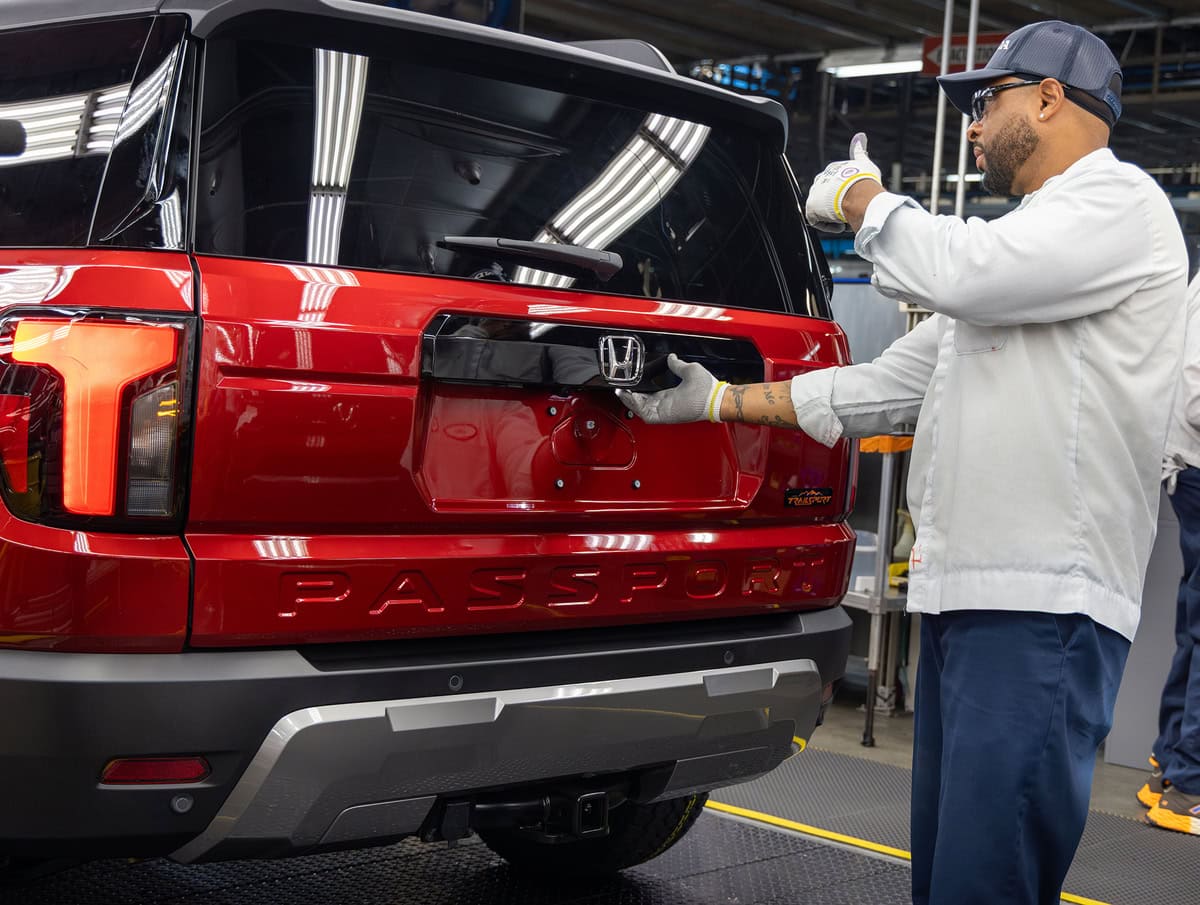
The clearest evidence of this sea change comes from Japan. Reports indicate that Honda Motor Company has outsourced the end-to-end development of a complete new vehicle program to India’s Tata Technologies. Honda maintains massive, state-of-the-art manufacturing facilities and deep engineering capabilities across North America and Asia. Yet, the brand is actively leaning on an external Indian engineering services firm to help develop a turnkey platform capable of drastically lowering future development overhead.
Tata Technologies operates as a core subsidiary within India’s expansive Tata Group conglomerate. The company delivers specialized digital engineering, product lifecycle management, and vehicle architecture design to aerospace, industrial, and automotive clients worldwide. By transferring platform creation tasks to Tata, Honda can significantly shorten product development timelines, reduce high engineering expenditures, and maintain lean operational overhead while maintaining crucial market competitiveness.
You may also enjoy: 5 Things You’ll Love—And 3 You Won’t—About the 2025 Nissan Pathfinder
Understanding the transition toward shared vehicle architectures relies heavily on standardized definitions provided by the U.S. Department of Energy Vehicle Technologies Office, which tracks manufacturing efficiency and component standardization in global automotive supply chains.

Stellantis and Chinese Partners Target European Growth
Honda is far from the only global automotive titan reaching outside its domestic borders for fresh engineering solutions. Stellantis is actively executing a similar global strategy by leveraging key partnerships across China to expand its global product footprint. Stellantis leadership has openly stated that filling market white spaces in its international lineup requires collaborating closely with rising Chinese manufacturers like Leapmotor and Dongfeng to rapidly produce larger vehicles.
Due to strict tariff barriers blocking many Chinese-assembled electric cars from directly entering the United States market, Stellantis is positioning these joint-venture products for European drivers. Under this initiative, midsize D-segment passenger vehicles engineered with Leapmotor technology are scheduled for production at the historic Stellantis factory in Madrid, Spain. The assembled vehicles will subsequently be distributed through the dedicated Leapmotor International joint venture, giving Stellantis immediate access to competitive vehicle designs without incurring massive internal development expenses.
You may also enjoy: The Coolest Plug-In Hybrids You Can Actually Buy in 2025—Fast, Frugal, and Surprisingly Fun
Trade policies and international shipping frameworks administered by the International Trade Administration play a decisive role in shaping where multinational carmakers locate assembly plants and how global joint ventures distribute light-duty passenger vehicles across international borders.
European Giants Rethink Traditional Manufacturing Models
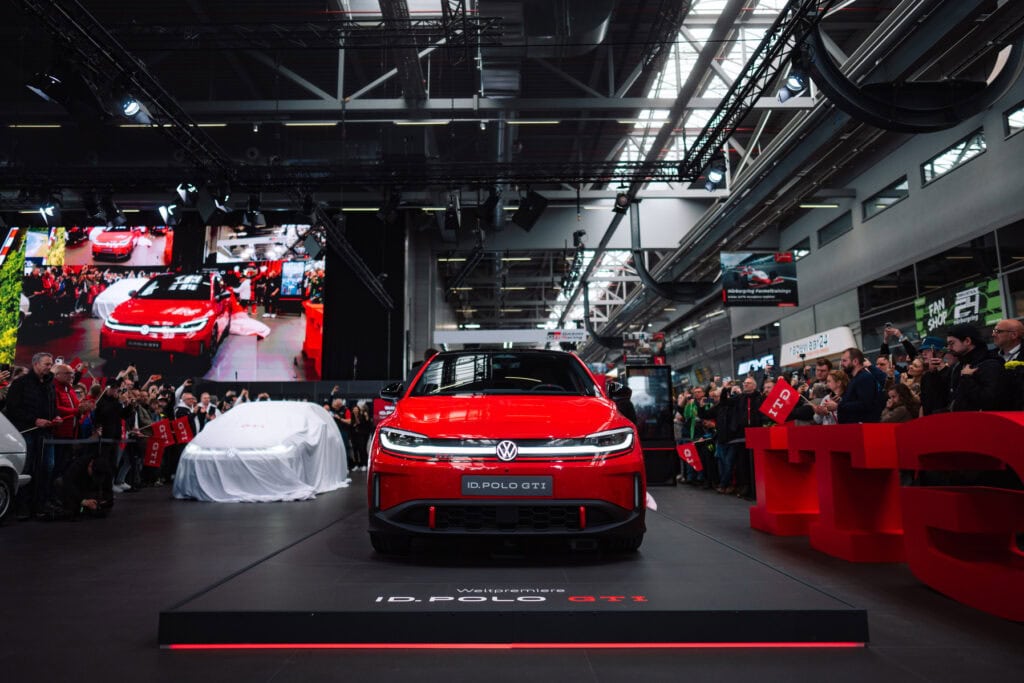
Elsewhere in Europe, long-held manufacturing paradigms are falling rapidly as established automotive groups attempt to slash fixed overhead costs. Volkswagen Group is evaluating plans that could turn traditional European vehicle production on its head. The German conglomerate is considering using underutilized domestic factories to build passenger vehicles explicitly designed by Chinese electric car startups. Such a strategic shift would essentially position Europe’s largest car manufacturer as a contract builder for high-growth Chinese brands.
Simultaneously, Nissan is exploring the adoption of Chinese-developed electric vehicle platforms for its upcoming European model lineup. Having experienced persistent market share erosion across the European continent for several consecutive years, Nissan leadership recognizes that adopting pre-engineered, cost-effective electric platforms offers the fastest path toward operational profitability. Utilizing existing Chinese EV architectures allows Nissan to bypass years of expensive research while delivering affordable, high-tech electric vehicles to European showrooms far quicker than traditional development cycles allow.
You may also enjoy: 2025 Nissan Armada Gets More Power and Tech
As highlighted by empirical vehicle efficiency data compiled by the U.S. Environmental Protection Agency, leveraging pre-certified electric drive units and standardized battery enclosures allows manufacturers to meet strict emissions targets while bypassing redundant engineering costs.
What External Engineering Means for Tomorrow’s Car Buyers
This emerging wave of international engineering alliances marks a fundamental structural shift across the entire automotive landscape. For generations, legacy car buyers bought into the idea that every structural component, suspension tuning choice, and electrical system was created strictly in-house by the badge on the grille. In the modern era of rapid electrification and software-defined vehicles, keeping every aspect of vehicle development under one roof has become financially unsustainable for many mainstream manufacturers.
By delegating platform engineering and digital integration to agile international partners like Tata Technologies and Chinese EV developers, traditional automakers can protect their bottom lines while staying competitive against hyper-efficient new market entrants. For average car buyers, this global realignment promises lower vehicle costs, faster access to modern cabin technology, and broader choices in competitive market segments. The era of total in-house vehicle creation is giving way to a global network of shared engineering, redefining how modern cars are designed, built, and sold.
You may also enjoy: Plug-in Hybrid & EV Guides on Test Miles
Broader economic research published by the U.S. Bureau of Labor Statistics underscores how global labor shifts, digital outsourcing, and automated manufacturing processes are reshuffling traditional industrial employment across advanced automotive markets.