Nissan e-POWER Could Help Save Nissan
I drove Nissan e-POWER in a Qashqai in Tennessee. Its EV-like hybrid system previews the 2027 Rogue and could give Nissan a needed lifeline.
My Tennessee Preview Changed the Question
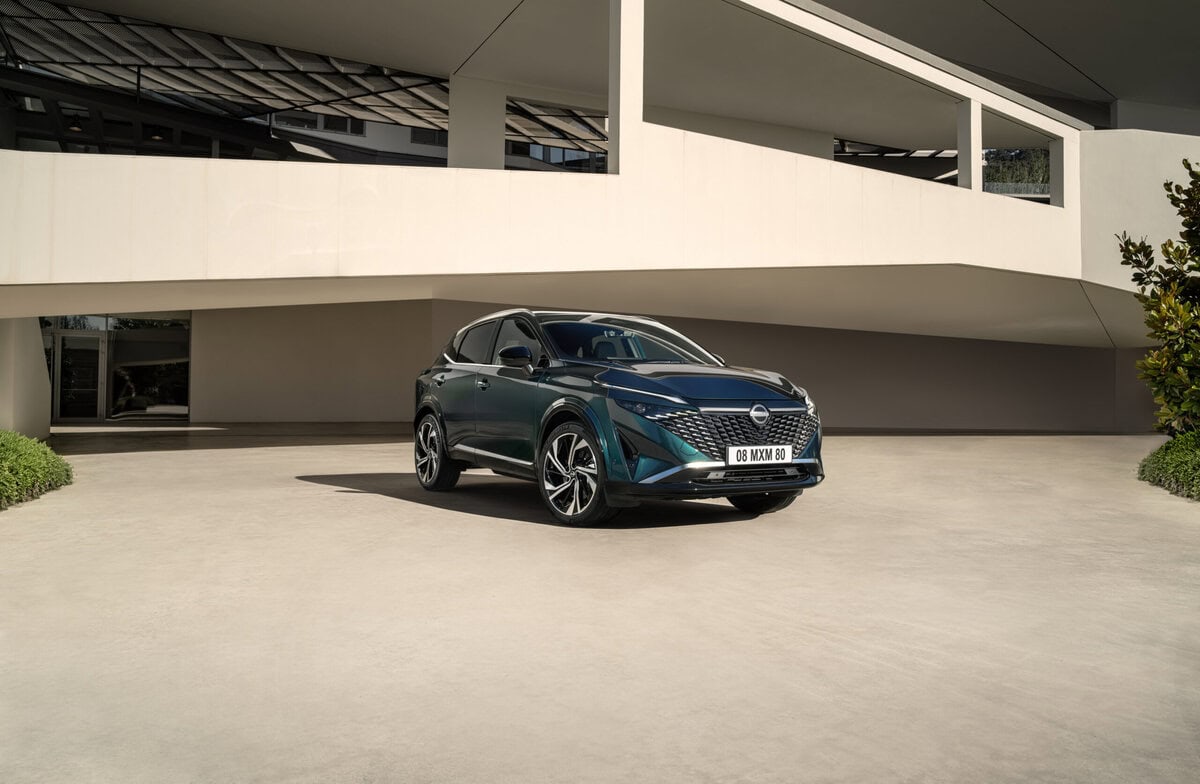
During a recent visit to Tennessee, I drove a Nissan Qashqai fitted with the company’s latest e-POWER system. I came away impressed. The important part wasn’t a dashboard animation or an optimistic laboratory number. It was the logic I could feel from the driver’s seat: the electric motor handled propulsion, while the gasoline engine stayed in the background as an electricity source.
That experience changed my question about the 2027 Rogue. I am less interested in whether Nissan can market another hybrid than in whether it can preserve that electric character in the larger American crossover. Nissan says the redesigned Rogue Hybrid e-POWER will arrive late in 2026 with two motors and all-wheel drive. Horsepower, EPA economy, battery capacity and price remain unannounced, so enthusiasm should stop short of a purchase recommendation.
You may also enjoy: 2027 Nissan Rogue Hybrid Delivers Better MPG Without Plugging In
The preview matters because Rogue is Nissan’s volume cornerstone in the United States. Putting distinctive technology into the vehicle ordinary families already recognize is more consequential than hiding it in an expensive halo model.
You may also like this video:
How Nissan e-POWER Creates Its Electric Character
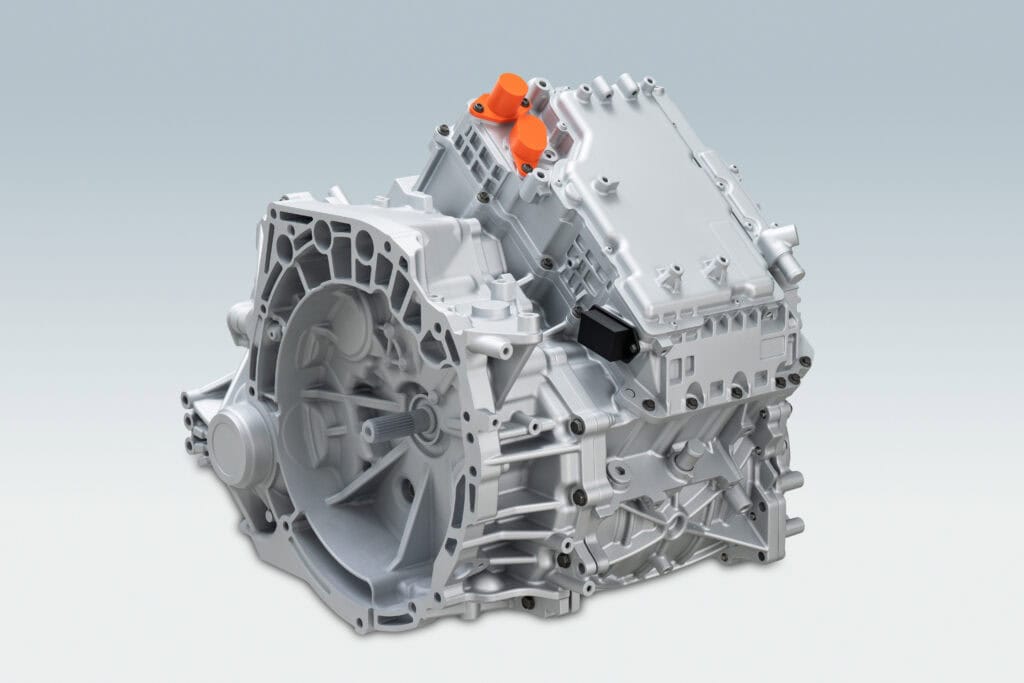
The U.S. Department of Energy’s hybrid guide distinguishes a series layout from parallel systems that can connect an engine to the wheels. In the Qashqai, the gasoline engine turns a generator. Electricity then feeds a small battery and the traction motor. There is no conventional gearbox sending engine torque to the tires.
Nissan’s version needs an important footnote: it does not plug in. The DOE commonly describes an extended-range EV as a series plug-in hybrid, capable of covering an initial distance on grid electricity. e-POWER shares the motor-driven architecture but relies entirely on gasoline put into the tank. That makes it easier for apartment dwellers and charging skeptics, yet it also means every mile ultimately draws energy from fuel.
You may also enjoy: Nissan e-POWER 1,230-mile record: What It Means
The third-generation Qashqai uses a dedicated 1.5-liter turbocharged three-cylinder engine and a five-in-one module combining major electrical components. Nissan lists up to 205 PS, roughly 202 horsepower, and says the engine reaches 42 percent thermal efficiency. Its advertised 4.3 to 4.5 liters per 100 kilometers and maximum 795-mile range are European WLTP claims, not American window-sticker results. The EPA explains why standardized U.S. fuel-economy testing must come before anyone declares the Rogue a mileage champion.
What Rogue Shoppers Must Watch
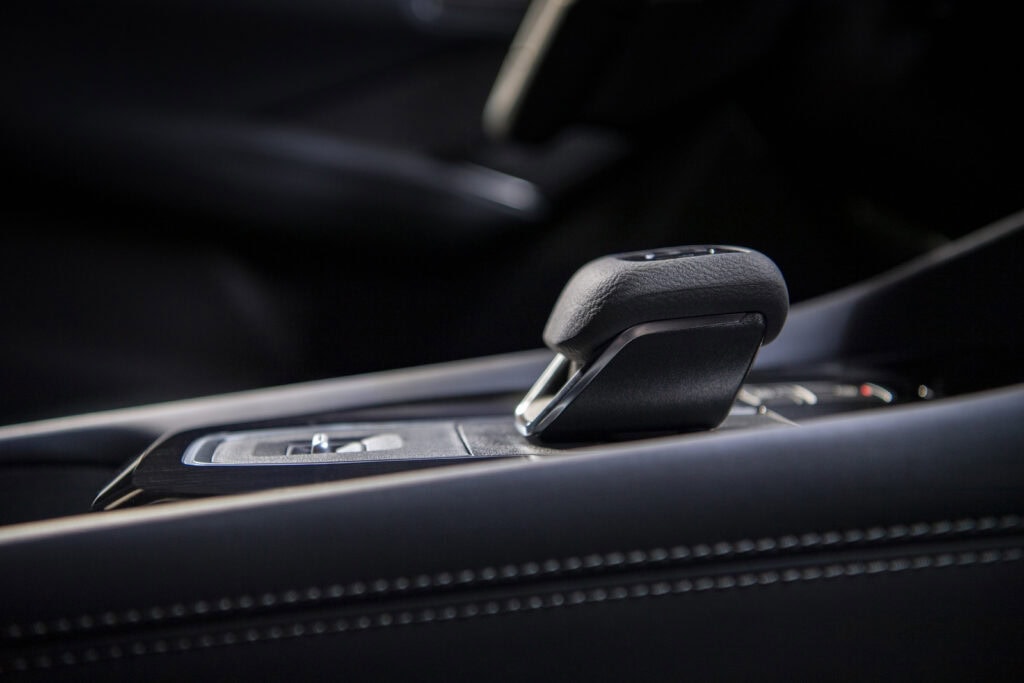
The strongest buyer case is straightforward. You get prompt motor response, regenerative braking and no shift schedule, yet your travel day still revolves around gasoline stations. For drivers unable or unwilling to install a charger, that is a practical advantage. The standard dual-motor setup may also give Rogue smooth, fast-reacting all-wheel-drive control without a mechanical link to the rear axle.
You may also enjoy: EV Sales Slow Down, Hybrids Surge: What that means for you
The costs are equally real. Owners carry an internal-combustion engine, generator, fuel and emissions hardware alongside the electric drive components. DOE notes that hybrids retain engine-related maintenance needs, unlike battery-only vehicles. On a long, fast highway grade, the system also has to convert fuel energy more than once before it reaches the road. Buyers should listen for generator noise at speed and wait for independent tests of sustained performance, winter economy and real cargo use.
It is also inaccurate to call the Rogue a zero-emission vehicle. The EPA’s emissions guidance makes clear that plug-in hybrids can produce tailpipe emissions when the engine operates; Nissan’s non-plug system necessarily runs on gasoline over time. Its benefit must be measured against comparable gasoline and hybrid SUVs, not against a fictional fuel-free standard.
You may also enjoy: America’s Car Buyers Have Spoken: Hybrids Win
The Technology Nissan Needed Years Ago
Nissan launched the Note e-POWER in Japan in 2016, after earlier range-extender experiments such as the Chevrolet Volt and BMW i3 REx. The company was not first to the concept. It was, however, early in committing a non-plug series hybrid to mass-market cars, and nearly 2 million global e-POWER sales gave it a decade of experience before the current American rush.
That lead now looks unusually valuable. Ram is preparing a 1500 REV with a generator, Ford has confirmed an extended-range next-generation F-150 Lightning, Hyundai Motor Group targets EREV production from 2027, and Scout’s Harvester-equipped Traveler and Terra are planned for 2028. Competitors have validated the idea just as Nissan finally brings its version to its largest U.S. nameplate.
You may also enjoy: Why the Used EV Market May Hide the Best Bargains
Nissan needs that product strength. For the fiscal year ended March 2026, its financial results showed a net loss of 533.1 billion yen as global retail volume fell 5.8 percent. No powertrain can repair a balance sheet, rebuild dealer confidence and refresh an aging lineup by itself. Still, a compelling Rogue can put more shoppers back into Nissan stores, and that is where any recovery has to become visible.
My Tennessee drive did not prove U.S. fuel economy, durability or value. It did show that Nissan possesses a credible answer to a problem the industry is now trying to solve: give people electric propulsion without forcing them to organize their lives around a plug. If the Rogue delivers that character at a competitive price, Nissan e-POWER will be more than an interesting hybrid. It could be the right technology in the one vehicle the company most needs to get right.