2027 Toyota Prius PHEV Makes 44 Electric Miles Count
By Robert R Guio
The Toyota Prius has spent nearly three decades making efficiency feel ordinary. For 2027, the plug-in version continues that work without pretending every driver is ready to reorganize life around a charging network.
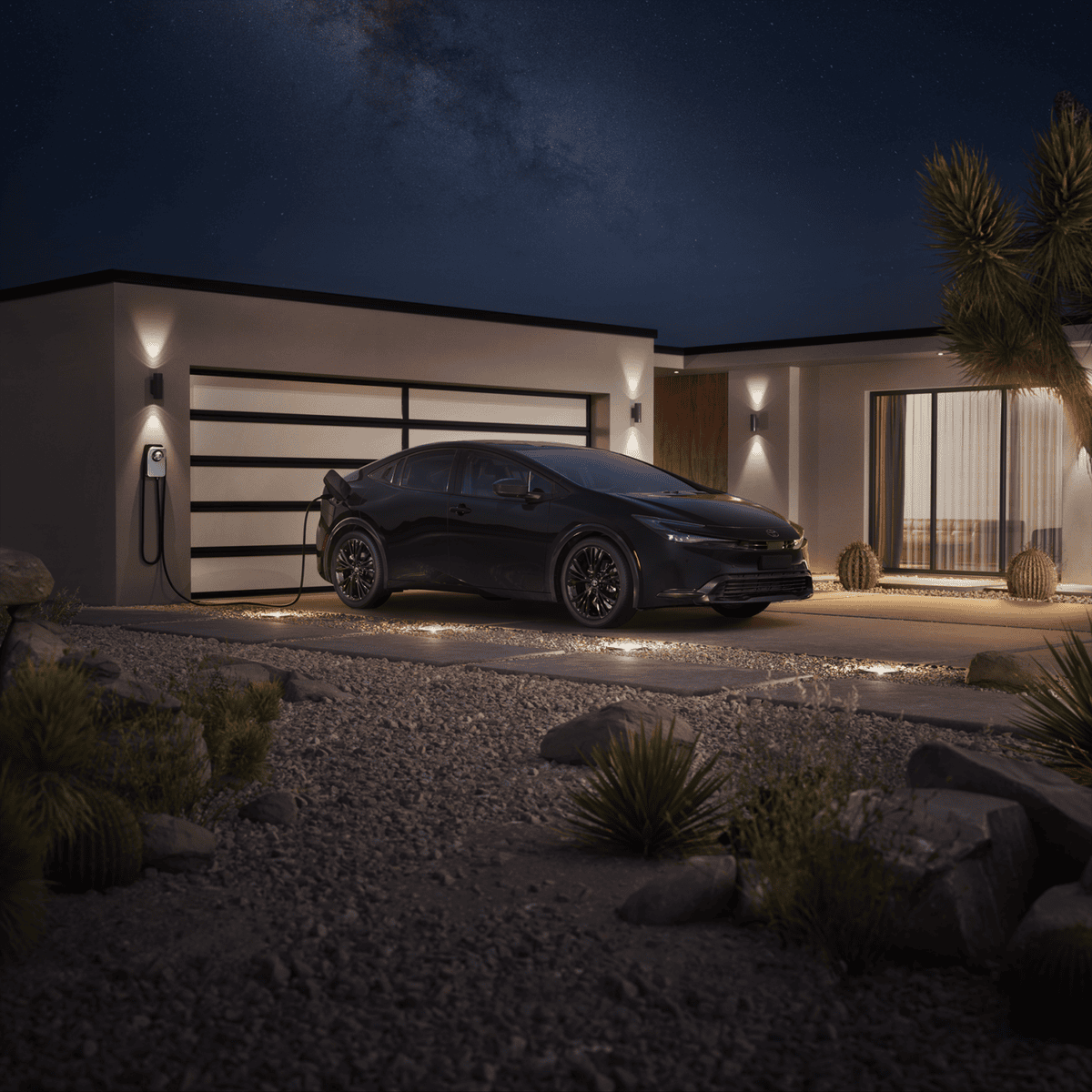
The 2027 Toyota Prius Plug-in Hybrid arrives this summer with a starting price of $33,980, before Toyota’s $1,295 dealer processing and handling fee. It retains its sleek shape and 220-horsepower powertrain, but adds dual-zone climate control and a new black exterior color called Inked.
The headline number remains 44 miles of EPA-estimated electric range in the SE grade. XSE, Nightshade and XSE Premium versions are rated at 39 miles, partly because their added equipment and larger 19-inch wheels carry an efficiency penalty. The least expensive Prius is also the range champion, which feels refreshingly logical.

You may also like: 2026 Toyota Prius Gets Sharper, Faster, and Still Sips Fuel
Why 44 Electric Miles Matter
Forty-four miles may not sound dramatic beside a battery-electric vehicle promising more than 300, but it covers a meaningful amount of daily driving. A commuter who charges at home may be able to handle work, errands and school runs without gasoline, while keeping the engine available for longer trips.
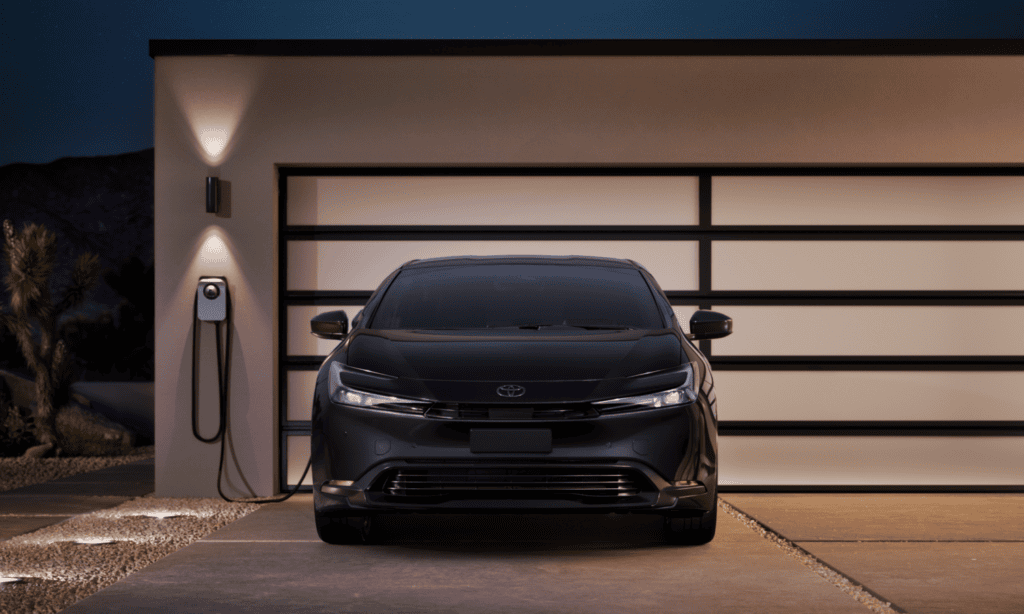
The 13.6-kWh lithium-ion battery can recharge in about 11 hours from a standard 120-volt outlet under ideal conditions, or roughly four hours using a Level 2 charger. No elaborate installation is required to begin charging, although the faster setup will be more convenient for daily use.
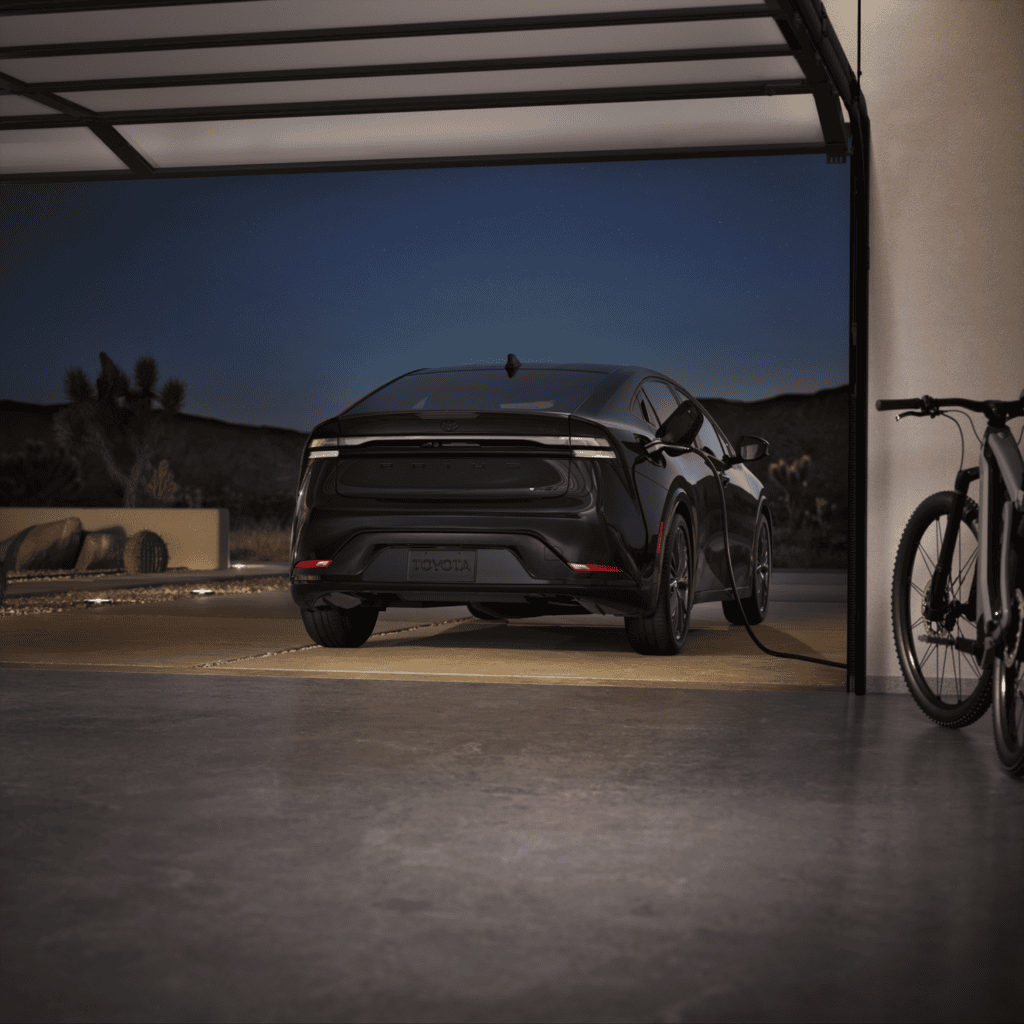
EPA fuel-economy labels separate electric operation from gasoline driving. Once the usable battery charge is depleted, the Prius behaves as a conventional hybrid. In SE form, Toyota estimates 51 mpg combined in hybrid mode. Forgetting to plug it in does not turn the car into an inefficient punishment box.
You may also like: 2025’s Best and Worst Of Plug-In Hybrid Cars
The Prius Still Works When You Don’t Plug In
Toyota’s fifth-generation hybrid system pairs a 2.0-liter four-cylinder engine with two motor-generators and a planetary-type continuously variable transmission. Total output is 220 horsepower, and Toyota estimates a 0-60 mph time of 6.6 seconds.
Drivers can select EV mode for battery-only operation, Auto EV/HV mode to let the gasoline engine assist when more power is required, or Hybrid mode to manage both sources automatically. Normal, Eco and Sport settings further adjust the response.
That flexibility is the central appeal. A full EV rewards reliable charging. A conventional hybrid asks for none. The Prius Plug-in sits between them, offering useful electric commuting without making an available charger essential to completing a journey.
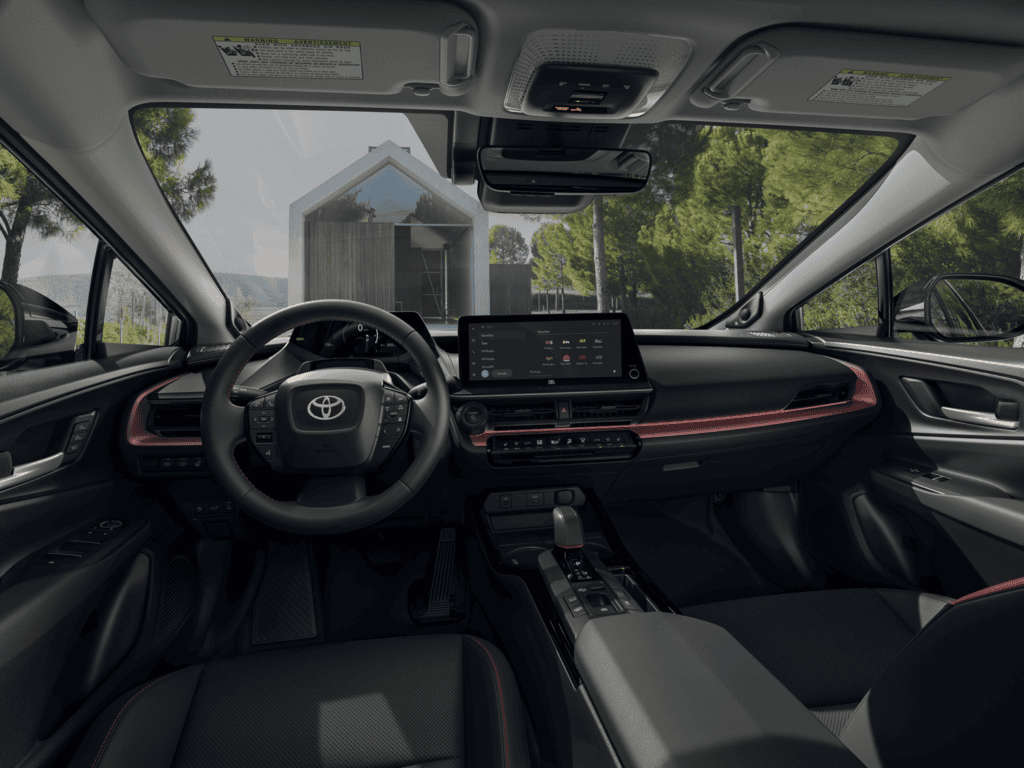
An 8-inch touchscreen is standard on SE, XSE and Nightshade models. A 12.3-inch display is standard on XSE Premium and optional on XSE and Nightshade. Wireless Apple CarPlay and Android Auto, six USB-C ports on the SE, and available Toyota Connected Services cover the technology basics without turning the dashboard into a science project.
You may also like: Toyota’s Most Overlooked Hybrid SUV Is Actually Brilliant
Pricing, Features and the Real Value Question
The SE begins at $33,980, followed by the XSE at $37,230, Nightshade at $38,000 and XSE Premium at $40,675. The XSE adds heated SofTex seating, wireless phone charging, parking assistance and 19-inch wheels. Nightshade brings black trim, while XSE Premium adds ventilated front seats, JBL audio, a glass roof and a power liftback.
An available 185-watt solar roof can provide limited charging while parked and help power auxiliary functions while driving, but availability remains limited. It is clever technology, though most buyers will decide based on price, electric range and how often they can charge.
Toyota Safety Sense 3.0 is standard, along with blind-spot monitoring, rear cross-traffic alert and Safe Exit Alert. The basic warranty covers three years or 36,000 miles, while the powertrain warranty runs five years or 60,000 miles.
The 2027 Prius Plug-in Hybrid is not a revolution, and that is probably its strength. It adds comfort and a handsome new color while keeping the numbers that matter intact. For drivers whose weekdays fit inside 44 miles but whose weekends do not, it remains one of the clearest arguments for choosing both electricity and gasoline.