2027 Chevrolet Bolt RS First Look: Style Over Speed
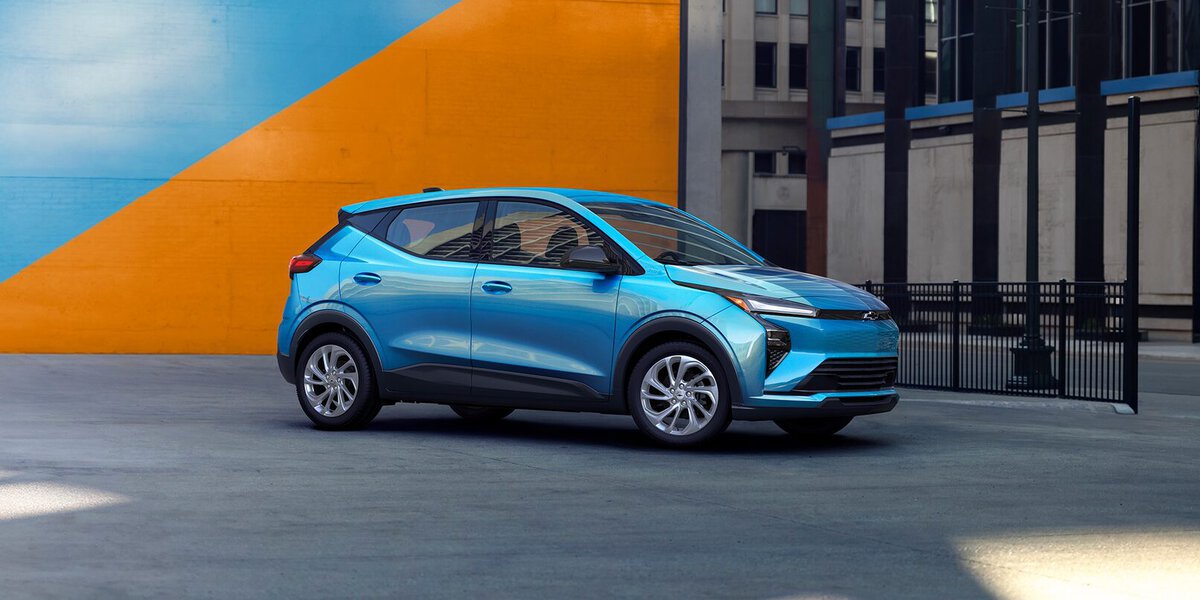
The 2027 Chevrolet Bolt RS review reveals an affordable 262-mile EV with much faster charging, but the RS badge adds style rather than power.
Editor’s note: This is a researched first-look buying analysis based on verified vehicle specifications and current U.S. pricing. Test Miles driving notes and original road-test measurements were not supplied, so no firsthand driving claims are made.
The 2027 Chevrolet Bolt RS has an enviable problem. Underneath its black wheels and red stitching sits one of the most convincing affordable electric-vehicle packages in America. Unfortunately for the RS, the less expensive Bolt LT contains the same battery, range and 210-horsepower motor.
The RS therefore needs to persuade shoppers that appearance and cabin atmosphere are worth an additional $4,000. It may succeed, especially in Habanero Orange or RS-exclusive Atomic Yellow, but nobody should mistake the badge for a performance upgrade. This is the Bolt wearing trainers, not preparing for the Olympics.
Best for: Commuters and smaller households that can charge at home and want a compact EV with a more distinctive appearance.
Skip if: You expect the RS badge to provide more power, all-wheel drive or additional range, or you require Apple CarPlay.
You may also enjoy this Video:
2027 Chevrolet Bolt RS Review: The Early Verdict
Pros
- EPA-estimated 262-mile range
- Native NACS port for compatible Tesla Superchargers
- Far faster DC charging than the previous Bolt
- Compact exterior with useful five-door packaging
- Standard adaptive cruise control and available Super Cruise
Cons
- RS has no performance advantage over the LT
- No Apple CarPlay or Android Auto
- No all-wheel-drive option
- No spare tire and no official towing rating
Test Vehicle Snapshot
| Specification | 2027 Chevrolet Bolt RS |
|---|---|
| Body style | Five-door compact electric crossover |
| Seating | Five |
| Powertrain | Single front electric motor |
| Output | 210 horsepower |
| Drivetrain | Front-wheel drive |
| Battery | 65-kWh lithium-iron-phosphate battery |
| Official range | 262 miles, EPA estimated |
| DC charging | More than 150 kW under suitable conditions |
| Claimed charging time | Approximately 25 minutes from 10% to 80% |
| Charge port | NACS, with an adapter for compatible CCS stations |
| Cargo capacity | Approximately 16 cubic feet behind the second row and 56 cubic feet with it folded |
| Starting MSRP | $31,600 |
| Destination charge | $1,395 |
| Starting price with destination | $32,995 |
| Test duration and distance | Not supplied |
What the RS Actually Adds
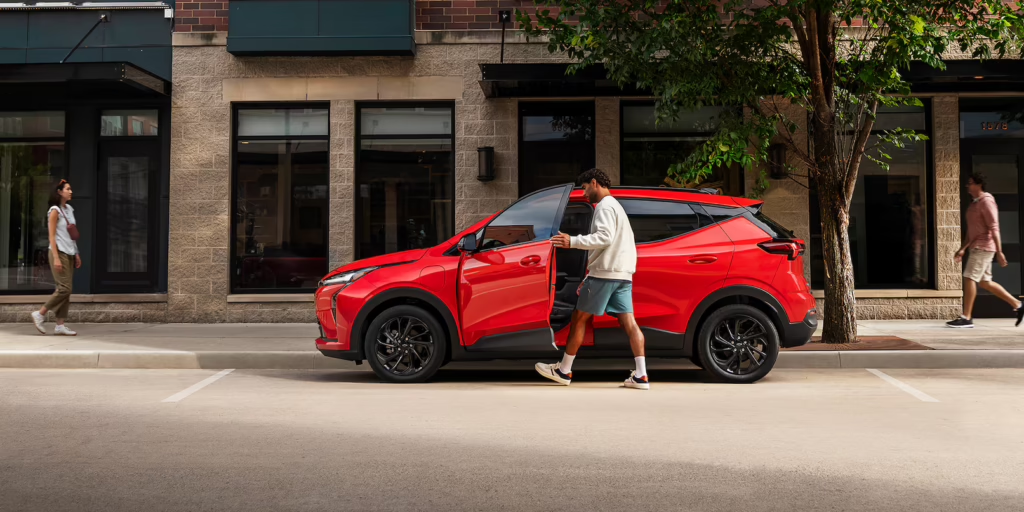
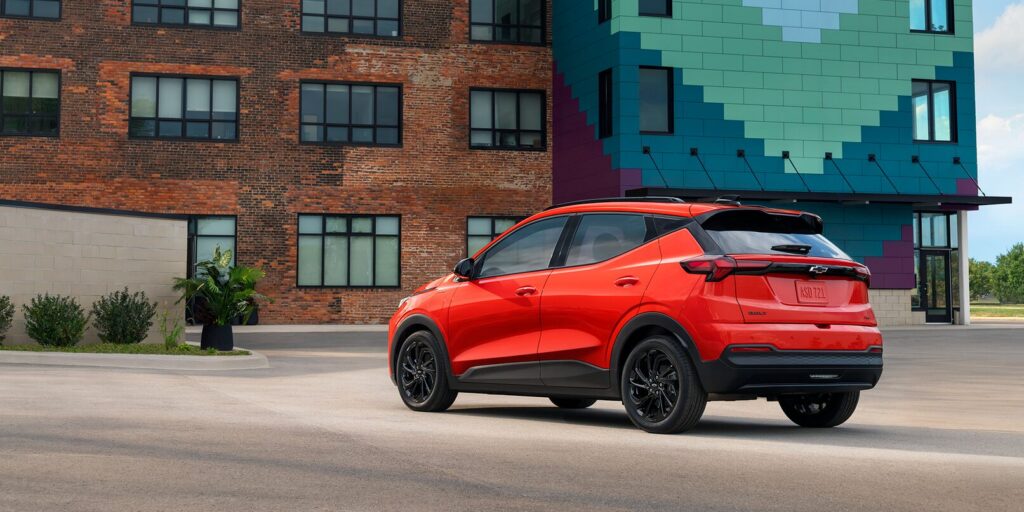
Chevrolet charges $31,600 before destination for the Bolt RS, compared with $27,600 for the LT. The RS includes the LT’s mechanical and technology package, then adds a unique grille, RS badging, gloss-black roof rails, 17-inch black wheels, black Evotex upholstery with red stitching and multicolor ambient lighting.
Evotex is Chevrolet’s leather alternative. The company describes it as durable and stain resistant, qualities that should matter more to most owners than whether a cow contributed to the seating arrangement.
The missing item is increased performance. Both trims send 210 horsepower through the front wheels. Both carry the same 262-mile EPA estimate. Neither offers all-wheel drive.
The RS premium is consequently an emotional purchase. If the appearance makes an owner happier every time the garage door rises, that has value. Anyone building a spreadsheet should select the LT and spend the difference on residential charging equipment, insurance or several years of electricity.
You may also enjoy: The Real Key to EV Adoption Is Home Charging
The New Bolt Fixes the Old Bolt’s Greatest Weakness
The earlier Bolt was efficient, practical and inexpensive by EV standards. It was also one of the least appealing electric cars to find occupying a public fast charger because its charging speed was restricted to roughly 50 kilowatts.
The 2027 model can accept more than 150 kilowatts under suitable conditions. Chevrolet estimates that the battery can move from 10 to 80 percent in approximately 25 minutes. That is a manufacturer estimate rather than a Test Miles measurement, and actual performance will depend on the charger, battery temperature, weather and starting state of charge.
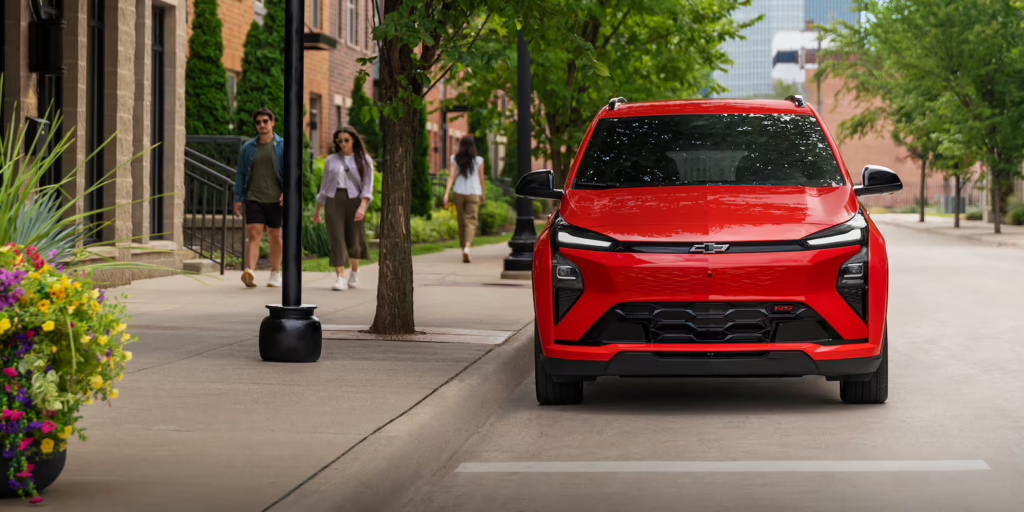
The standard NACS port is equally important. It provides access to compatible Tesla Superchargers without placing an adapter between the car and the cable. Chevrolet says an adapter is included for compatible CCS stations, so owners are not restricted to one connector format.
This combination changes the Bolt’s purpose. It remains best suited to commuting and regional use, but an occasional highway journey no longer appears to involve growing emotionally attached to the charging station.

Range Is Competitive, but Home Charging Matters More
Official figure: The EPA estimates 262 miles of range on a full charge.
Test Miles result: No original range or energy-consumption measurement was supplied.
A 262-mile rating provides a healthy buffer for ordinary driving, although sustained highway speeds, winter temperatures, cabin heating and elevation changes can reduce actual distance. Shoppers should view an EPA figure as a standardized comparison, not a personal guarantee.
The Bolt’s lithium-iron-phosphate battery also changes the normal charging advice. Chevrolet recommends regularly charging it to 100 percent to maintain an accurate range display, support battery performance and help achieve the fastest overall DC charging speeds.
For drivers with a suitable outlet at home, the included dual-level charging cable can replenish the vehicle while it is parked. Most owners will be replacing the miles used that day rather than charging from empty. The U.S. Department of Energy’s charging guide explains the practical differences among Level 1, Level 2 and DC fast charging.
A Familiar Body Hides a Much Newer Vehicle
Chevrolet retained the upright proportions associated with the previous Bolt EUV rather than attempting a needlessly expensive clean-sheet body. New front and rear fascias, lighting and wheel designs distinguish the revived model, but its compact footprint remains one of its principal advantages.
The Bolt measures approximately 170 inches long. That makes it easier to place in an urban parking space than many electric SUVs, which have developed a habit of growing until the local supermarket requires maritime navigation.
The upright roof and hatchback shape should also be more useful than a similarly sized sedan. Chevrolet lists approximately 16 cubic feet of cargo room with the second row in use and roughly 56 cubic feet with it folded. Up to four additional cubic feet are available beneath the cargo floor.
The Bolt is not rated to tow and does not include a spare tire. Chevrolet supplies an inflator kit instead. Anyone regularly traveling through remote areas should decide whether that arrangement provides enough reassurance.
The Cabin Keeps Buttons but Loses Phone Projection
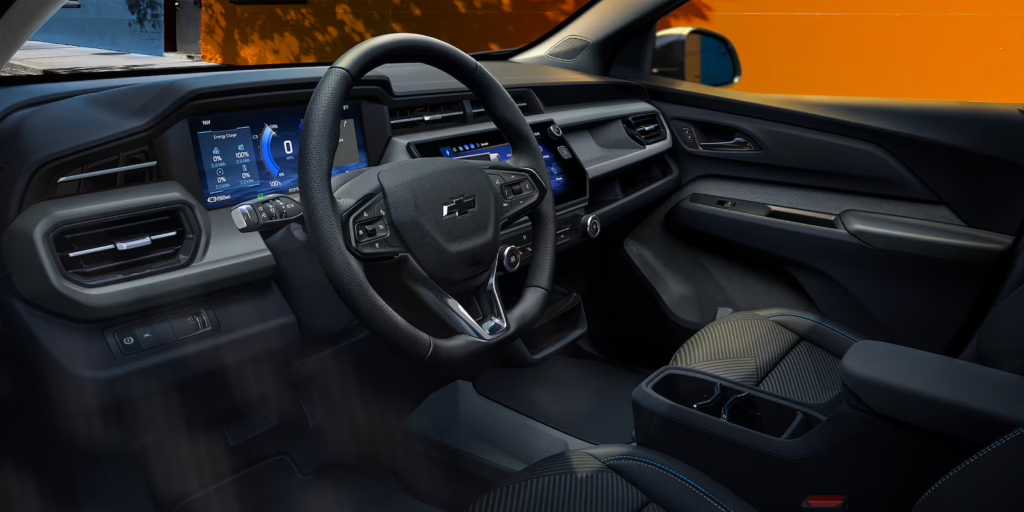
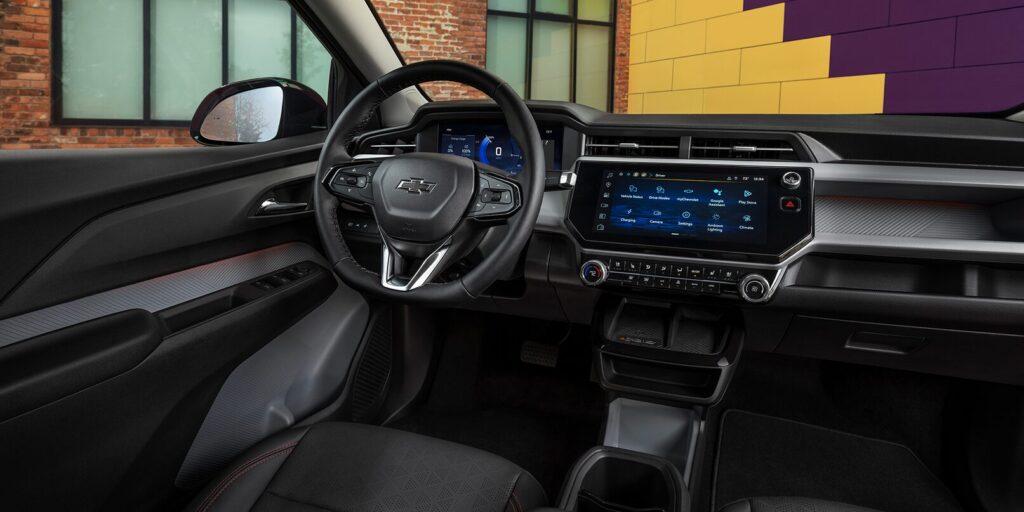
The redesigned dashboard contains an 11-inch driver-information display and an 11.3-inch central touchscreen. Chevrolet wisely retains physical climate controls, allowing drivers to adjust temperature without opening a digital cupboard and searching behind the virtual towels.
Google built-in provides Google Maps, voice assistance through Google Gemini and access to compatible applications. Integrated navigation can account for charging stops and prepare the battery as the vehicle approaches a fast charger.
The controversy is what is missing. The Bolt does not support Apple CarPlay or Android Auto. Bluetooth remains available, but owners who have organized their music, messages and navigation around phone projection must move into Chevrolet’s system.
That decision deserves consideration during a dealership visit. Connect the phone, plan a destination, make a call and find the applications you use regularly. A screen can look excellent in a brochure and still become tiresome by the third week of ownership.
You may also enjoy: Lucid Gravity Review: Brilliant SUV, Unfinished Software
Safety Equipment Is Generous, but Ratings Matter
Chevrolet lists more than 20 standard safety and driver-assistance features. Adaptive Cruise Control is standard and can maintain a selected following distance from detected traffic. Rear Park Assist and IntelliBeam automatic high beams are also among the available functions described by Chevrolet.
Super Cruise is available. On compatible roads and under appropriate conditions, it permits hands-free driving assistance while monitoring the driver’s attention. It remains a Level 2 assistance system. The person in the seat is responsible for watching the road and taking control when required.
A complete 2027 Bolt rating from the National Highway Traffic Safety Administration or Insurance Institute for Highway Safety was not verified at publication time. Buyers should check again as independently conducted crash-test results become available.
How the Bolt RS Compares
The Nissan Leaf is the most direct alternative because it also aims to make electric driving accessible without becoming a luxury purchase. Shoppers should compare the exact trim prices, EPA ratings and charging equipment because entry-level advertising figures do not always describe the version sitting on a dealer’s lot.
The Kia Niro EV presents itself as a more conventional small crossover. It may appeal to drivers who value a traditional cabin and phone integration, but it generally requires a higher budget.
The Chevrolet Equinox EV supplies more passenger and cargo room and can be a better family vehicle. Its higher price and larger exterior make the Bolt more attractive for couples, commuters and urban owners who do not need the additional space.
The Tesla Model 3 offers a sedan body, a mature charging ecosystem and a different performance character. The Bolt counters with a lower entry price, an upright hatchback and physical climate controls.
You may also enjoy: Lucid Plans Two New Electric Crossovers Under $50,000
Should You Buy the 2027 Chevrolet Bolt RS?
The revived Bolt deserves a place on the shopping list because Chevrolet addressed the previous model’s most damaging weakness without allowing the price to drift into luxury territory. Its 262-mile rating, native NACS port and much faster charging turn it into a credible all-purpose small EV rather than a commuter that merely tolerates longer journeys.
The RS itself is less straightforward. It looks more expensive and its Evotex cabin should be easier to clean, but it is no quicker than the LT. The $4,000 difference buys style, and style is difficult to calculate because nobody has ever fallen in love with a spreadsheet.
Choose the RS if its appearance makes the Bolt feel like a car you want rather than a financial decision you respect. Choose the LT if maximum value is the priority. Either way, the strongest reason to buy is the combination of price, range and improved charging. The strongest reason to hesitate is Chevrolet’s rejection of phone projection, followed by the limited-run status of the vehicle.
2027 Chevrolet Bolt RS FAQ
How much does the 2027 Chevrolet Bolt RS cost?
The Bolt RS starts at $31,600 before Chevrolet’s $1,395 destination charge. That produces a minimum effective price of $32,995 before taxes, registration and optional equipment. The less expensive Bolt LT starts at $27,600 before destination.
What is the EPA range of the 2027 Bolt RS?
The EPA-estimated range is 262 miles. Actual distance will vary with temperature, speed, elevation, climate-control use, traffic and driving style. Test Miles did not receive original range-test results for this analysis.
How quickly can the new Chevrolet Bolt charge?
Chevrolet estimates approximately 25 minutes to charge from 10 to 80 percent at a suitable public DC fast charger. The Bolt can accept more than 150 kilowatts under appropriate conditions, but peak power is not maintained throughout an entire charging session.
Can the 2027 Bolt use Tesla Superchargers?
Yes. Its standard NACS port provides access to compatible Tesla Superchargers without an adapter. Not every Tesla station necessarily supports every non-Tesla vehicle, so owners should confirm compatibility through the myChevrolet app before relying on a particular location.
Does the Chevrolet Bolt RS have Apple CarPlay?
No. The 2027 Bolt does not provide Apple CarPlay or Android Auto. It uses Google built-in for navigation, voice assistance and compatible applications. Phones can still connect through Bluetooth, but shoppers should test the system before buying.
Is the Bolt RS faster than the Bolt LT?
No additional performance is claimed for the RS. Both trims use the same 210-horsepower front-wheel-drive electric powertrain. The RS package concentrates on exterior details, black wheels, Evotex upholstery, red stitching and ambient lighting.