Honda Civic Type R HRC: America’s Next Hot Hatch?
By Robert R Guio
The Honda Civic Type R HRC is being developed for America, promising a more focused performance car shaped by Honda racing engineers. The Civic Type R will make leaps and bounds from the one we had in 2023. As with you, we’re looking forward to what HRC can do with this already solid platform.
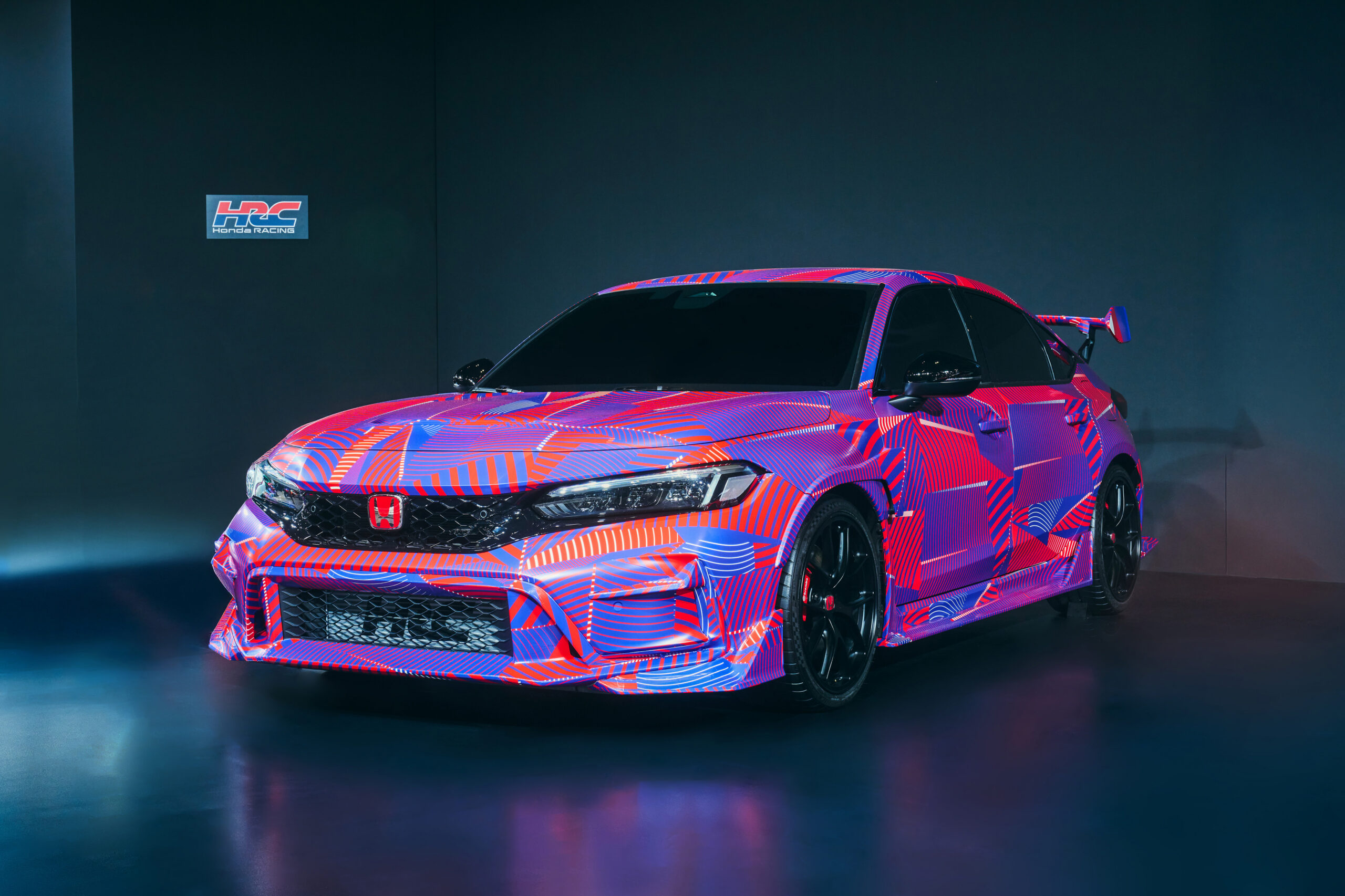
Honda has announced something that should interest anyone who believes a great performance car is about much more than its horsepower figure. The Civic Type R HRC Concept is officially being developed for the United States, bringing Honda Racing Corporation’s engineering expertise closer to American showrooms. For enthusiasts who appreciate a proper manual gearbox, precise handling and a car that rewards driving skill rather than simply delivering impressive acceleration numbers, this is a particularly interesting development.
There is, however, an important distinction between what Honda has announced and what enthusiasts might be expecting. The company has confirmed development for the American market, but it has not revealed a final production specification, retail price or customer delivery date. That makes this an opportunity to examine what Honda is trying to accomplish, why the HRC project matters and whether a more specialized Civic Type R could justify its place above an already excellent performance car.
Why the Honda Civic Type R HRC Matters
The Civic Type R has spent decades establishing itself as one of the most engaging front-wheel-drive performance cars available. Honda hasn’t needed enormous displacement or extravagant horsepower figures to make it entertaining because much of the car’s appeal comes from the relationship between its engine, chassis, steering, and driver. That carefully balanced formula has helped the Type R develop a following among enthusiasts who appreciate the difference between a car that is simply fast and one that is genuinely enjoyable to drive.
Honda Racing Corporation now wants to take that formula further. The HRC Concept made its world debut at the Tokyo Auto Salon in January 2026 before arriving in North America for the November SEMA Show in Las Vegas. According to Honda, the project incorporates the expertise of engineers and racing drivers responsible for developing the company’s competition machinery. The company has also identified HRC-spec production vehicles as part of its wider performance strategy, suggesting a more substantial commitment than producing a one-off show car.
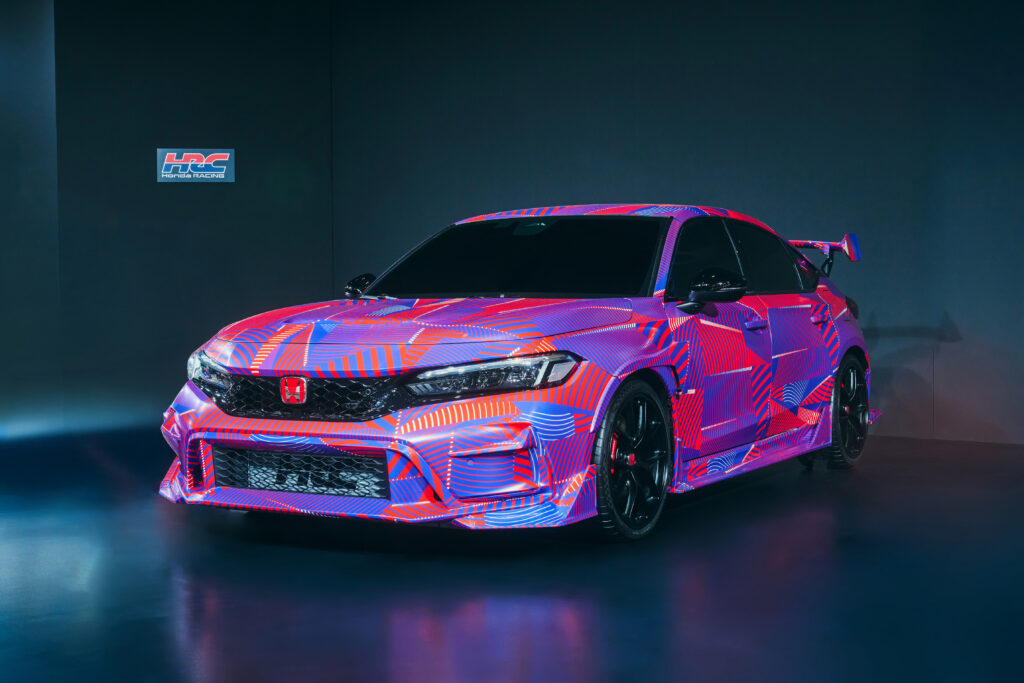
What Honda hasn’t provided is a complete specification sheet. There is no official HRC horsepower figure, no confirmed production suspension package and no announced American retail price. Those missing details are particularly important because Honda already sells a very capable Civic Type R, and a more expensive version would need to deliver meaningful improvements beyond more aggressive styling and additional racing badges.
You may also enjoy: Honda SEMA 2026: Racing Power You Could Actually Buy
The Existing Type R Sets a High Standard
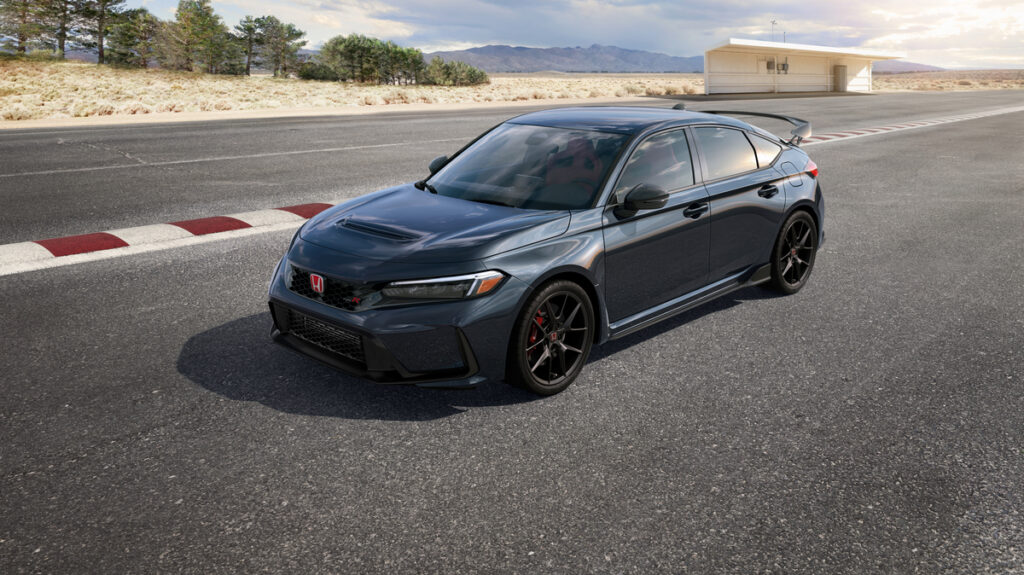
Consider what Honda has already accomplished with the refreshed 2027 Civic Type R. Its turbocharged 2.0-liter engine produces 315 horsepower, working through a six-speed manual gearbox, and the starting manufacturer’s suggested retail price is $48,695, rising to $49,990 with Honda’s destination charge included. Those figures establish a strong starting point, particularly for buyers who want a practical hatchback that can deliver a genuinely engaging performance experience.
Rather than concentrating entirely on a larger horsepower headline, Honda improved several aspects of the Type R that drivers might actually notice. The redesigned front end enhances cooling and aerodynamic performance, while revised suspension damping improves body control in +R mode. Engineers also adjusted brake-pedal response and the engine’s rev-matching system, helping the vehicle feel more consistent and predictable when driven enthusiastically. These are the kinds of improvements that can make a well-developed performance car more rewarding without dramatically changing its specifications.
Consistency matters considerably more than a single spectacular performance number. A car that feels predictable through repeated corners, hard braking and demanding changes of direction can be more satisfying than one offering a little extra power but less confidence. That’s the standard an HRC version should meet. Additional horsepower would certainly attract attention, but improved cooling, steering feedback, braking endurance and suspension control could prove considerably more valuable to someone who genuinely enjoys driving.
You may also enjoy: 2027 Honda Civic Type R: Honda Fixed the Right Things
Racing Hardware Has to Work on Real Roads
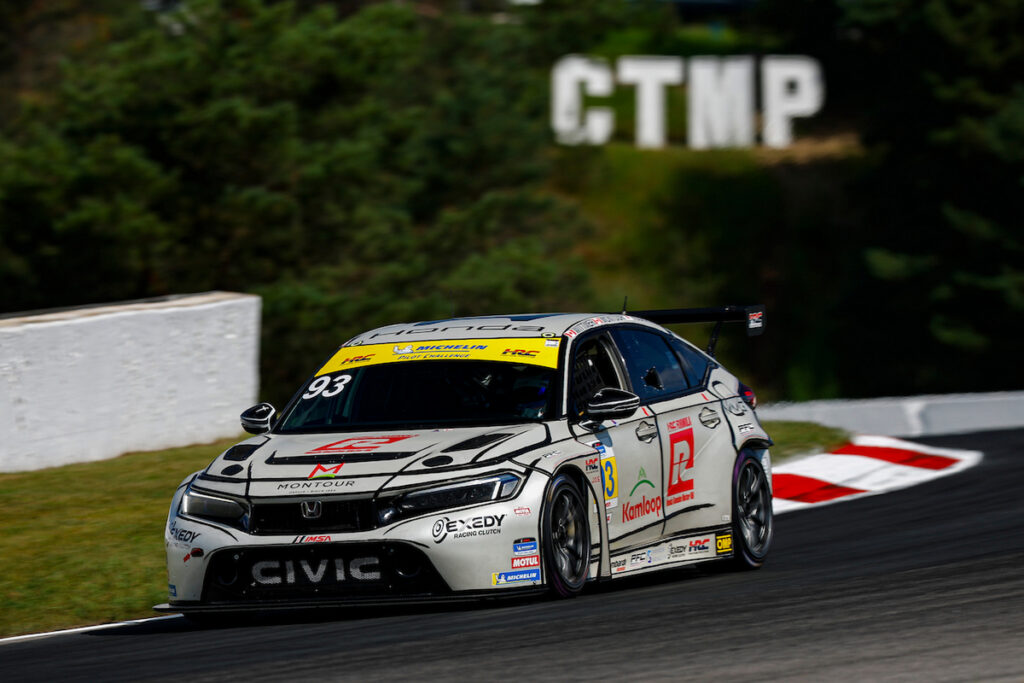
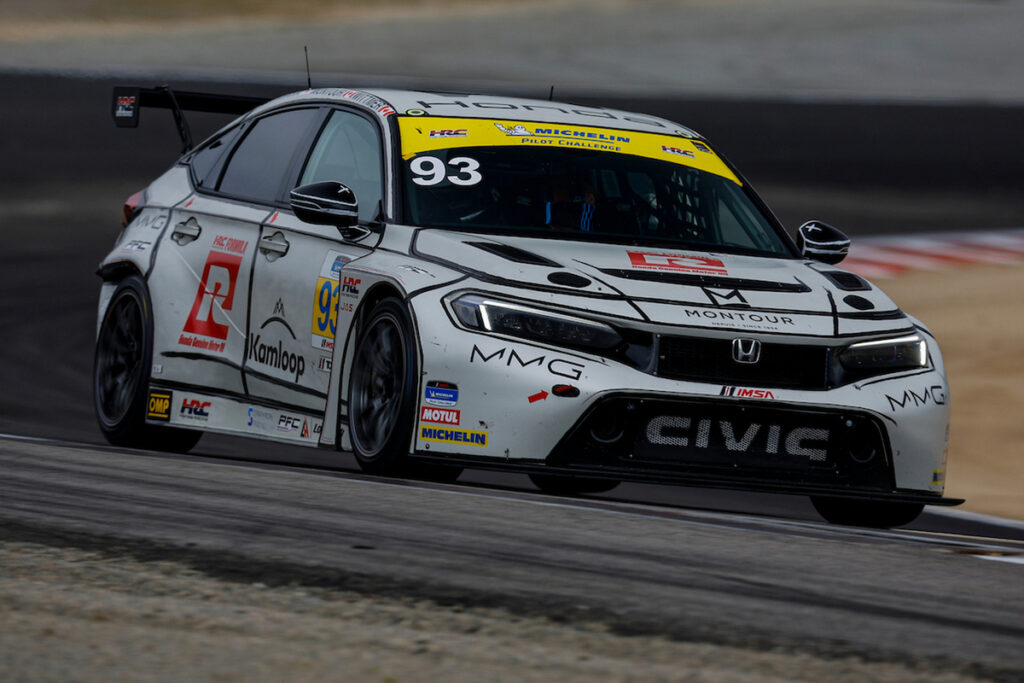
Honda has significant motorsport experience to draw upon, and its American racing organization develops powertrains, chassis systems and electronics for some extremely demanding competition environments. The Civic Type R also provides the foundation for a dedicated TCR touring race car, demonstrating the underlying platform’s suitability for professional racing. Translating that knowledge into a more focused road car is a promising idea, but racing technology needs careful adaptation before it becomes genuinely useful to ordinary drivers.
The fastest setup on a racing circuit isn’t necessarily the best arrangement for someone navigating potholes on the way to work. Stiffer suspension may improve precision while making everyday journeys uncomfortable, and additional aerodynamic downforce may improve high-speed stability without delivering much benefit during a normal commute. Track-oriented tires can increase dry-weather grip while introducing compromises in tread life, cold-weather performance and running costs. These considerations matter because even an expensive performance car should be enjoyable during the other 95 percent of its life.
The National Highway Traffic Safety Administration explains how tire ratings help consumers evaluate treadwear, wet traction and temperature resistance. Although those characteristics rarely receive as much attention as horsepower figures, they can have a much greater influence on everyday ownership. Honda must also ensure that any production HRC vehicle satisfies relevant road-use requirements, and buyers should consult independent safety ratings when results for the finished model become available. A concept’s aggressive appearance offers little insight into its final safety engineering or everyday usability.
That is why I would reserve judgment until Honda reveals the complete hardware and demonstrates the finished car’s behavior. The most convincing HRC Civic would be one that feels more precise and capable without becoming unnecessarily punishing on ordinary roads. Racing credentials are impressive, but a performance car earns its reputation through the way those technologies actually work.
You may also enjoy: 2026 Honda Prelude Review: Is Slower More Fun?
Honda Has Already Started Selling the Performance Idea
One part of Honda’s wider HRC strategy already has a confirmed timetable. The company plans to begin offering HRC Performance Parts through American Honda and Acura dealers in March 2027, creating a new route for enthusiasts who want to improve or personalize vehicles they already own. The program covers models including the Civic Type R and Acura Integra Type S, with forged wheels, tuned exhaust systems and additional performance components among the products being developed.
Honda says the parts are undergoing durability and performance evaluation, including testing at Germany’s Nürburgring. That is encouraging because the circuit places considerable demands on suspension, braking and powertrain components, although manufacturer testing claims should not be confused with independent proof of a particular performance improvement. Buyers will ultimately need to consider what each component actually changes, whether the improvement suits their driving habits and how the upgrade affects the vehicle’s overall balance.
There is also the question of ownership and warranty protection. The Federal Trade Commission’s explanation of vehicle warranties makes clear that installing aftermarket parts does not automatically cancel warranty coverage, although damage caused by a defective or incorrectly installed component may fall outside that protection. Buyers considering exhaust modifications should also understand applicable emissions requirements, because an accessory being available for purchase does not automatically establish that it is legal for every road application.
Honda’s dealer-supported performance-parts program could offer a more straightforward alternative to assembling upgrades from unrelated suppliers, particularly if the company provides clearly documented compatibility, installation procedures and warranty terms. Actual pricing and product availability will determine how appealing the program becomes, but it does give Honda an opportunity to build a more substantial relationship with enthusiasts beyond the initial vehicle purchase.
You may also enjoy: 2026 Honda Prelude Hybrid: Type R Parts, Real GT
Would I Wait for the HRC or Buy the Regular Type R?
For someone who wants a manual-transmission performance hatchback now, the regular 2027 Civic Type R already presents a strong argument. It offers proper rear seats, useful cargo space, serious performance engineering and improvements intended to make the driving experience more satisfying. It also comes with a known price and an EPA combined fuel-economy rating of 24 mpg, giving potential buyers some tangible information with which to evaluate ownership costs. The Environmental Protection Agency’s fuel economy label provides a standardized starting point for comparing vehicles, although actual consumption naturally depends on conditions and driving behavior.
The HRC version is potentially more interesting for buyers who are prepared to wait for something considerably more specialized. Its appeal will depend on whether Honda’s engineers improve the driving experience enough to justify whatever additional cost the finished vehicle might carry. I would be particularly interested in repeatable braking performance, steering precision, suspension response and whether the car remains enjoyable away from perfectly smooth racetracks. Those characteristics tell us much more about a genuinely accomplished performance vehicle than the size of the number printed beside horsepower.
More power would certainly be welcome, but if Honda can improve the way its performance hatchback behaves throughout an entire demanding drive, that would be a considerably more convincing achievement. Until the company publishes final specifications, buyers should avoid assuming that the HRC will automatically be quicker, more expensive or better suited to their particular needs. The regular Type R is already a strong product, and the HRC will need to establish its own reasons for existing.
You may also enjoy: Honda’s Next Move: Hybrids, EVs, and Supply
The Bigger Opportunity for Honda Racing Corporation
The Civic Type R HRC development announcement offers an indication of where Honda wants its performance brand to go. Alongside its investments in electrification and hybrid technology, the company is making a visible commitment to vehicles that place driving involvement at the center of the experience. That doesn’t require every Honda to become a track car, and the company’s different performance models demonstrate how engineering expertise can be applied to vehicles with very different purposes. The Prelude, for example, uses performance-oriented chassis technology to make an efficient grand tourer more engaging, while the Type R represents a considerably more focused interpretation of Honda’s driving philosophy.
Honda now has an opportunity to build a genuinely special version of a car that is already difficult to improve. The regular Type R has established a reputation for precise handling, strong performance and the kind of mechanical engagement that has become increasingly uncommon in new vehicles. An HRC derivative could strengthen those qualities, but success should be measured by what drivers actually experience rather than how aggressively the vehicle is styled or how prominently the racing division’s name appears on its bodywork.
My recommendation is to approach the announcement with enthusiasm but also with realistic expectations. Honda’s engineering work is genuine, and the American market is officially part of the company’s development plans, but the finished car still needs to justify its existence through measurable and meaningful improvements. If Honda’s racing engineers can produce a Civic that communicates more clearly, performs more consistently and remains enjoyable on public roads, the HRC badge could become something enthusiasts genuinely value. That would be far more satisfying than simply adding horsepower to a car that already has plenty.