Volvo XC60 Plug-In Hybrid Reaches 78 Electric Miles
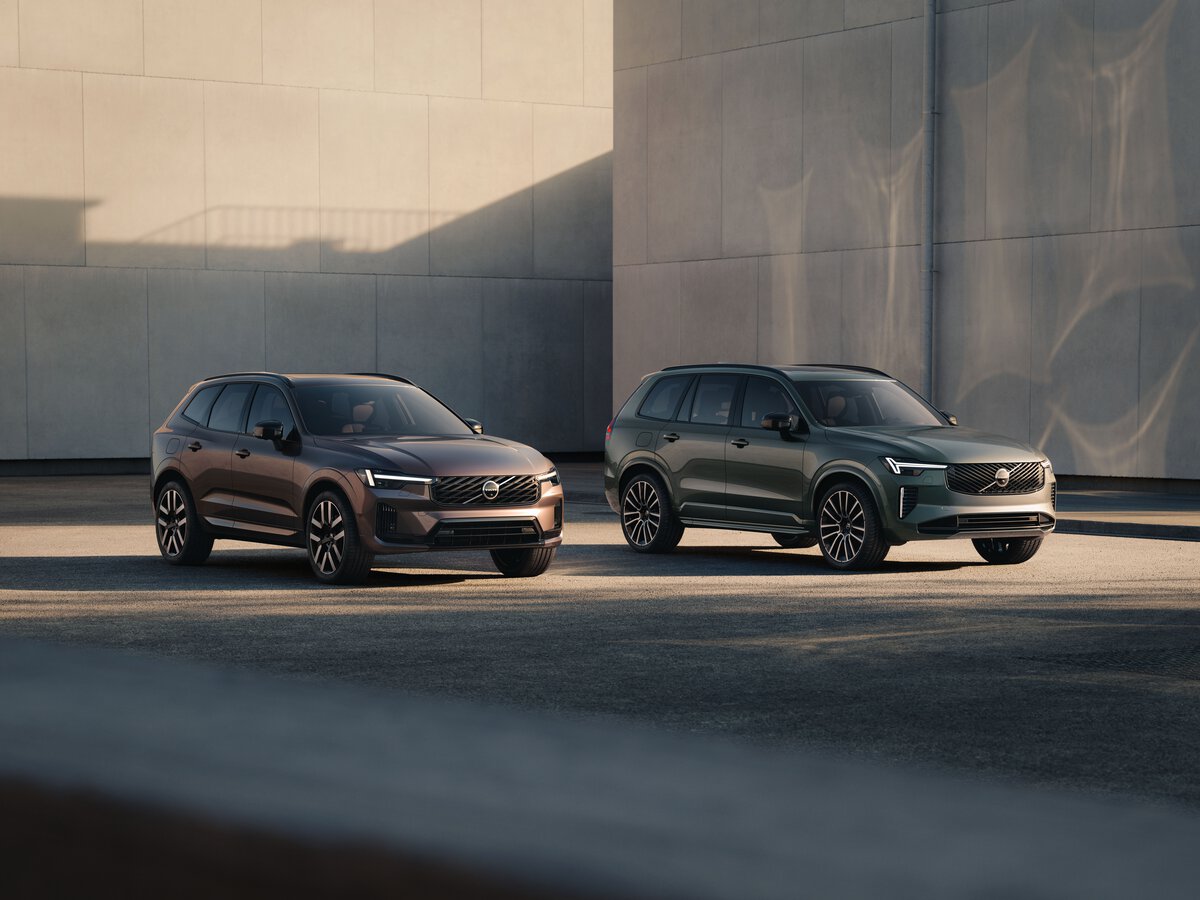
The Volvo XC60 plug-in hybrid now promises 78 electric miles, reshaping the case for a PHEV while the XC90 reaches 73 miles.
There has always been one awkward question hanging over the plug-in hybrid: how much electric range is enough to make plugging it in genuinely worthwhile?
Volvo may finally be approaching an answer that changes the conversation. Its new long-range XC60 T8 AWD plug-in hybrid is expected to deliver up to 78 miles of electric driving, while the larger XC90 version reaches as much as 73 miles. Volvo says those preliminary EPA-based figures would make the pair the longest-electric-range plug-in hybrids offered in America.
That is a much more interesting story than another SUV receiving a bigger battery. At nearly 80 miles, a PHEV begins behaving like an EV for the part of driving most owners do every day while keeping a gasoline engine available for the journeys that make some buyers reluctant to go fully electric.
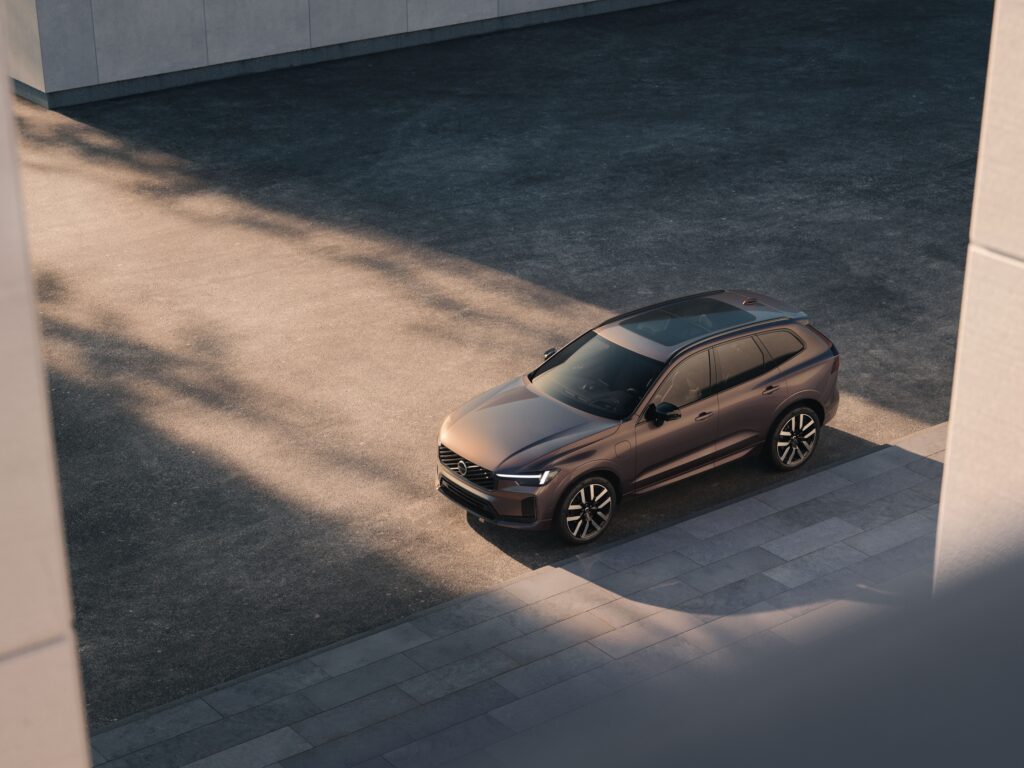
Volvo says both SUVs more than double the electric range of their existing plug-in versions through a larger floor-integrated battery and a stronger electric motor. The gasoline engine remains available when required. Production is scheduled to begin later this fall, with customer deliveries expected in early 2027.
Volvo XC60 Plug-In Hybrid Crosses an Important Line
The headline figure is 78 miles, but the useful way to interpret it is not as a record. Think about what an owner can stop doing.
A driver with home charging and a 20-mile commute could theoretically complete the round trip, add errands, make a school pickup and still have substantial electric range remaining. Repeat that pattern while charging overnight and the gasoline engine may spend much of the working week waiting patiently for a road trip.
That is fundamentally different from a PHEV whose electric capability is routinely exhausted halfway through a busy day.
The EPA explains that plug-in hybrids operate using both electricity and gasoline, with separate efficiency measurements depending on the operating mode. The agency also cautions that actual range varies with conditions and use.
Volvo makes the same qualification. Its announced 78-mile XC60 and 73-mile XC90 figures are preliminary and based on EPA testing standards. Temperature, battery condition, topography, speed, weather, vehicle specification and driving style can all move the real number.
That caveat matters, but it does not erase the underlying change. Starting with more than 70 miles creates considerably more breathing room than starting with 30 or 40.
You may also enjoy: 2025 Range Rover Sport PHEV Is the Longest-Range Luxury Plug-In
There is one buyer qualification I would put in capital letters if typography allowed it politely: a plug-in hybrid only makes sense as a plug-in hybrid if you actually plug it in. Owners who rarely charge are hauling around an electric drivetrain without taking full advantage of it.
For someone with regular overnight charging, however, Volvo’s new range could move the XC60 from “hybrid with an electric bonus” toward “electric commuter with a gasoline escape route.” That distinction is the entire reason this announcement matters.
The Bigger Question Is Whether PHEVs Are Becoming the Sweet Spot
The auto industry’s path toward full electrification has become more complicated than the early strategy presentations suggested. Consumers do not all have garages, predictable charging, short commutes or the same tolerance for planning a 500-mile family journey around charging infrastructure.
That leaves room for vehicles that electrify ordinary driving without forcing every trip into an EV pattern.
Test Miles has previously looked at the growing range of plug-in hybrids available to U.S. shoppers. What Volvo is changing here is the scale of the electric portion of the equation.
For comparison, Toyota’s latest RAV4 plug-in hybrid offers up to roughly 50 miles of electric range depending on trim. That vehicle already demonstrates how a PHEV can cover substantial daily mileage without using gasoline. The 2026 Toyota RAV4 review provides useful context for how rapidly mainstream PHEV capability has been increasing.
Moving from around 50 miles toward 78 is not simply 28 additional miles on a specification sheet. It potentially means another errand, another commute leg or another day between gasoline-engine starts.
The catch is complexity. A PHEV carries two propulsion systems. There is a combustion engine, fuel tank and emissions system as well as a battery, electric motor and charging hardware. A battery-electric vehicle has fewer propulsion components, while a conventional hybrid does not require the owner to establish a charging routine.
The Volvo therefore makes the strongest case for a particular buyer: someone who can charge consistently, wants to drive electrically most of the time, but still wants the ability to cover long distances without depending on public fast charging.
That group may be larger than EV purists or gasoline loyalists sometimes admit.
You may also enjoy: 2025 EV Consideration Report: Americans Still Kicking the Tires on Electric
The New XC60 Is More Than a Powertrain Update
Volvo is also giving the XC60 a substantial visual and technology refresh, which makes sense considering the model’s importance. Company CEO Håkan Samuelsson calls the XC60 Volvo’s best-selling model of all time.
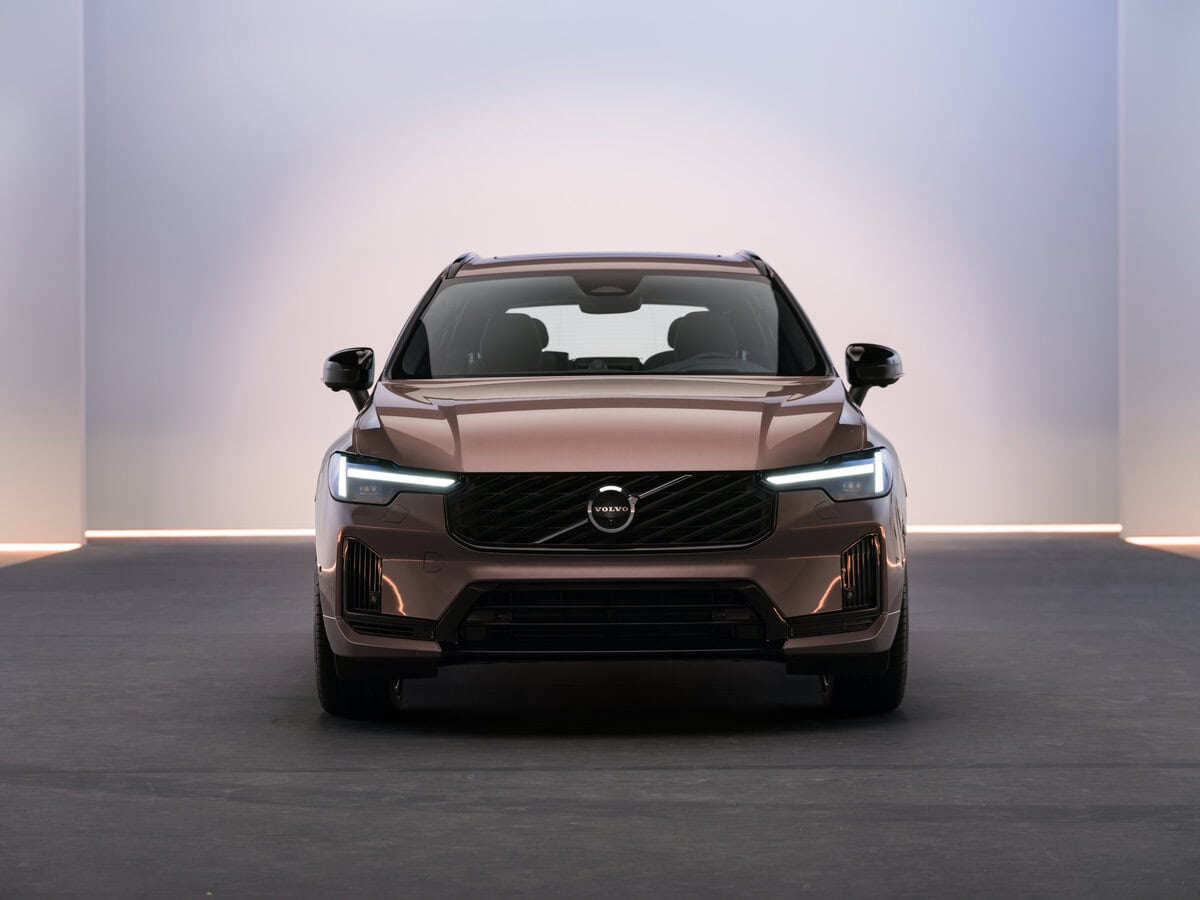
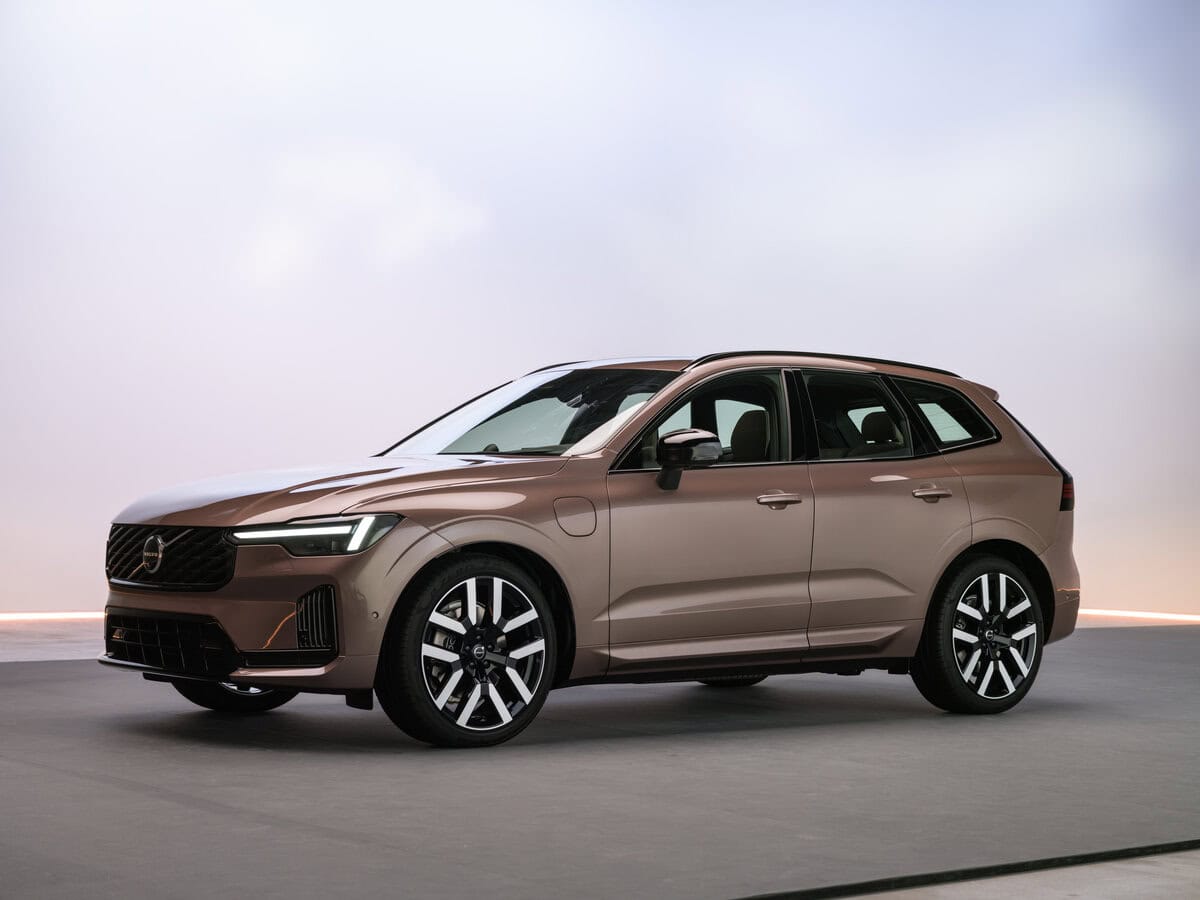
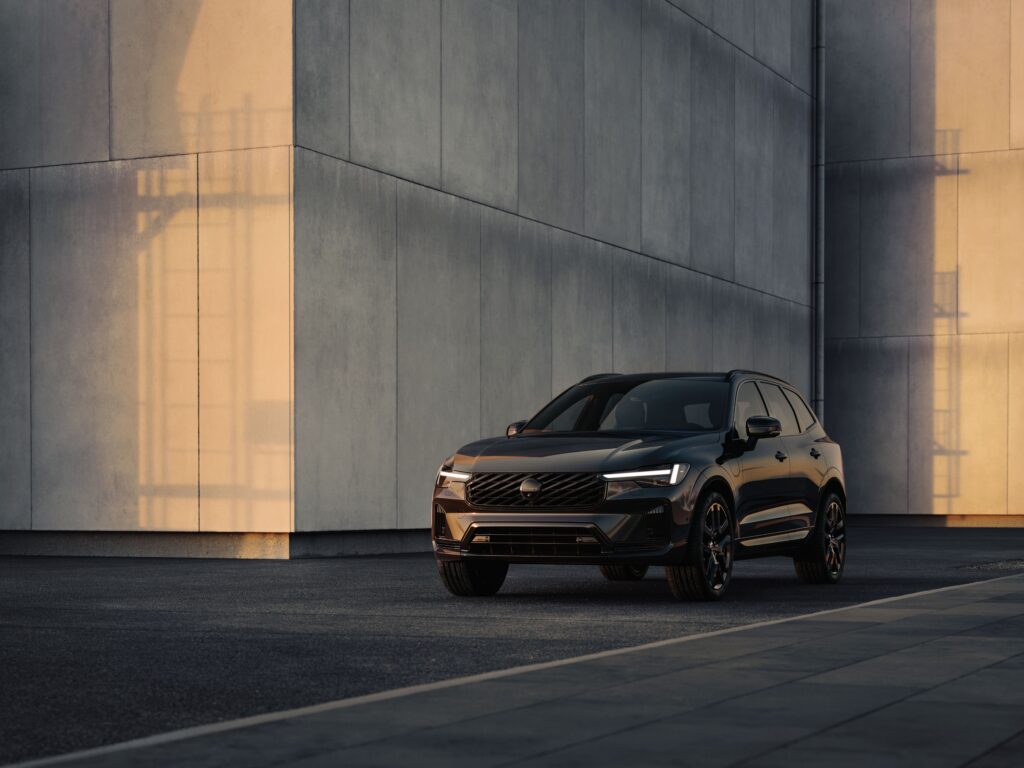
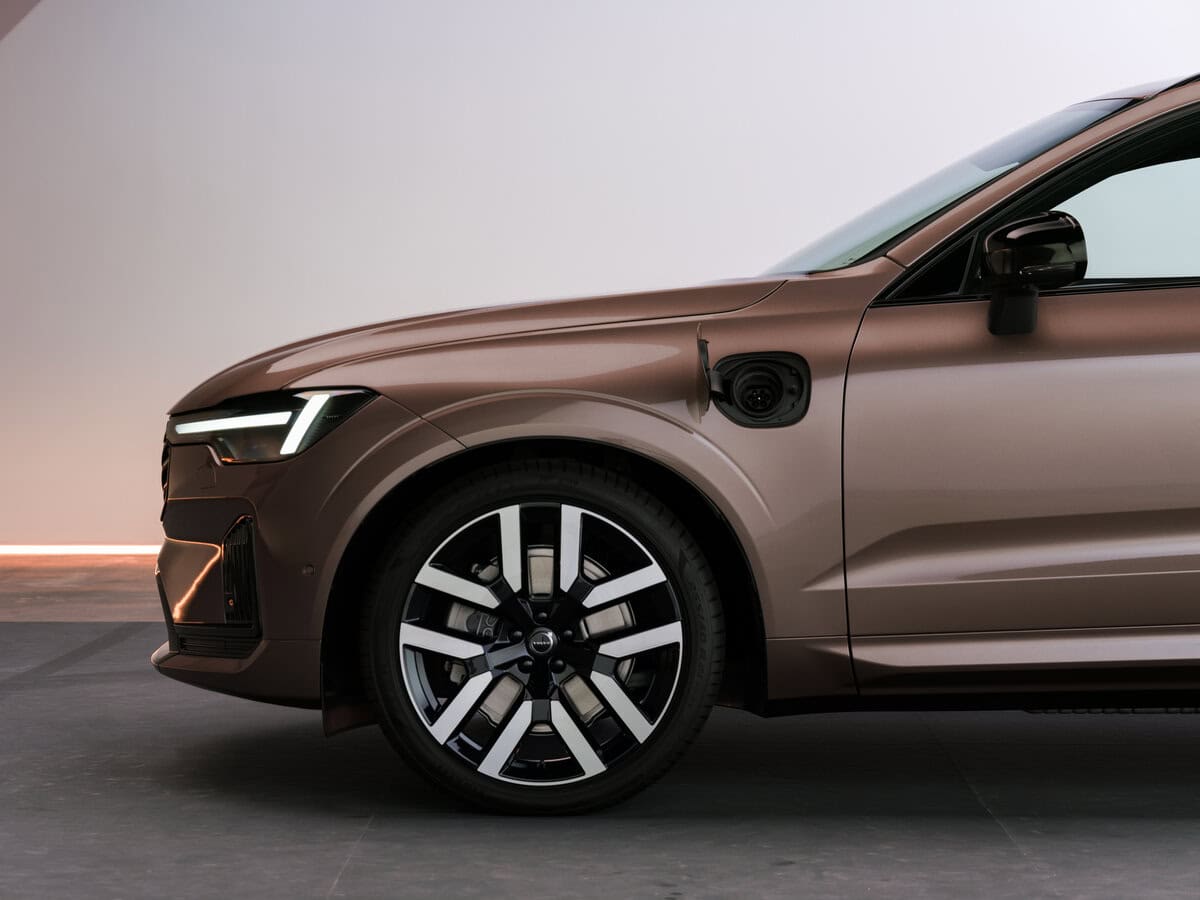
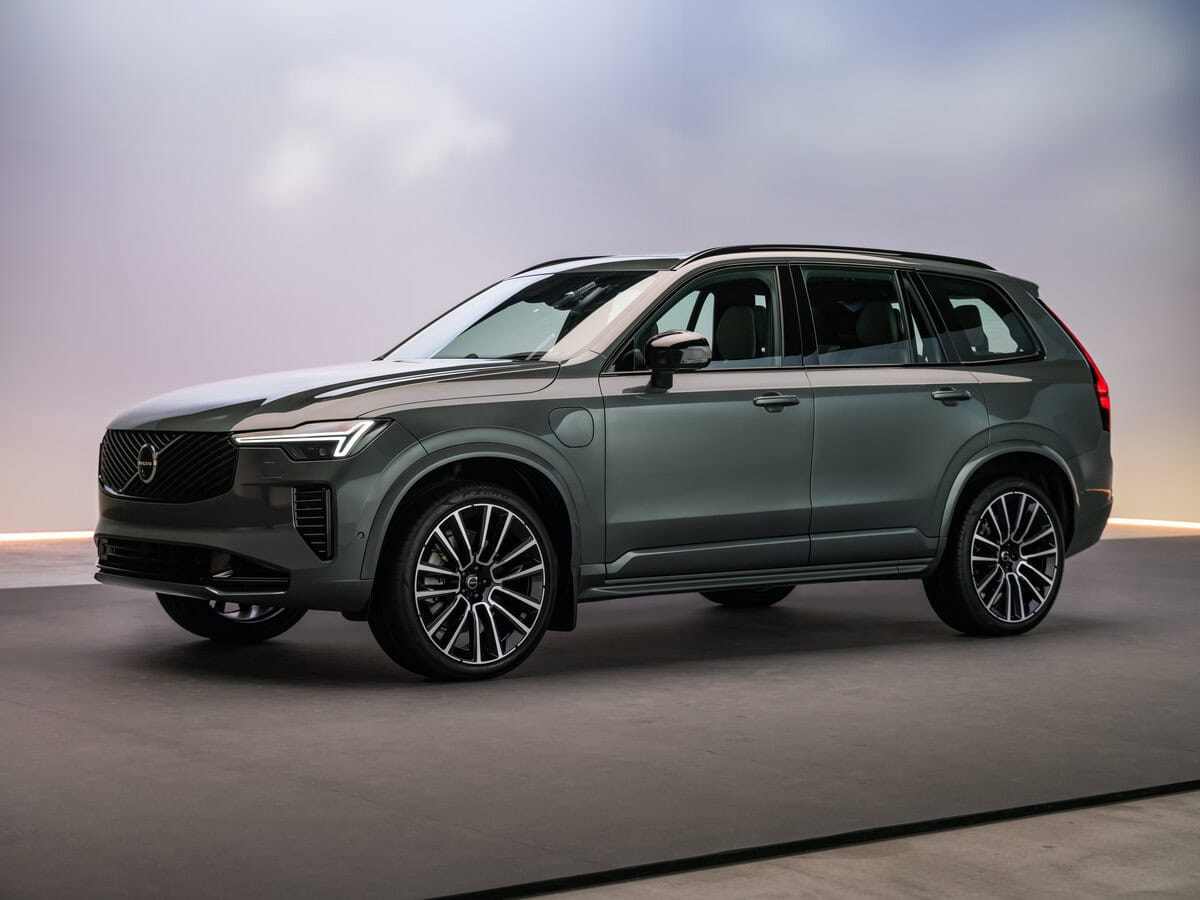
The nose gets an updated grille along with a redesigned bumper, hood and front fenders. The wheels are new, and Volvo has revised its Thor’s Hammer LED daytime-running-light treatment. At the back, the tailgate, lamps and bumper have been reworked with stronger horizontal lines.
The changes shown in Volvo’s supplied press material are evolutionary rather than dramatic. That seems sensible. The XC60’s existing proportions and Scandinavian design language are already among the characteristics that distinguish it from the more aggressive styling used by some luxury-SUV rivals.
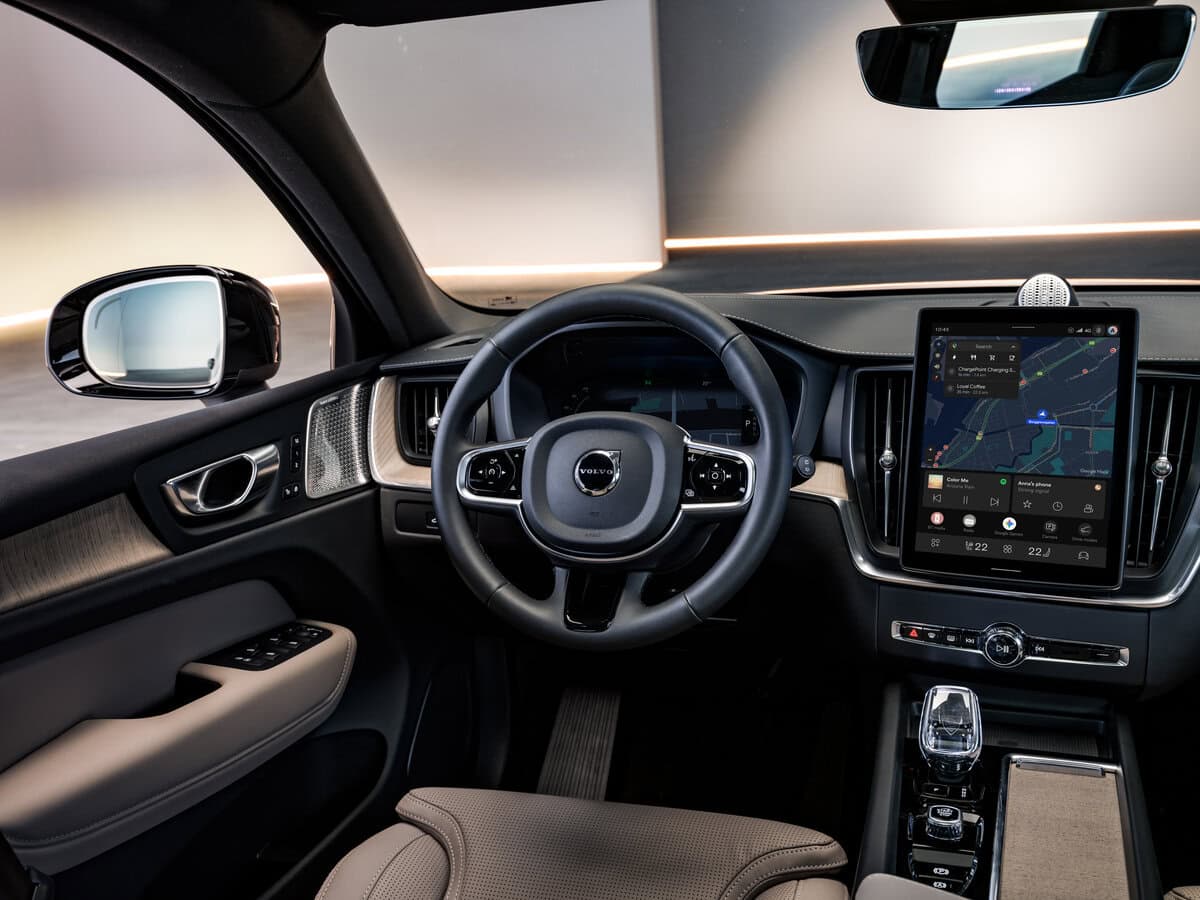
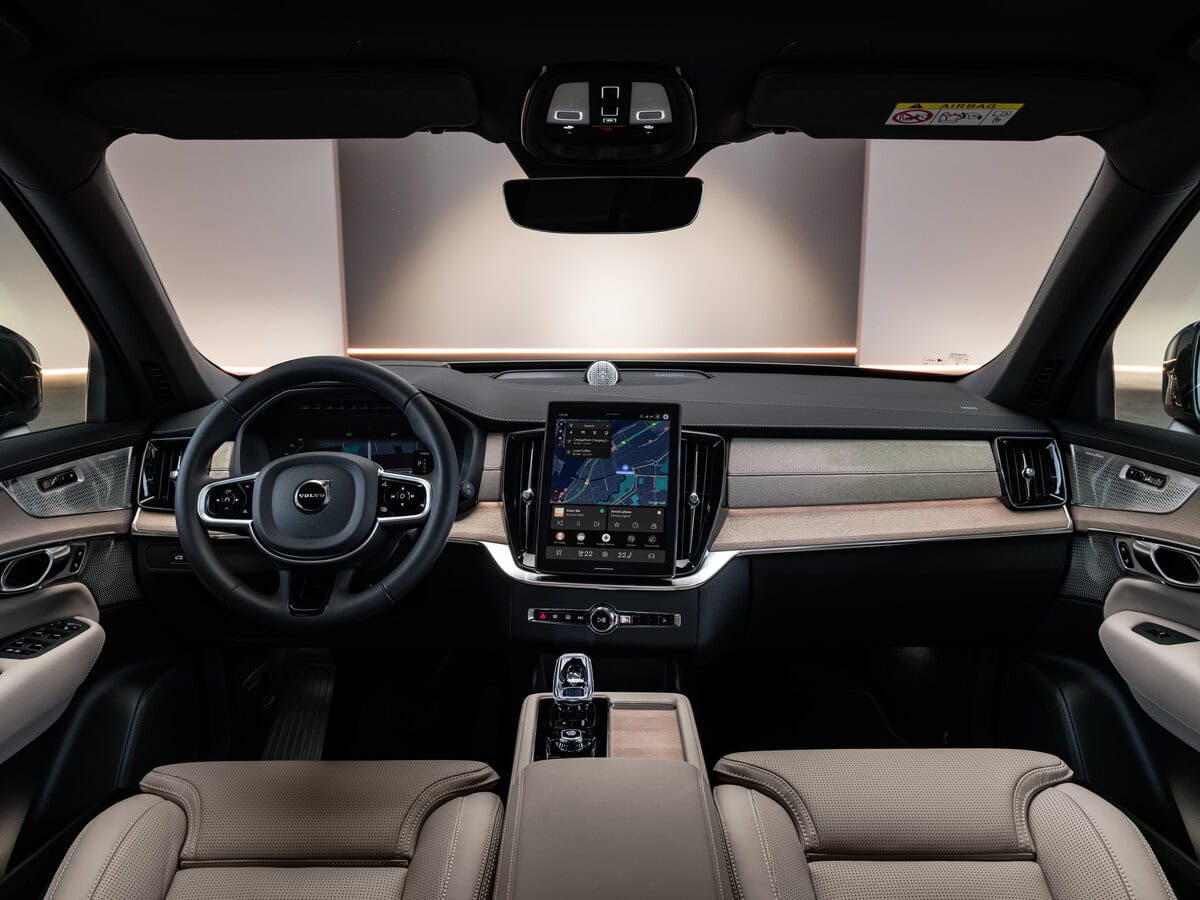
Inside, Volvo lists a redesigned dashboard and door panels, new wood trim, available Cardamom ventilated Nappa leather and upgraded interior illumination.
The technology deserves closer scrutiny because it affects day-to-day use more than another grille texture.
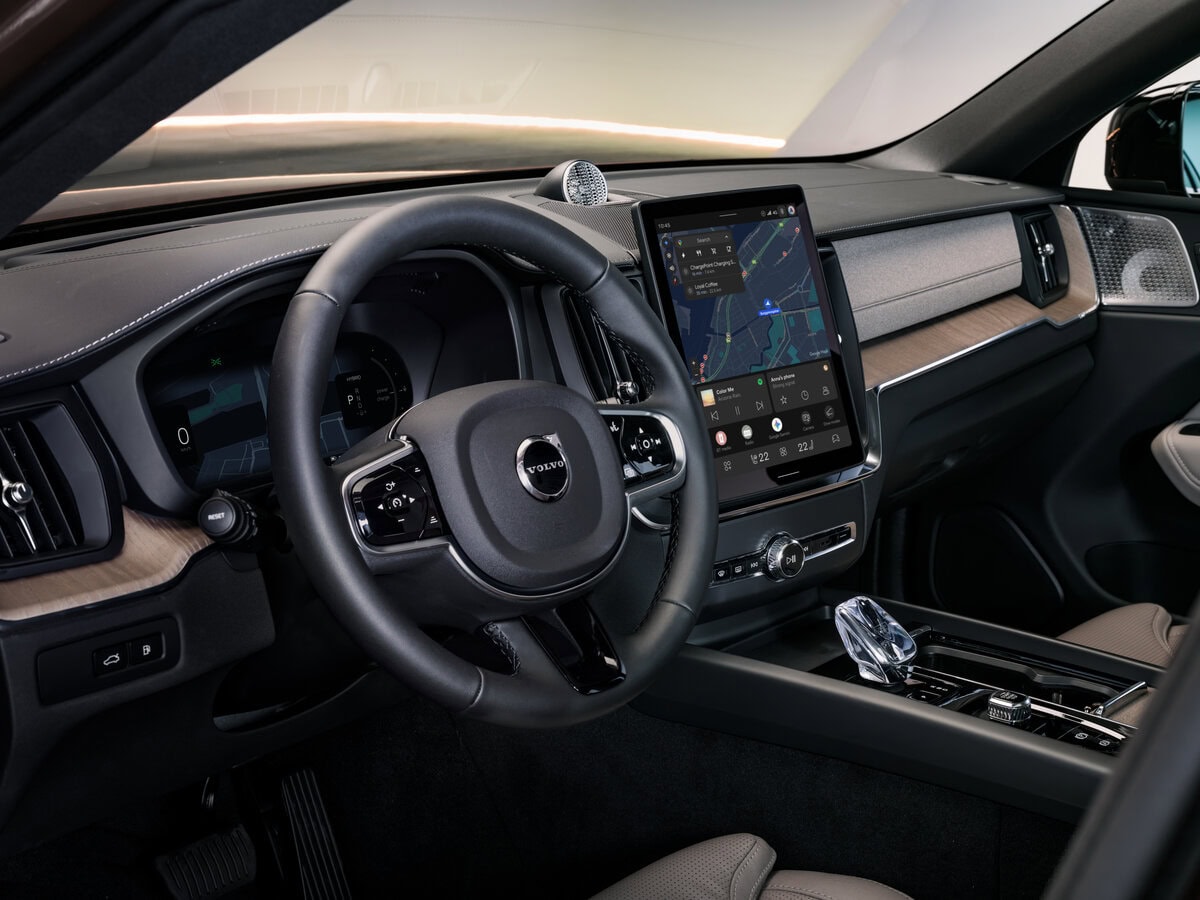
An 11.2-inch display runs the latest Volvo Car UX interface. Google Gemini is also being added as the voice assistant. Google says Gemini is now available in eligible vehicles with Google built-in, although features can depend on manufacturer, language, region, account setup and data connectivity.
In Volvo’s application, the company says drivers will be able to use natural speech for functions including journey planning, finding stops and managing messages. Google has separately described Gemini’s move into cars as an effort to make in-vehicle interaction more conversational.
That sounds useful. The meaningful test, however, is not whether a demonstration can answer an impressive question. It is whether the system reliably handles the boring commands drivers issue every day without forcing them to touch the screen after voice control fails.
That is particularly important in modern cars because touchscreens have steadily absorbed functions once handled by physical controls.
You may also enjoy: Volvo EX30 vs The World
Safety Technology Still Needs the Driver in the Loop
Volvo’s second major XC60 story is the expansion of driver-assistance and active-safety technology.
The company says an upgraded sensing package uses radar, cameras and other sensors. Functions include automatic emergency braking, automatic emergency steering, lane-change assistance, a 360-degree camera with a 3D view and a warning intended to alert occupants to an approaching cyclist before a door is opened.
These are useful technologies when their role is understood correctly.
The National Highway Traffic Safety Administration describes automatic emergency braking and other driver-assistance functions as systems designed to warn or intervene in specific situations. They remain aids to an attentive driver, not substitutes for one.
That distinction matters increasingly as marketing language, screens, sensors and artificial intelligence make vehicles feel more automated than they actually are.
Volvo has built much of its reputation around occupant protection, so expectations are appropriately high. The interesting part of this XC60 update is that the safety discussion now extends beyond crash structure into sensing, intervention and software.
There is also a connection to another technology problem we have been following: how effectively vehicles can detect vulnerable occupants or hazards around the cabin. Our examination of rear-occupant detection systems and their real-world limitations is a useful reminder that sophisticated sensors still need to be judged by performance, not simply by their presence on an equipment list.
The same principle applies here. Volvo’s systems sound comprehensive. What matters for buyers is how smoothly they work, how frequently they intervene unnecessarily, whether warnings are understandable and whether drivers can operate the vehicle without feeling as though they are negotiating with it.
The XC90 May Be the More Interesting Family Proposition
The XC60 gets most of the visible redesign work, but the 73-mile XC90 may have the more compelling practical argument for some households.
The XC90 remains a seven-seat SUV, and its size makes it more likely to serve as a family’s primary road-trip vehicle rather than a second commuter car.
That is where a long-range PHEV can make particular sense.
Use it for school, work, shopping and local weekend activities while charging at home, and much of that driving could happen electrically. Then load the family and luggage for a trip across several states and the gasoline engine removes the requirement to organize the journey around charging stops.
That does not make the XC90 inherently better than an electric SUV such as Volvo’s own EX90. It makes the two suitable for different ownership circumstances.
We have previously compared the EX90 with other premium three-row SUVs in our look at the smartest luxury three-row SUVs. An EX90 makes more sense for a household prepared for full-electric ownership. The XC90 long-range PHEV offers a softer landing for buyers who are not.
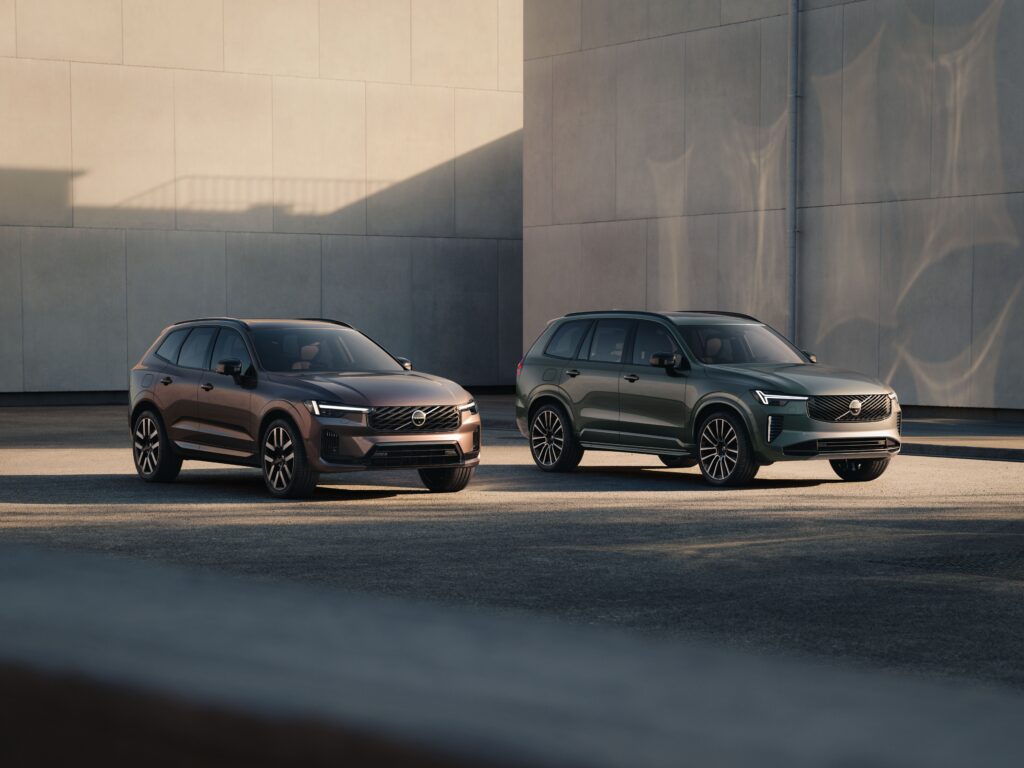
Volvo is also keeping mild-hybrid versions of both XC models in the lineup. That is revealing in itself. Instead of demanding that every customer move through electrification at the same speed, the company is offering several steps: mild hybrid, long-range plug-in hybrid and fully electric.
The strategy may be less ideologically tidy than an overnight switch to EVs, but car buyers do not purchase ideology. They purchase transportation that has to work with their homes, jobs, children, weather, travel patterns and budgets.
What Volvo Still Has to Tell Us
There are several large blank spaces in the announcement, and shoppers should resist deciding the value of either vehicle until Volvo fills them.
The first is price. A 78-mile PHEV is impressive, but there is a point at which the additional cost makes a fully electric vehicle or simpler hybrid financially more attractive.
The second is charging performance. Battery capacity and AC charging speed will determine how easy it is to replace those electric miles overnight or between trips.
The third is final EPA certification. Volvo explicitly describes these figures as preliminary. The EPA’s fuel-economy and range-testing procedures create standardized estimates so consumers can compare vehicles, but the final certified figures remain the numbers that matter on the window sticker.
We also need complete efficiency figures in both electric and gasoline operation. A PHEV with outstanding electric range can still disappoint if it becomes unusually thirsty once the battery reaches its lower state of charge.
And finally, we need to know whether the larger battery produces meaningful compromises in weight, packaging or payload.
Those are not reasons to dismiss what Volvo has announced. They are the questions that separate an impressive specification from a genuinely strong ownership proposition.
On the information available now, the most significant development is that the plug-in hybrid is moving into territory once occupied almost exclusively by early short-range EVs. Seventy-eight miles is enough to change how many owners could use the vehicle, not merely how it performs on an efficiency chart.
If Volvo can deliver the claimed range at a sensible price, with straightforward overnight charging and without compromising the XC60 and XC90’s usefulness, these SUVs could make a convincing case for buyers who want most of the daily experience of an EV without making every journey depend on a charging network.
That may not be the final destination of electrification. For a lot of people, it could be a very practical next step.