Tesla Cybercab Could Change Who Drives Your Uber
The robotaxi race has entered a new phase, and Tesla Cybercab could force Uber and Lyft to rethink what their businesses actually are.
For years, autonomous vehicles were largely a technology demonstration. They drove around carefully mapped streets, carried engineers and safety operators, and promised that one day a passenger could simply summon a car without a human driver.
That future is no longer theoretical.
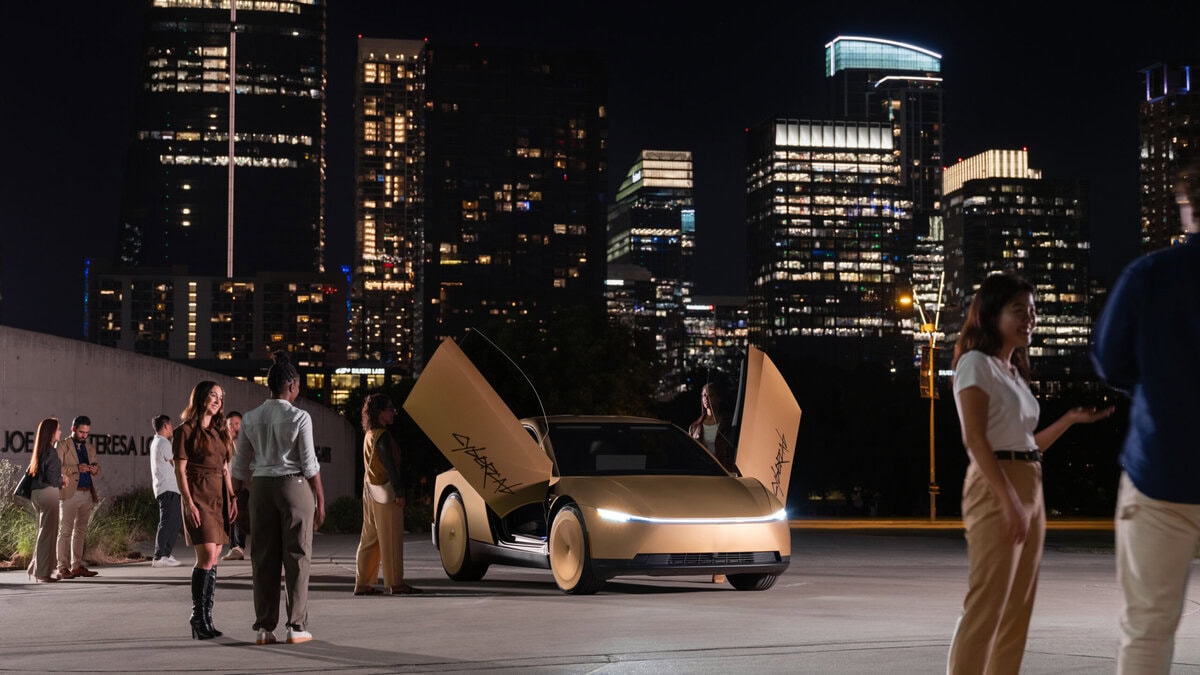
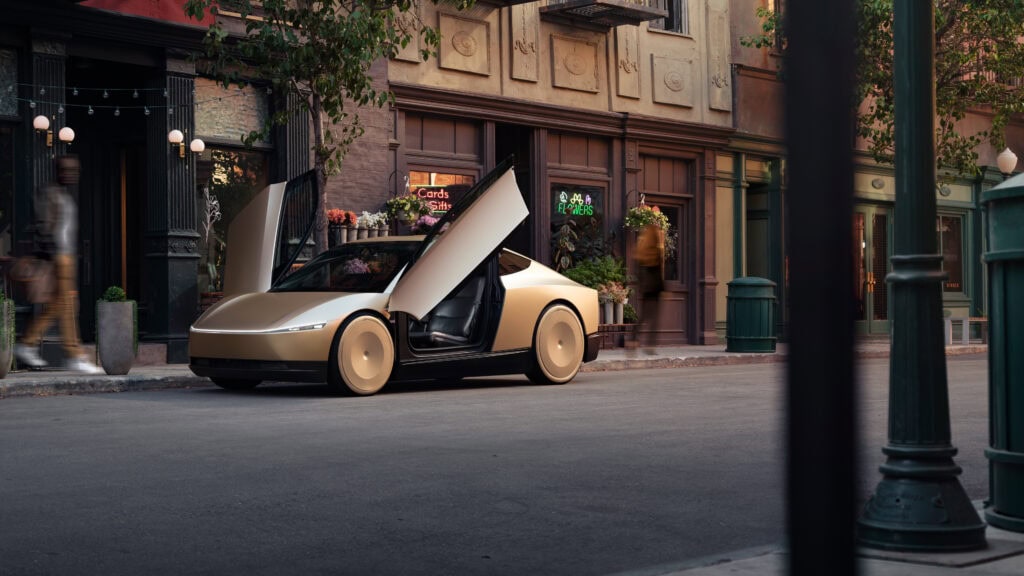
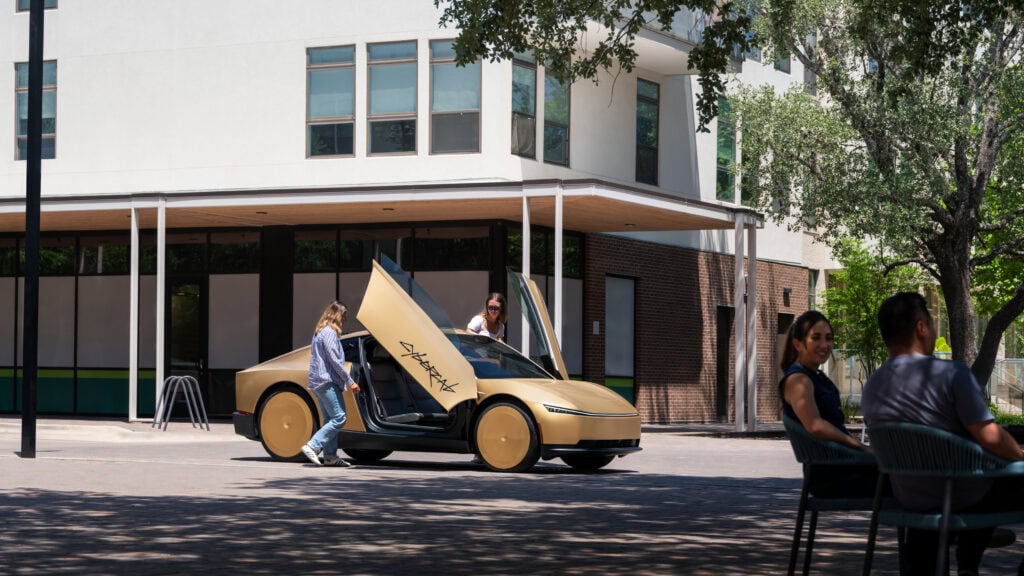
Robotaxis are now carrying paying passengers in multiple American cities, and Tesla has taken a particularly dramatic step by putting its purpose-built Cybercab into service in Austin, Texas.
The significance goes well beyond the unusual shape of the Cybercab or the fact that it does not have traditional driver controls. The bigger story is what happens to the transportation business when the person behind the wheel is no longer part of the equation.
You may also like this video:
Tesla Has Put the Cybercab Into the Real-World Robotaxi Race
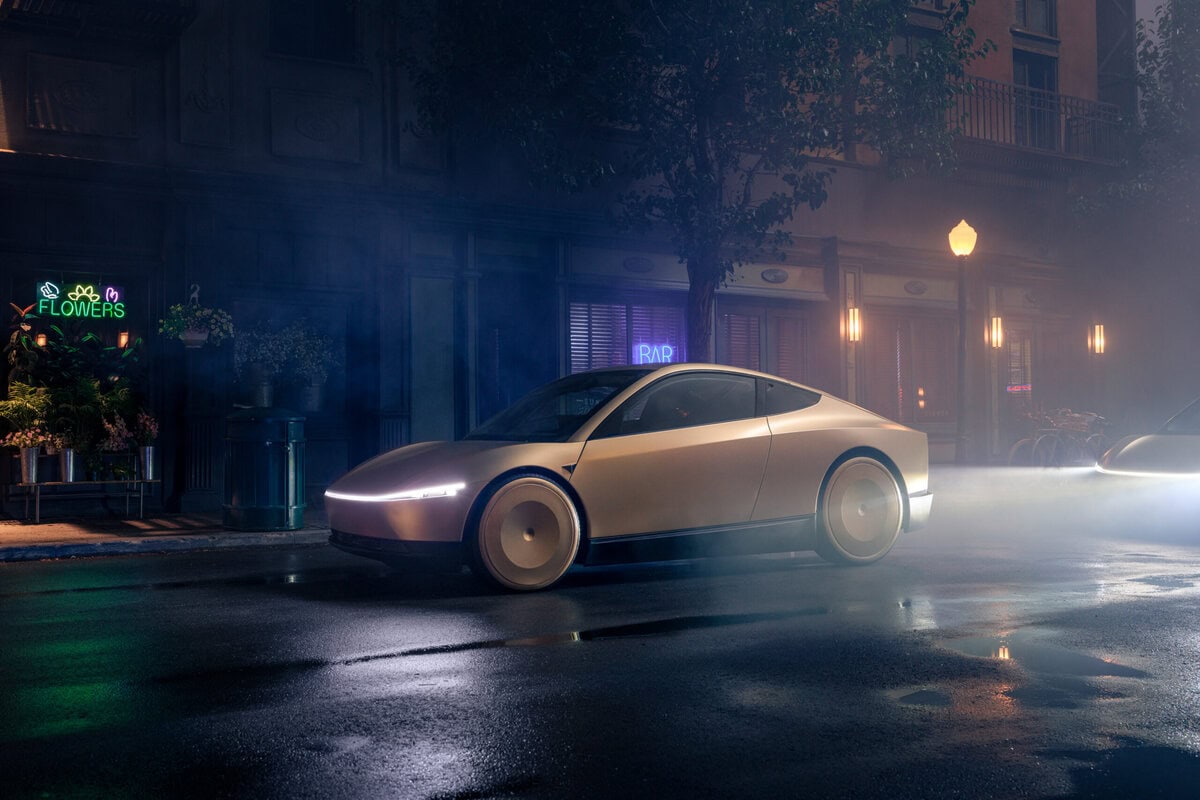
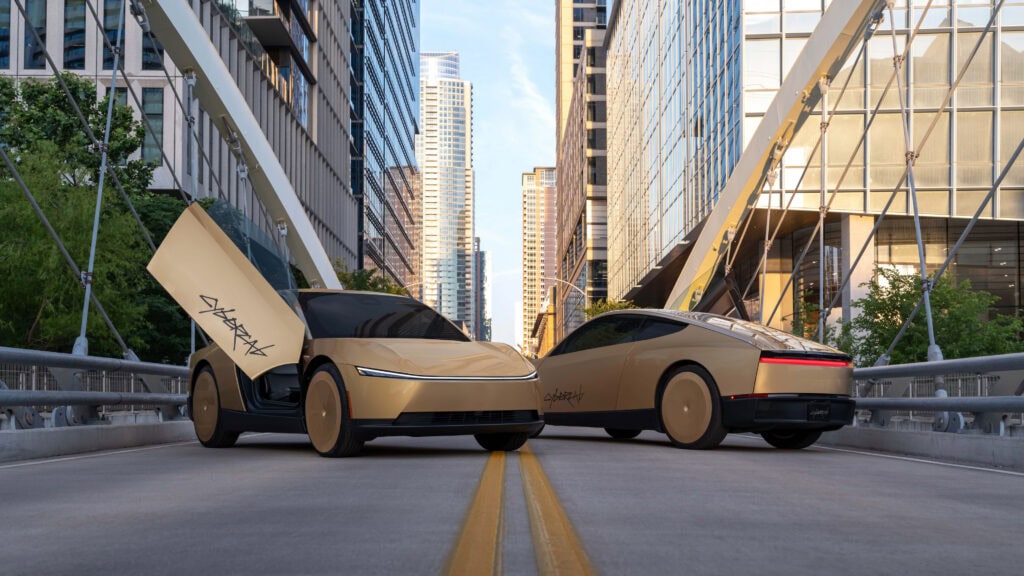
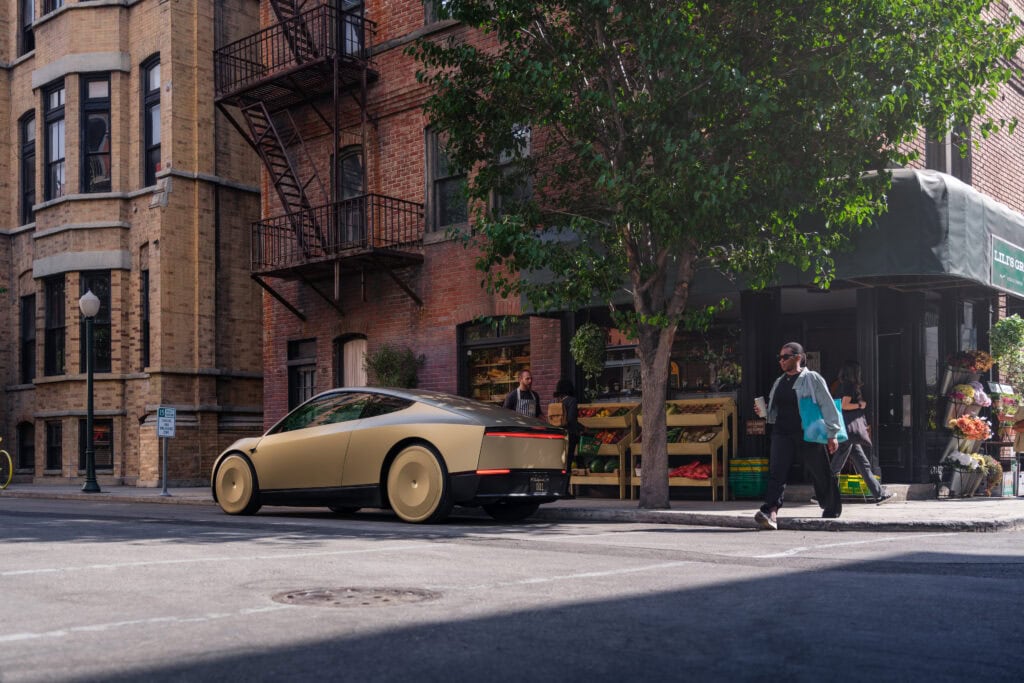
Tesla’s Cybercab is unlike most autonomous vehicles currently operating in the United States. It was designed from the beginning as a dedicated autonomous vehicle rather than as a conventional passenger car that has been equipped with self-driving technology.
The two-seat vehicle has no steering wheel and no accelerator or brake pedals. Instead, passengers interact with the vehicle through a touchscreen and Tesla’s autonomous driving system handles the driving.
Tesla says Cybercab rides are currently limited to designated areas of Austin. That makes the initial deployment much smaller than the company’s long-term ambitions, but the distinction is important: the Cybercab has moved from prototype and testing into an actual passenger service.
That puts Tesla into direct competition with companies that have been developing autonomous ride-hailing systems for years.
And it also puts Tesla under a level of regulatory scrutiny that could have consequences for the entire autonomous-vehicle industry.
You may also enjoy: Tesla Cybercab: Uber and Lyft May Need a New Ride
NHTSA Is Now Auditing Tesla’s Cybercab Certification
Just days after the Cybercab’s Austin deployment, the National Highway Traffic Safety Administration opened an Audit Query into Tesla’s certification of the vehicle.
NHTSA announced the action on September 4, 2026. The agency says the audit is examining the technical information and certification process Tesla relied upon when determining that Cybercab complies with applicable Federal Motor Vehicle Safety Standards.
The issue is particularly interesting because the Cybercab does not have many of the traditional controls found in a normal automobile.
NHTSA specifically says the audit will examine whether Tesla properly considered certain federal safety standards inapplicable to an automated vehicle that does not have conventional driver controls.
That does not mean NHTSA has declared the Cybercab unsafe. It also does not mean the agency has determined that Tesla violated federal law.
Instead, the audit is an examination of the certification process and the technical basis behind Tesla’s decision.
That distinction matters because the United States generally operates under a manufacturer self-certification system. Automakers certify that their vehicles comply with federal safety standards rather than waiting for NHTSA to approve every vehicle before it reaches the road.
With autonomous vehicles, however, that system becomes considerably more complicated.
A conventional car has a steering wheel, pedals, mirrors and other equipment designed around the assumption that a human being will operate the vehicle. A purpose-built robotaxi challenges some of those assumptions.
NHTSA is also separately working on changes to federal rules involving automated vehicles, including rulemaking concerning manual brake-pedal requirements for vehicles designed exclusively for automated driving.
That creates an unusual situation: the technology is moving rapidly while regulators are simultaneously working to determine how some of the existing rules should apply to vehicles that were never designed around a human driver.
You may also enjoy: Zoox Robotaxi Approval Clears Paid Driverless Rides
Waymo Still Has the Biggest Head Start
While Tesla’s entrance is getting enormous attention, it would be a mistake to assume that Tesla is starting from the front of the robotaxi field.
That position belongs to Waymo.
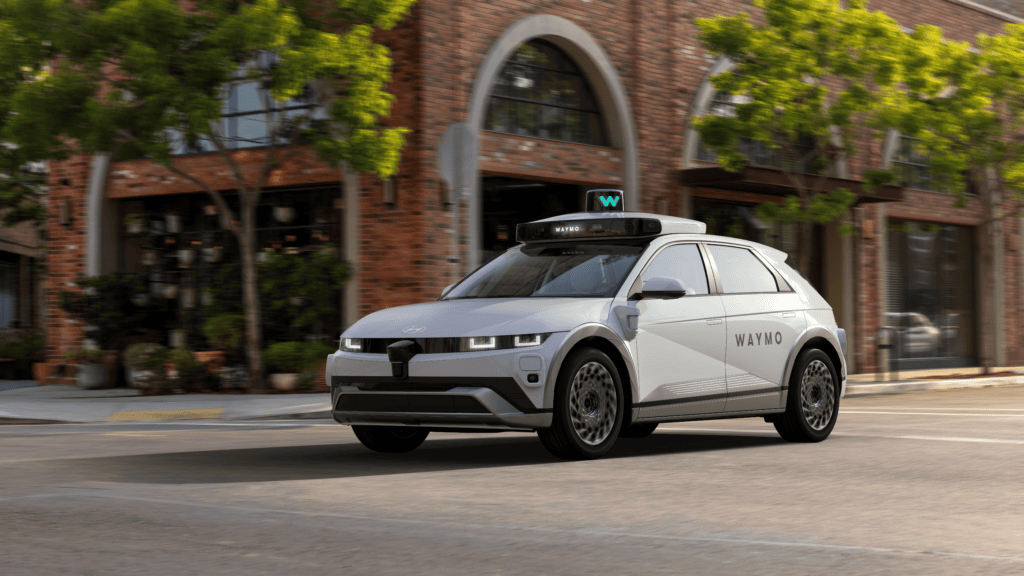
Waymo has accumulated more than 200 million miles of fully autonomous driving on public roads and has already built a commercial ride-hailing operation across multiple U.S. markets.
The company currently offers public fully autonomous rides in cities including Phoenix, San Francisco, Los Angeles, Dallas, Denver, Houston, Miami, Nashville, Orlando, San Antonio, San Diego, Tampa and other markets, with additional expansion occurring through partnerships.
In some markets, Waymo has also partnered with Uber, allowing passengers to request autonomous rides through an established ride-hailing platform.
That gives Waymo an important advantage. The company isn’t simply trying to prove that an autonomous vehicle can drive itself. It is learning how to operate an autonomous transportation service at commercial scale.
Every ride provides information about customer behavior, routing, pickup locations, unusual road situations and the practical challenges of operating a driverless fleet.
Tesla now has to close that experience gap while simultaneously scaling its own system.
You may also enjoy: Robotaxi Emergency Scenes Still Challenge Driverless Cars
Zoox Is Taking a Different Approach
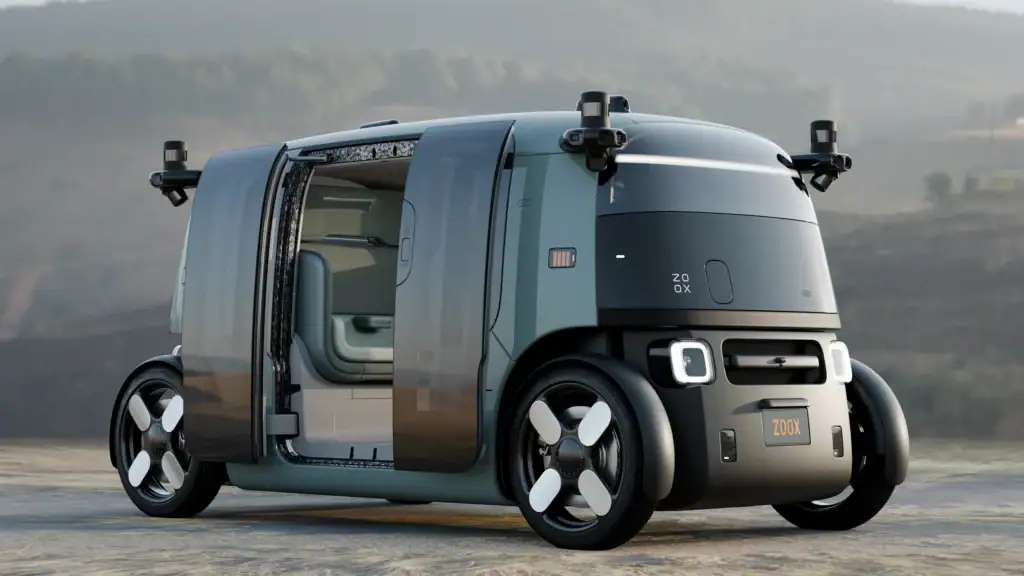
Amazon-backed Zoox is another major player taking a different route.
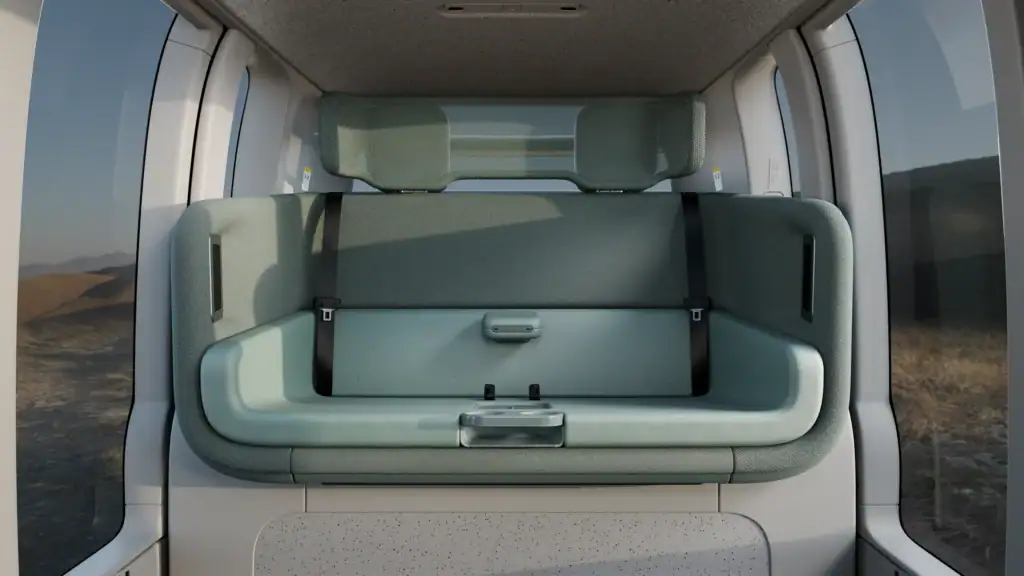
Instead of adapting a conventional vehicle, Zoox developed a purpose-built robotaxi with passengers sitting in a cabin designed around autonomous transportation.
Zoox has begun public service in Las Vegas and San Francisco and is expanding its operations into additional markets.
The company’s regulatory position is also noteworthy. In July 2026, NHTSA granted Zoox a commercial exemption covering several federal motor vehicle safety standards for its purpose-built autonomous vehicle.
That development illustrates one of the biggest challenges facing the entire industry.
The government has rules designed around conventional vehicles, while autonomous companies are developing vehicles that can operate very differently from conventional automobiles.
The regulatory framework is therefore becoming part of the competition.
You may also enjoy: CycloTech Air Taxi Can Parallel Park in Midair
Uber May Be the Most Important Piece of the Puzzle
There is another company sitting in the middle of this transformation that does not actually need to build a robotaxi.
That company is Uber.
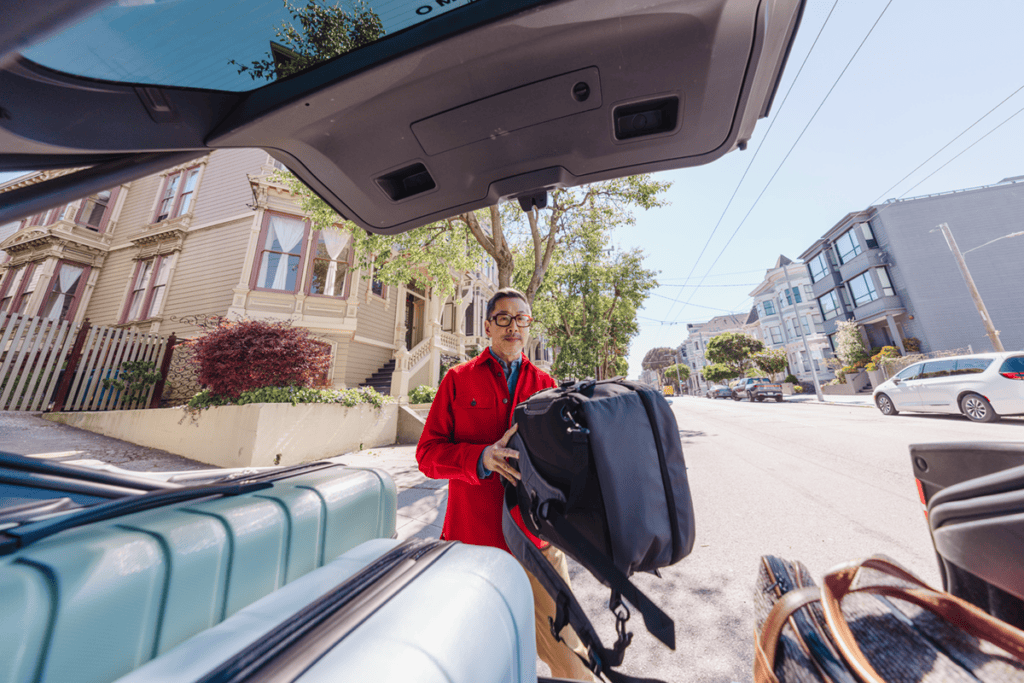
Uber has increasingly positioned itself as a marketplace connecting passengers with different types of transportation, including autonomous vehicles.
That strategy could become extremely important if autonomous vehicles eventually eliminate the need for a human driver.
Uber has partnerships with several autonomous vehicle companies. Avride is operating autonomous rides through Uber in Dallas, while Motional has launched autonomous Hyundai Ioniq 5 rides through Uber in Las Vegas.
The immediate operations are still limited. Some services include human specialists or other forms of supervision, and the autonomous fleets are operating only in defined areas.
But the basic business model is already visible.
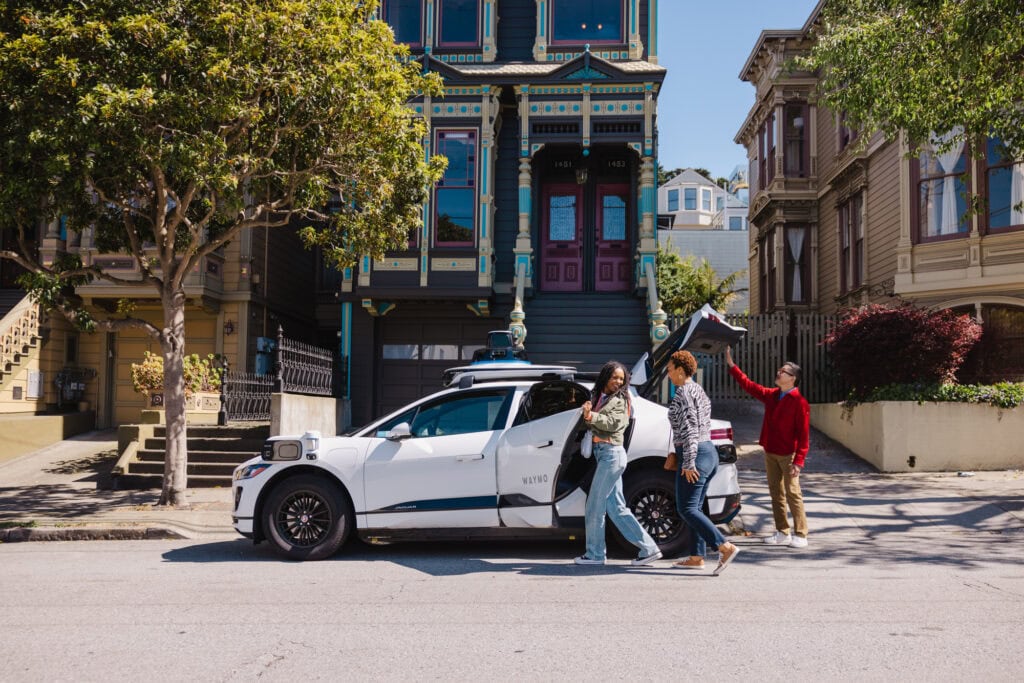
A passenger opens an app, requests a ride and is matched with an autonomous vehicle.
The driver is simply no longer necessary.
That could completely change the economics of ride-hailing.
The Driver Is Uber’s Biggest Cost — and Its Biggest Asset
For today’s ride-hailing business, the driver is essential.
The driver provides the labor that physically moves the passenger from one location to another. But that labor also represents a massive portion of the cost of providing the service.
If autonomous vehicles can eventually perform the same job without a human behind the wheel, the economics change dramatically.
The cost structure could shift toward vehicle ownership, charging, maintenance, insurance, software, fleet operations and platform fees.
That creates both an enormous opportunity and an enormous threat.
Uber and Lyft could potentially become more valuable marketplaces because they would be able to connect passengers with autonomous fleets without having to employ or compensate individual drivers.
But autonomous vehicle manufacturers could also decide that they don’t need the marketplace.
That is where Tesla’s strategy becomes particularly interesting.
You may also enjoy: London Black Cabs Face Driverless Threat From Uber and Wayve
Tesla Could Try to Own the Entire Ride
Tesla has something that Uber does not: the vehicle, the software and the autonomous driving system.
If Tesla can operate a large Cybercab fleet, it could potentially control the entire customer experience from vehicle production to autonomous driving to the ride itself.
That raises a fundamental question for Uber and Lyft.
Why would a robotaxi company pay another company to find passengers if it can build its own app and connect directly with customers?
On the other hand, Uber already has millions of customers and a mature transportation marketplace. An autonomous vehicle company may decide that partnering with Uber is much easier than building a competing global ride-hailing platform.
That is why the future may not be a simple battle between robotaxi manufacturers and ride-hailing companies.
The winners could be the companies that figure out how to combine autonomous fleets with enormous passenger demand.
Lyft Is Building Its Own Autonomous Network
Lyft is taking a similar marketplace approach.
The company has partnered with May Mobility on an autonomous vehicle pilot in Atlanta.
The Atlanta program demonstrates how different the transition will be from today’s ride-hailing experience. May Mobility’s vehicles operate with autonomous technology while trained personnel remain available as part of the pilot’s current operating structure.
Lyft has also been developing a broader autonomous vehicle strategy rather than attempting to manufacture its own robotaxi fleet.
This could eventually make Lyft an important neutral marketplace for multiple autonomous vehicle companies.
The advantage is scale and customer access.
The disadvantage is that Lyft could become dependent on companies that ultimately decide they want to control the customer relationship themselves.
The Robotaxi Race Is No Longer Just Tesla Versus Waymo
One of the most important developments in 2026 is how many companies are now involved.
Waymo is expanding its commercial autonomous ride-hailing network.
Zoox is operating purpose-built robotaxis.
Tesla is deploying Cybercab in Austin.
Avride is operating autonomous rides with Uber in Dallas.
Motional is operating autonomous rides with Uber in Las Vegas.
May Mobility is working with Lyft in Atlanta.
That means the autonomous transportation industry is beginning to resemble an ecosystem rather than a single-company race.
There are vehicle manufacturers, autonomous driving developers, fleet operators and transportation marketplaces.
And the relationships between those companies may ultimately matter just as much as the technology inside the vehicle.
The Hard Part Is Scaling
Getting a robotaxi to drive around a city is difficult.
Getting thousands of robotaxis to operate reliably, safely and profitably is much harder.
A commercial autonomous fleet has to deal with charging, maintenance, cleaning, insurance, customer support, vehicle recovery, bad weather, construction zones, emergency vehicles and thousands of unusual situations that can occur on public roads.
There is also the question of what happens when something goes wrong.
Tesla’s Cybercab rider guidance includes procedures for emergency situations, including ways for passengers to request assistance or bring the vehicle to a safe stop.
That highlights an important reality about autonomous transportation: removing the driver from the vehicle does not remove the need for human support.
Instead, the human role can move somewhere else in the system.
Consumers Still Have the Final Vote
Technology and regulation may determine whether robotaxis can operate, but consumers will determine how quickly they become mainstream.
Some passengers will love the idea of sitting in a car without a driver.
Others will be uncomfortable with it.
The industry therefore has to solve a psychological problem as well as a technical one.
A robotaxi needs to feel safe, predictable and understandable.
Passengers need to know what happens when the vehicle encounters an unusual situation, how they can get help and what the system will do if something unexpected occurs.
The companies that communicate those answers effectively could have a major advantage.
What Happens to the Traditional Taxi Driver?
This is ultimately the question hanging over the entire industry.
If autonomous vehicles become cheaper to operate than human-driven vehicles, transportation companies will have an enormous incentive to use them.
That does not mean human drivers disappear overnight.
Robotaxis are still operating in relatively limited geographic areas, and the technology has to expand dramatically before autonomous vehicles can replace a significant percentage of conventional ride-hailing trips.
But the direction is becoming clearer.
The driver is gradually moving from being the central component of the transportation system to becoming something the system is trying to eliminate.
For Uber and Lyft, that could be both the biggest opportunity and the biggest threat in their histories.
The Real Robotaxi Race Is Just Beginning
Tesla’s Cybercab has changed the conversation because it makes the autonomous vehicle concept impossible to dismiss as merely an experimental technology.
But Tesla is entering a field where Waymo already has hundreds of millions of autonomous public-road miles, Zoox is operating purpose-built vehicles, and multiple autonomous companies are working with established ride-hailing platforms.
Meanwhile, NHTSA is examining how Tesla certified a vehicle that challenges many of the assumptions behind traditional federal vehicle safety standards.
The technology, regulation and business models are all evolving simultaneously.
That is what makes the current moment so important.
The question is no longer whether robotaxis will eventually arrive.
They are already here.
The real questions are how quickly they can scale, how safe they can become, how much they will cost, how regulators will treat them and whether passengers will actually prefer them.
And perhaps most importantly, the industry now has to figure out who owns the customer when there is no driver in the car.
That could determine whether the next generation of transportation is controlled by the companies building the vehicles, the companies developing the autonomous software, or the companies controlling the apps that passengers use to summon them.
The robotaxi race has started.
And Tesla’s Cybercab may have just made the finish line a lot more complicated.