Ram 1500 Recall: Check the Back Seat Before You Buy
The Ram 1500 recall covers 1.27 million U.S. trucks, but its hidden rear seat-belt risk makes a VIN check essential for owners and used buyers.
Why the Ram 1500 recall number needs context
A seven-model-year recall sounds like a verdict on every truck involved. It is not. The federal filing covers 1,271,294 Ram 1500 pickups from model years 2019 through 2026, built between February 17, 2018, and April 27, 2026. FCA US estimates that only 0.1% contain the assembly condition, or roughly 1,271 trucks if that estimate holds.
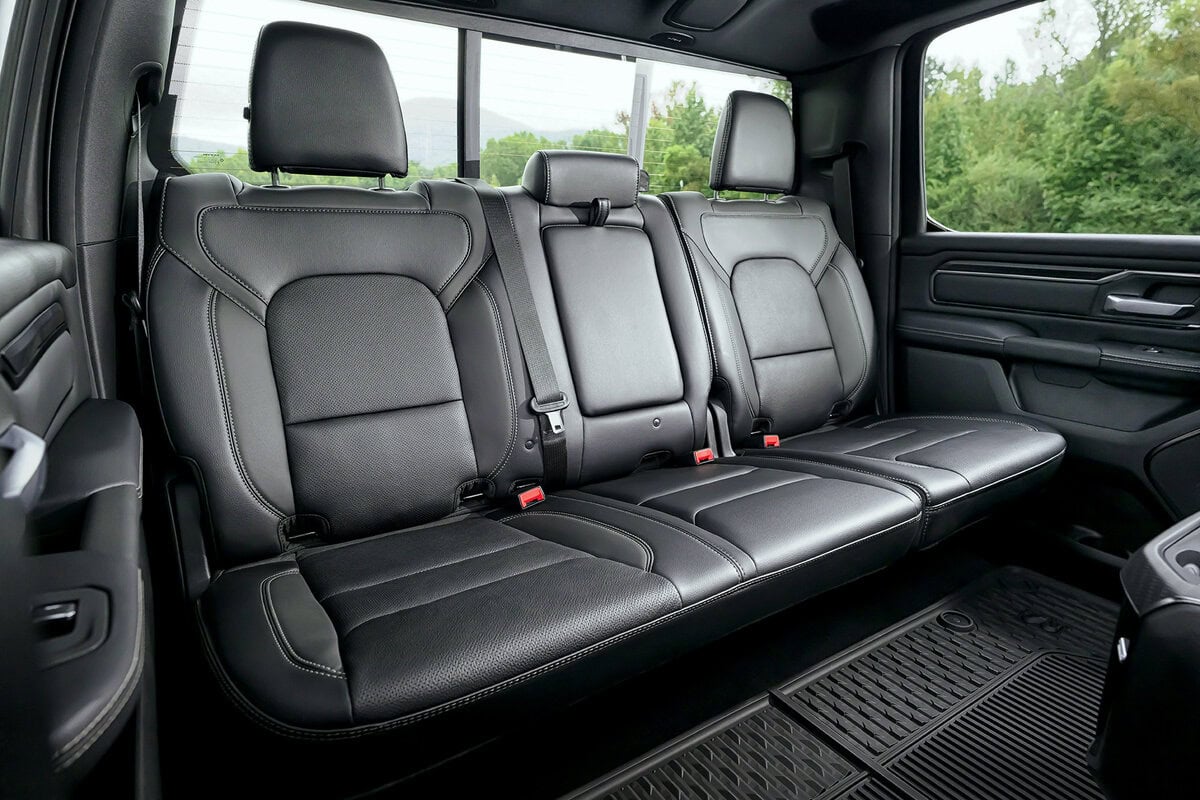
The problem is that an owner cannot identify those trucks by listening for a noise or watching for a warning light. One or more second-row center or driver-side buckle anchors may not have been secured properly to the body. The belt can appear normal until a collision demands that the anchorage manage serious force.
You may also enjoy: Vehicle Safety Recalls: Do Not Drive
This campaign is NHTSA 26V495 and FCA US 67D. It is not a formal stop-drive or park-outside order. That distinction matters, but so does the absence of an advance warning. Owners who regularly put children, relatives or coworkers in the rear seat should treat the inspection as real safety work, not administrative housekeeping.
You may also enjoy this Ram Video:
What failed—and what did not
The company says the recall is tied to vehicle assembly, not a defective seat-belt component. The relevant requirement is FMVSS 210, the federal standard for seat-belt assembly anchorages. In plain English, the belt needs a properly secured foundation so it can restrain an occupant and manage crash loads as designed.
This is not an allegation that all the belts in 1.27 million trucks will fail. Nor does the filing say the condition makes the truck more likely to crash. It says reduced load management at the buckle may increase an occupant’s injury risk in certain driving conditions or collisions.
You may also enjoy: Ram’s 2026 1500 Express Returns
That is a meaningful distinction for shoppers. A large recall population can reflect uncertainty about which vehicles contain a narrowly distributed defect. FCA’s 0.1% estimate does not make the issue harmless; it explains why more than a million owners may need an inspection to find approximately a thousand improperly assembled trucks.
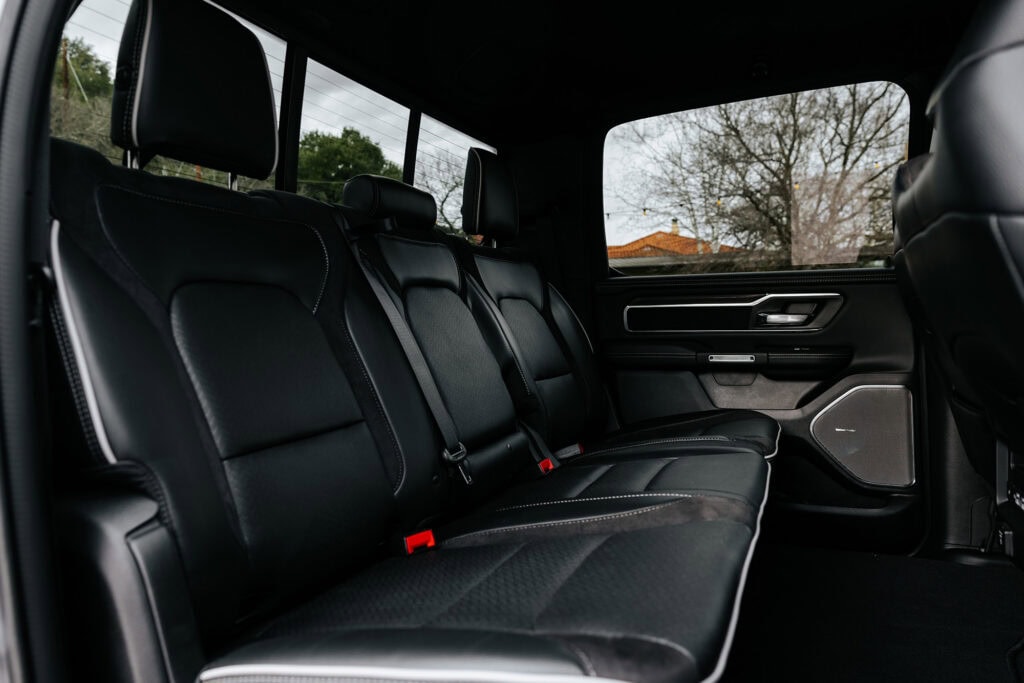
The Ram 1500 recall began with one reported concern
The paper trail starts in Canada. Transport Canada notified FCA Canada on January 20, 2026, about a concern involving a second-row buckle anchor in a 2025 Ram 1500. FCA US opened its technical investigation on February 26, then worked with engineering and manufacturing teams through July to understand the failure and set the recall boundaries.
On July 23, FCA’s Vehicle Regulations Committee concluded that certain vehicles did not comply with the anchorage standard. The company submitted its Part 573 report July 30, and the recall became public July 31. VINs were scheduled to become searchable August 6, with owner letters beginning August 18 and continuing in phases through September 24.
You may also enjoy: New Ram Compact Pickup Takes On Ford Maverick
That chronology corrects a misleading impression in the current news cycle. The recall did not happen within the last couple of days. It may feel new because notification letters are still arriving and later stories have renewed attention. Publication dates and recall dates are not interchangeable.
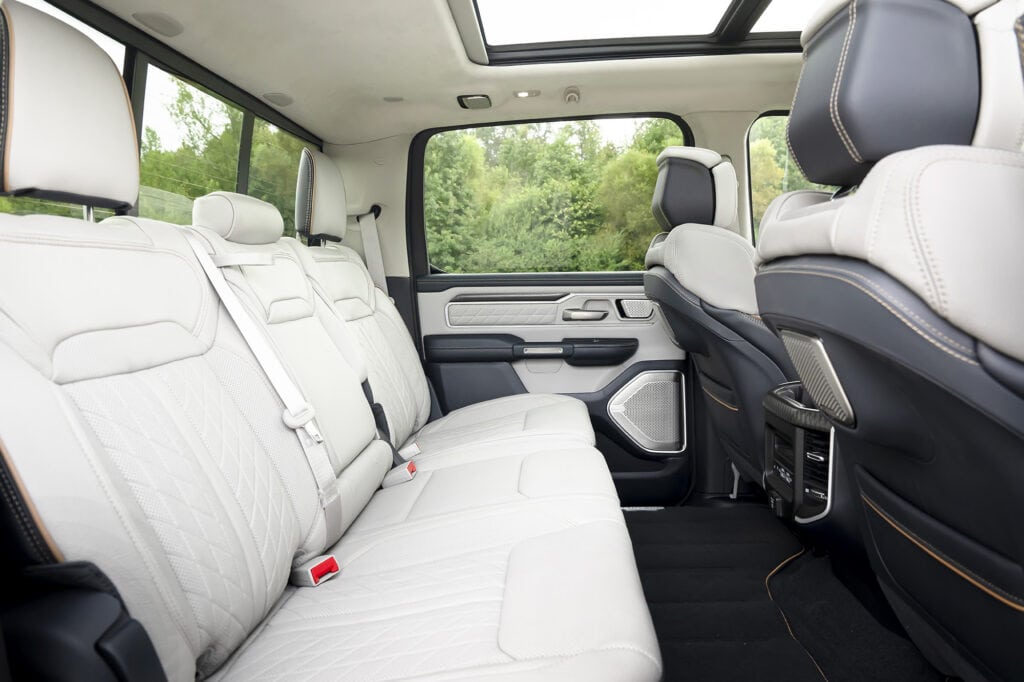
What owners should do with the rear seat
Find the 17-character vehicle identification number at the lower driver-side windshield, on the registration or on the insurance card. Then use NHTSA’s official VIN lookup. Do not rely solely on a mailed notice, especially if the truck was purchased used or the owner has moved.
You may also enjoy: 2026 Ford F-150 Review: Complete Vehicle Analysis
If recall 67D is open, an authorized dealer will inspect the second-row buckle anchors and secure them to the body structure if needed, at no charge. FCA US customer service is 800-853-1403. Ask the service department to document recall completion on the repair order and keep that record for resale.
NHTSA’s guidance explains why properly used seat belts matter so much in light trucks. The agency says they reduce fatal-injury risk for drivers and front-seat passengers in SUVs, pickups and vans by 60%. That figure is not a measurement of this recall’s risk, but it shows why the integrity of the restraint system is not a minor detail.
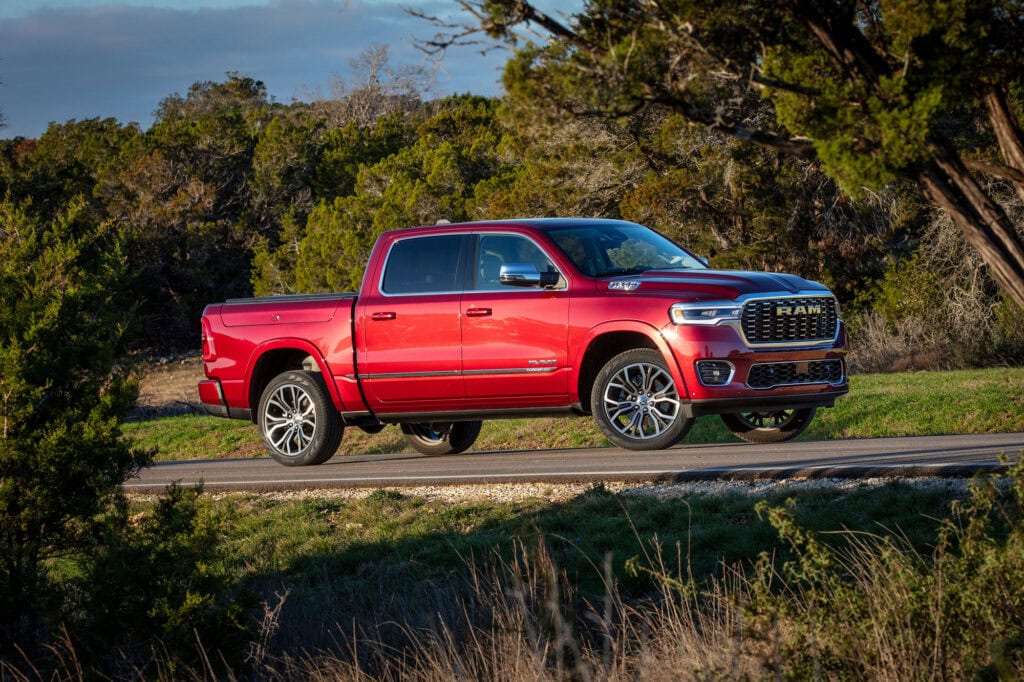
The used-truck question buyers should ask
A recall should not automatically disqualify a used Ram 1500. Open campaigns are common across the industry, and this remedy is an inspection followed by attachment work if needed. The smarter decision is conditional: do not complete the purchase until the VIN is checked and the repair status is documented.
You may also enjoy: Ford’s Record Recall Year: What the Numbers Actually Show
Pay particular attention to trucks sold outside their original state, vehicles that have passed through auctions and examples with incomplete service histories. A clean-looking seat and a buckle that latches do not verify anchor installation. A completed dealer repair order does.
For a family truck, the practical issue is seat assignment. The campaign concerns the second-row center or driver-side buckle anchorage, not the front restraints. FCA has not directed owners to stop driving, but households can choose to limit use of those rear positions until inspection. Never improvise a repair or remove trim to test an anchorage at home.
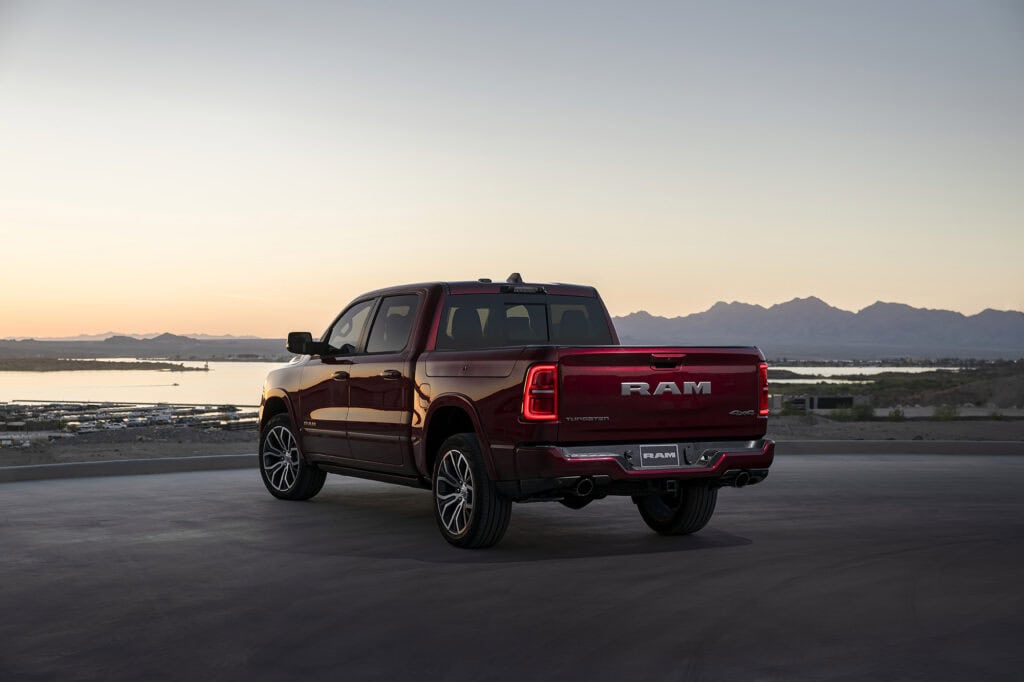
Photo: James Lipman
Test Miles verdict: inspect first, panic never
The headline figure is legitimately huge, yet the likely defect population is comparatively small and the remedy is straightforward. Both facts belong in the story. Saying “only 0.1%” minimizes a restraint failure; implying that 1.27 million belts are about to detach exaggerates the evidence.
The responsible middle ground is wonderfully unglamorous. Search the VIN, book the free inspection, record the result and insist on completion before buying a covered used truck. Ram owners do not need panic. Rear-seat passengers do need the bolt holding their buckle to be where it belongs.