By Robert R Guio
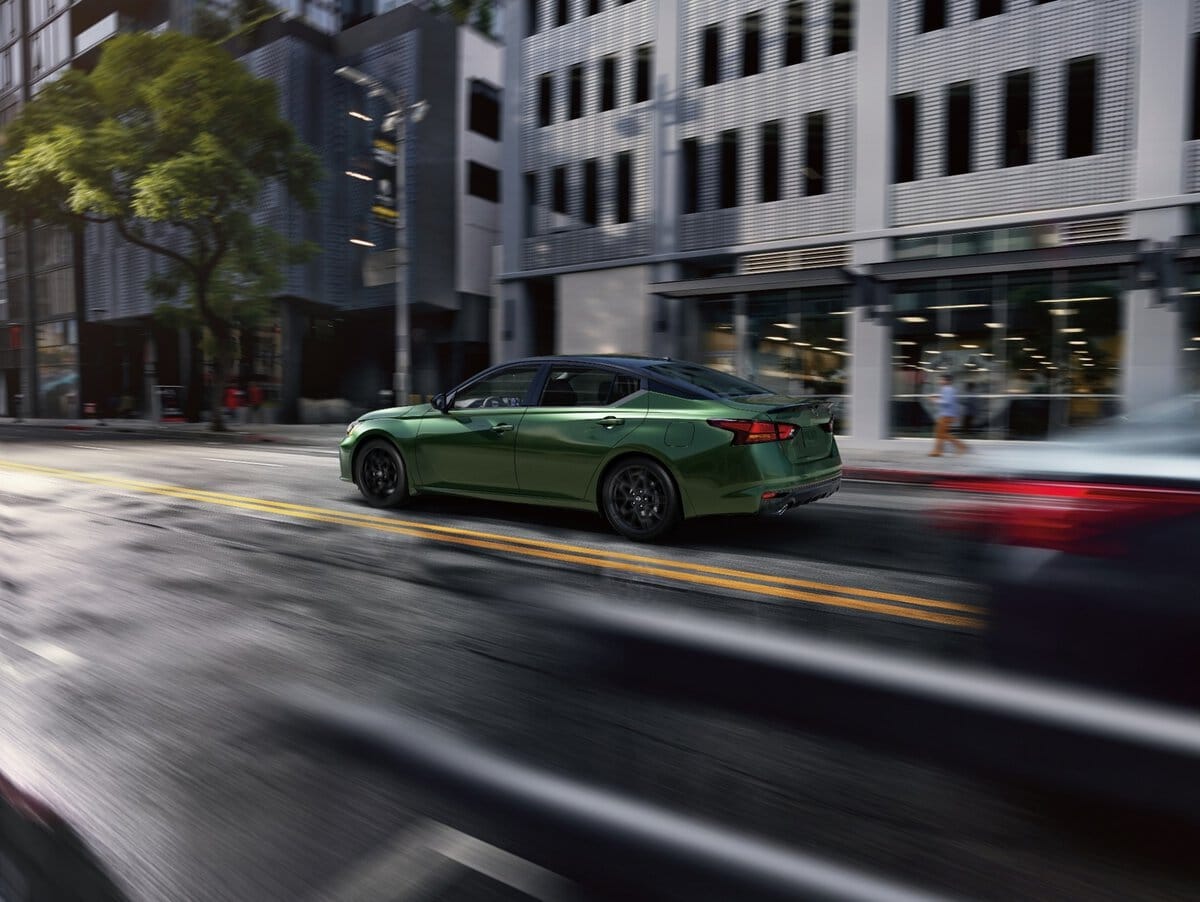
For more than three decades, the Nissan Altima has been one of those cars Americans rarely needed explained. It was the sensible midsize sedan parked outside apartment buildings, offices, schools, rental counters and family homes. It wasn’t exotic, but it was familiar, affordable and useful.
Now its future is finally coming into focus. Nissan’s North American product chief, Ponz Pandikuthira, said the Altima will “soon depart” as the newer, more mature Sentra takes on a larger role in the company’s shrinking passenger-car lineup.
There is one important complication: the obituary is premature. Nissan later said it plans to introduce a 2027 Altima, meaning the sedan isn’t disappearing immediately. The direction appears clear, but Nissan has not confirmed the final model year or an exact production end date.
You may also like: Why the 2026 Nissan Z Heritage Edition Hits Different
The Altima Became Part of American Traffic
The first Altima rolled off Nissan’s Smyrna, Tennessee, assembly line in June 1992 as a 1993 model. It replaced the Stanza and eventually became one of Nissan’s defining American products.
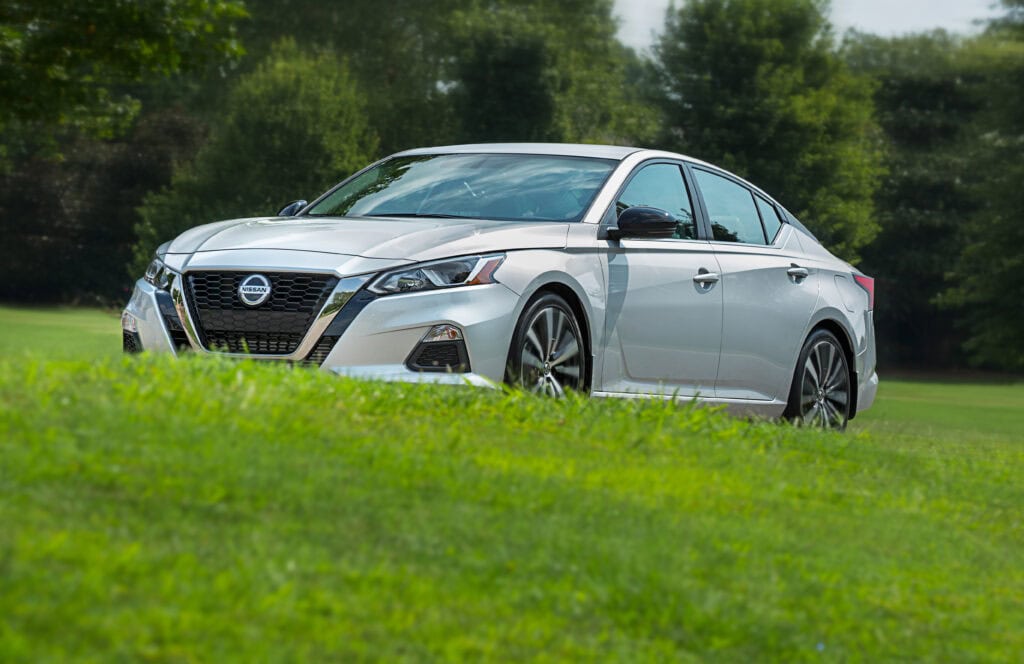
Over six generations, the Altima moved through several identities. Some versions were basic family transportation. Others offered V6 power, sporty SE-R ambitions, coupe styling, hybrid technology or available all-wheel drive. Its central promise remained simple: midsize space without a luxury-car payment.
That formula made the Altima nearly invisible in the best possible way. Millions of drivers used one to commute, raise children, travel and get through daily life without making the car itself a major event.
You may also like: Can the New Leaf Save Nissan?
Why Nissan Is Letting the Altima Fade
The Altima’s problem isn’t that Americans stopped needing practical transportation. More buyers now expect that transportation to be shaped like a crossover.
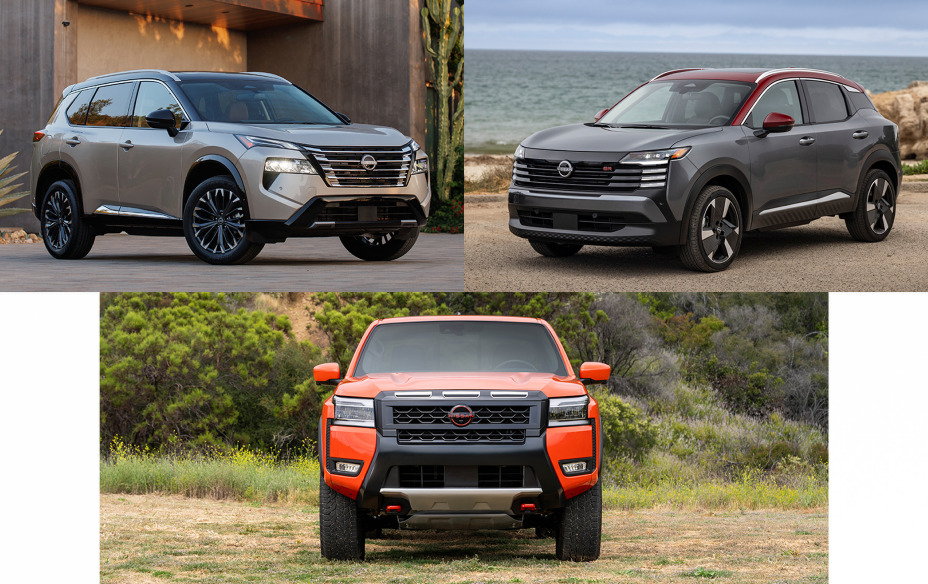
In the WardsAuto interview, Pandikuthira said the newer Sentra is intended to satisfy Nissan’s remaining sedan demand. The Rogue has become a family default, while the Kicks offers an inexpensive entry point with the taller seating position shoppers increasingly prefer.
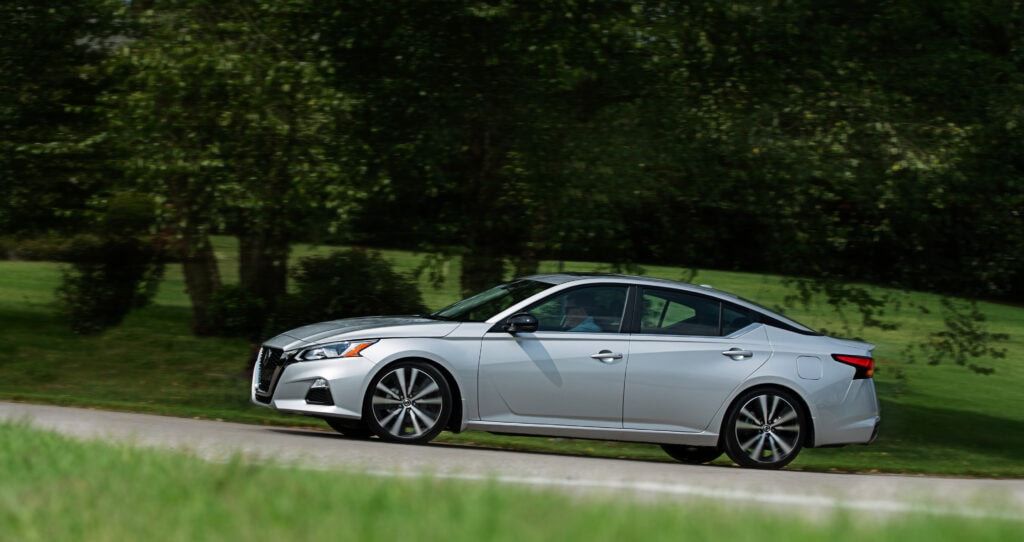
That leaves the Altima squeezed between a compact sedan below it and popular crossovers around it. Nissan can update an aging midsize car or direct limited resources toward models with stronger growth potential. The business case is understandable, but it removes another useful choice.
You may also like: The $20,000 Car Is Dead in 2026: Cheap Options That Deliver
Affordability Makes This Loss Matter
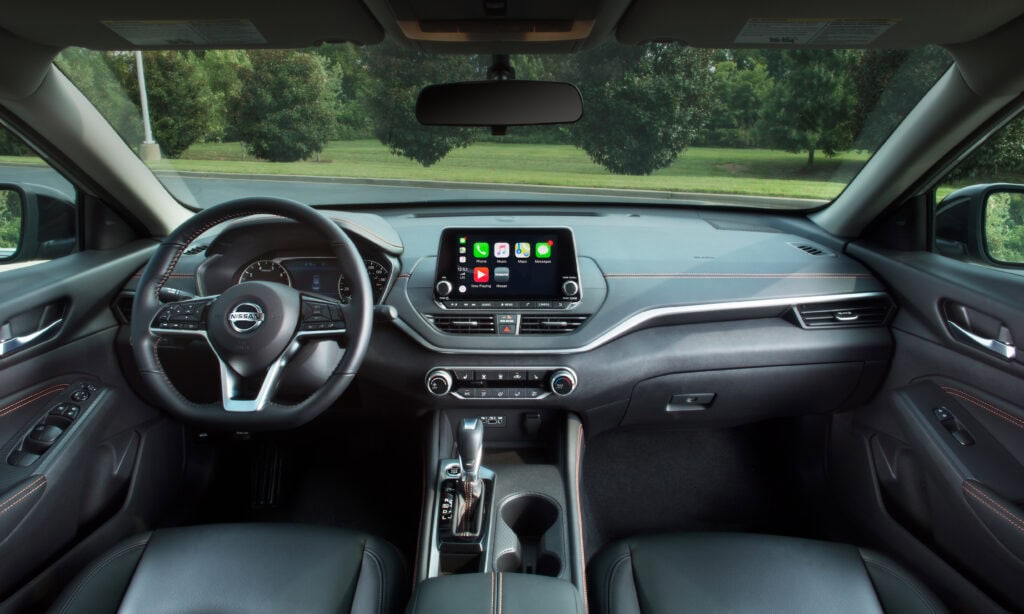
The 2026 Altima starts at $27,580 before destination charges. It uses a straightforward 2.5-liter four-cylinder engine, offers front- or all-wheel drive and can return up to an EPA-estimated 36 mpg on the highway.
Those numbers explain why its eventual departure matters. The Altima gives buyers a roomy new car without forcing them into a large SUV, a complicated electrified powertrain or a price approaching $40,000. All-wheel drive is also uncommon among affordable midsize sedans.
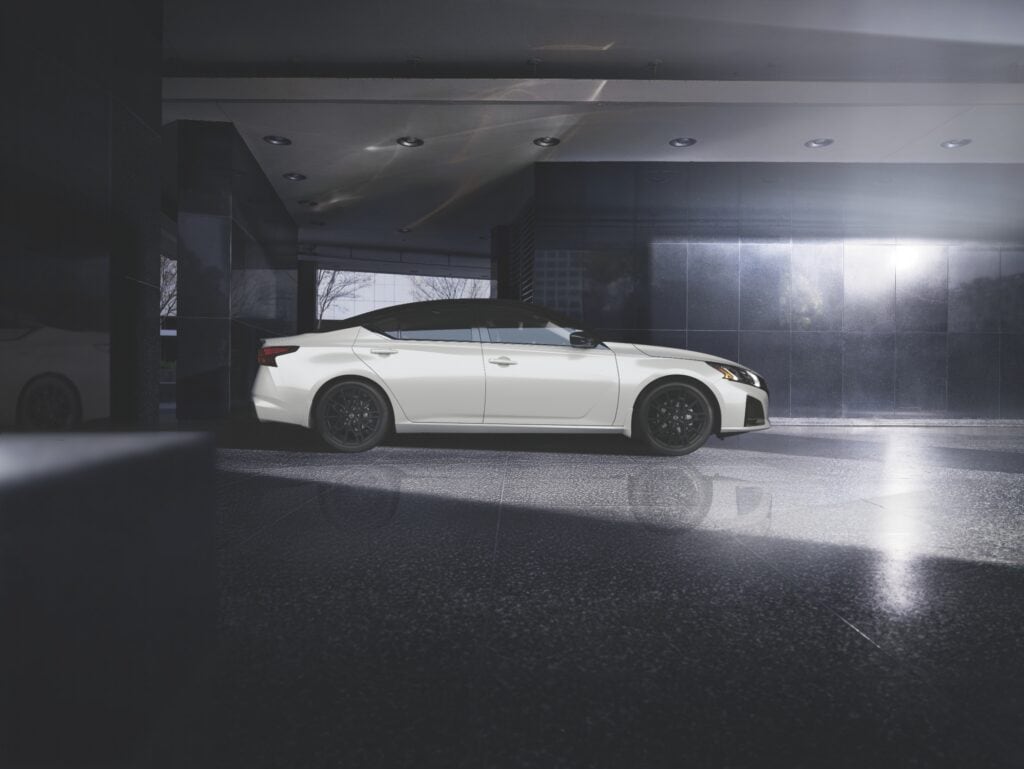
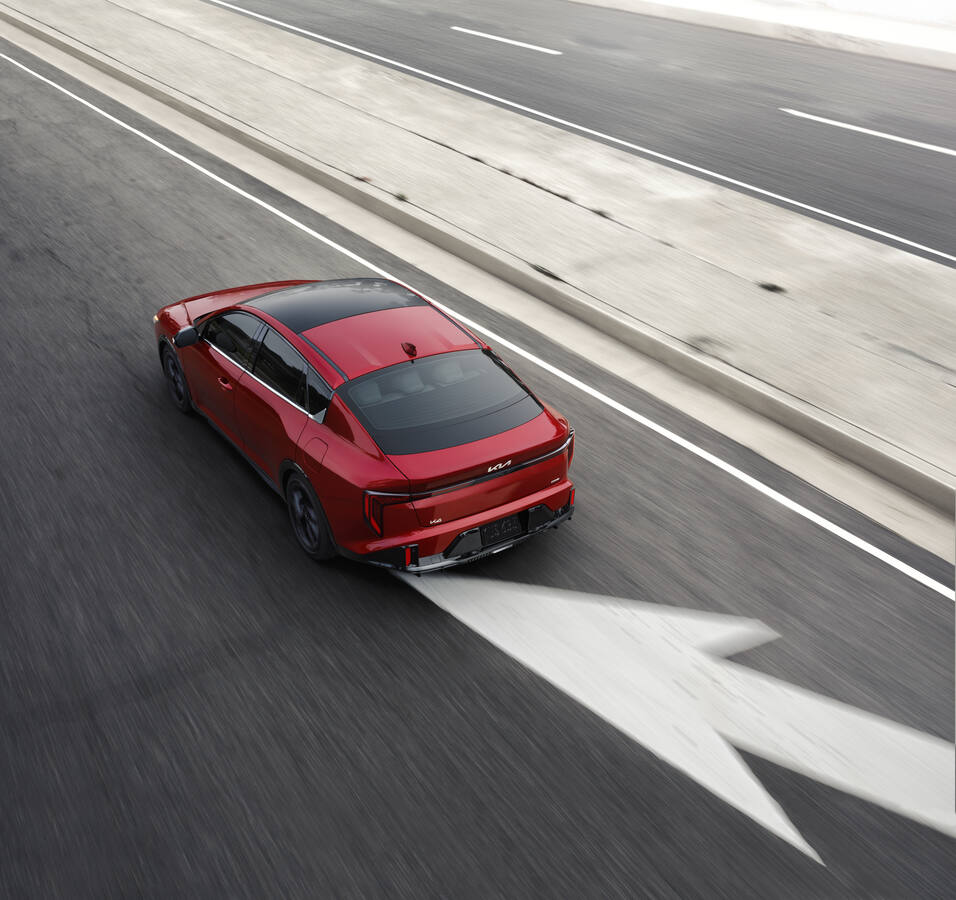
The Altima has never been the most exciting car in its class. The Honda Accord and Toyota Camry have often felt more polished, while the Hyundai Sonata and Kia K5 have pushed harder on design. But ordinary, reasonably priced transportation has value precisely because it doesn’t need to be extraordinary.
You may also like: Kia’s Best Sellers Reveal What Americans Really Want
The Sedan Is Not Dead, but Choice Is Shrinking
The Altima’s long goodbye joins a broader retreat. The Ford Fusion, Chevrolet Malibu, Volkswagen Passat and Mazda6 have already disappeared from American showrooms. The remaining midsize sedans are concentrated among a few brands willing to keep investing in them.
A Nissan spokesperson says the Altima remains important today and promises a 2027 model. That gives buyers more time, but it doesn’t erase the meaning of “soon depart.” Nissan’s product strategy points toward a future in which the Sentra carries most of its traditional sedan business.
The Altima may not vanish tomorrow, and it may receive another extension. Still, its story is moving toward an ending. When it finally leaves, America won’t just lose a familiar Nissan. It will lose another affordable, efficient sedan that quietly did exactly what millions of people needed.