Japan Quake Halts Lexus Output as Nissan Assesses Plants
By Robert R Guio
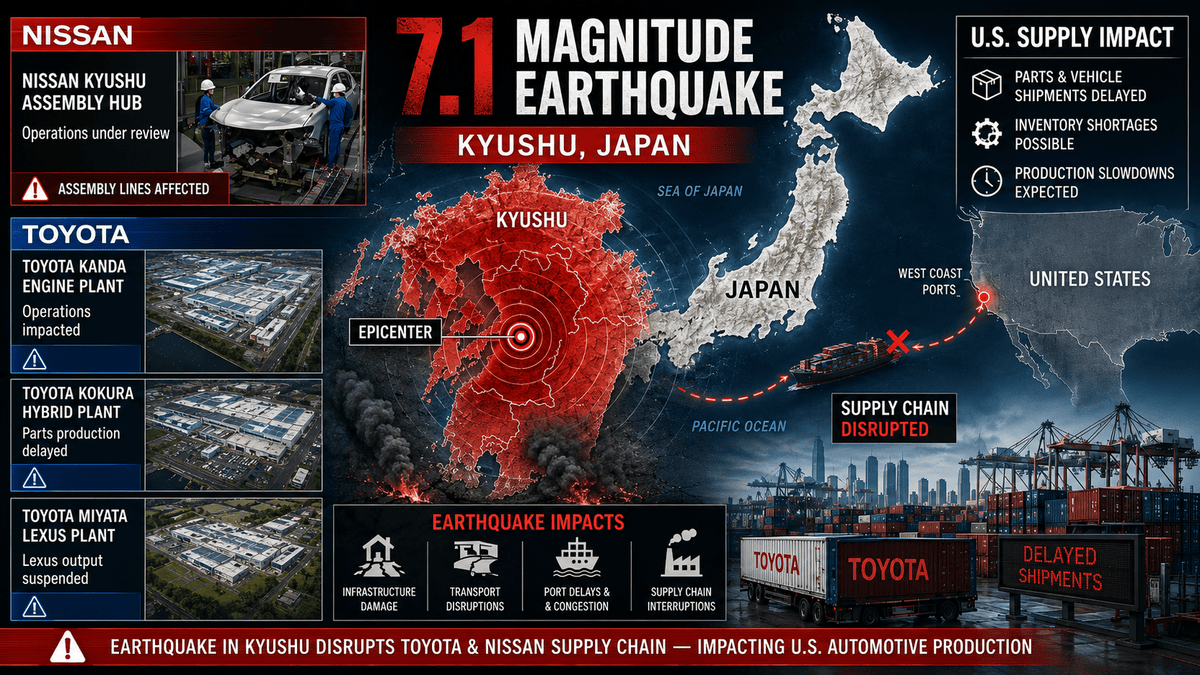
A powerful 7.1-magnitude earthquake in southwestern Japan forced Toyota to suspend Lexus production and left Nissan evaluating operations at one of its most important domestic assembly hubs.
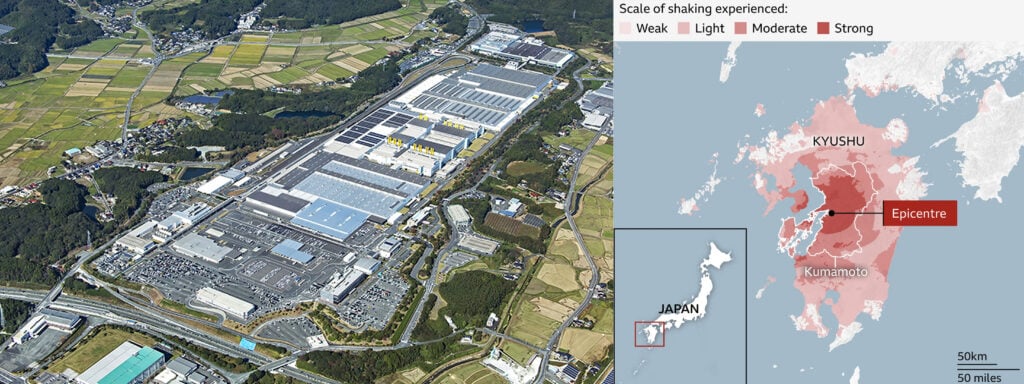
The quake struck the Kumamoto region of Kyushu at 4:27 p.m. local time on July 28, at a depth of roughly 6 miles. Violent shaking damaged buildings and roads, sparked fires, disrupted rail and air travel, and prompted a tsunami advisory for coastal waters. The warning was lifted within two hours, but the human impact remained far more serious, with people injured, missing or trapped in damaged structures.
For automakers, the immediate response was deliberately cautious. Stopping a production line after a major earthquake isn’t only about visible factory damage. Companies must inspect structures, machinery, utilities, transport routes and supplier networks before workers can safely return.
You may also like: 2026 Lexus ES First Look: Hybrid and Electric Sedan Targets 300-Mile Range
Lexus Production Stops in Kyushu
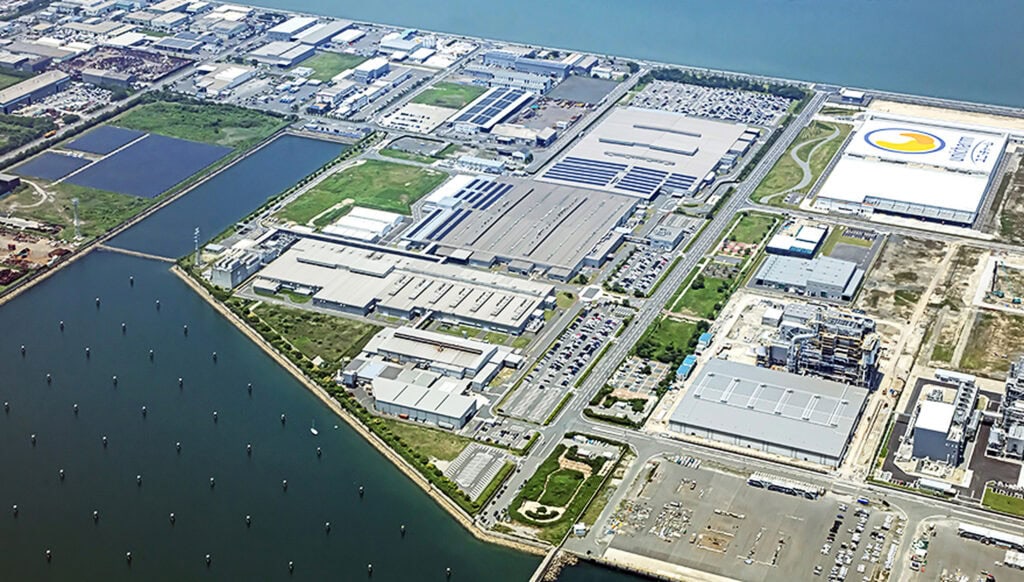
Toyota suspended operations at three Toyota Motor Kyushu facilities. The company said there were no reported employee injuries or confirmed plant damage, and operations were expected to resume Wednesday, subject to safety checks and the evolving situation.
The Miyata assembly plant is especially important because it produces Lexus vehicles including the ES, UX, NX and RX. Toyota’s Kyushu network also makes engines and hybrid-system components, meaning even a brief interruption can affect more than finished vehicles.
At this stage, there’s no indication of a prolonged shutdown or a significant loss of production. Still, pausing the plants was the sensible decision. Modern assembly operations depend on precise equipment, uninterrupted utilities and thousands of parts arriving in sequence. A factory can appear intact while roads, suppliers or power systems around it remain unreliable.
You may also like: Nissan Celebrates V6 Day With American-Made Powertrains and Xterra Return
Nissan Checks Its Kyushu Assembly Hub
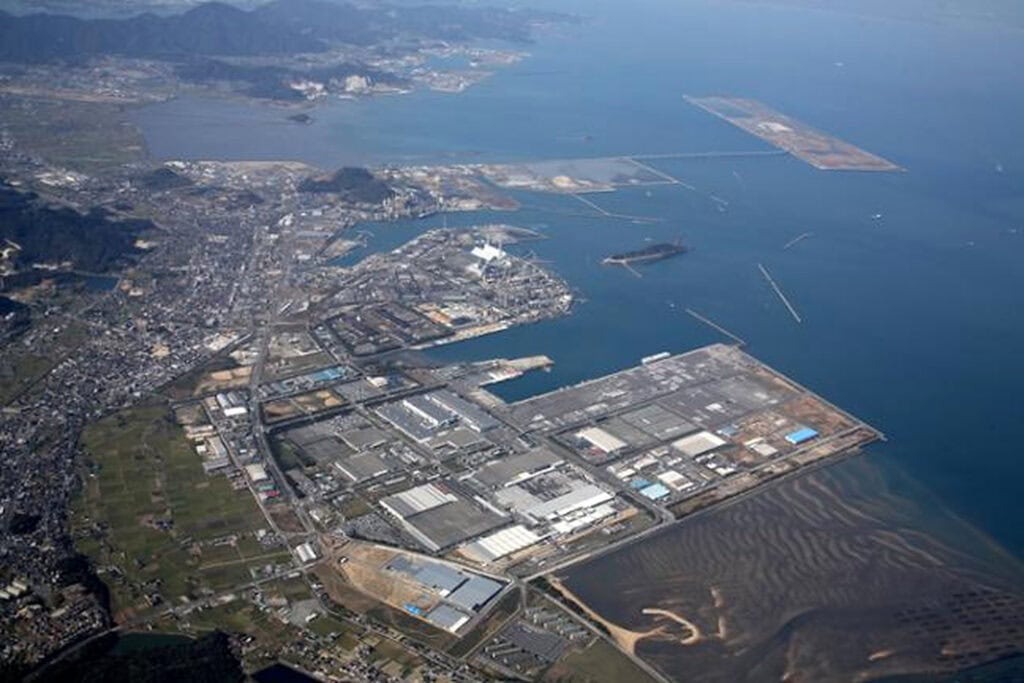
Nissan was evaluating its manufacturing operations in northern Kyushu, roughly 93 miles from the earthquake’s epicenter. Nissan Motor Kyushu is the company’s highest-volume vehicle plant in Japan and includes body, paint and final assembly operations alongside export facilities.
That makes the assessment important beyond the local market. The plant produces vehicles for Japan and overseas customers, including major Nissan and Infiniti products. Nissan has also been preparing to shift additional production to Kyushu as part of its domestic factory restructuring, increasing the site’s strategic importance.
The company had not announced a major production suspension when the initial reports emerged. Its priority was determining whether buildings, production equipment, employees and inbound logistics had been affected.
You may also like: 2026 Toyota Lineup Preview: The Year the Camry Got a Sibling with a Socket
Transportation Damage Raises Supply Questions
The earthquake suspended Kyushu Shinkansen and local rail service, closed the runway at Aso Kumamoto Airport and damaged roads across the region. A derailed train and buckled highway sections illustrated why factory inspections alone don’t tell the whole story.
Automotive manufacturing depends on synchronized deliveries. Seats, electronics, glass, batteries and powertrain components often arrive close to the moment they’re needed. If highways, ports or rail connections are interrupted, a physically undamaged plant can still run short of parts.
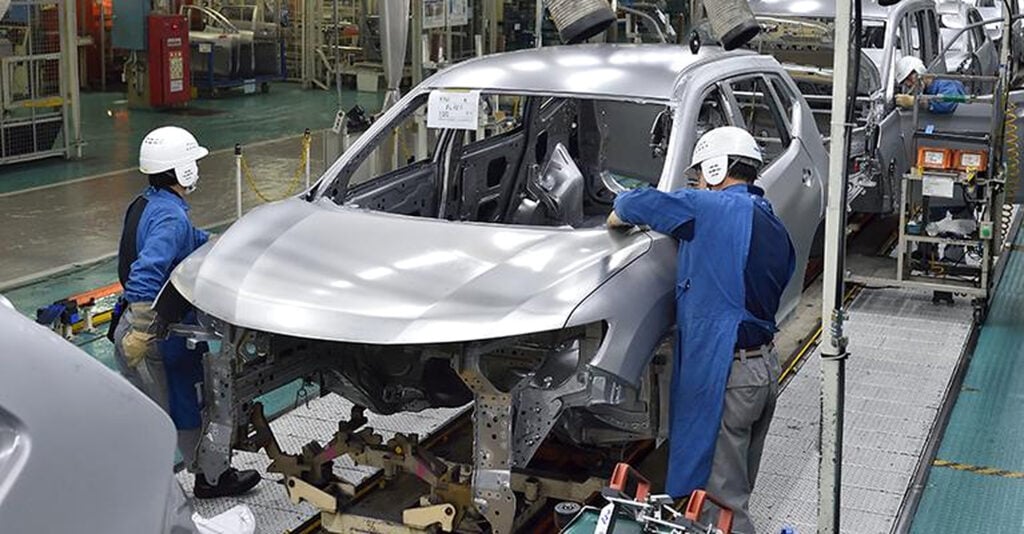
That risk remains uncertain, and it would be premature to predict shortages. Toyota expected a quick restart, while Nissan was still assessing conditions. The next several days will show whether transportation and supplier disruptions extend beyond the immediate safety pause.
You may also like: 2026 Lexus Lineup Preview: New Electrics, Old-School Charm, and a V8 Farewell Worth Toasting
A Short Pause Can Reach U.S. Dealers
American Lexus and Infiniti shoppers shouldn’t assume dealership inventories will suddenly disappear. Vehicles already built, in transit or held at ports provide a buffer, and a one-day stoppage is usually manageable.
The concern grows only if aftershocks, supplier damage or transportation closures stretch the interruption. Japanese-built luxury vehicles often have long production and shipping pipelines, so any meaningful delay may not become visible at U.S. dealerships for several weeks.
You may also like: Toyota’s Secret Weapon: That Could Outclass Rolls-Royce
Safety Comes Before Production Targets
The most important story isn’t how many vehicles Toyota or Nissan might lose. It’s the people living and working in a region dealing with collapsed buildings, damaged infrastructure and continued aftershock risk.
The Japan Meteorological Agency warned residents to remain cautious over the next two to three days. Toyota’s suspension and Nissan’s evaluation reflect the right priorities: account for employees, inspect facilities, confirm supply routes and restart only when conditions are safe. Cars can be built later. Recovery has to begin with the people who build them.