Hennessey Blackbird Brings Back the Analog Hypercar
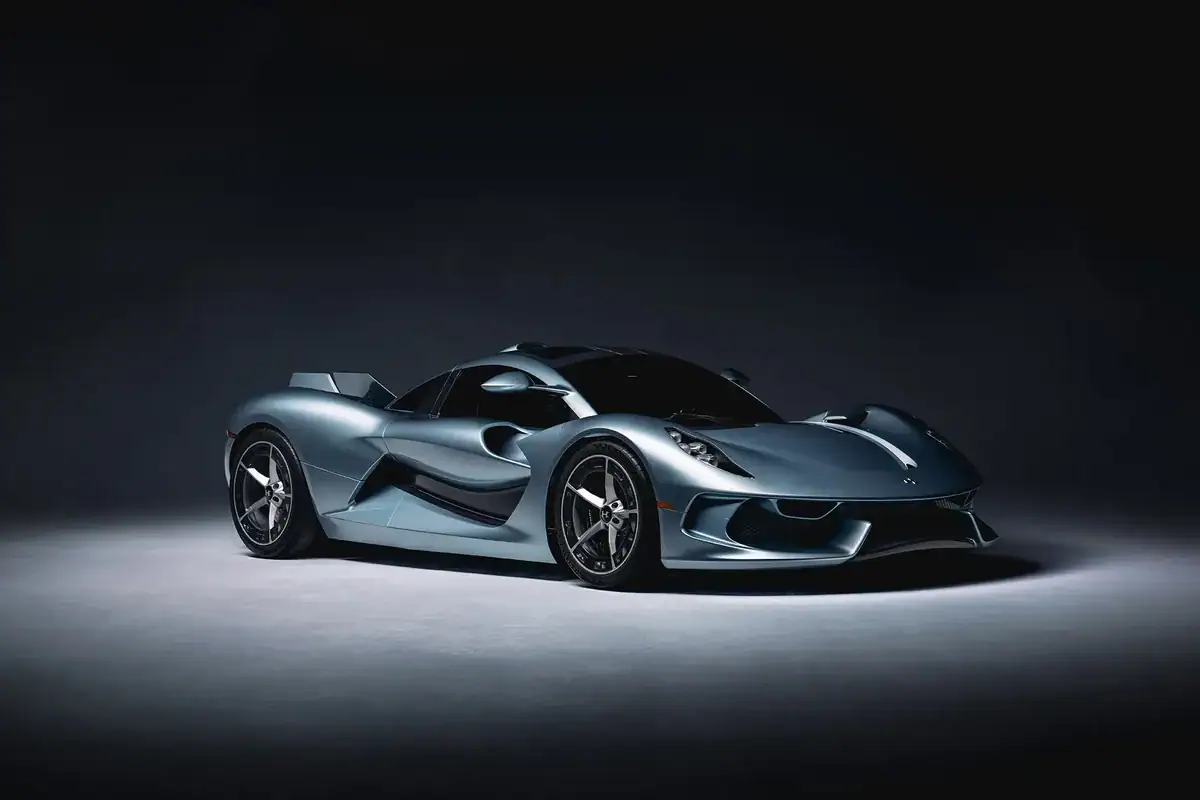
Hennessey has built its reputation by asking how fast a road car can go. The new Blackbird asks a more interesting question: how much of the driving experience has been lost while hypercars became faster, heavier, and more computerized?
The Texas-built Blackbird is planned as a naturally aspirated, rear-wheel-drive hypercar with a six-speed gated manual transmission. Only 71 examples are scheduled worldwide, each priced from $2.5 million before taxes and options.
Those numbers make it exclusive, but scarcity is not the real story. Blackbird is Hennessey’s attempt to create an analog grand-touring hypercar for drivers who still want to hear the engine, choose every gear, and remain responsible for the result.
You may also like: McLaren 788HS Is the Final V8 Supercar Send-Off
A 9,000-RPM V8 Without Hybrid Assistance
The center of the project is an all-new 6.2-liter V8 being developed with Ilmor Engineering. Hennessey is targeting 800 to 850 horsepower and an engine speed above 9,000 rpm, without turbochargers or electric motors filling gaps in the power delivery.
Hennessey Blackbird development targets include acceleration from zero to 60 mph in 2.5 seconds and a top speed of 220 mph. Those remain development targets, not independently verified production figures, and customer production is not expected until 2029 or 2030.
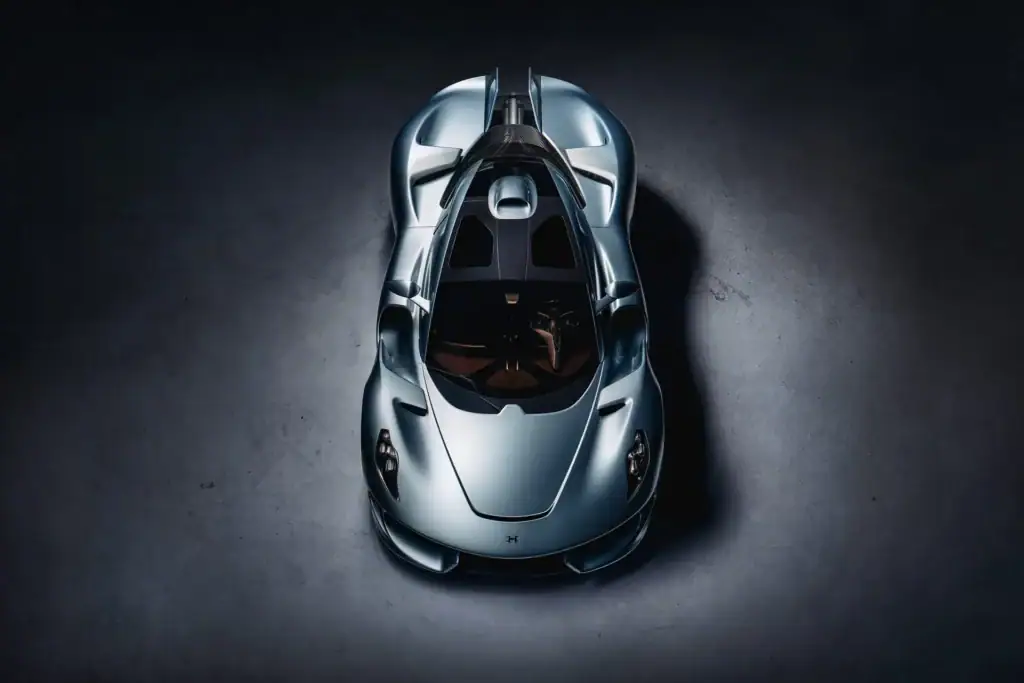
Even so, the formula is unusually clear. The engine sends power only to the rear wheels through a gated manual. Hennessey says immediate throttle response, linear power, and mechanical sound matter more here than winning a horsepower contest.
You may also like: Aston Martin Valhalla Review: 1,064 HP Hybrid Supercar
Carbon Fiber Keeps the Blackbird Below 3,000 Pounds
A bespoke carbon-fiber tub and carbon bodywork are intended to keep dry weight below 3,000 pounds. That would give the Blackbird a remarkable power-to-weight ratio without relying on the four-digit outputs now common among electrified hypercars.
The chassis includes inboard suspension architecture, adaptive damping, anti-lock brakes, traction control, and Michelin Pilot Sport Cup 2 tires. That combination suggests Hennessey is not rejecting modern engineering. It is choosing technology that supports the driver instead of placing another digital layer between the driver and the road.
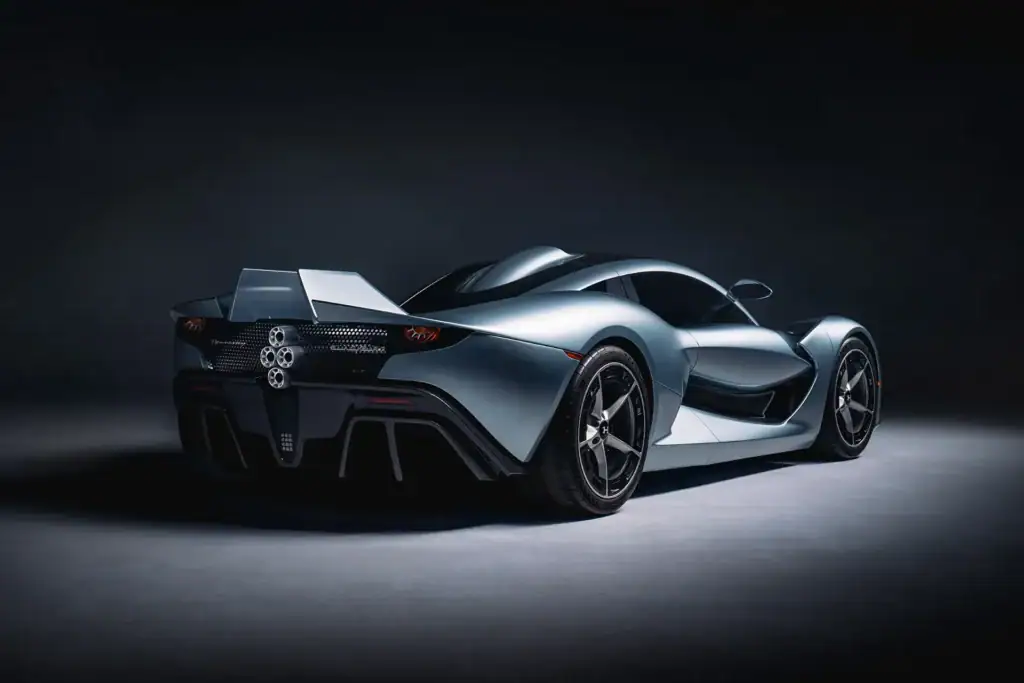
The aircraft influence is visible rather than merely promotional. The Blackbird takes its name from the SR-71 Blackbird, while active vertical stabilizers deploy at 71 mph. Its diamond-shaped quad exhaust was inspired by the Bell X-1, and the body mixes aerospace surfaces with Formula One-style side pods and endurance-racing cues.
You may also like: Audi Nuvolari Makes The R8 Look Sensible
No Screens, but Room for a Long Road Trip
Inside, there are no conventional infotainment screens, digital instrument panels or steering-wheel buttons. A large central tachometer, exposed shift linkage and physical ignition key establish the priorities before the engine even starts.
Drivers can still use navigation, Apple CarPlay and Android Auto through a phone secured in a dedicated holder. This is less a rejection of connectivity than an effort to stop it from dominating the dashboard.
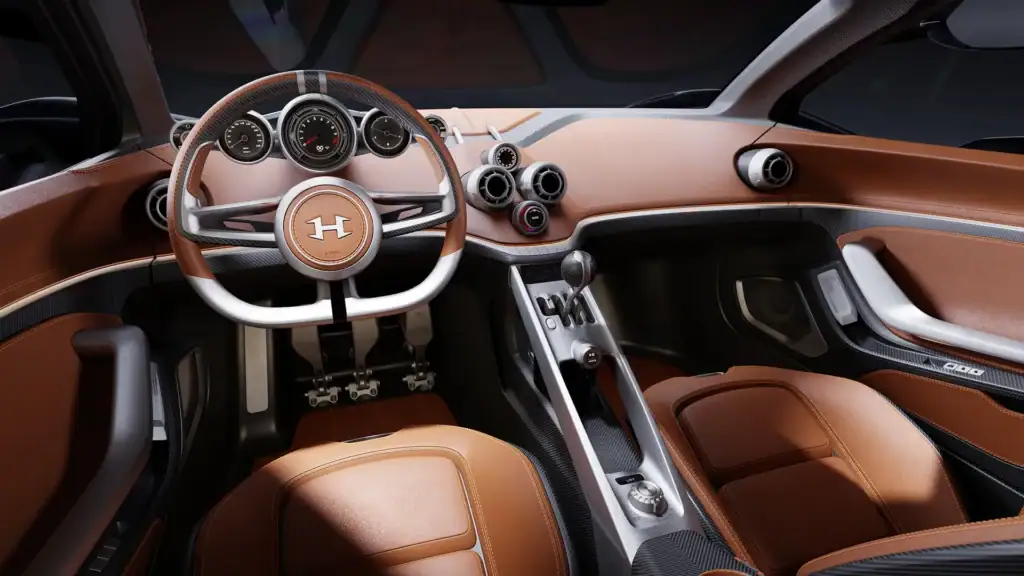
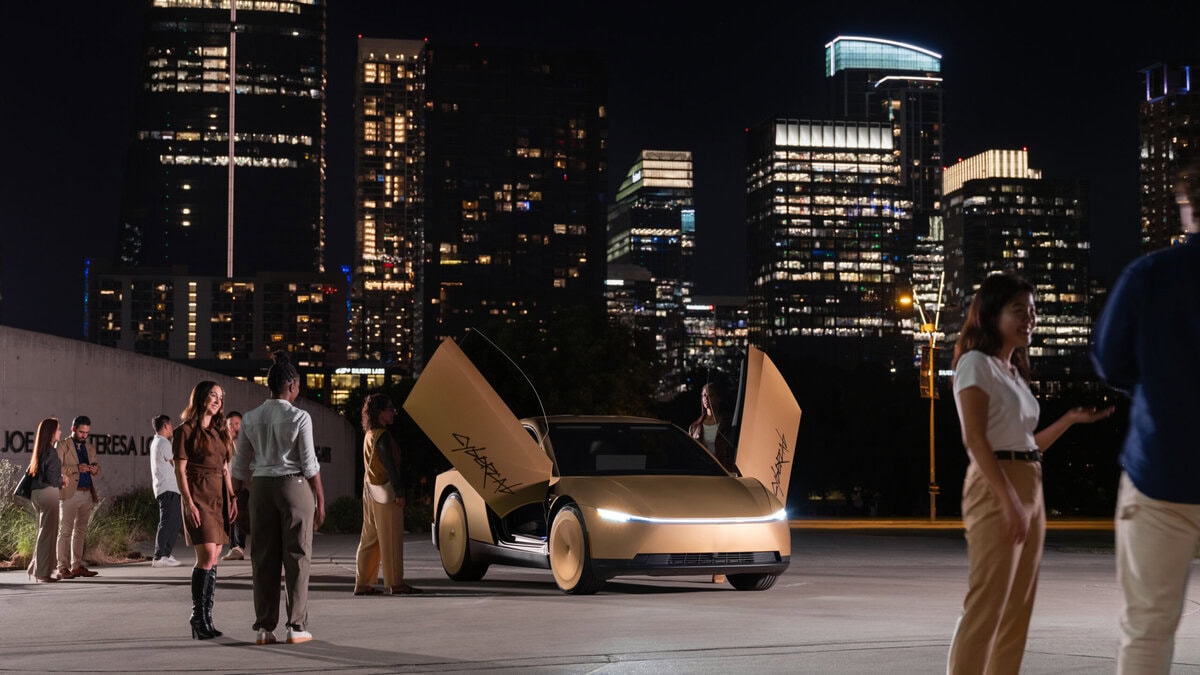
The surprising part is the touring brief. Hennessey says the Blackbird is being developed to cover more than 800 miles in a day. Gullwing doors open to a cabin larger than the Venom F5’s, while the car provides space for two carry-on bags, additional storage, and four cupholders.
You may also like: Monterey Car Week 2025 Brings Bold Reveals
Why the Hennessey Blackbird Matters
The Blackbird arrives as many hypercars use electrification, torque vectoring and software to make extraordinary performance more accessible. Hennessey is moving in the opposite direction, asking wealthy buyers to participate rather than simply select a drive mode.
It will still be extremely fast, expensive and rare. More than two-thirds of the planned production run has already been allocated ahead of its August 14 public debut at The Quail during Monterey Car Week.
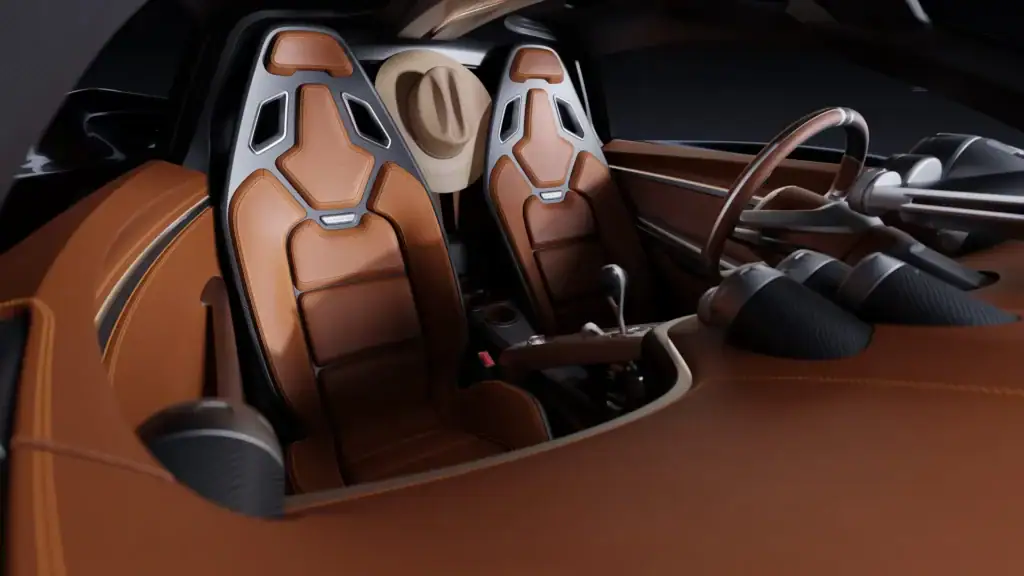
The Blackbird’s importance is not that it rejects progress. It is that it defines progress differently. Hennessey is betting that a carefully engineered manual car, built around sound, feel, and attention, can be more memorable than one that merely produces a larger number.