McLaren 788HS Is the Final V8 Supercar Send-Off
By Robert R Guio
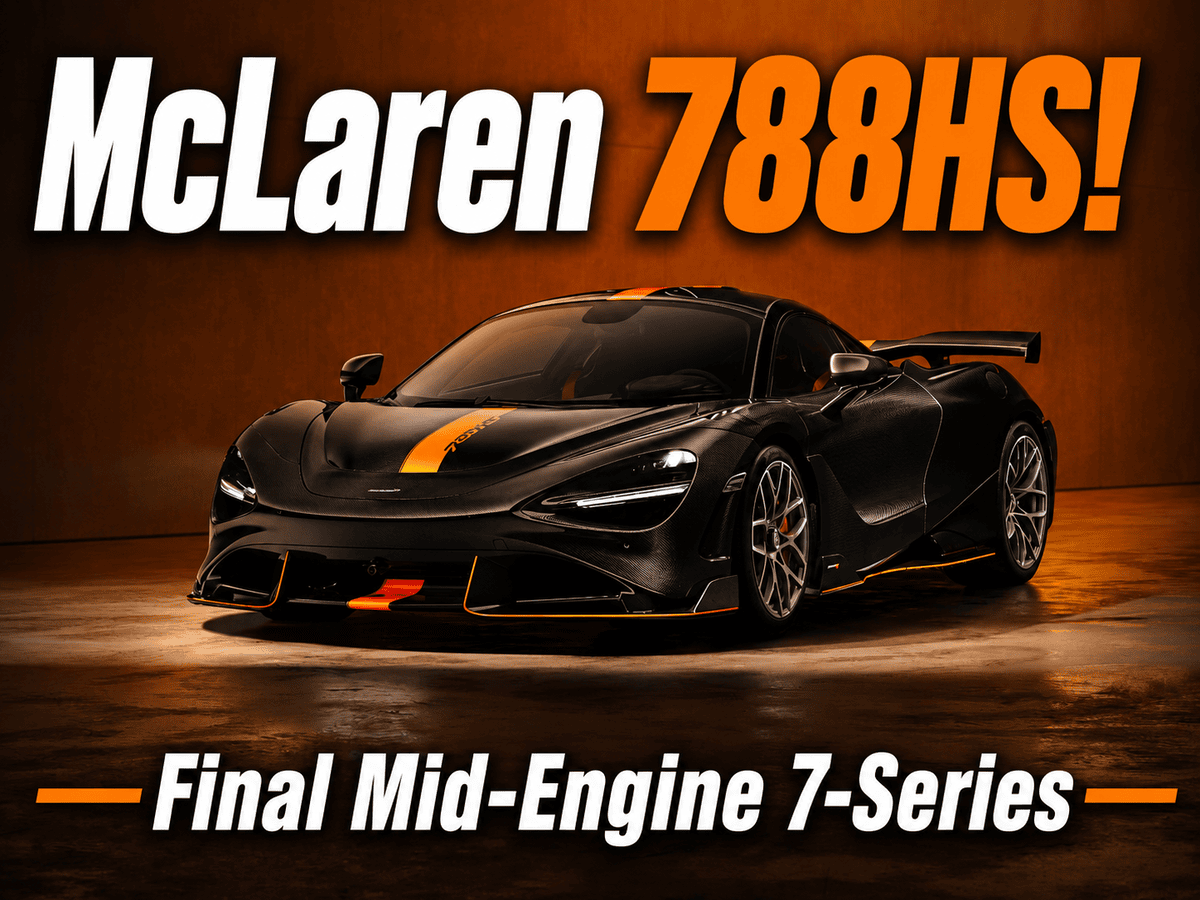
McLaren is closing one of the most important chapters in its modern history with the 788HS, a harder, lighter and considerably rarer evolution of the midengine supercar formula that began with the 720S.
The HS stands for High Sport, a badge McLaren reserves for particularly focused road cars. This is only the third model to carry it, and the timing is significant. The 788HS is being presented as the final development of the family that produced the 720S, track-focused 765LT and more polished 750S.
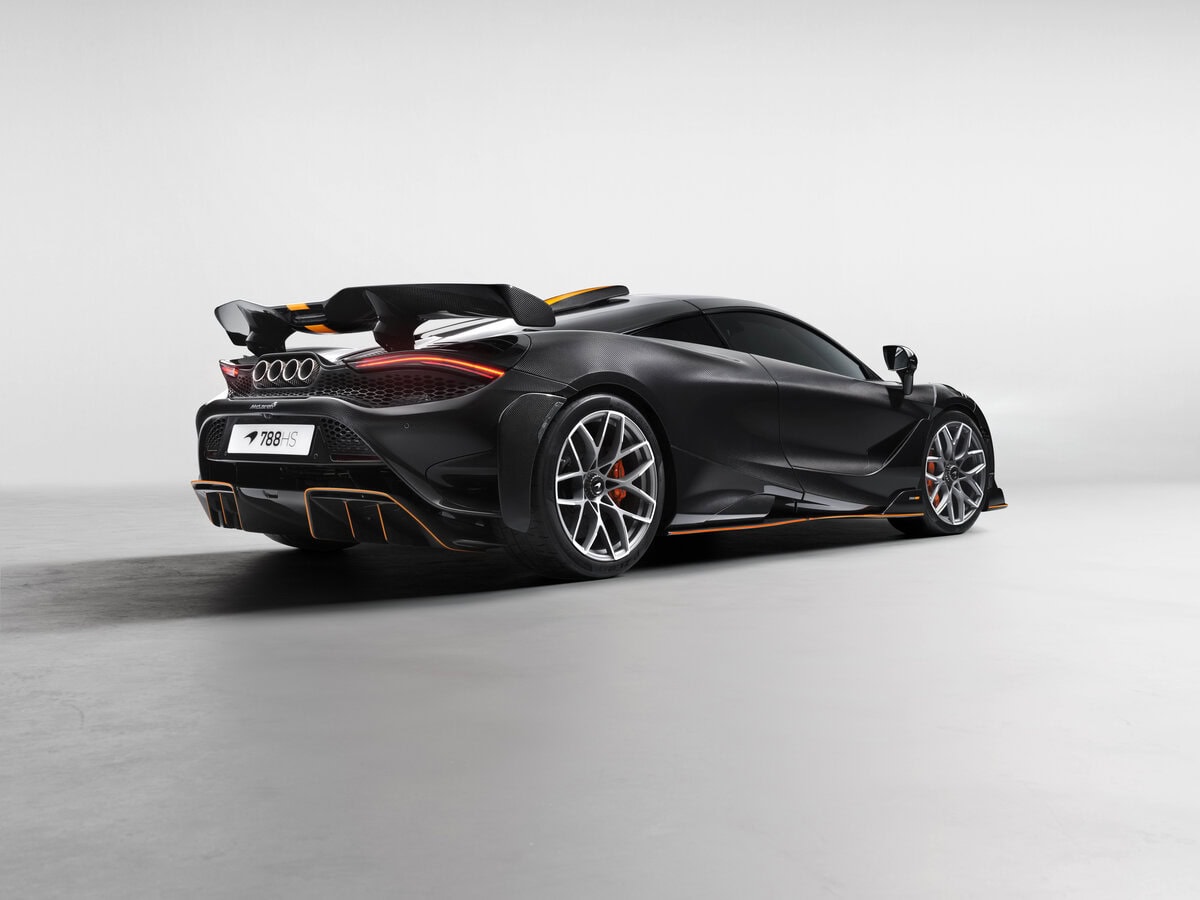
Only 200 will be produced, divided evenly between 100 Coupes and 100 Spiders. Every example will be commissioned through McLaren Special Operations, meaning exclusivity is being measured by more than production numbers alone.
You may also like: Aston Martin Valhalla Review: 1,064 HP Hybrid Supercar
McLaren 788HS Brings 777 Horsepower
The number in the name refers to the engine’s output in metric horsepower. In American terms, the familiar 4.0-liter twin-turbocharged V8 produces 777 horsepower and 590 pound-feet of torque.
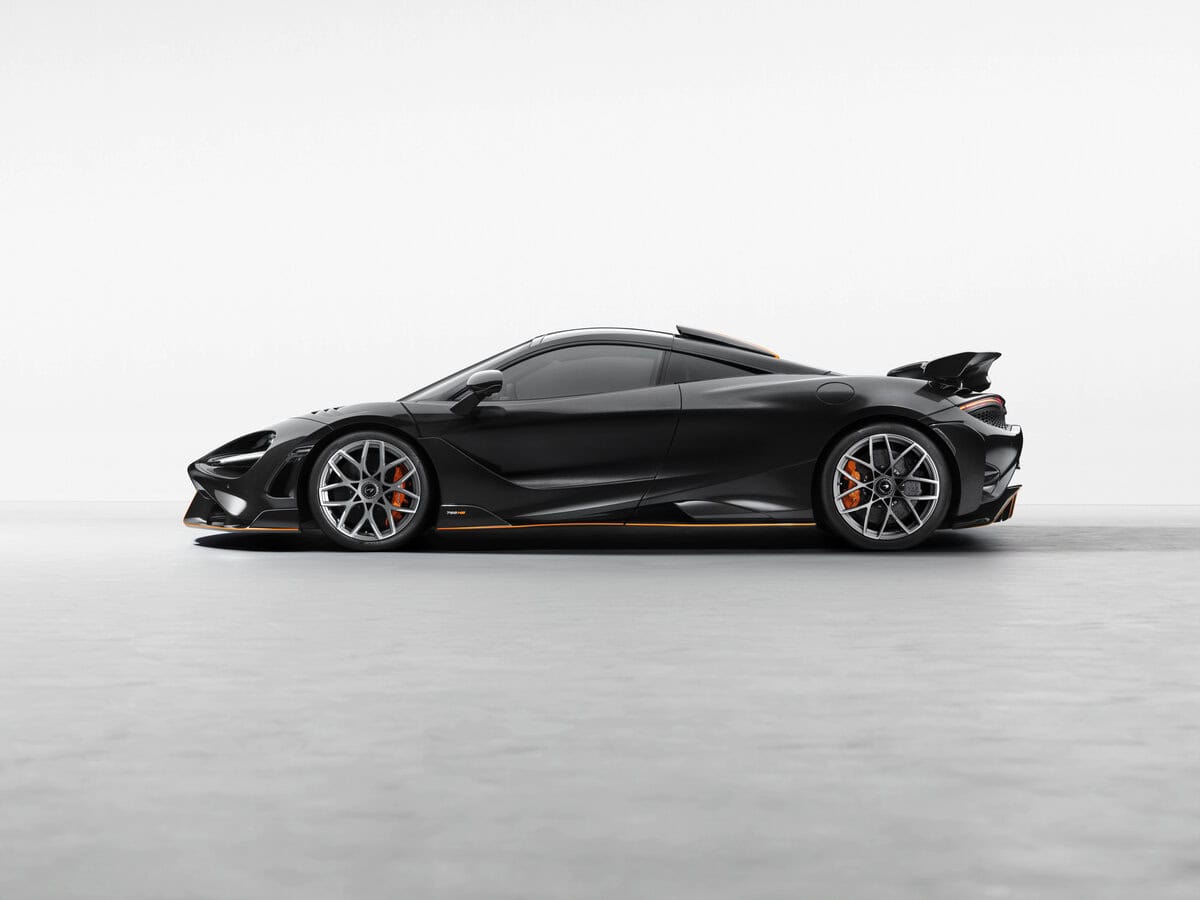
That power goes exclusively to the rear wheels through a seven-speed dual-clutch transmission. McLaren says the 788HS can reach 60 mph in 2.8 seconds, hit 124 mph in seven seconds and continue to a top speed of 205 mph.
Those figures are impressive, although they don’t fully explain the car’s purpose. The standard 750S was already faster than nearly anyone could responsibly exploit on a public road. The 788HS is less about transforming straight-line speed and more about sharpening every response surrounding it.
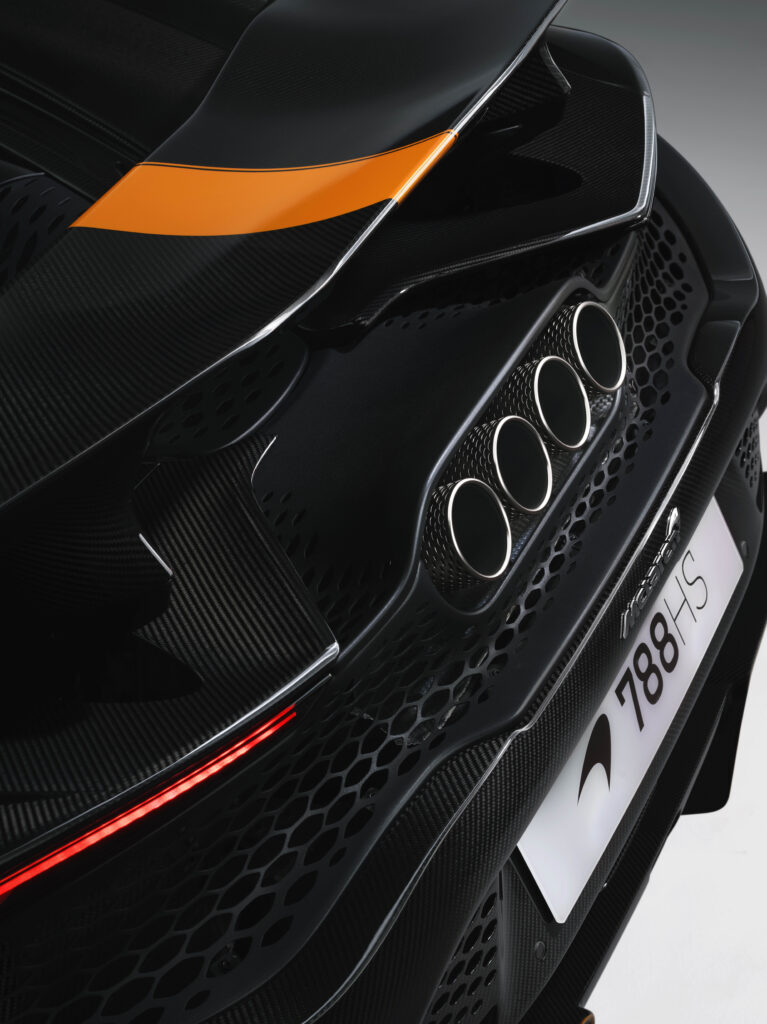
Engine changes include forged aluminum pistons, high-flow fuel pumps, revised turbocharger hardware and unique engine-mount calibration. A new titanium exhaust exits through four centrally mounted pipes, giving the car a visual signature that is difficult to confuse with the quieter-looking 750S.
You may also like: Audi Nuvolari Makes The R8 Look Sensible
Aerodynamics Push the 788HS Beyond the 765LT
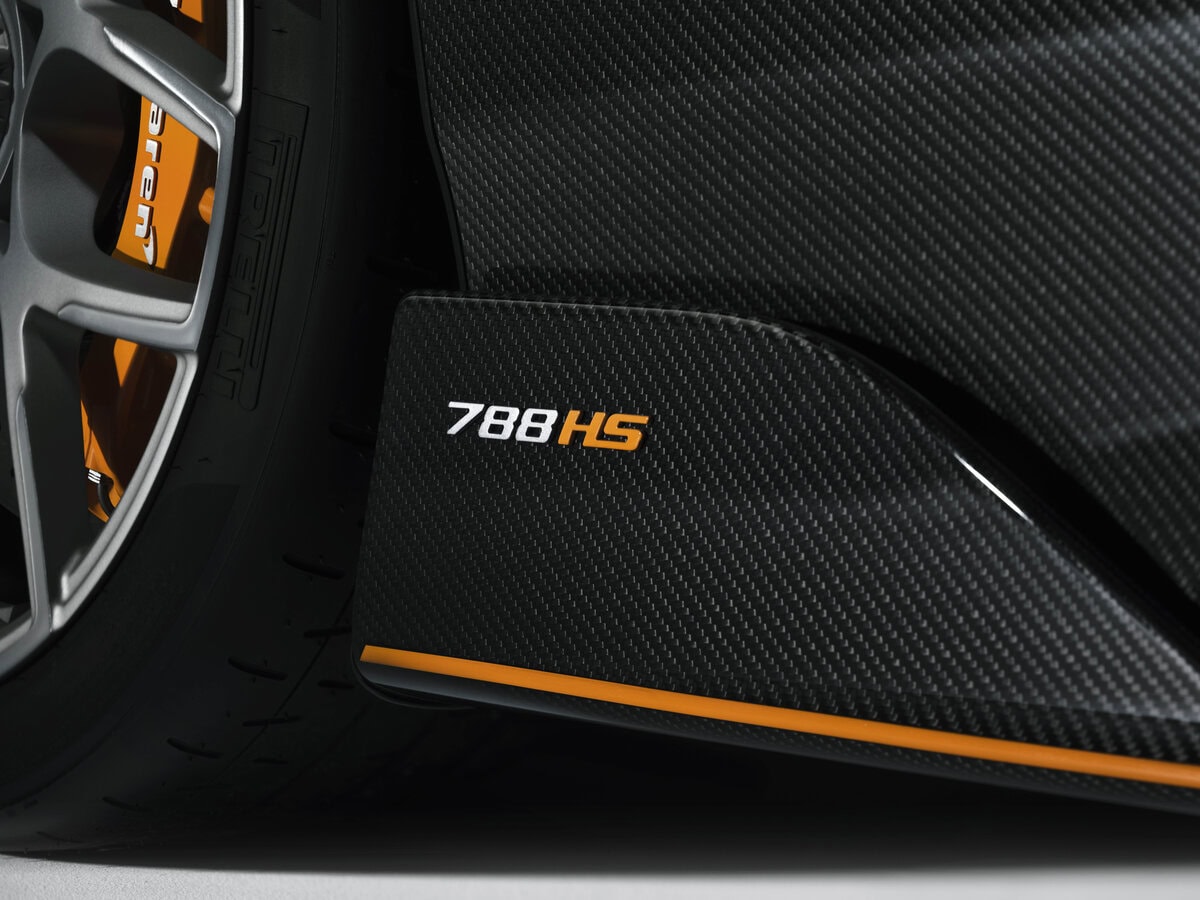
The bodywork makes the car’s intentions considerably clearer. A new carbon-fiber front splitter works with an S-duct hood, revised fenders, active rear wing and more aggressive rear diffuser.
McLaren says the package produces 10 percent more downforce than the already serious 765LT. That comparison matters because the 765LT was not a soft grand tourer. It was one of the sharpest and most demanding cars McLaren had placed on the road.
The rear diffuser borrows ideas from Formula 1, while the active wing adjusts its position to balance drag, stability and braking performance. Much of the visible bodywork is carbon fiber, and customers can specify an exposed-carbon exterior if ordinary painted carbon seems insufficiently expensive.
The 788HS also becomes the first car in this lineage to use center-lock wheels. Behind them sit carbon-ceramic brakes with six-piston front calipers, hardware related to the systems used by McLaren’s Senna and newer W1.
You may also like: 656 HP, Rear-Wheel Drive, and No Apologies: 2025 Aston Martin Vantage
Less Weight, More Focus and No Attempt at Subtlety
Minimum dry weight is listed at 2,789 pounds, roughly 26 pounds lighter than a comparable 750S. That may not sound transformative, but weight removed from an already light supercar tends to influence steering, braking and direction changes more than a specification sheet suggests.
McLaren’s hydraulically interconnected Proactive Chassis Control III suspension remains, although spring rates, damping and electronic calibration have been adjusted for the 788HS. The goal is greater precision without abandoning the unusual ride quality that has long separated McLaren from less forgiving rivals.
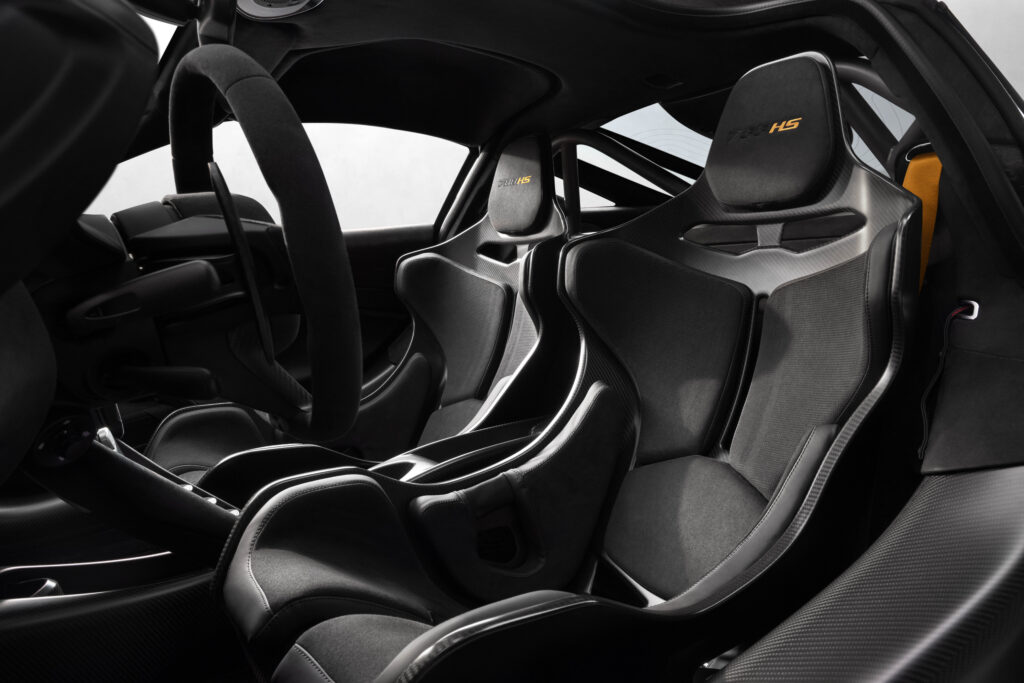
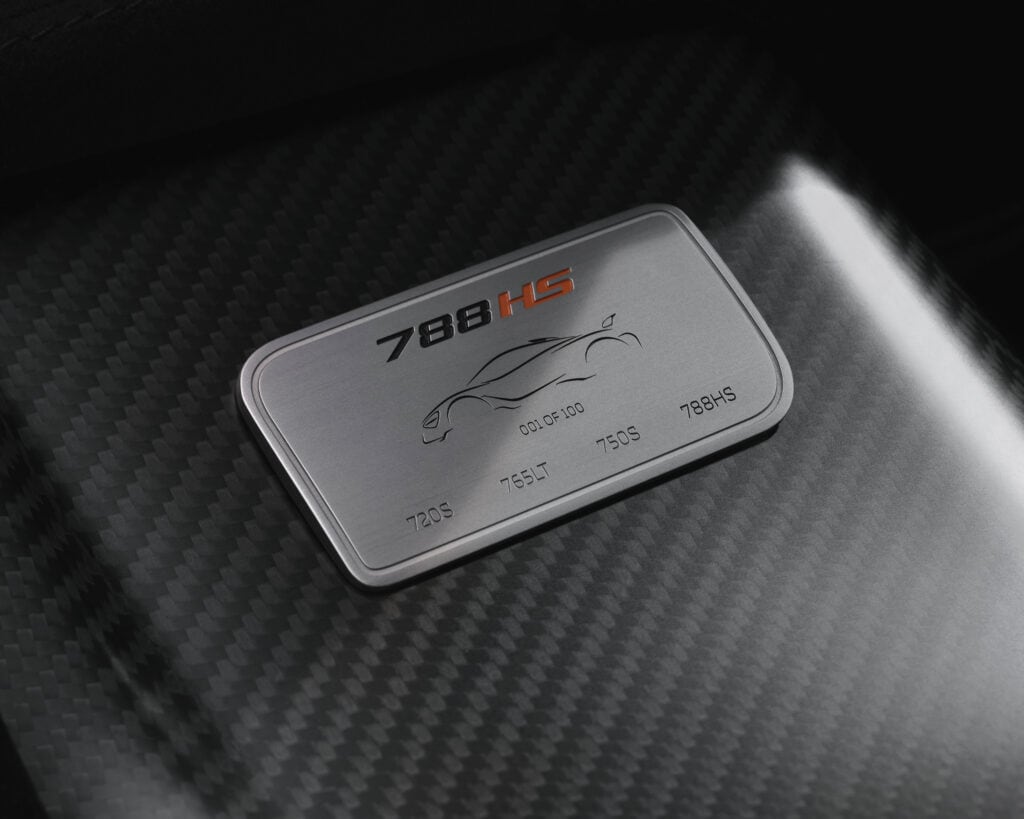
The cabin follows the same approach. Carbon fiber replaces heavier trim pieces, lightweight seats hold occupants firmly, and model-specific perforations, graphics and numbered badging make sure nobody mistakes this for a standard production car.
The Spider version receives the same mechanical and aerodynamic thinking, giving buyers the option of removing the roof without turning the 788HS into a relaxed boulevard cruiser.
You may also like: Monterey Car Week 2025 Brings Bold Reveals
The Final Chapter for McLaren’s 720S Family
The original 720S arrived in 2017 and immediately shifted expectations for modern supercars. It was extraordinarily fast, surprisingly usable and built around a lightweight carbon structure that gave McLaren a genuine point of difference.
The 765LT turned that foundation into something more aggressive, while the 750S refined the concept rather than replacing it. The 788HS now delivers the closing argument: more power, more aero, less weight and considerably fewer cars.
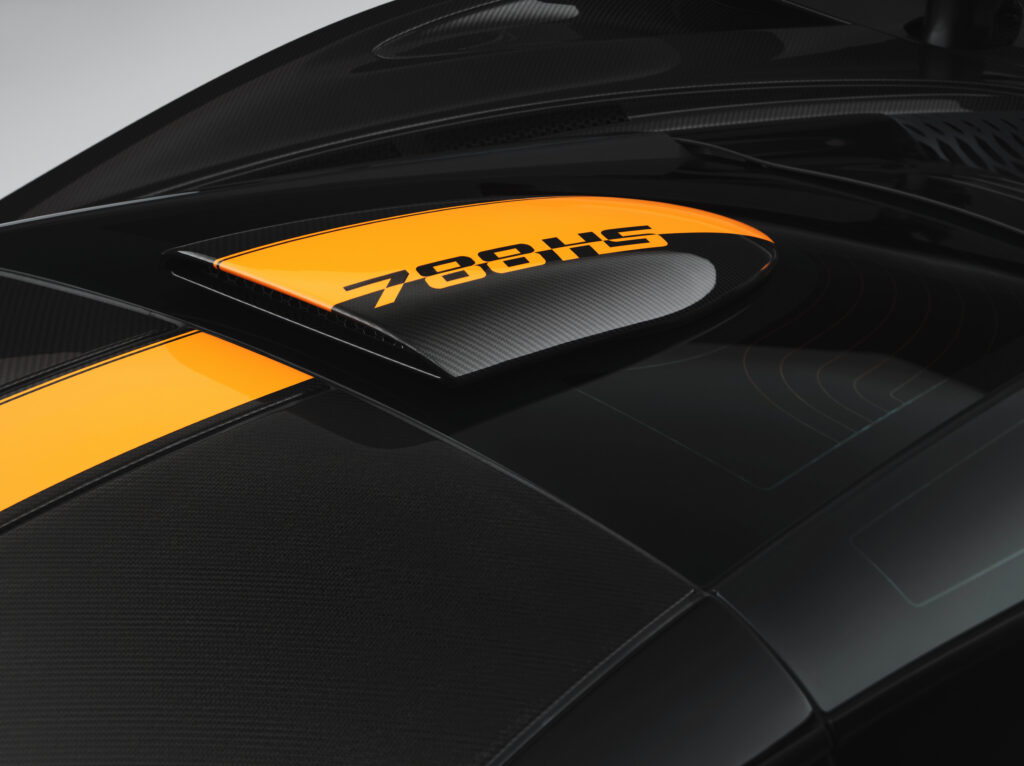
McLaren has not announced official pricing, and with every car receiving individual MSO treatment, a single number would probably be optimistic anyway. More important is what the 788HS represents.
It is not simply another limited edition designed to keep collectors interested. It is a carefully engineered farewell to an exceptional platform, created just as supercars move toward greater electrification and complexity. The next McLaren may be faster. The 788HS may be the one people remember.