Formula 1 The Out Lap Is Really Selling Access
By Robert R Guio
Formula 1 The Out Lap pairs Michelin-level dining with rare track access, revealing how F1 is turning hospitality into a premium product.
Formula 1 The Out Lap Is Really About Access
There are easier ways to eat a remarkable dinner than climbing into a glass-sided dining room on a Formula 1 circuit. There are cheaper ways, too. That is precisely why The Out Lap is interesting. The food matters, but the difficult-to-copy ingredient is the location.
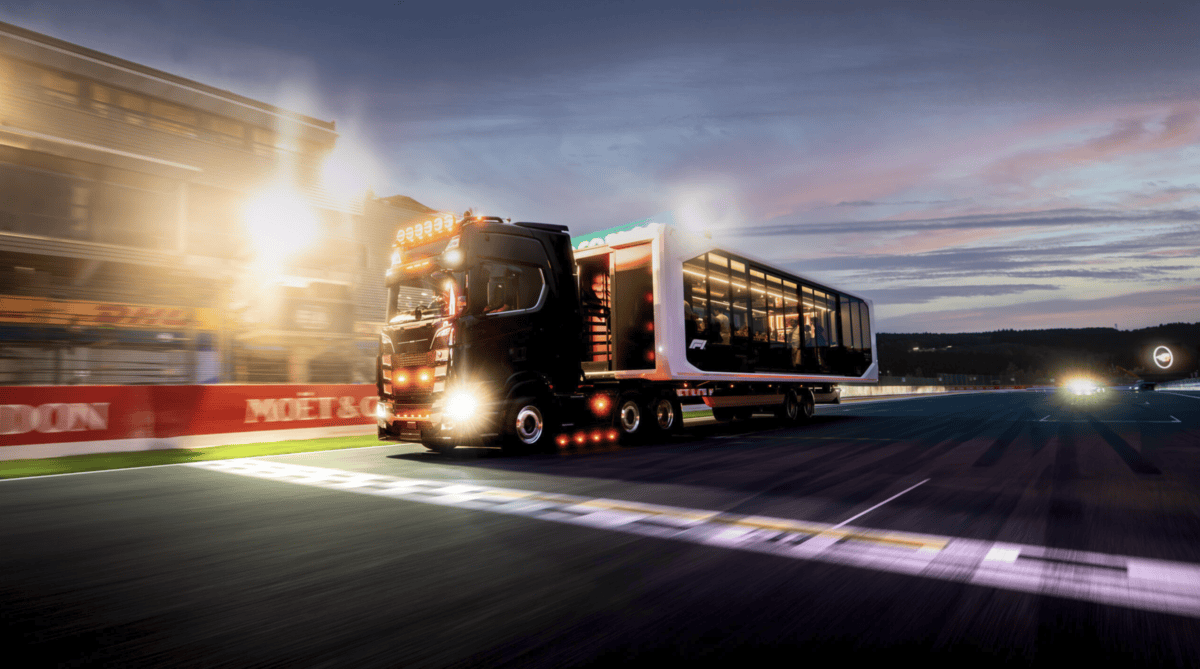
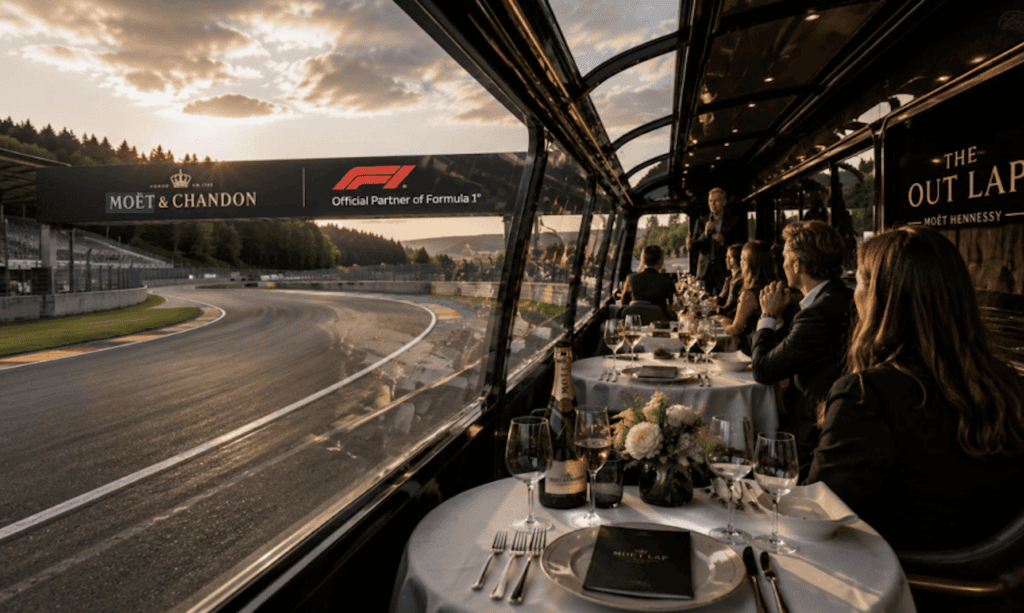
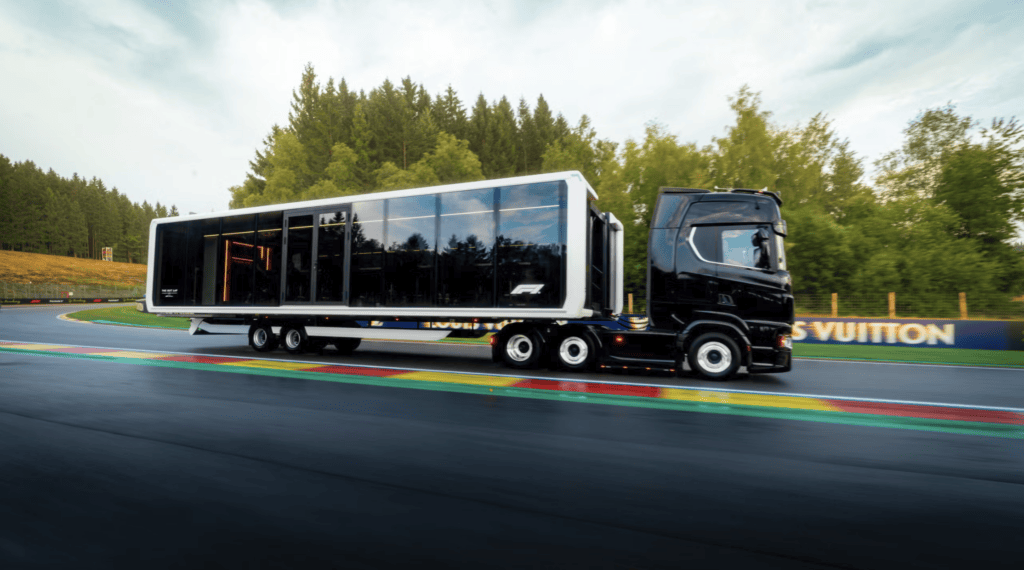
Formula 1 and Moët Hennessy launched the experience at Spa-Francorchamps in July 2026. Twelve guests at a time travel around the circuit, stopping at recognizable places while a former driver or Formula 1 ambassador supplies the racing story and a leading chef supplies the next course. The organizers describe the format as a restaurant in motion, and the official Formula 1 ticket page for the Dutch edition lays out the formula clearly: a 12-person mobile dining room, circuit storytelling, Michelin-starred cuisine and Moët Hennessy pairings. Formula 1’s hospitality page explains the Dutch edition here.
Reuters reported that the launch price was £10,000 per person, roughly $13,450 using the exchange rate cited in its July story. That number immediately changes how the product should be judged. This is not a clever alternative to a grandstand seat, and it is not a restaurant booking with a motorsport theme. The purchase is aimed at the very top of Formula 1’s hospitality market, where proximity, exclusivity and stories that can be told afterward are part of the value.
I would separate the meal from the product when assessing it. A great dinner can be bought in Paris, Modena, Amsterdam or Madrid. What cannot normally be ordered from a menu is a table that moves through Eau Rouge or the banking at Zandvoort while someone with Formula 1 experience explains why that patch of asphalt matters. If the concept works, that is the reason.
You may also enjoy: Audi F1 2026 fire-up: the milestone that matters
Twelve Seats Explain the Business Model
The Out Lap becomes easier to understand once you stop asking how many people it can serve. Twelve seats are a limitation operationally, but they are also the point commercially. Scarcity turns access into a product, just as limited-production vehicles can turn rarity into part of their appeal.
At Spa, a Moët Hennessy spokesman told Reuters the experience ran twice on Friday and twice on Saturday after track activity and was fully booked. That is a tiny number of diners in the context of a Grand Prix crowd, so it would be a mistake to present sellout status as proof of mass demand. It does show that a five-figure experience can find buyers when the package is rare enough and the surrounding event already attracts an international premium audience.
The wider Formula 1 business provides useful context. In its second-quarter 2026 results, Formula 1 owner Liberty Media said lower hospitality and freight revenue caused by fewer events was partly offset by higher hospitality revenue at recurring events. The company also cited increased Paddock Club attendance when discussing higher hospitality costs at those races. Those disclosures do not break out revenue from The Out Lap, and there is no basis to claim this 12-seat concept materially moved Formula 1’s financial results. They do show that premium hospitality sits inside a part of the business that management is actively expanding and measuring.
That makes The Out Lap less interesting as a stunt and more interesting as product development. Formula 1 already sells the race. Hospitality asks a different question: how many distinct experiences can be built around the same weekend for customers with different budgets and expectations? A mobile restaurant is one answer at the extreme top of that ladder.
You may also enjoy: Cadillac’s Formula 1 Moment: What This Entry Really Means
The Menu Works Only If the Circuit Matters
The strongest part of the idea is that Formula 1 did not create one menu and ship it around Europe. The 2026 program changed chefs, food and storytellers as the series moved from Belgium to the Netherlands, Italy and Spain. That gives each edition a reason to belong to its location.
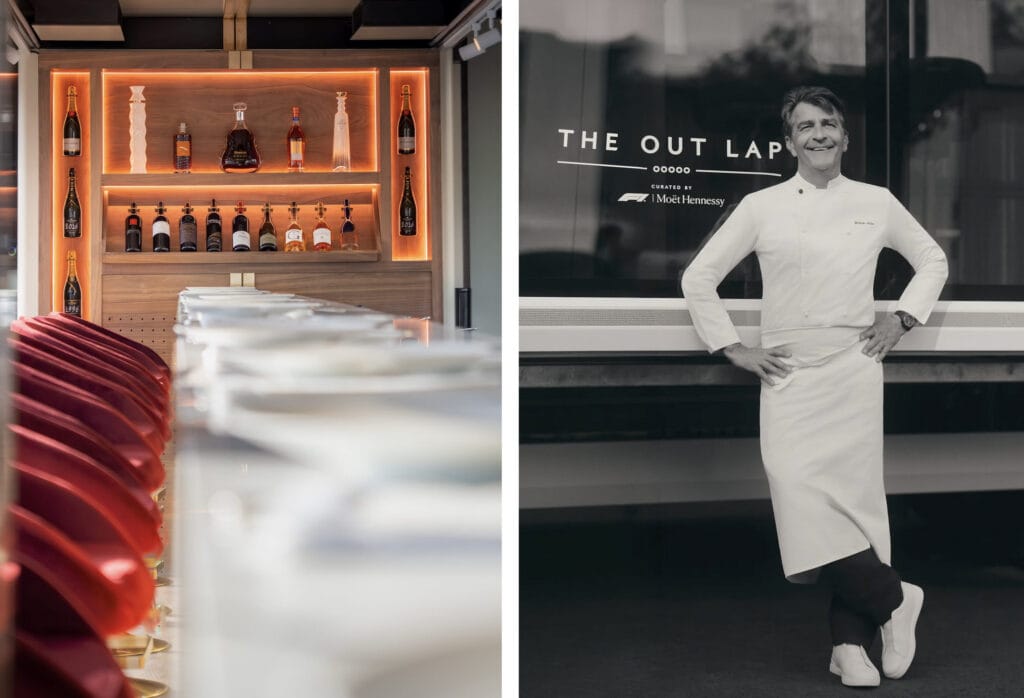
Spa began with Yannick Alléno, invited by Moët Hennessy to create the inaugural menu. Zandvoort shifted to Restaurant De Bokkedoorns and Restaurant Aan de Poel. The Michelin Guide currently lists both Dutch restaurants among the country’s two-star establishments. Formula 1 paired that food with circuit stories from David Coulthard, Mika Häkkinen and Naomi Schiff.
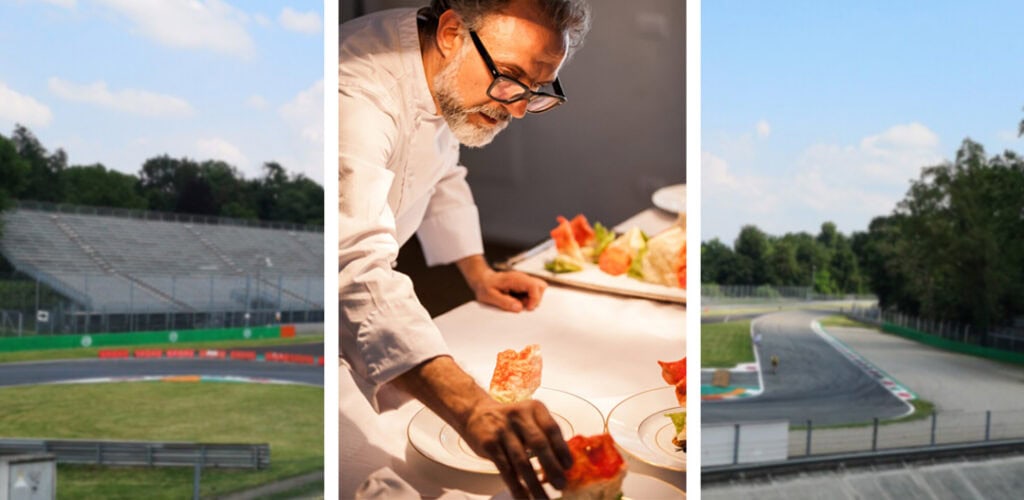
Monza then made the local connection even more obvious. Massimo Bottura, the chef behind Osteria Francescana in Modena, created the Italian edition. The Michelin Guide lists Osteria Francescana with three stars. Formula 1’s own Monza announcement named Damon Hill, Giancarlo Fisichella and Naomi Schiff as ambassadors and said the dining room would move among the circuit’s famous locations. Formula 1’s corporate release details that Monza edition.
Madrid completed the announced 2026 sequence. After the Spanish Grand Prix, Moët Hennessy said its Out Lap dinner brought together Bruno Senna and Michelin-starred chef Quique Dacosta. The names changed again, but the architecture stayed intact: local food identity, a racing voice and a circuit that functions as more than scenery.
That last point is where the concept either earns its credibility or loses it. If the dining room could park behind a hotel and deliver essentially the same evening, the motorsport element becomes expensive wallpaper. The course-by-course stops need to make the track understandable in a new way. For an automotive audience, that is the equivalent of a performance car feature that matters only when you actually use the car. The specification is not the story; the experience it enables is.
You may also enjoy: From Formula One to Family Driveways: Why GM’s Global Racing Bet Matters
The Luxury Partnership Is Bigger Than Dinner
The Out Lap also makes more sense when placed inside Formula 1’s relationship with LVMH. The luxury group’s Formula 1 relationship began in 2025 and is scheduled to span a decade, with Louis Vuitton, Moët Hennessy and TAG Heuer participating. LVMH describes hospitality and bespoke activations as part of that partnership, alongside visible roles such as timekeeping, trophy presentation and Champagne celebrations.
That arrangement matters because sponsorship is changing from signage into participation. A logo on a barrier tells you who paid to be there. A product such as The Out Lap gives the partnership something it can sell, stage, photograph and repeat with local variation. It creates a physical experience that belongs to both brands at once: Formula 1 provides the inaccessible space and racing history; Moët Hennessy provides the fine-dining and drinks vocabulary.
There is a familiar automotive analogy. Premium carmakers increasingly make money and build loyalty through experiences that sit around the vehicle: track schools, factory delivery, invitation-only previews, concours events and owner travel. The car remains central, but access to the brand’s world becomes part of the ownership proposition. Formula 1 is doing something similar without requiring the customer to own anything. The ticket is temporary membership in a very controlled version of the paddock lifestyle.
The limitation is obvious. Extreme exclusivity can make a brand feel desirable, but it can also sharpen the distance between ordinary fans and the commercial world built around them. Most people watching a Grand Prix will never sit at this table. That does not make the product illegitimate; it simply means the industry should be precise about whom it serves. The Out Lap is not fan access in the broad sense. It is luxury hospitality using motorsport access as its rare material.
You may also enjoy: Mercedes-AMG’s GT 63 “APXGP Edition” Puts Hollywood in the Fast Lane — But Is It More Than a Movie Car?
What Buyers Should Ask Before Spending Five Figures
Anyone considering a future edition should look past the headline dinner price and examine the complete package. Formula 1’s hospitality configurations can vary by event. The Dutch Out Lap page, for example, described additional elements including three-day paddock access and a Cool Down Room visit. A later or different Grand Prix package may not be identical. The sensible questions are therefore practical: which day is the moving dinner, what credentials are included, how much paddock access comes with the purchase, which chef and ambassador are confirmed, whether taxes or processing fees are extra, and what cancellation rules apply.
It is also worth deciding what you are actually buying. If the primary objective is the best possible meal, a dedicated destination restaurant gives you more control over the dining experience and costs dramatically less. If the objective is rare Formula 1 access, however, The Out Lap is unusual because the circuit itself becomes part of the service. That is a far more defensible reason for the price than pretending the ingredients alone can justify it.
The first season also leaves unanswered questions. Formula 1 and Moët Hennessy announced four 2026 destinations, but they have not publicly established a permanent annual calendar for the concept. Capacity has remained at 12 in the official material reviewed for this story. Expanding that number could improve availability while diluting the intimacy that makes the product distinctive. Keeping it tiny preserves scarcity but limits its relevance to the broader fan base.
The safer conclusion is to treat the 2026 program as evidence of direction rather than a finished template. Formula 1 is experimenting with how deeply it can package its venues, history and personalities into premium experiences. The fact that the LVMH partnership runs for 10 years gives both sides plenty of time to refine that approach.
You may also enjoy: Why Indy 500 Is Nothing Like F1, According to Takuma Sato
For me, the most revealing thing about Formula 1 The Out Lap is that the dinner is almost secondary to the choreography. Twelve people, one circuit, a driver who knows why a corner matters and a chef asked to translate place into taste: that is a designed product, not simply catering. Whether it represents value is personal and depends heavily on what else the package includes. But as a signal of where top-tier motorsport hospitality is heading, it is unusually clear. Formula 1 has discovered that the asphalt can be sold twice: once as the stage for the race, and again as the rarest seat in the restaurant.