U.S. Auto Market: Why José Muñoz Is Betting on America
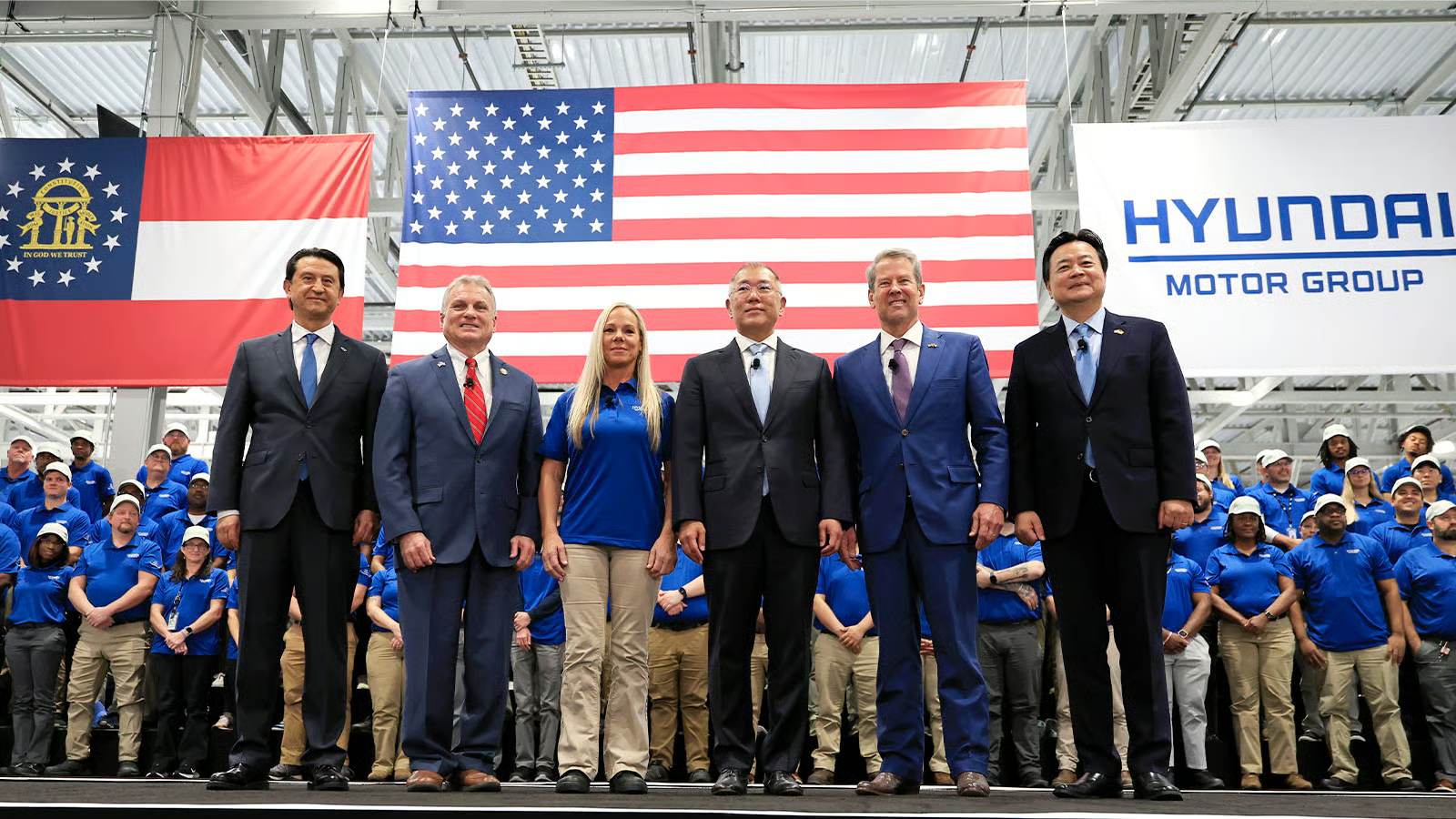
The U.S. auto market is drawing global investment despite high car prices and household strain. Hyundai CEO José Muñoz says America sits at the top of his priorities.
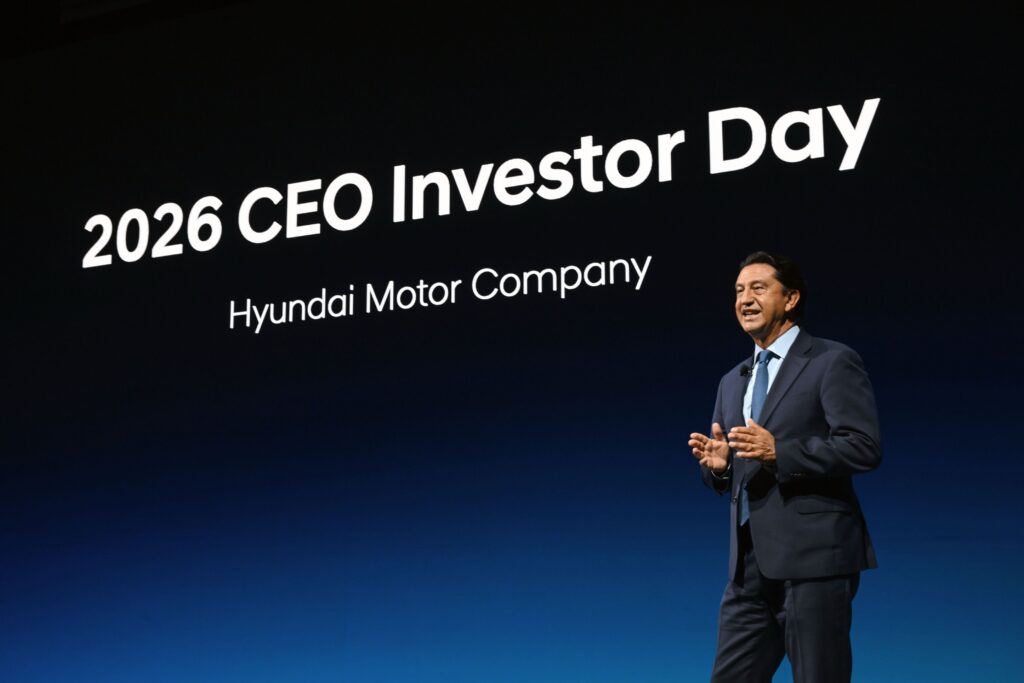
José Muñoz put Hyundai’s American focus in unusually plain language: “My top three priorities are: U.S.A.” The remark captures a striking industry calculation. For global automakers, the United States remains a place where they see room to sell profitable vehicles, even as the price of a new car stretches many household budgets.
Muñoz has made the point before. In August, while discussing Hyundai’s plans to expand U.S. manufacturing, he said: “For us, the USA is the most important market in the world besides Korea, which is our headquarters.” That emphasis is showing up in factory investments, product plans and the vehicles companies are choosing to develop for American buyers.
You may also enjoy: Hyundai’s $26B U.S. Investment: New EVs, Hybrids and What It Means for You

Why the U.S. auto market still attracts investment
One reason is the kind of vehicles many Americans buy. Pickups and larger SUVs can bring automakers more revenue per vehicle than smaller, lower-priced models. Buyers have continued to purchase them, even as transaction prices and financing costs have risen.
For automakers, that mix can make the United States more appealing than a market where sales are weakening or competition is squeezing margins. Hyundai is investing in U.S. production and preparing vehicles aimed at American tastes, including more hybrids and larger utility vehicles. Its Alabama expansion is one example of how the company is building its American manufacturing presence.
You may also enjoy: Hyundai Alabama Plant Investment: $450M SUV Expansion
But a profitable market for manufacturers does not automatically mean an affordable market for customers. The Bureau of Labor Statistics’ Consumer Price Index showed consumer prices rising 3.7% over the year through September. BLS real earnings data also help show why price increases can feel sharper when paychecks do not keep pace.
Strong economic numbers, real pressure on buyers
It is tempting to describe the economy as simply “bad,” but the latest indicators are more complicated. The Bureau of Economic Analysis reported 3.4% annualized GDP growth for the third quarter of 2026. Meanwhile, the labor market added 165,000 jobs in October, according to the latest figures from the Bureau of Labor Statistics.
Those figures describe broad economic activity, not whether a particular family can comfortably replace an aging car. New vehicles remain expensive, borrowing costs affect monthly payments, and the total cost of ownership includes insurance, fuel and maintenance. The Consumer Financial Protection Bureau’s auto-loan guidance encourages shoppers to consider those costs alongside the sticker price. The Department of Energy’s vehicle cost calculator can help compare estimated fuel and ownership costs across powertrains.
You may also enjoy: America’s $50,000 Car Problem: Higher Prices, Fewer Buyers
The result is a split market: some buyers keep purchasing expensive trucks and SUVs, while others trade down, hold onto older vehicles or leave the new-car market. The car affordability crisis is not erased by national growth statistics. It is one reason automakers need products at different prices and with different powertrains.
What Muñoz’s message means for Hyundai
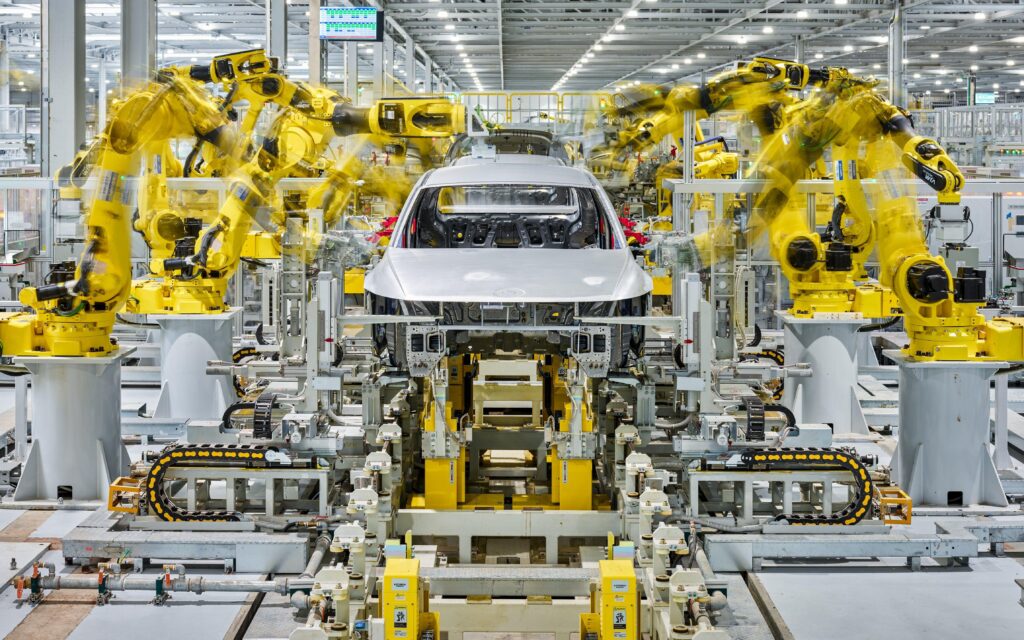
Muñoz’s comments are a business priority, not a promise that Hyundai will lower prices or that every planned vehicle will be built in America. Local production can give an automaker more control over supply and help it serve regional demand, but manufacturing location alone does not guarantee a lower price for shoppers.
Hyundai’s U.S. strategy is also a bet on product choice. Buyers do not all want the same thing: some need a pickup or three-row SUV, while others want a small sedan or a hybrid that reduces fuel use without requiring charging. Hyundai has discussed broadening its U.S. lineup and expanding domestic production, a strategy explored in Hyundai’s plan to challenge Jeep and Ford.
You may also enjoy: Hyundai Affordability: Planning Cars Buyers Can Pay For
The Test Miles view
Muñoz’s message is clear: Hyundai sees the United States as central to its future. The commercial logic is understandable. America remains a large vehicle market with buyers willing to pay for trucks, SUVs and premium features, while other regions present their own competitive and economic challenges.
The harder question is whether the industry can keep relying on high prices and high-margin vehicles without narrowing the pool of people who can afford a new car. For shoppers, the useful test is not how strongly an automaker prioritizes America. It is whether the vehicles that arrive offer the right space, technology and capability at a price that fits real budgets.
Hyundai is positioning itself to compete for American buyers. Now it has to show that its investment can serve both sides of the market: the customers looking for large, well-equipped vehicles and the households looking for a new car they can actually afford.