Brembo Brake-By-Wire Technology Replaces Hydraulic Brake Lines
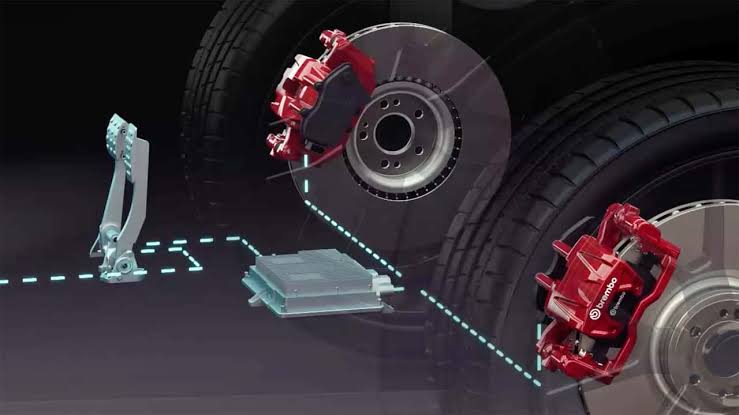
Brembo brake-by-wire technology eliminates traditional hydraulic fluid lines in production cars, exchanging mechanical pedal feel for digital precision and zero pad drag.
Pushing down on a brake pedal has always offered an unmistakable, reassuring physical feedback loop. You press the pedal, fluid compresses inside metal lines, and hydraulic pressure clamps brake pads against spinning iron rotors. That direct mechanical chain of events has kept drivers safe for over a century. Now, industry giant Brembo is officially cutting those hydraulic fluid lines in favor of digital wires, electromechanical calipers, and complex software algorithms.
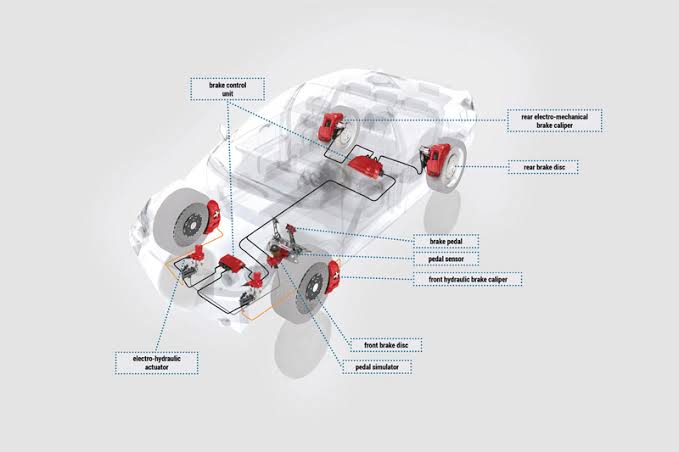
Brembo has officially transitioned its Sensify brake system into full series production for modern road vehicles. Rather than relying on pressurized fluid, the system uses pedal position sensors to communicate instantly with electronic control units at each wheel. Electric actuators integrated directly into the calipers clamp the pads down with surgical precision. It represents the biggest disruption to chassis dynamics since the invention of anti-lock brakes.
You may also enjoy this Racing Video:
You may also enjoy: Toyota Tacoma First Drive Review
How Brembo Brake-By-Wire Works Without Hydraulic Fluid
In a standard automotive hydraulic brake setup, physical force applied to the pedal creates hydraulic pressure within a master cylinder. That fluid pressure distributes through rigid brake lines and flexible hoses to push caliper pistons outward. The new electromechanical architecture removes the fluid, master cylinder, and flexible lines entirely.
When you step on a digital brake pedal, software sensors measure the speed and force of your foot movement. Within milliseconds, central processing units calculate optimal stopping force by analyzing individual wheel speed, cornering loads, and surface traction. Digital signals travel through high-speed wiring harnesses directly to small, powerful electric motors mounted on each caliper, which instantly drive the pads against the rotor.
Because each wheel operates independently through software control rather than shared fluid pressure, cornering stability improves dramatically. During hard track driving or emergency maneuvers, the computer can apply precise braking force to an inside wheel to tuck the vehicle into a turn without unsettling the chassis.
You may also enjoy: Ford F-150 Lightning Review
Why Automakers Are Ditching Traditional Brake Fluid
From an engineering and manufacturing standpoint, traditional brake fluid is a messy liability. Toxic hydraulic fluid absorbs moisture over time, requires regular flushing, and poses environmental hazards during disposal. Removing fluid streamlines factory floor operations and eliminates liquid maintenance requirements for vehicle owners over long service intervals.
The bigger driver for automakers, however, is efficiency and range optimization. Traditional hydraulic calipers naturally suffer from residual pad drag, where the friction material lightly touches the rotor even when your foot is off the pedal. Electromechanical actuators actively pull the pads back a fraction of a millimeter clear of the rotor surface, completely eliminating mechanical drag. On modern electric vehicles, eliminating residual pad drag translates directly into extended battery range and improved energy economy measured by the EPA.
Additionally, software-controlled calipers integrate seamlessly with regenerative braking systems. Instead of the awkward pedal transition often felt when blending electric motor deceleration with friction braking, digital actuators modulate pad clamping force seamlessly to match kinetic energy recovery.
You may also enjoy: Chevrolet Corvette Z06 First Drive
Real-World Tradeoffs and Synthetic Pedal Feel
During our evaluations of modern drive-by-wire chassis systems, the single biggest hurdle has always been driver feedback. When you eliminate hydraulic connection, you also eliminate natural feedback from the road. To recreate familiar foot resistance, Brembo engineers utilize artificial force-feedback pedal simulators equipped with spring actuators and emulated resistance profiles.
The clear advantage for everyday drivers is adaptability. Through drive-mode selectors, engineers can tune pedal response from soft and forgiving in comfort mode to razor-sharp and immediate on a track. The system can also actively push back against thermal fade during severe mountain descents, ensuring the driver never experiences a spongy pedal even when temperatures reach extreme limits verified by safety tests under FMVSS standards.
Yet, for performance purists, artificial pedal feel remains a point of skepticism. Software emulation can mimic resistance, but it cannot fully replicate the subtle, analog vibrations that tell a driver exactly how much grip remains at the front tires during hard cornering.
You may also enjoy: Porsche 911 GT3 RS Track Test
Redundancy Safety and the Future of Digital Chassis Control
The immediate question most drivers ask when hearing about wire-controlled brakes is simple: What happens if the electrical system fails? Brembo addresses these safety concerns by building redundant dual-circuit electrical architectures, backup battery capacitors, and isolated processing channels into the system. If one electrical circuit suffers a fault, an independent backup circuit maintains stopping authority across all corners, meeting strict international automotive functional safety standards overseen by ISO.
As autonomous driving technology advances, brake-by-wire becomes an absolute necessity rather than a luxury options package. Self-driving software algorithms require rapid, high-precision digital control over deceleration without relying on mechanical vacuum boosters or complex hydraulic control blocks.
Brembo’s production rollout confirms that the analog era of chassis engineering is coming to a close. While purists may mourn the loss of physical hydraulic lines, the unmatched precision, zero-drag efficiency, and instant software customization of brake-by-wire make it an inevitable milestone for modern automobile design.
You may also enjoy: Hyundai Ioniq 5 N Review