Tire Blowout: This Car Can Fight Back in Half a Second
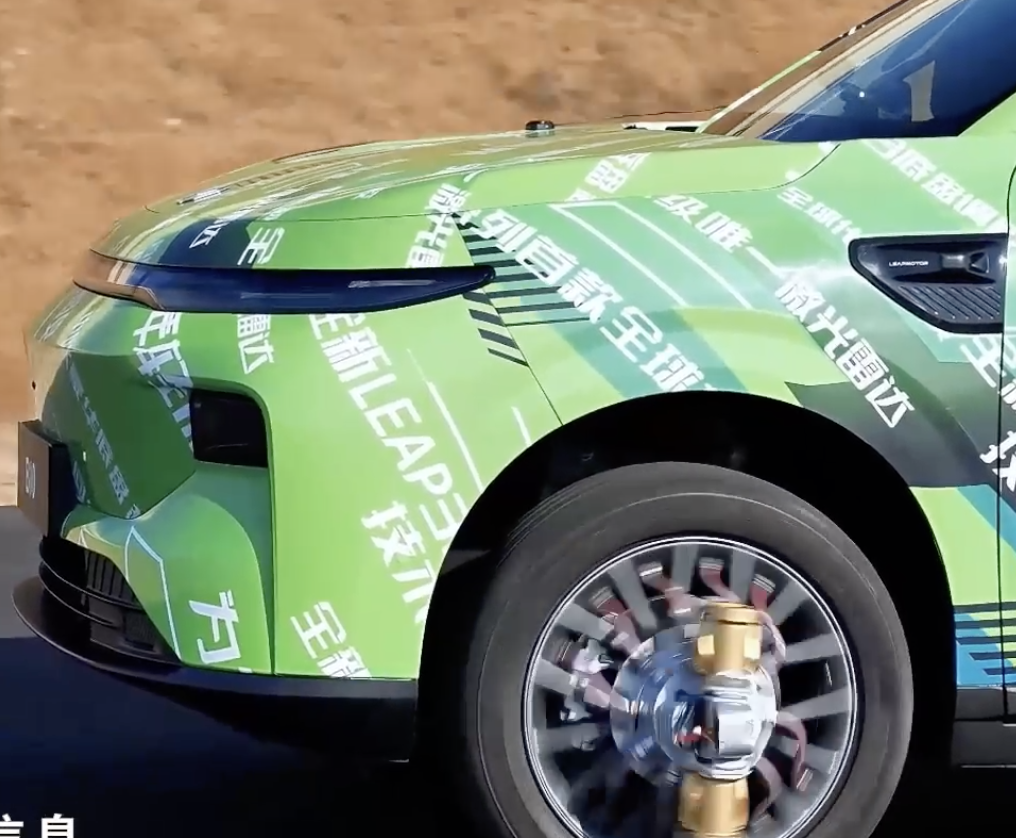
Leapmotor’s tire blowout technology can intervene in half a second, adjusting braking and steering to help drivers maintain control at highway speeds.
You’re traveling down an interstate at 70 mph when a tire suddenly explodes. The steering wheel pulls, the vehicle begins drifting sideways, and you’ve got remarkably little time to work out what’s happening. Now imagine your car has already started helping you correct the problem.
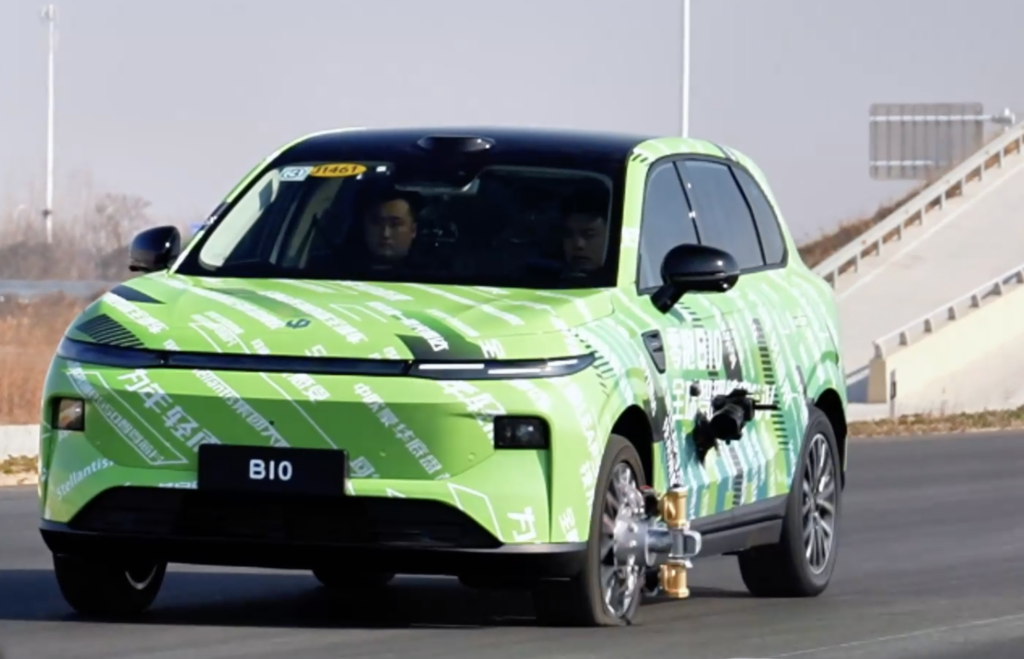
That’s the thinking behind a safety technology detailed by Chinese automaker Leapmotor on November 26. Called Tyre Blowout Stability Control, the system is designed to recognize sudden tire failure and intervene in as little as half a second after detection.
While much of the automotive industry seems preoccupied with developing enormous touchscreens, artificial intelligence assistants and cars that can drive themselves, here’s a piece of engineering that addresses a genuinely frightening situation.
And you don’t need to be particularly interested in electric vehicles to appreciate its potential.
You may also like this Video:
How Leapmotor’s Tire Blowout Technology Works
A sudden tire failure creates an imbalance in the forces acting on a vehicle. One corner can experience considerably more resistance and less usable grip than the others, potentially causing the vehicle to rotate or deviate from its intended direction.
Leapmotor’s system monitors inflation pressure and wheel rotation. It also evaluates the vehicle’s movement, speed and steering position to determine whether corrective action is needed.
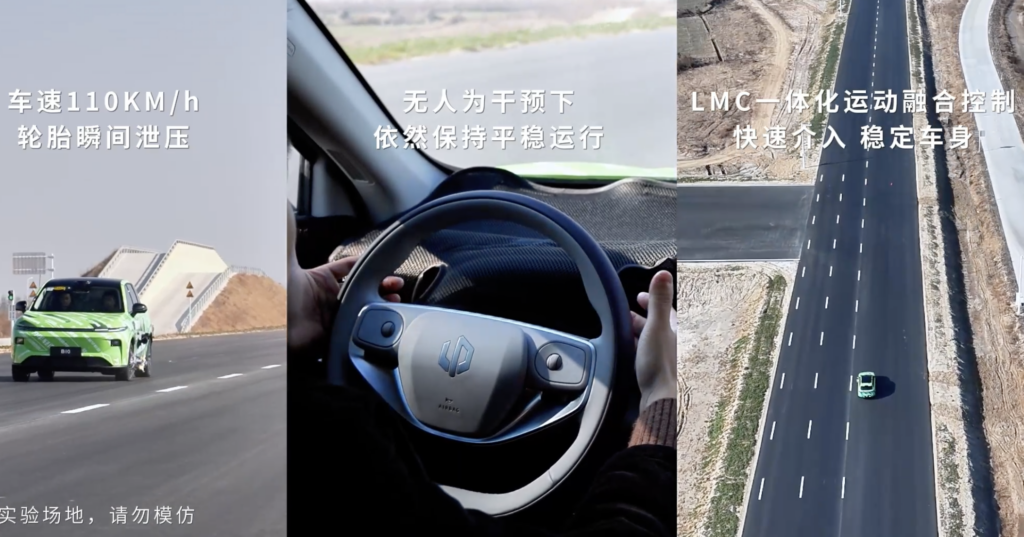
According to the manufacturer’s announcement, the technology can adjust braking at individual wheels and apply corrective steering assistance within 500 milliseconds of detecting a blowout.
That response time is particularly interesting because the driver may still be processing the noise, vibration and unexpected movement of the vehicle when the electronics begin responding.
You may also enjoy: Pirelli Cyber Tyre: the tyre tech redefining connectivity
America’s existing electronic stability control requirements already recognize the value of computer-controlled braking when a vehicle begins losing stability. Leapmotor’s approach builds on established vehicle-control principles by specifically addressing the unusual dynamics associated with sudden tire failure.
Half a Second Matters at Highway Speeds
At 70 mph, a vehicle travels approximately 51 feet in half a second. That’s a considerable distance when you’re unexpectedly struggling to keep several thousand pounds of machinery within a highway lane.
Leapmotor identifies approximately 37 to 87 mph as the system’s optimal operating range. That encompasses most American highway speed limits. The manufacturer says assistance remains available outside that range, although its effectiveness under those circumstances has not been independently established here.
The company has engineered the technology for surfaces offering different levels of grip. That’s important because a tire failure on wet pavement presents different challenges from one occurring on a dry interstate.
You may also enjoy: Brake Check: America’s Hardest-Braking Cities
There are physical limitations, however. Electronics cannot magically restore traction to a destroyed tire. Nor does a rapid intervention guarantee that a vehicle will remain within its lane, avoid surrounding traffic or come to a safe stop under every possible circumstance.
As research into active braking technologies illustrates, the ability to initiate corrective action automatically is valuable, but evaluating the results under different conditions remains essential.
Could This Technology Come to Jeep, Dodge or Ram?
For American motorists, Leapmotor’s relationship with Stellantis makes this development particularly worth watching.
Stellantis, the automotive group behind Jeep, Dodge, Ram and Chrysler, established a strategic partnership with Leapmotor in 2023. Their international joint venture subsequently began expanding the Chinese manufacturer’s presence outside its domestic market.
That relationship provides an interesting potential avenue for engineering collaboration. There is, however, no announcement confirming that Leapmotor’s blowout-specific technology will appear on American-market Stellantis vehicles.
You may also enjoy: Stellantis AI Driving Technology Targets 2028 Launch
The broader opportunity extends well beyond electric cars. Owners of large SUVs, family vehicles and pickup trucks could potentially benefit from comparable safety systems, particularly when traveling at highway speeds.
Manufacturers would need to validate the technology separately for vehicles with different weights, suspension configurations, steering systems and load capacities. A pickup towing a trailer, for example, presents different engineering challenges from an unladen passenger car.
The Technology Is Promising, but Where Is the Independent Evidence?
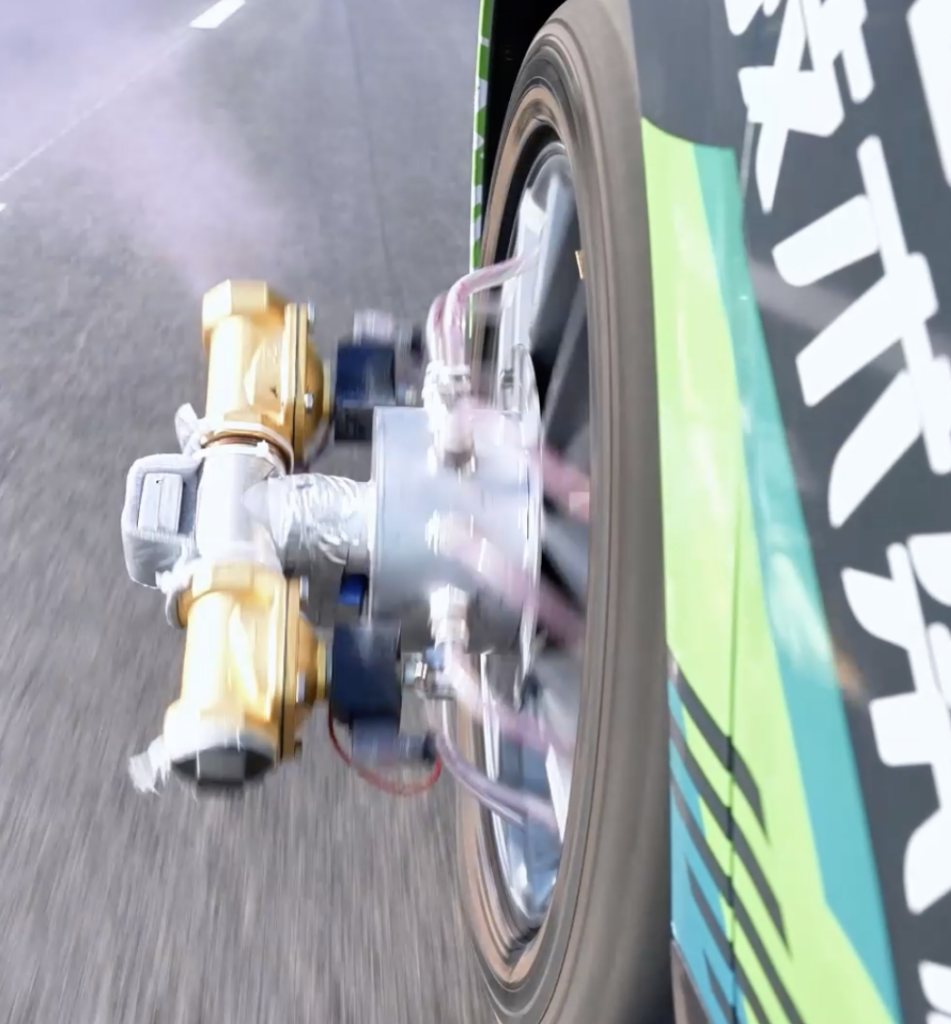
Leapmotor previously discussed blowout stability technology during its 2025 Shanghai Auto Show presentation. Today’s announcement provides additional detail about how the system works and the circumstances it is designed to address.
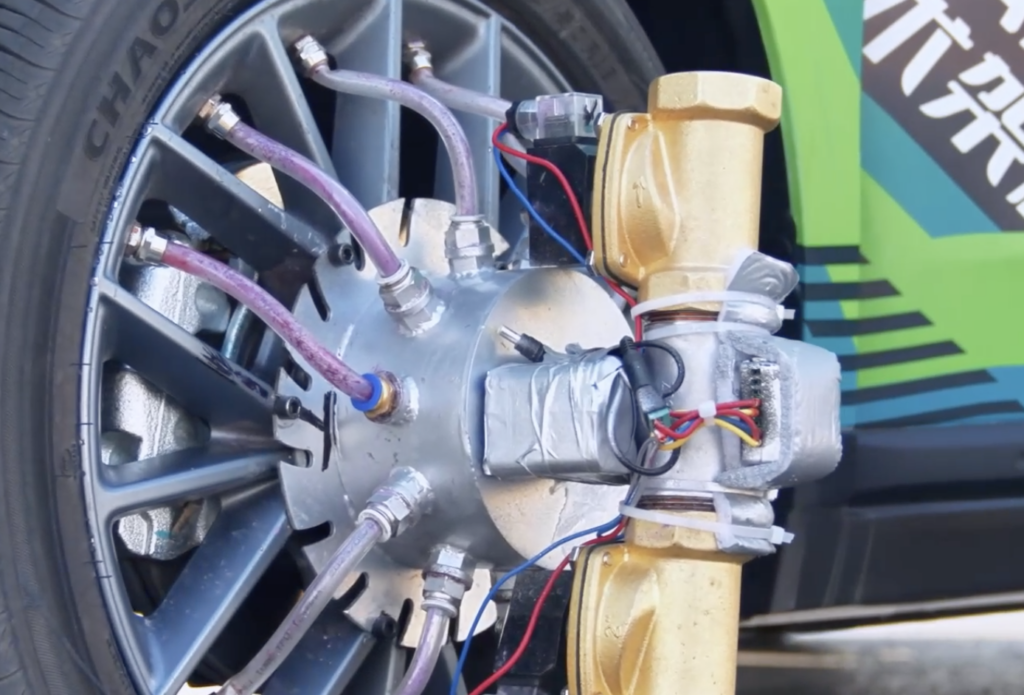
What remains missing is independent performance evidence showing how consistently the technology helps drivers recover from different types of tire failure.
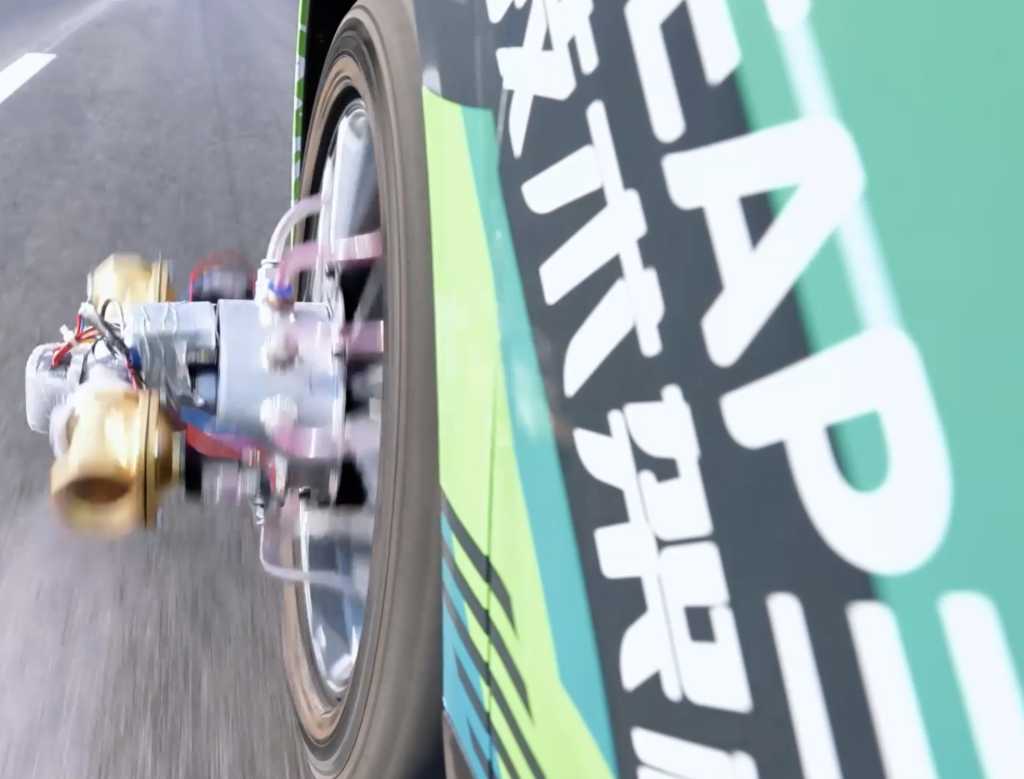
I’d particularly like to see comparative testing involving front and rear tire failures, different vehicle loads, curved roads and slippery surfaces. Measurements of how far a vehicle deviates from its original path would tell us considerably more than a reaction-time figure alone.
You may also enjoy: Aston Martin Valen Delivers 838 HP With No Hybrid Help
Consumers should also distinguish between emergency stability intervention and automated driving technology. This feature is intended to assist a driver during an emergency, not assume responsibility for operating the vehicle.
Until independent results become available, the manufacturer’s claims are encouraging rather than conclusive.
What Should You Do If a Tire Explodes?
Regardless of what technology your vehicle contains, knowing how to respond to a sudden tire failure remains important.
The National Highway Traffic Safety Administration’s tire safety guidance recommends avoiding abrupt braking and sudden accelerator movements during a blowout. Instead, maintain control of the steering wheel with both hands, gradually reduce speed once the vehicle is stable and find a safe location to pull off the road.
Prevention remains equally important. Check your tires regularly using the inflation pressures specified by the vehicle manufacturer. NHTSA’s summer driving guidance explains the importance of checking pressures when tires are cold.
Drivers should also remember that a drop in outside temperature can reduce inflation pressure, as explained in the agency’s winter driving recommendations.
You may also enjoy: 2027 Toyota Sienna: 37 MPG, More Power, Smarter Tech
The Safety Technology I’d Rather Never Need
When shopping for a vehicle, I’d encourage buyers to understand its driver assistance features and examine independent vehicle safety ratings rather than simply counting the number of electronic features listed on the window sticker.
Leapmotor’s engineering addresses an emergency that most drivers will hopefully never encounter. If independent testing establishes that the system consistently reduces loss of control, it deserves consideration for much wider adoption.
We spend an extraordinary amount of money developing cars that accelerate faster, entertain us better and make parking slightly less inconvenient. Giving those same cars a better chance of keeping us out of a ditch seems an entirely sensible use of computing power.