America’s Cheapest Manual Car Now Costs Over $30,000
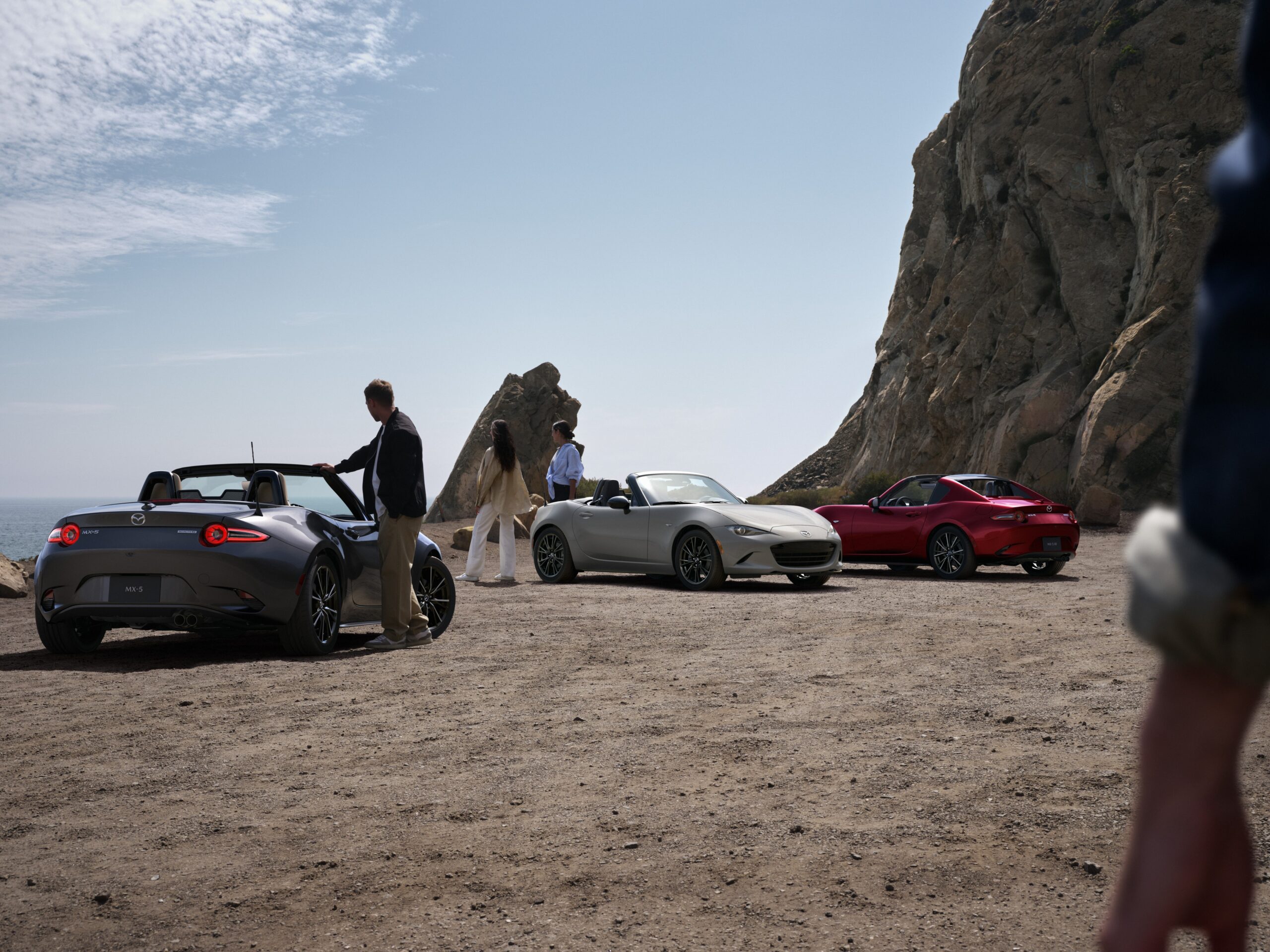
America’s cheapest manual car now starts at $30,730 as the Mazda MX-5 Miata replaces the Nissan Versa, ending an era of affordable stick shifts.
By Nik J. Miles
There was a time when choosing a manual transmission was one of the simplest ways to save money on a new car. You sacrificed a little convenience, learned how to operate a clutch and kept more money in your bank account. American car buyers are now discovering that the relationship between affordability and the humble stick shift has been turned rather spectacularly upside down.
With the Nissan Versa gone from the current-model new-car market, the cheapest manual car in America is now the 2026 Mazda MX-5 Miata Sport. According to Mazda’s updated official pricing, the roadster starts at $30,730. Add the mandatory $1,315 destination charge and the starting price reaches $32,045 before taxes, registration or dealer-installed accessories.
That is a remarkable amount of money for something that was once associated with entry-level transportation.
You may also like this video from 2016:
How America’s Cheapest Manual Car Became a Sports Car
When Nissan originally announced pricing for the 2025 Versa, its entry-level S model with a five-speed manual transmission started at $17,190. Nissan subsequently increased that figure to $17,390, according to its official Versa press kit. Either way, buyers could still purchase a remarkably inexpensive new sedan with a clutch pedal and a conventional gearshift.
Compare the original $17,190 Versa price with today’s $30,730 Miata and the difference is $13,540, or nearly 79 percent. That is a comparison between two entirely different vehicles, rather than a price increase on the same model, but it illustrates what has happened to the entry point for manual-car ownership.
You may also enjoy: Used cars under $20,000 are disappearing fast
The Versa offered four doors, a rear seat and a useful trunk. The Miata offers two seats, a folding roof and considerably more entertainment. Both have their merits, but the Mazda cannot realistically replace the Nissan for a family that needs inexpensive everyday transportation.
What You Actually Get for $30,730
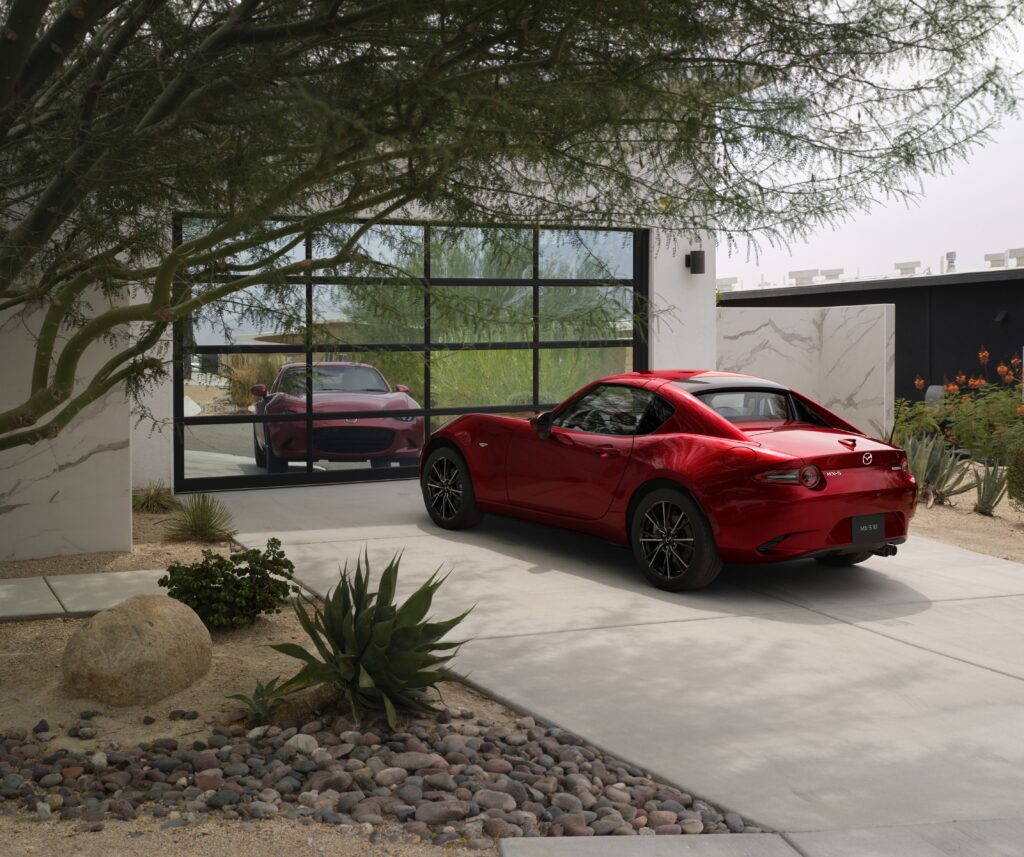
The good news is that the cheapest manual car is also one of the most deliberately focused sports cars still available. The 2026 MX-5 Miata Sport uses a naturally aspirated 2.0-liter four-cylinder gasoline engine producing 181 horsepower and 151 pound-feet of torque, paired with a six-speed manual transmission and rear-wheel drive.
Its relatively modest engine output makes considerably more sense when you consider the car’s lightweight construction. Reducing vehicle weight helps improve acceleration and responsiveness without requiring enormous amounts of horsepower. Weight also influences fuel consumption, particularly when accelerating repeatedly in everyday traffic.
Watch: Nik Miles Mazda MX5 Miata RF Fox 12 — an archival Test Miles video exploring the Miata’s retractable-hardtop sibling.
For drivers who primarily want an entertaining weekend car, the entry-level Sport makes a convincing argument. There is little reason to spend thousands more on performance equipment unless you intend to use it. Buyers should, however, establish whether the Mazda’s limited passenger accommodation and luggage capacity will work with their daily lives.
You may also enjoy: 2026 Subaru WRX review: Start With the Premium
Why Manual Transmissions Are Disappearing
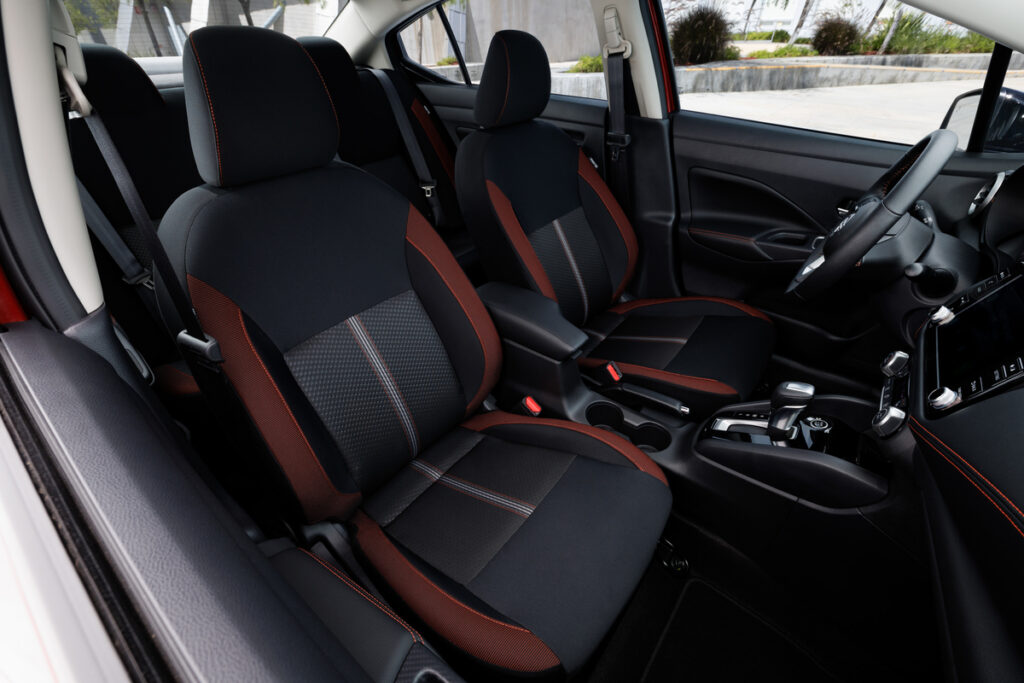
Historically, manual gearboxes were cheaper to manufacture and frequently delivered better gasoline mileage than their automatic counterparts. Technology has changed that equation. The federal government’s explanation of fuel economy misconceptions notes that modern automatic transmissions can match or exceed the efficiency of comparable manual versions.
Additional transmission ratios allow engines to operate closer to their most efficient speeds. A continuously variable transmission, or CVT, can adjust its effective ratio across a broad range rather than being restricted to a handful of fixed gears. Other automatic designs use sophisticated electronic controls to reduce drivetrain energy losses.
For manufacturers, offering fewer powertrain combinations can also simplify production, inventory management and engineering requirements. When demand for an inexpensive manual version becomes sufficiently small, maintaining it becomes increasingly difficult to justify commercially.
You may also enjoy: 2026 Chevrolet Corvette Review: Which One Should You Buy?
Even the Corvette, a car traditionally associated with American performance enthusiasts, now uses an automatic dual-clutch transmission throughout its lineup. Drivers can select gears using steering-wheel paddles, but that provides a different experience from physically operating a clutch and moving a gear lever.
Which Affordable Manual Cars Are Still Available?
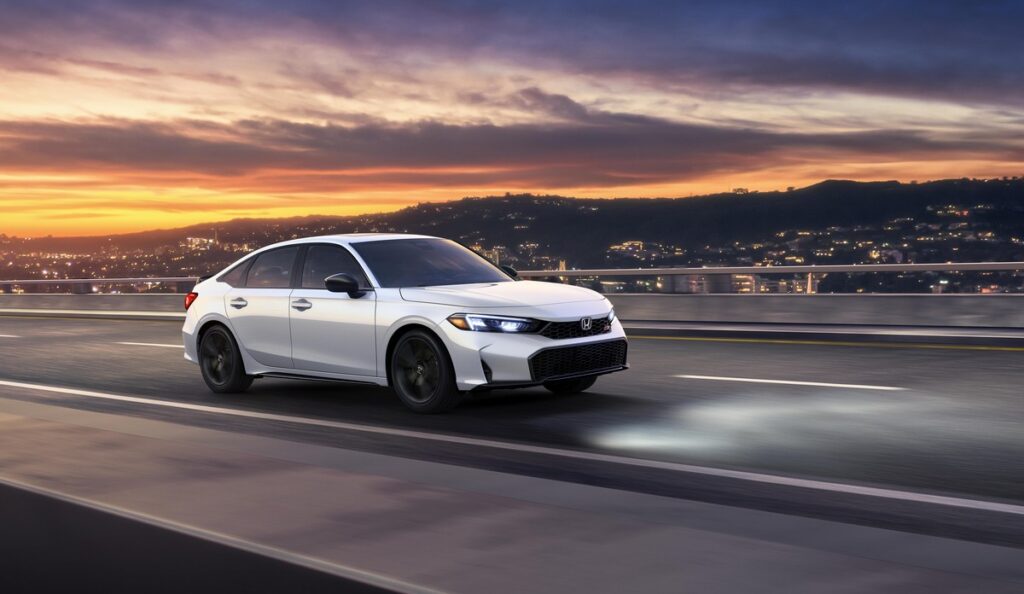
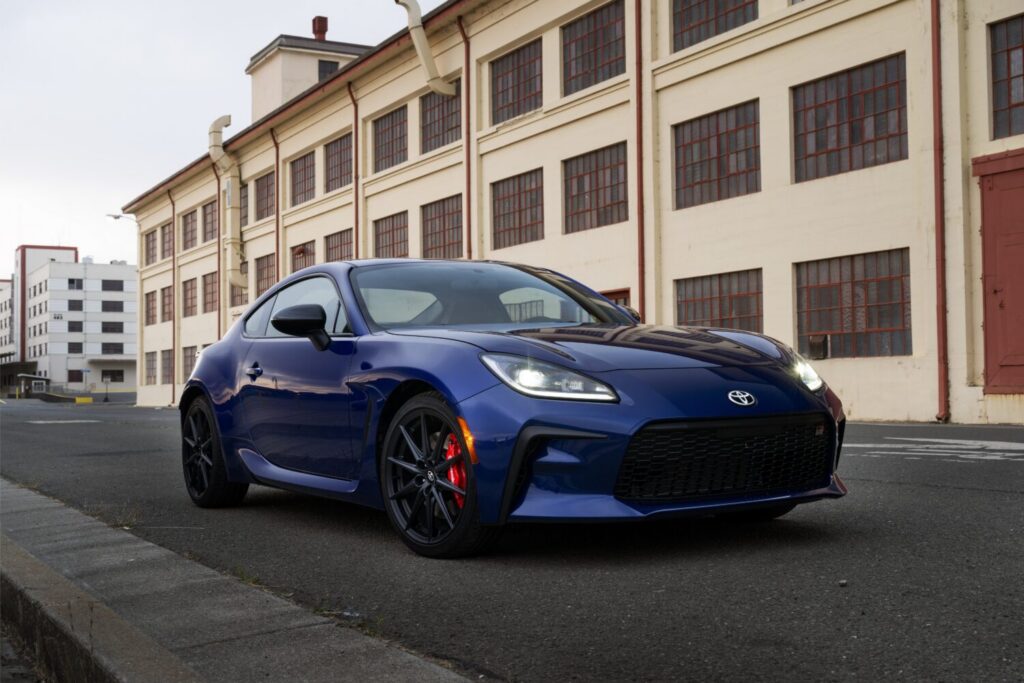
Buyers who need more practicality than the Mazda provides still have alternatives. The Toyota GR86 offers a conventional six-speed manual and small rear seats, while the Subaru WRX combines its available manual gearbox with four doors, a turbocharged engine and all-wheel drive. The Mazda3 hatchback also retains a manual option in selected configurations.
The difficulty is that these vehicles increasingly occupy the enthusiast end of the market. Even where an ordinary compact car retains a manual transmission, manufacturers may restrict it to a more expensive equipment package or performance model.
You may also enjoy: 2026 Ford Mustang Review: EcoBoost or GT?
Before committing to a manual car, compare actual dealer quotations, insurance costs and fuel expenses. Remember that driving habits influence everyday efficiency regardless of which transmission you choose. An inexpensive purchase price does not automatically translate into inexpensive ownership.
Should You Buy a Manual Car Now?
If your main reason for wanting a manual transmission is saving money, the new-car market is no longer particularly accommodating. A conventional automatic economy car may offer considerably better value, especially for buyers who need passenger space, low running costs and straightforward daily transportation.
You may also enjoy: 2027 Honda Civic Review: Which Trim Is Worth Your Money?
Shoppers determined to spend less than $30,000 should consider the used-car market. Have a qualified mechanic inspect the clutch, gearbox and associated components before purchasing. A manual car that appears inexpensive can become considerably less attractive if it immediately requires a clutch replacement.
For enthusiasts who genuinely value the involvement of changing their own gears, the Miata remains an appealing starting point. Its existence demonstrates that manufacturers can still find customers for relatively simple, lightweight sports cars.
The Bottom Line: Three Pedals Have Become a Premium
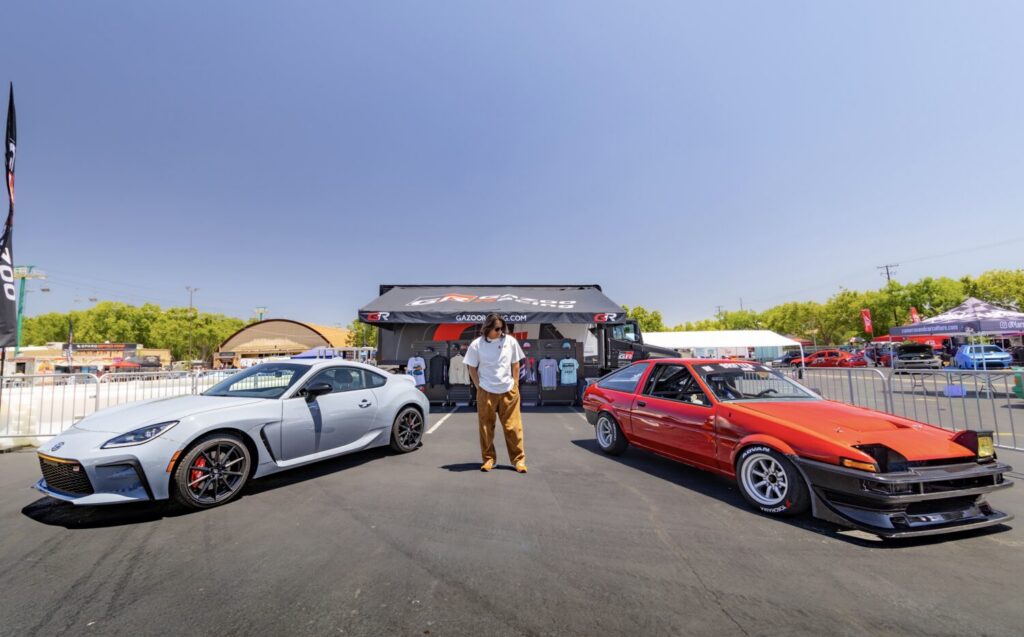
The disappearance of the affordable manual car reveals something important about the American automotive market. A transmission once chosen primarily to save money is increasingly purchased because drivers enjoy using it.
There may still be discounted or unsold older-model manual cars available for less than $30,000, but the published starting price of America’s cheapest current-model manual car tells a different story.
The industry has effectively transformed the stick shift from an economy-car feature into an enthusiast purchase. We are now paying considerably more for the privilege of doing the gear changes ourselves.
Whether an automaker could successfully sell a dependable $20,000 manual sedan again remains an open commercial question. Enthusiasts frequently ask manufacturers to build one. The more revealing question is how many would actually walk into a dealership and buy it.