Used cars under $20,000 are disappearing fast
Used cars under $20,000 now make up just 11.4% of the three-year-old market, forcing buyers toward older vehicles and tougher choices.
A $20,000 budget once placed a shopper in the middle of the late-model used-car market. Today, it points toward a narrower row of older, higher-mileage vehicles. The affordable used car has not vanished, but its definition has changed sharply.
A new iSeeCars study analyzed more than 11.4 million used vehicles sold in 2019 and 2026. It found that the average price of a three-year-old vehicle rose from $23,624 to $32,651, an increase of $9,027, or 38.2%. More strikingly, the share priced below $20,000 fell from 49.4% to 11.4%.
You may also enjoy: America’s Car Affordability Crisis Is Getting Worse
You may also enjoy this video:
That is the difference between nearly half the market and roughly one vehicle in nine. Buyers can still find transportation at the old price, but the compromises are larger. Age, mileage, size, condition and financing must be considered together.
Used cars under $20,000 now mean older cars
In 2019, a four-year-old vehicle was old enough for a majority of the market to fall below $20,000. In 2026, buyers must shop among seven-year-old vehicles before a majority, 53%, clears that threshold. At five years old, only 26.6% of vehicles now cost less than $20,000, compared with 69.2% in 2019.
That three-year shift matters because age is more than a number in an advertisement. It can mean less warranty, worn tires and brakes, aging batteries and delayed maintenance. The lower price is real, but so is the need for a repair reserve.
You may also enjoy: 1 Million New Car Buyers Just Vanished
One caveat: the study compares nominal dollars and does not adjust for inflation. The Bureau of Labor Statistics inflation calculator explains how the Consumer Price Index compares purchasing power across years. Even so, the collapse in the share of late-model vehicles below $20,000 shows how sharply selection has narrowed.
The affordable favorites took the hardest hit
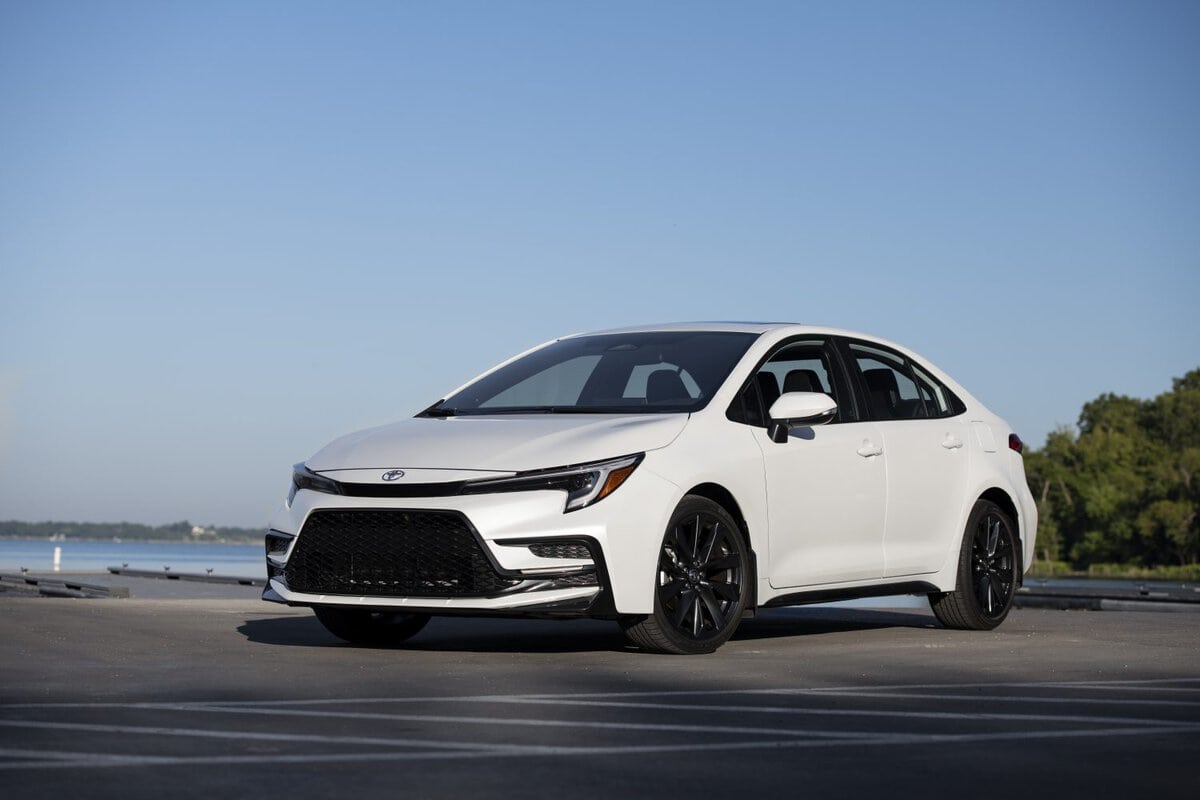
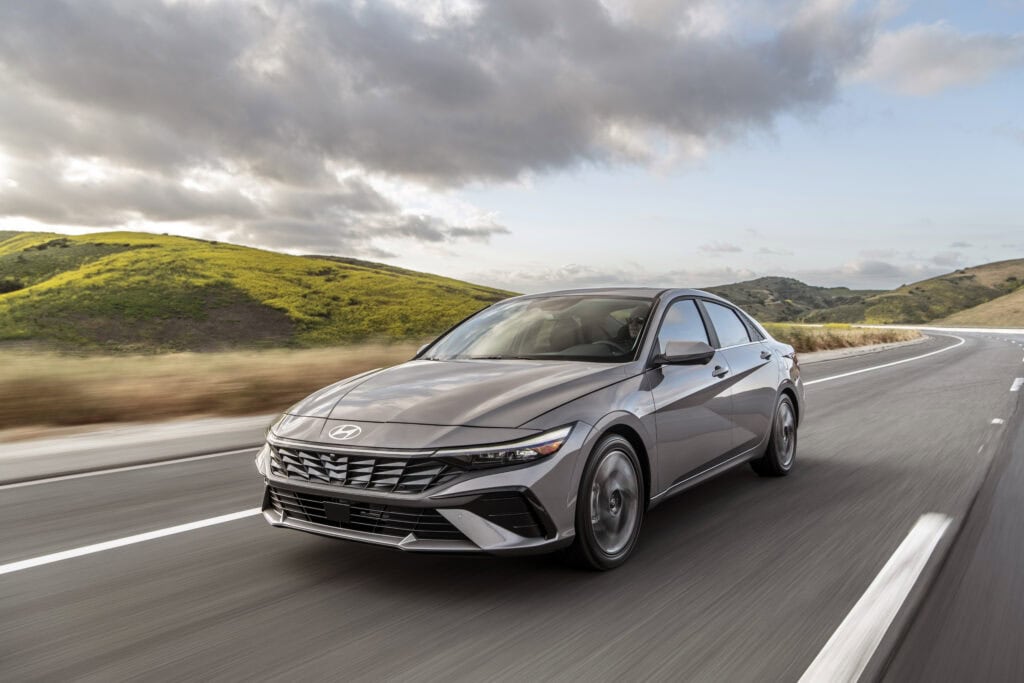
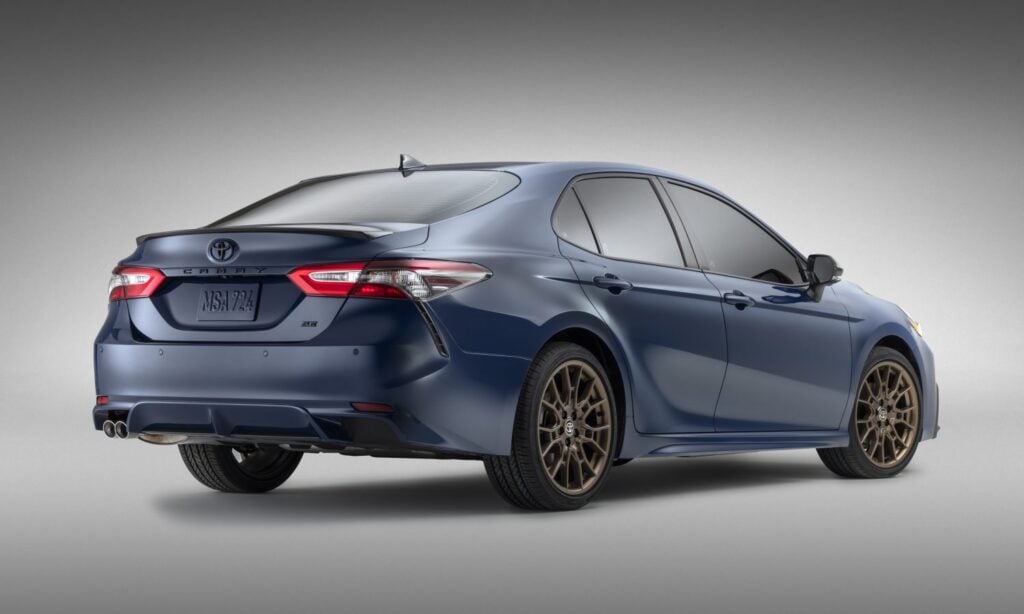
The largest increases among popular models landed on vehicles that buyers traditionally choose for value. A three-year-old Hyundai Elantra averaged $19,178 in 2026, up 56% from 2019. The Kia Sportage rose 50.5% to $24,543, the Toyota Camry climbed 49.9% to $24,829 and the Honda Civic increased 44.7% to $23,771.
Those are not obscure collector cars distorted by a handful of unusual sales. They are ordinary sedans and crossovers that carry commuters, students and families. Their popularity, durability and relatively manageable running costs can support resale values, but strong resale value feels less charming when you are the second owner writing the check.
You may also enjoy: The $20,000 Car Is Dead in 2026: Cheap Options That Deliver
The Toyota Corolla came closest to preserving the old boundary, averaging $19,971 after a 39.7% increase. Even that figure leaves almost no room below a strict $20,000 ceiling for taxes, registration, dealer fees or immediate maintenance. The Consumer Financial Protection Bureau’s auto-loan guide explains why shoppers should compare rates and terms instead of focusing only on a monthly payment.
A few price outliers tell a different story
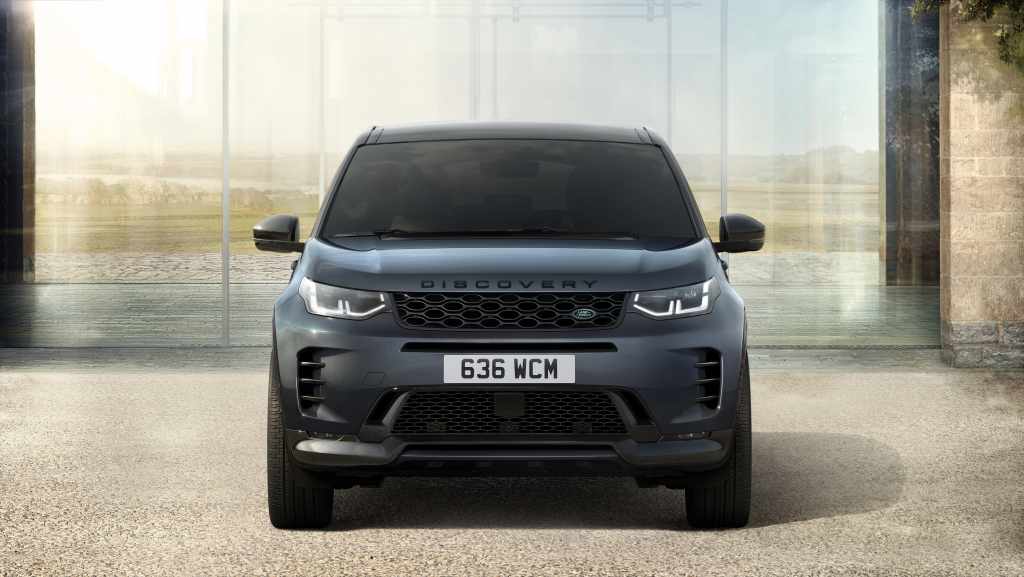
Not every three-year-old vehicle became dramatically more expensive. The Tesla Model X averaged $62,689, down 17% from its 2019 comparison, while the Land Rover Discovery Sport slipped 2.4% to $28,118. The Mazda CX-9, Tesla Model S, Range Rover Evoque, Volvo XC90, Nissan Murano, Buick Envision, Chevrolet Malibu and Ford Edge all increased by less than 10%.
Those numbers do not automatically identify bargains. A Model X can fall sharply and remain far outside a $20,000 budget, while an older luxury SUV may bring expensive tires, insurance, electronics and repairs. Slow price growth can create opportunity, but it can also signal weaker demand, heavy depreciation or ownership costs that make shoppers cautious.
You may also enjoy: 5 AI Car-Buying Apps Built to Help You Buy Smarter
At the opposite end, the Porsche Cayenne rose 75.7%, the largest increase in the study, and the Porsche 911 climbed 74%. That may fascinate enthusiasts, but it does little for a household trying to replace a tired commuter. The more useful lesson is that model-specific depreciation and official EPA fuel-economy estimates now matter as much as the market average.
How to shop this more expensive used-car market
Start with an out-the-door ceiling, not an advertised-price ceiling. If $20,000 is the maximum available, the target vehicle may need to cost several thousand dollars less after accounting for taxes, fees, inspection, registration and overdue service. The Federal Trade Commission’s used-car guide recommends getting the out-the-door price in writing and reviewing the dealer’s Buyers Guide.
Widen the search across several models and years, then compare the jobs each vehicle must perform. Check fuel economy, insurance quotes, tire prices and major maintenance intervals before choosing the cheapest listing. A slightly more expensive car with documented care can be less costly than a bargain carrying four worn tires and a dashboard full of ambition.
You may also enjoy: Buying a Car? 10 Things You Must Do Before You Sign
Every serious candidate deserves a vehicle-history report, an NMVTIS title and brand-history check, an open-recall search through NHTSA and an independent pre-purchase inspection. The inspection is especially important because a history report may reveal accidents or title brands but cannot diagnose a weak transmission, cooling-system leak or neglected suspension. If a seller refuses an independent inspection, the next car is likely the better car.
Finally, arrange financing before visiting the dealership and compare annual percentage rate, term and total interest rather than payment alone. The market has moved the goalposts, but it has not removed the buyer’s leverage. Patience, a wider shortlist and a willingness to walk away are now worth real money.