Tesla Cybercab Hits Dallas: No Wheel, Now With Starlink
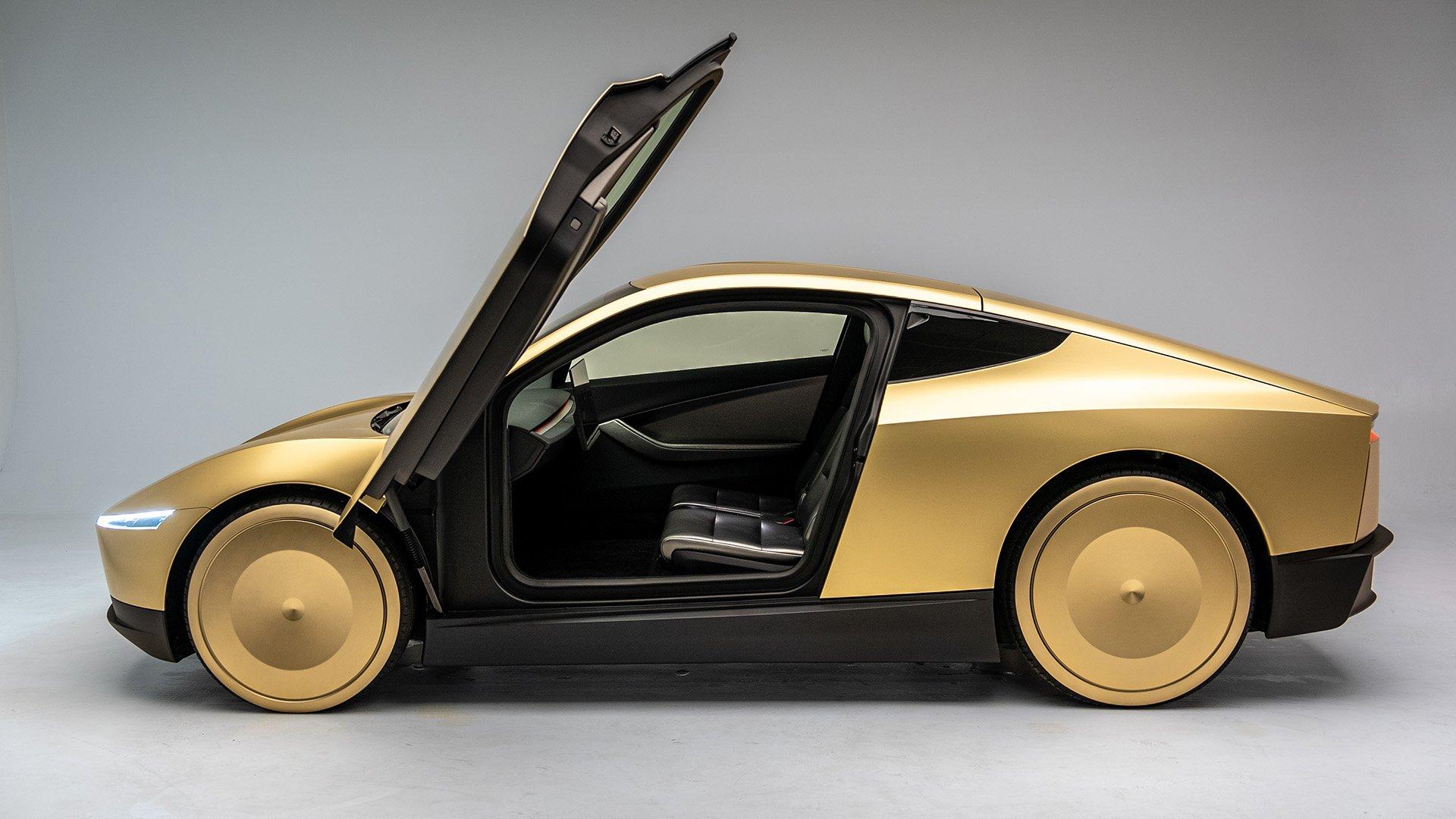
Tesla Cybercab Dallas rides began November 19, bringing driverless taxis without steering wheels and new Starlink satellite connectivity to Texas.
By Nik J. Miles | November 21, 2026
There was a time when buying a car without a steering wheel would have resulted in a fairly uncomfortable conversation with the dealership. In Dallas, Texas, you can now summon one from your smartphone. And, just in case the whole experience wasn’t sufficiently futuristic, Tesla has started fitting the vehicles with satellite internet technology.
Tesla launched public Cybercab rides in Dallas on November 19, making it the second American city after Austin to receive the company’s purpose-built autonomous two-seater. Unlike Tesla’s Model Y robotaxis, the Cybercab was designed without conventional human driving controls.
Meanwhile, Tesla’s updated technical documentation confirms that Cybercabs manufactured beginning in November 2026 incorporate Starlink satellite connectivity. Apparently, the car of the future needs a better internet connection rather than somewhere to rest your hands.
Tesla Cybercab Dallas: What Passengers Need to Know
The Dallas expansion represents an important step beyond Tesla’s initial Cybercab operation in Austin. According to the official Tesla Cybercab support page, passengers can now request rides in designated areas of both Texas cities.
| Tesla Cybercab Dallas | Details |
|---|---|
| Dallas launch date | November 19, 2026 |
| Vehicle | Tesla Cybercab |
| Powertrain | Battery-electric |
| Passenger capacity | Two |
| Steering wheel | None |
| Accelerator and brake pedals | None |
| Driving automation | SAE Level 4 within operating conditions |
| Satellite connectivity | Starlink on vehicles manufactured from November 2026 |
| Booking method | Tesla Robotaxi app |
| Current Cybercab cities | Austin and Dallas, Texas |
| Ride pricing | Check the app for current fare information |
Passengers should check the service boundaries before booking. The announcement does not mean that Cybercab can collect anyone from any address in the Dallas-Fort Worth metropolitan area.
You may also enjoy: Tesla Robotaxi Goes 24/7: What Riders Need to Know
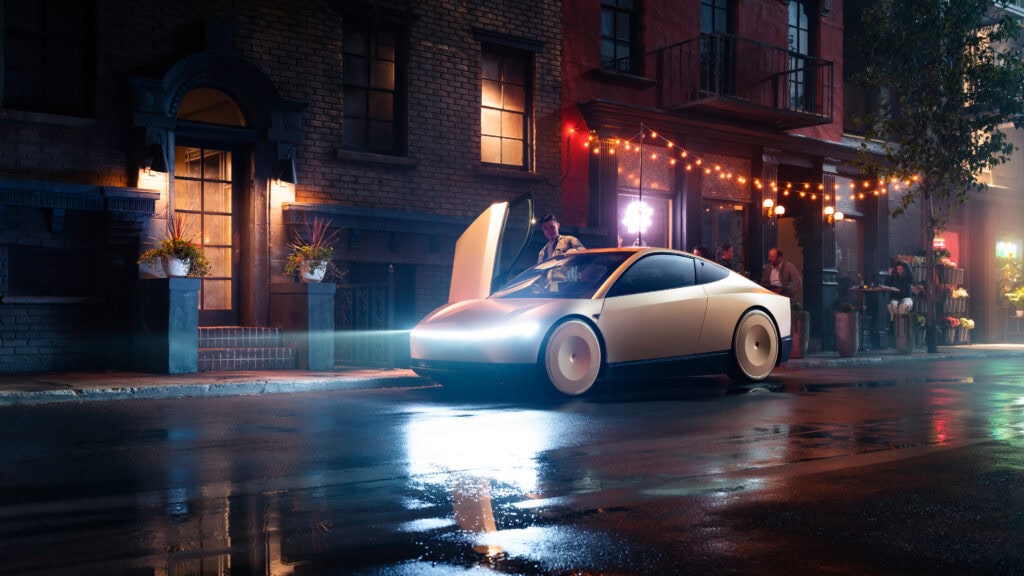
Why Tesla Is Putting Starlink Inside Cybercab
The most interesting development may be hiding in the trunk lid. Tesla’s updated first responder documentation confirms that Cybercabs manufactured from November 2026 feature integrated Starlink hardware intended to improve connectivity.
Starlink uses a network of satellites to provide internet access, potentially offering an additional communications option where terrestrial cellular coverage is unreliable.
For an autonomous transportation business, connectivity can support passenger assistance, fleet monitoring, operational updates and communication with vehicles.
However, a satellite connection should not be confused with the technology responsible for making immediate driving decisions. Tesla has not established that Starlink independently improves Cybercab’s driving safety, nor has it guaranteed uninterrupted passenger internet access.
There is also a new interior-facing trunk camera on Cybercabs manufactured beginning in November. The hardware introduces another practical consideration for passengers: understanding what information the vehicle records and how that information is used.
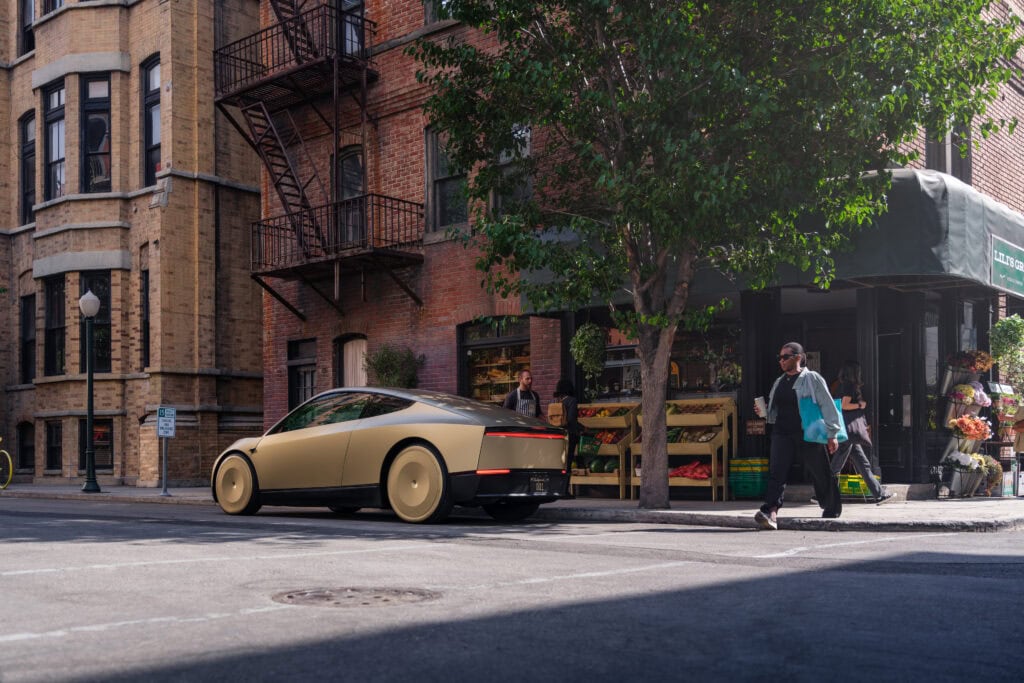
What Happens When Nobody Can Take the Wheel?
The Cybercab operates differently from Tesla’s consumer vehicles equipped with Full Self-Driving (Supervised). Conventional driver assistance technologies require an attentive human driver. Cybercab’s operating model removes that responsibility from its occupants.
Tesla identifies Cybercab’s automated driving system as SAE Level 4. Under defined operating conditions, the system can undertake the driving task without human intervention. As the National Highway Traffic Safety Administration explains, this differs from unrestricted Level 5 automation, which would operate under all conditions manageable by a human driver.
That distinction matters enormously. If the vehicle encounters circumstances outside its capabilities, passengers cannot simply reach across, grab the steering wheel and resolve the situation themselves.
Before their first journey, riders should familiarize themselves with the passenger support and emergency procedures described in Tesla’s Cybercab Rider Guide.
You may also enjoy: Tesla Cybercab: Would You Buy a Car You Can’t Drive?
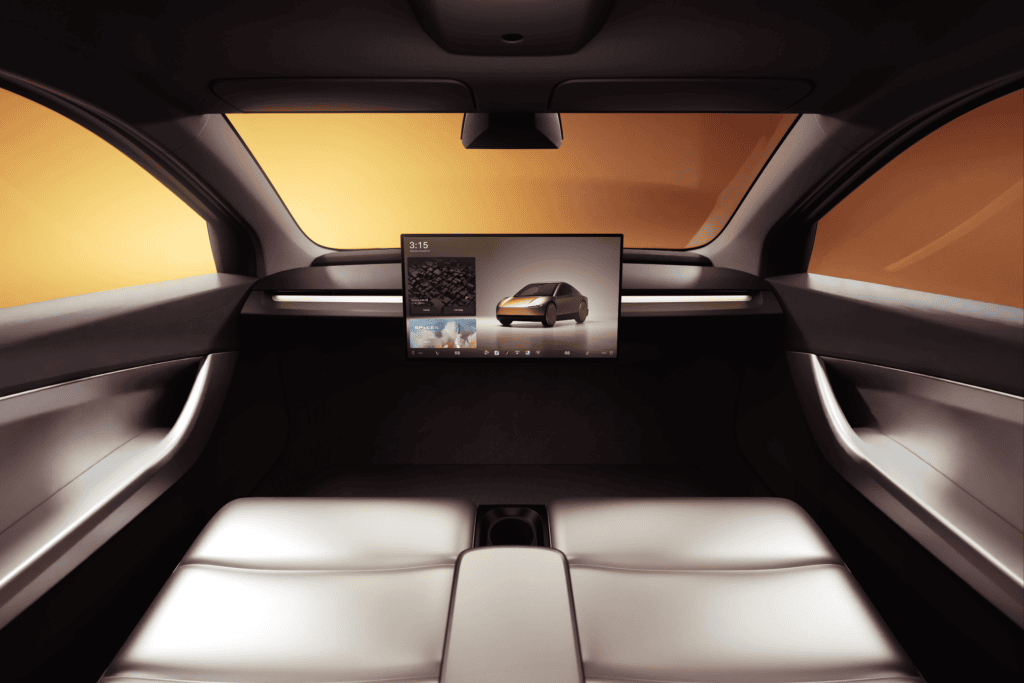
Inside the Tesla Cybercab
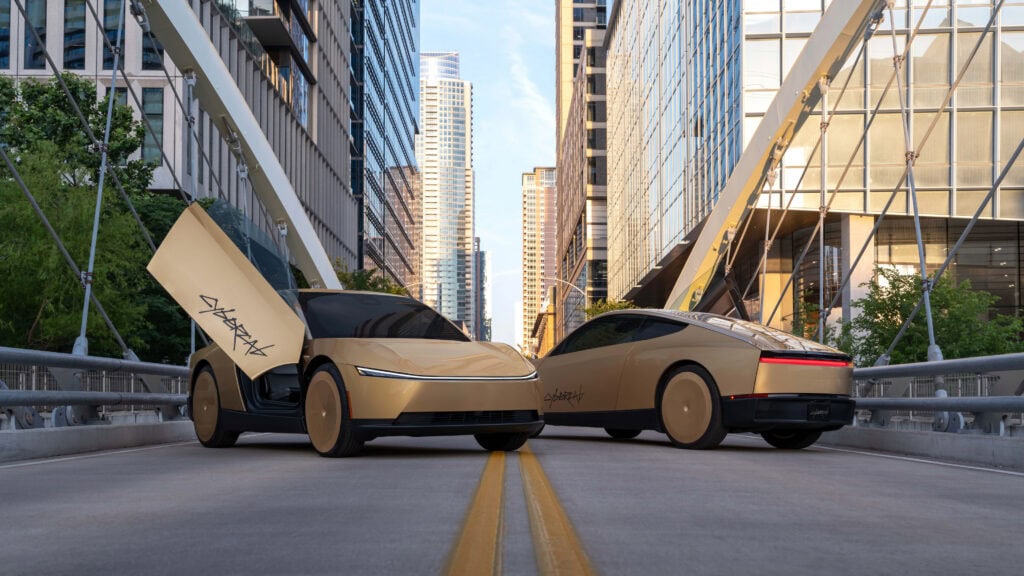
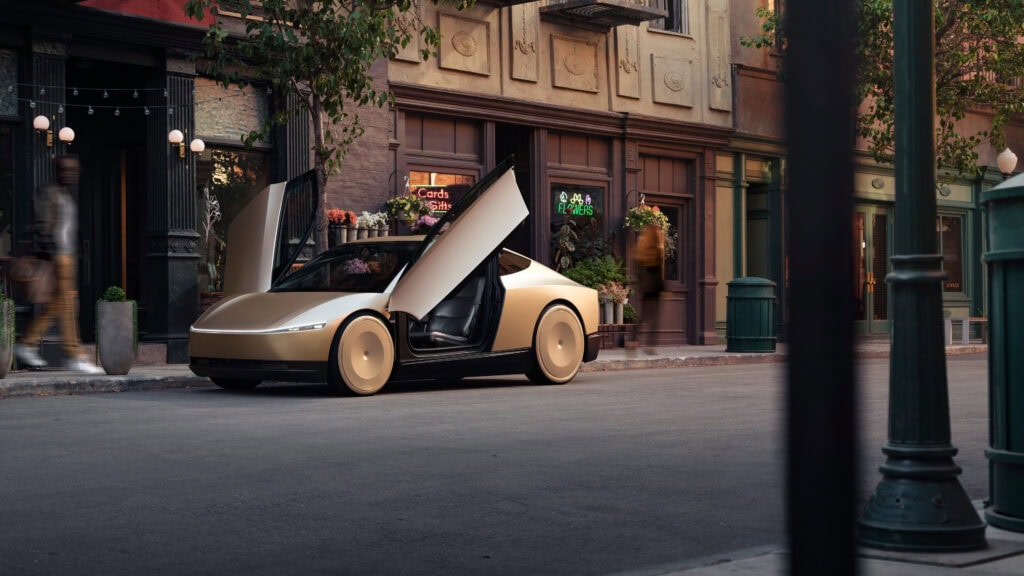
Cybercab is a dedicated two-seat battery-electric vehicle with upward-opening butterfly doors, a large central touchscreen and a passenger-focused interior.
Tesla says the luggage compartment accommodates two standard checked suitcases and two carry-on bags. Passengers can adjust climate settings, seating and entertainment through the vehicle’s interface or Robotaxi app.
That makes it potentially useful for individual commuters and couples, although two seats immediately eliminate a considerable number of family journeys.
As somebody who owns several dogs, I can already see a slight logistical problem with using one for the entire household. Tesla may have eliminated the driver, but it hasn’t invented additional seating.
You may also enjoy: Tesla Cybercab: Uber and Lyft May Need a New Ride
Is the Tesla Cybercab Safe?
American regulators are examining Tesla’s approach to certifying a vehicle without traditional driving controls.
On September 4, 2026, NHTSA announced a formal Cybercab certification investigation following its commercial deployment in Austin. The agency is examining Tesla’s compliance with applicable Federal Motor Vehicle Safety Standards.
The investigation itself does not establish that Cybercab is unsafe or that Tesla has violated a regulation. Equally, expanding into another city does not establish that all regulatory questions have been resolved.
Federal automated vehicle crash-reporting requirements provide another mechanism for monitoring real-world incidents. Meaningful comparisons between companies require consideration of exposure, operating conditions, mileage and crash severity rather than simply counting incidents.
You may also enjoy: Tesla Robotaxi School Zone Speeding: Can AI Be Trusted?
How Dallas Could Change the Robotaxi Business
Tesla is pursuing a particularly ambitious business model. It manufactures the vehicle, develops its driving software and controls the ride-hailing platform. Adding satellite communications hardware creates another connection within Elon Musk’s wider technology businesses.
Competitors including Waymo have also demonstrated the commercial potential of driverless transportation. The next challenge for the industry is making these services sufficiently dependable, affordable and geographically widespread to become useful everyday transportation.
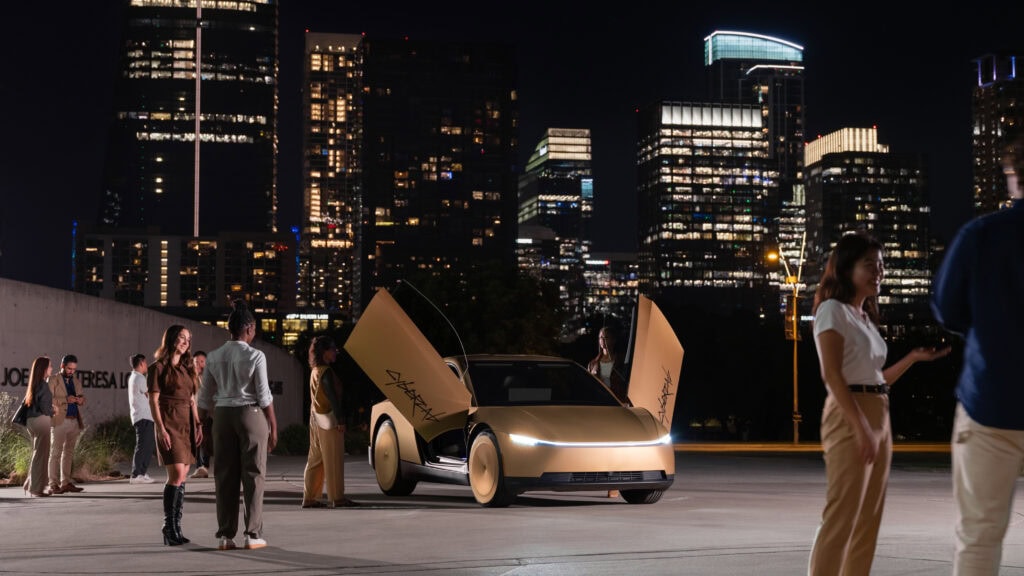
Dallas gives Tesla another urban environment in which to demonstrate its capabilities. It also offers prospective Cybercab owners an opportunity to experience the vehicle before considering a purchase.
You may also enjoy: Tesla Cybercab Orders Open at $29,990—With a Monthly Catch
The Test Miles Verdict
The arrival of Tesla Cybercab in Dallas is significant because the company is expanding a dedicated driverless vehicle beyond its original market. The addition of Starlink makes its communications technology even more interesting, although reliable connectivity and reliable driving remain separate engineering challenges.
For Dallas residents, my recommendation is to approach Cybercab as a new transportation option. Check the fare, operating boundary, passenger capacity and emergency procedures before relying on it for an important journey.
Ultimately, the novelty of a car without a steering wheel will wear off. What will determine Cybercab’s commercial success is whether passengers can consistently reach their destinations safely, conveniently and at a competitive price.
Technology is wonderful. Getting home is rather important, too.