Ford EV Sales Collapse 71%: What Buyers Should Know
By Nik J. Miles | November 5, 2026
Ford EV sales fell an extraordinary 71.2% in October 2026, while Americans continued buying conventional pickup trucks and SUVs in substantial numbers. The company sold just 1,355 fully electric vehicles across the United States during the month. Meanwhile, its F-Series pickup family accounted for 73,482 sales. If you wanted a clearer illustration of the difference between the electric future automakers have been advertising and the vehicles Americans are purchasing, Ford has helpfully provided one.
The numbers are dramatic, but they require some explanation. Ford’s gasoline and diesel vehicle sales actually increased 3.6%, while its overall business declined less than 1%. The company is not suddenly losing its customers. It is discovering that those customers are increasingly selective about which technologies they want and how much they are prepared to pay for them.
For anyone considering a Ford Mustang Mach-E, an F-150 Lightning or even a traditional F-150, the October figures raise questions about pricing, product availability, resale value and Ford’s future electric vehicle plans.
You may also like this Ford Video:
Ford EV Sales 2026: What the Latest Figures Reveal
Ford Motor Company’s October 2026 U.S. sales report shows 174,123 vehicles sold, down 0.8% from the same month last year. Almost the entire business held relatively steady despite the substantial decline in electric vehicle deliveries.
| Vehicle category | October 2026 sales | Year-over-year change |
|---|---|---|
| Gasoline and diesel vehicles | 158,950 | +3.6% |
| Hybrid vehicles | 13,818 | -21.0% |
| Battery-electric vehicles | 1,355 | -71.2% |
| Ford Motor Company total | 174,123 | -0.8% |
These figures are useful because they separate Ford’s fully electric vehicles from its hybrids. The two technologies operate differently and do not appeal to precisely the same customers. The U.S. Department of Energy explains the differences between battery-electric, plug-in hybrid and conventional hybrid vehicles, including which require external charging.
The F-Series truck family remained Ford’s largest seller, while Explorer and Expedition deliveries increased sharply. The contrast is not simply between electric and gasoline power. It is also between established products with familiar ownership requirements and newer technologies that demand greater consideration from buyers.
You may also enjoy: 2026 Ford F-150 Review: Complete Vehicle Analysis
The F-150 Lightning Sold Exactly Zero Units in October
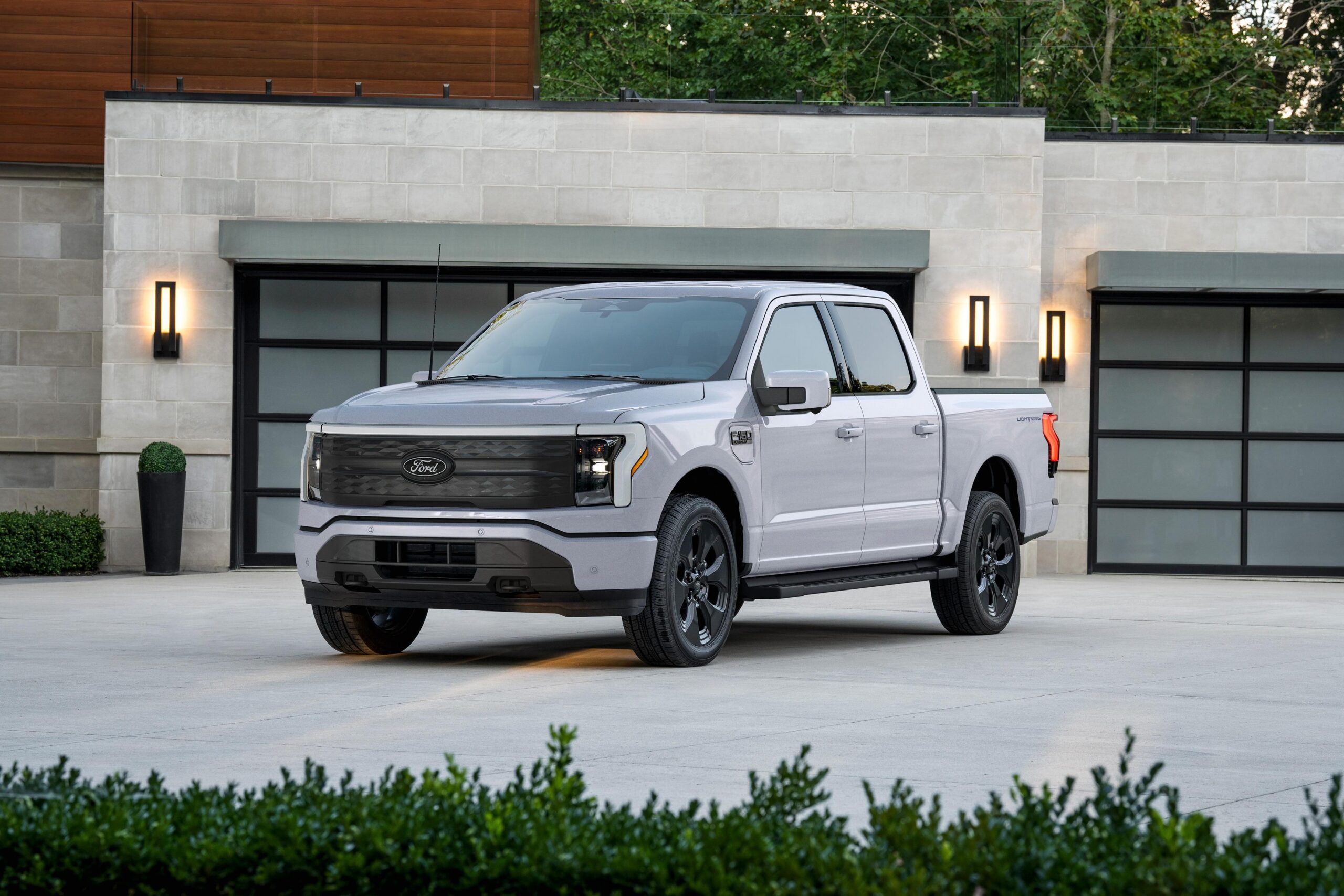
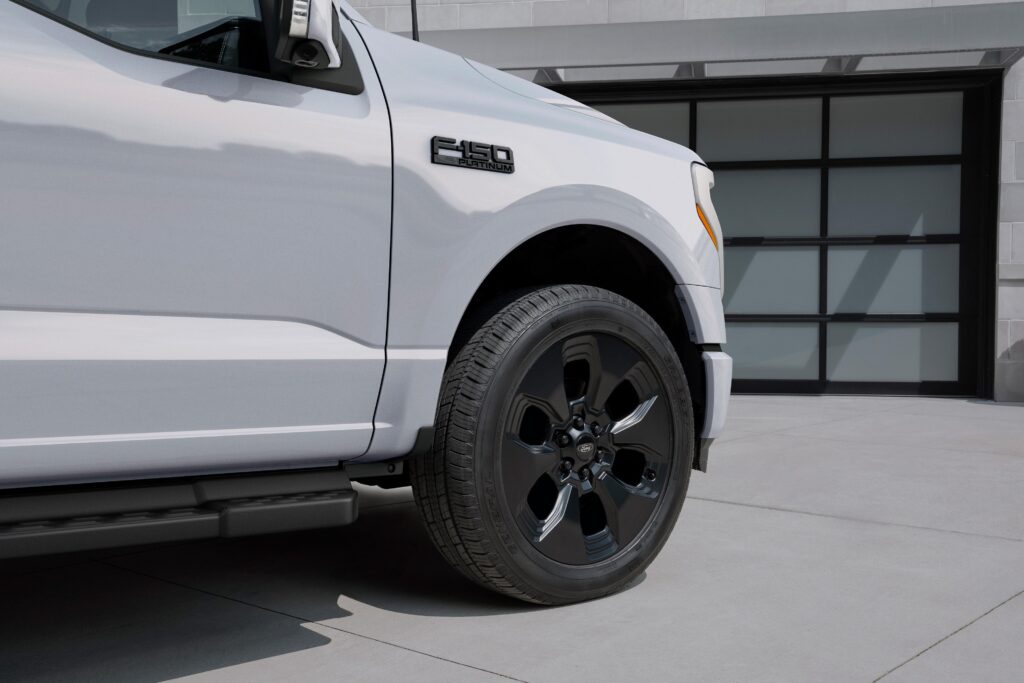
Ford reported no U.S. sales of the battery-electric F-150 Lightning during October. In October 2025, it sold 1,543. On the surface, that looks like a complete collapse in demand for one of America’s most recognizable electric pickup trucks.
There is an important distinction between sales and demand, however. A manufacturer’s sales report records vehicles delivered. It does not necessarily reveal how many people tried to purchase a vehicle, what inventory dealerships had available or whether production changes affected supply.
Ford announced in December 2025 that production of the original battery-electric F-150 Lightning would end during 2026. The company also outlined plans for a next-generation Lightning using an extended-range electric vehicle system. This configuration uses electric motors to propel the truck while an onboard gasoline-powered generator supplies electricity when necessary.
Ford has described a projected combined range exceeding 700 miles for that future vehicle. This is a manufacturer target, not a final EPA-certified figure, and does not establish the range customers will achieve while towing.
The change is significant. Traditional electric pickups must draw all their operating energy from a battery that requires external recharging. Ford’s planned extended-range design would retain electric propulsion while addressing concerns about charging availability and long-distance towing.
Ford has effectively acknowledged that some pickup customers want electric performance without relying entirely on charging infrastructure. Given the distances Americans regularly travel in their trucks, that is a practical engineering response rather than an admission that electric motors are fundamentally unsuitable.
You may also enjoy: 2027 Ford F-150 Makes Towing Hands-Free and Carhartt
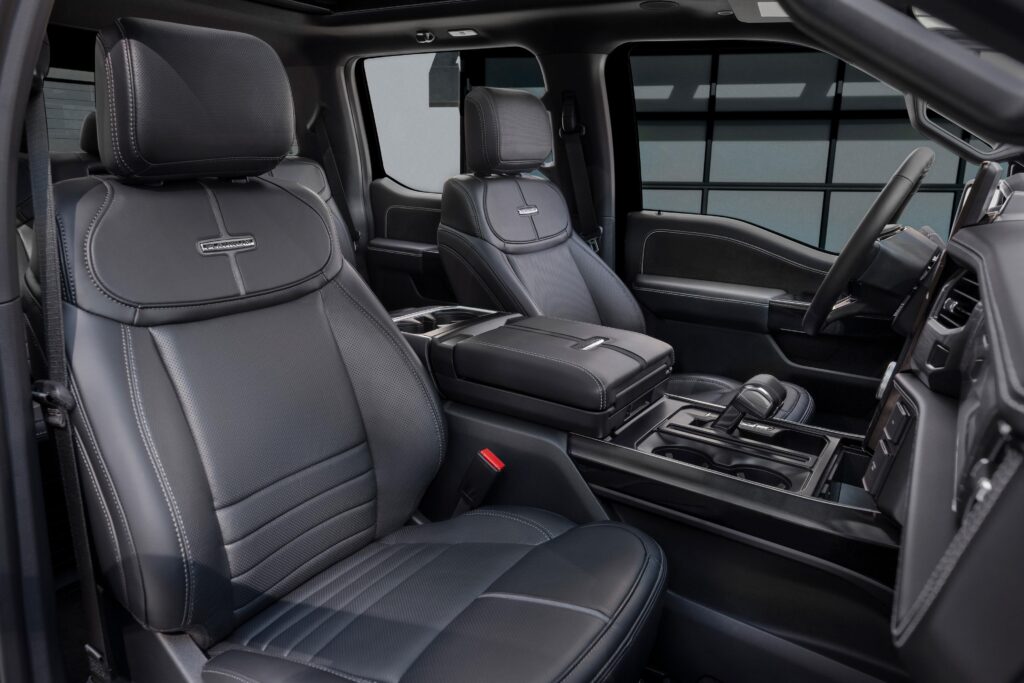
The Mustang Mach-E Is Still Selling, but Far Fewer Buyers Are Choosing It
Ford’s Mustang Mach-E recorded 1,239 U.S. sales in October 2026, compared with 2,906 in October 2025. That represents a decline of approximately 57.4%.
Unlike the Lightning, the Mach-E remains a conventional battery-electric crossover with a straightforward proposition: five-passenger practicality, quiet operation, rapid acceleration and useful daily driving range.
Its challenge is not necessarily that it has become a poor vehicle. Buyers now have a wider selection of electric crossovers from Tesla, Chevrolet, Hyundai, Kia and other manufacturers. Each competes on price, driving range, charging speed, equipment and financing terms.
For the customer, this competition is welcome. Automakers must justify the amount they charge rather than assuming that electric propulsion automatically makes a vehicle desirable.
Our previous analysis of the 2026 Mustang Mach-E found that its available driving range, five-passenger accommodation and technology remained persuasive. However, destination charges, subscription-dependent features and charging considerations make the precise configuration particularly important.
The Mach-E should remain on the shopping list for buyers with reliable home charging who want an electric family crossover. But it now has to win on value rather than novelty.
You may also enjoy: 2026 Ford Mustang Mach-E review: Still Ford’s EV star
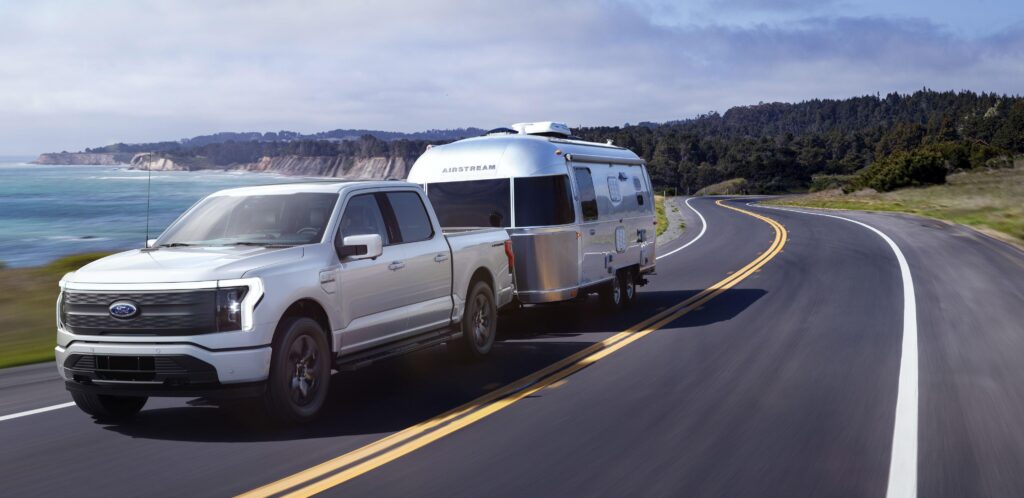
Are Americans Actually Returning to Gasoline?
Ford’s results certainly indicate stronger demand for its conventional gasoline and diesel products during October. They do not prove that the entire American automotive market has permanently rejected electric vehicles.
The distinction matters because Ford is one manufacturer operating within a much larger industry. Product availability, discontinued models, consumer incentives, and the competitive position of individual vehicles all affect sales.
Consider Ford’s own gasoline-powered products. Explorer sales increased approximately 35%, while Expedition sales rose nearly 57%. Both offer familiar ownership arrangements, substantial passenger space and the convenience of conventional refueling.
Those characteristics appeal to families who routinely travel long distances, carry large amounts of luggage or depend on their vehicle for activities beyond daily commuting.
Meanwhile, F-Series deliveries reached 73,482. Buyers continue to place significant value on towing, payload, work-related capability and vehicles they already understand.
That does not mean a gasoline engine is automatically better. It means the purchase decision extends well beyond what happens underneath the hood.
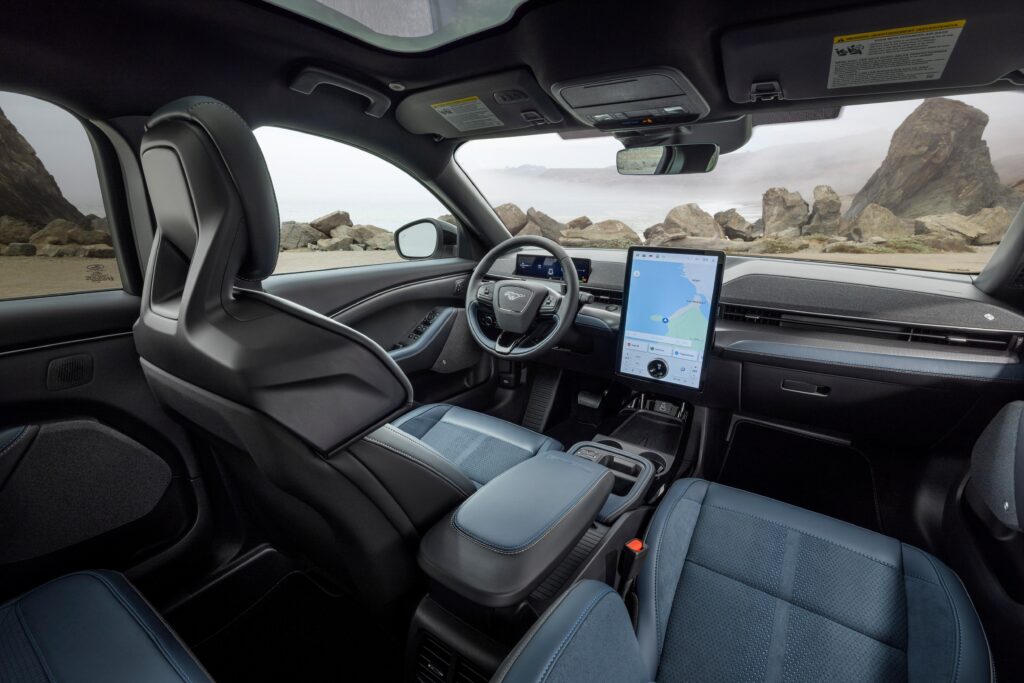
The Federal EV Tax Credit Has Changed the Financial Equation
One of the biggest changes affecting American electric car buyers is the disappearance of the federal consumer clean vehicle purchase credit for new acquisitions after September 30, 2025.
Previously, qualifying vehicles and customers could benefit from incentives worth as much as $7,500 for eligible new vehicles. That assistance could substantially influence the monthly payment or effective purchase cost.
According to the Department of Energy’s federal electric vehicle tax credit guidance, eligibility for those consumer vehicle purchase credits ended for vehicles acquired after the September 2025 deadline.
The resulting comparison is less favorable for some electric vehicles, particularly when manufacturers have not reduced transaction prices enough to compensate.
However, the removal of a federal purchase credit does not mean all incentives have disappeared. State programs, utility rebates, manufacturer financing offers and lease incentives may still matter. Their availability varies by location, model and date.
Buyers should examine the complete transaction, including the amount financed, interest rate, lease residual value, insurance premium and charging expenses.
It is quite possible for a vehicle with lower energy costs to have a higher total monthly ownership cost. Electricity is cheaper than gasoline in many circumstances, but the finance company remains stubbornly uninterested in your environmental enthusiasm.
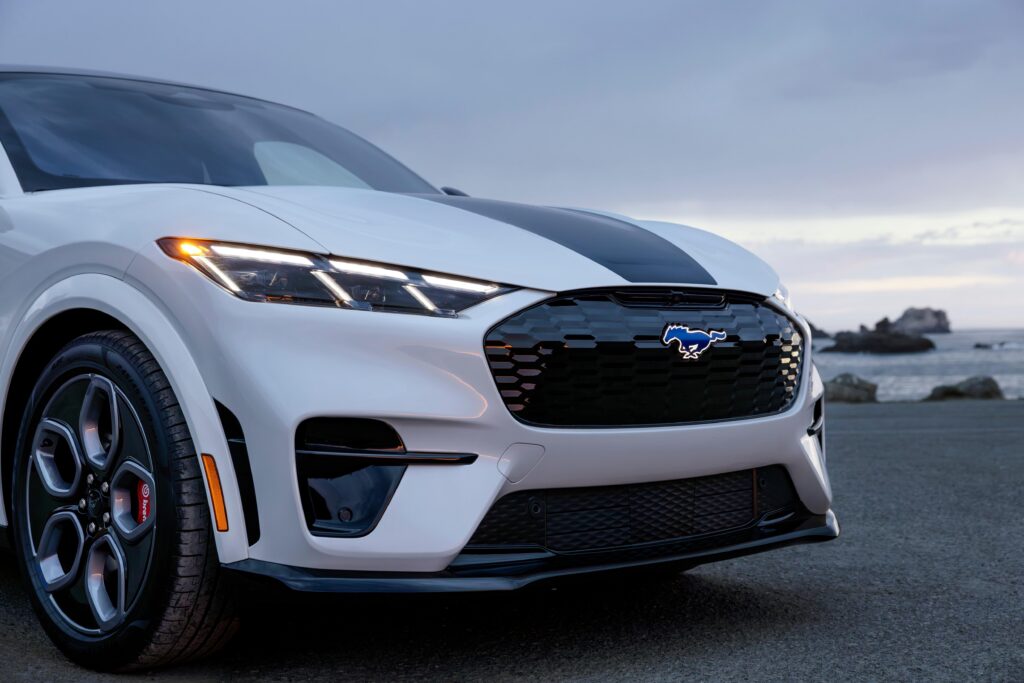
What Does It Really Cost to Charge an Electric Ford?
Electric vehicle running costs depend heavily on where and when the owner charges.
Home charging can be convenient and economical, especially for households with favorable off-peak electricity rates. Public fast charging may cost considerably more, narrowing the savings compared with gasoline.
The Department of Energy provides information about public electric vehicle charging, including the different charging levels and how public infrastructure supports longer journeys.
For buyers without a driveway, garage or dedicated parking space, charging availability should be investigated before purchasing the vehicle.
Apartment residents may rely on workplace charging or public facilities, and the convenience of those arrangements can change substantially depending on where they live.
Owners considering installing a home charger should also investigate their electrical service, installation costs and permits. The government’s charging infrastructure guidance explains the equipment and electrical considerations involved.
Weather introduces another variable. Cold temperatures can increase energy consumption and reduce electric driving range. The Department of Energy’s winter EV guidance explains how preconditioning, protected parking and sensible charging practices help manage that reduction.
For a household with reliable home charging and predictable journeys, these disadvantages may be relatively minor. For someone driving hundreds of miles across rural America in winter, they deserve considerably more attention.
Ford’s Hybrids Are Not Immune to the Sales Slowdown
One of October’s most interesting figures was Ford’s 21% decline in hybrid sales. The company delivered 13,818 hybrid vehicles during the month.
This does not mean hybrid technology has suddenly become unpopular throughout the United States. It demonstrates why individual monthly sales figures should be interpreted cautiously.
Ford’s Maverick hybrid pickup remains a particularly interesting alternative for people who want lower fuel consumption without relying on a charging network.
A conventional hybrid uses a gasoline engine and an electric motor, recapturing energy during braking and using its battery to improve efficiency. Unlike a plug-in hybrid, it does not require an external charging connection.
For drivers who cannot install a charger, the arrangement offers an uncomplicated way to reduce gasoline consumption. Fuel savings still depend on driving conditions and the precise vehicle.
The difference between a conventional hybrid and a battery-electric vehicle is substantial enough that shoppers should evaluate them as different ownership propositions rather than treating one as a halfway version of the other.
You may also enjoy: 2026 Ford Maverick Hybrid Review: Is AWD Worth It?
Could Weak EV Sales Lead to Better Deals?
Possibly, although buyers should not assume that a 71% sales decline automatically means every Ford dealership is desperate to discount electric vehicles.
Discounts are influenced by local inventory, manufacturer incentives, model availability, financing arrangements and how urgently a retailer needs to move its vehicles.
Buyers comparing a Mustang Mach-E with a Tesla Model Y, Chevrolet Equinox EV or Hyundai Ioniq 5 should obtain written, itemized quotations for comparable configurations.
Compare the actual selling price rather than advertised monthly payments alone. A longer loan term can make an expensive vehicle appear affordable while increasing the total interest paid.
Ask for insurance quotations before buying. Consider available battery warranty coverage, charging equipment costs and the practical value of included technology.
Anyone purchasing a used electric vehicle should examine battery health where reliable information is available, check warranty transferability and investigate the model’s charging compatibility.
As with any vehicle, buyers should also check the National Highway Traffic Safety Administration’s vehicle recall database using the specific vehicle identification number.
A low purchase price is attractive, but it is only one part of the financial decision.
Ford’s Next Electric Truck Could Be More Important Than the Lightning
While October’s electric sales figures make uncomfortable reading, Ford is preparing another approach to the affordable EV market.
The company’s planned Fathom electric pickup represents an effort to reduce the entry price of electric truck ownership. Ford has identified a target starting price around $30,000, although final production specifications and complete consumer pricing have not yet been established.
The significance is obvious. Many Americans would consider an electric truck if its purchase price approached that of a conventional compact pickup rather than a luxury full-size truck.
Affordability must be accompanied by genuine utility, however. A low advertised price is less interesting if essential equipment, useful driving range or practical payload capability requires expensive upgrades.
Ford must also establish competitive production costs and deliver the vehicle at sufficient volume to make the strategy financially sustainable.
For now, the planned truck is a product-development story rather than a vehicle customers can purchase and evaluate at a dealership.
You may also enjoy: Ford Fathom Electric Truck: What We Know So Far
Should You Buy an Electric Ford Right Now?
Best for: Buyers with dependable home charging, predictable daily mileage and an opportunity to negotiate a competitive purchase or lease price.
Consider a hybrid instead: Drivers who want improved fuel economy without installing charging equipment or changing their refueling habits.
Consider a conventional truck: Buyers who routinely tow long distances, operate in remote regions or need particular capability that a battery-electric pickup cannot conveniently provide.
Wait if: You are considering Ford’s next-generation extended-range Lightning or forthcoming affordable electric truck and do not urgently need to replace your current vehicle.
The strongest reason to purchase a Mustang Mach-E remains its combination of electric performance, everyday practicality and the convenience of charging at home.
The biggest compromise is that its financial appeal depends heavily on purchase price and charging circumstances. A family without reliable charging may be better served by a conventional hybrid.
For pickup buyers, the conventional F-150 offers a wider range of established configurations and towing solutions. But a buyer who rarely carries heavy loads should also consider whether a smaller Maverick would be a more sensible purchase.
Frequently Asked Questions
How much did Ford EV sales fall in October 2026?
Ford reported 1,355 battery-electric vehicle sales in the United States, a decline of 71.2% compared with October 2025.
Did Ford really sell zero F-150 Lightning trucks?
Yes. Ford’s reported U.S. sales of the battery-electric F-150 Lightning were zero for October 2026. Production changes and product availability are important context when interpreting that figure.
Is Ford discontinuing electric vehicles?
No. Ford continues developing electric vehicle products and technology. It has announced a next-generation extended-range Lightning and plans for a more affordable electric truck.
Are Ford Mustang Mach-E prices dropping?
The latest sales figures do not establish a nationwide price reduction. Buyers should check current manufacturer offers, local dealership inventory and the complete transaction price.
Is a hybrid Ford cheaper to own than an electric Ford?
Not necessarily. Ownership costs depend on purchase price, insurance, annual mileage, gasoline and electricity rates, maintenance, depreciation and financing terms.
Should I wait for Ford’s next electric truck?
Waiting may make sense for shoppers who do not need a replacement immediately and are interested in a lower-cost electric pickup. However, final pricing, specifications, availability and independently tested performance should be established before making a purchasing decision.
The Test Miles Verdict
Ford’s electric vehicle sales did not simply suffer a bad month. They exposed a difficult problem for an industry that has invested enormous amounts of money in changing how Americans drive.
The technology is capable, the vehicles can be excellent, and the benefits are real. But none of those advantages guarantees that a customer will pay the asking price.
For Ford, the immediate solution is not to abandon electric propulsion. It is to build electric vehicles that make financial and practical sense to a wider range of customers.
The Mustang Mach-E can still be a worthwhile purchase. The planned extended-range Lightning could address genuine pickup limitations. A genuinely affordable electric truck might attract customers who never considered an EV at today’s prices.
But the customer must come first, not the manufacturer’s technology roadmap.
In October, American buyers delivered that message with remarkable clarity. Ford sold 73,482 F-Series trucks and just 1,355 electric vehicles across its entire U.S. lineup.
The future may well be electric. Americans, however, have made it abundantly clear that they intend to negotiate the price.