Stellantis AI Driving Technology Targets 2028 Launch
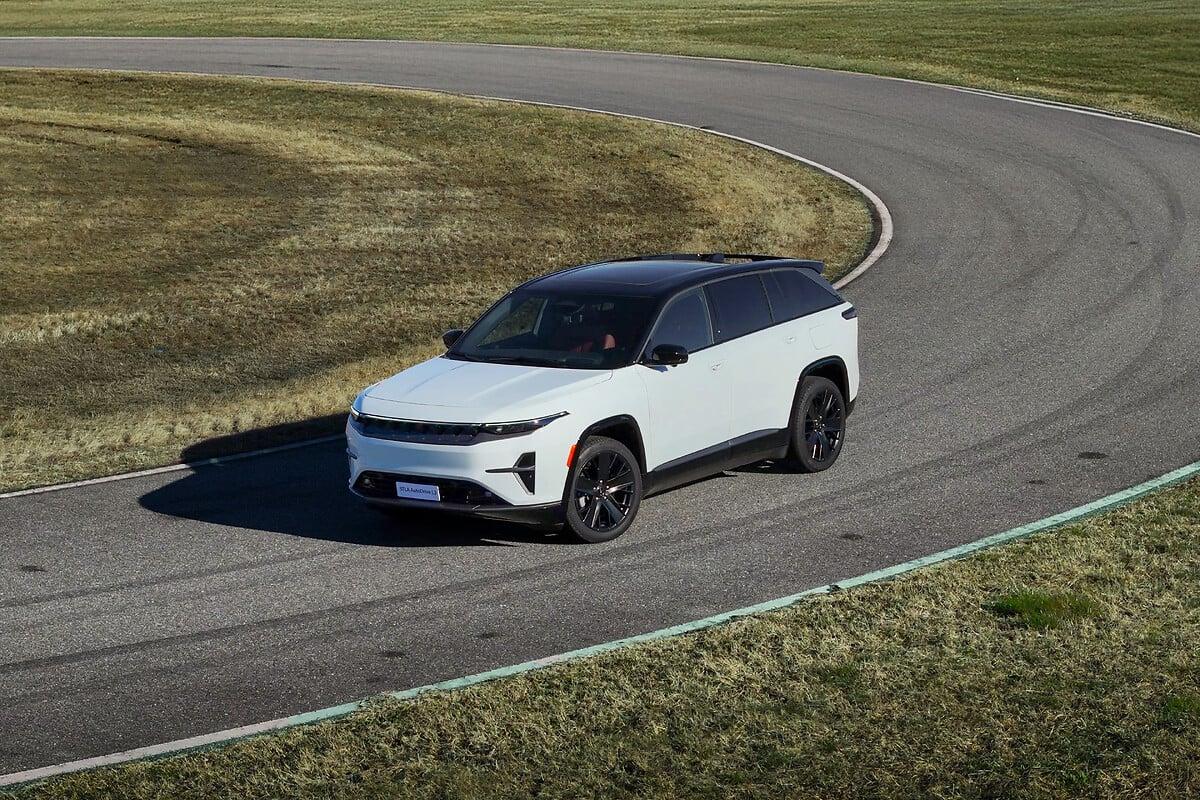
Stellantis AI driving technology could bring hands-free assistance to millions of vehicles, with the Jeep Grand Cherokee, Fiat 500e and Maserati Grecale already demonstrating what the company’s partnership with British technology developer Wayve can accomplish.
For years, the conversation about cars that drive themselves has been dominated by Tesla, Waymo and a handful of expensive luxury vehicles. Now the company behind Jeep, Ram, Chrysler, Dodge and Maserati wants to bring advanced AI driving assistance into the mainstream.
And unlike some automotive promises that arrive accompanied by dramatic music and a distant production date, Stellantis has working development vehicles on the road.
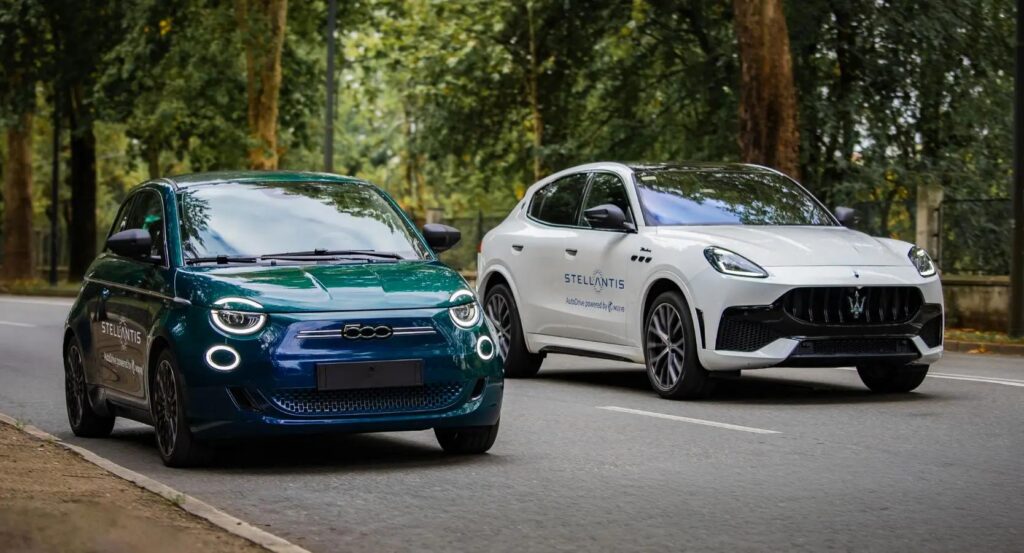
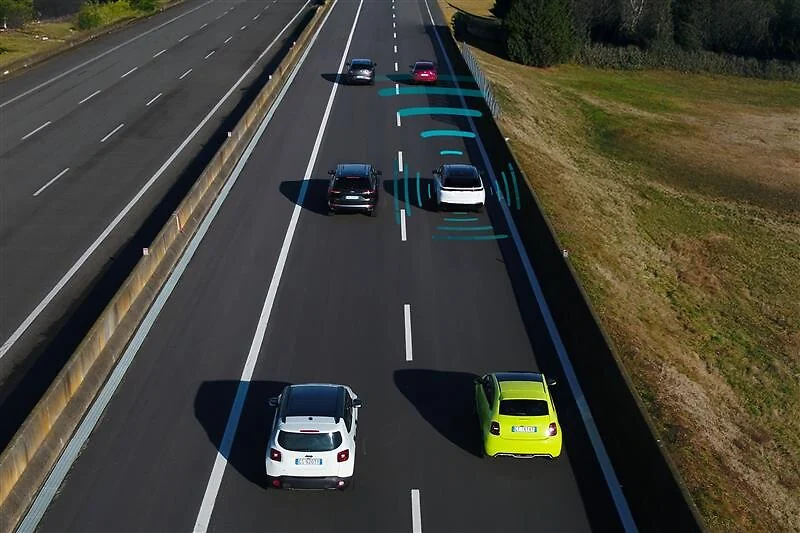
On October 9, 2026, Stellantis and Wayve demonstrated AI-powered, hands-free driving in Fiat 500e and Maserati Grecale development vehicles in Turin, Italy. The demonstrations followed an earlier integration into a Jeep Grand Cherokee.
The technology is designed to assist with driving on city streets as well as highways. Stellantis is targeting its first North American customer launch in 2028.
That is potentially significant news for American drivers. But there is an important distinction between a vehicle that assists with driving and one that can safely drive without supervision.
You may also like this video:
Stellantis AI Driving Technology Is Already Being Tested
The project combines two technologies: Wayve AI Driver, which interprets the driving environment and helps make driving decisions, and STLA AutoDrive, Stellantis’ platform for integrating advanced driving assistance into its vehicles.
Wayve uses an approach called end-to-end embodied artificial intelligence. Instead of depending exclusively on individually programmed responses to every situation, the system learns patterns from driving data to help interpret changing road conditions.
Think about approaching an intersection where road markings have faded, a delivery truck is partially blocking the lane and pedestrians are preparing to cross.
A conventional driver-assistance system may depend heavily on predefined rules and specifically recognized situations. An AI-based system aims to interpret the entire scene and determine an appropriate response.
That does not mean it will always make the correct decision. The real challenge is proving that its decisions remain reliable when road conditions become difficult or unusual.
Stellantis says engineers integrated the technology into the Fiat and Maserati development vehicles and progressed to real-world road testing in less than four weeks. The earlier Jeep Grand Cherokee demonstration provided a third, substantially different vehicle configuration.
That adaptability matters because the three vehicles have different dimensions, dynamics and sensor installations. Building a unique automated-driving system for each vehicle would be expensive and time-consuming.
A common AI foundation could make advanced assistance practical across considerably more vehicles.
You may also enjoy: The 2026 Jeep Grand Cherokee Simplifies on Purpose
Could Your Next Jeep or Ram Drive Itself?
The short answer is that it could do more of the driving, but that does not mean you can stop supervising it.
Stellantis describes its planned product as Level 2++ supervised automated driving. Although the extra plus signs sound rather impressive, Level 2++ is not a separate official level in the SAE driving-automation classification system.
Under the National Highway Traffic Safety Administration’s automation definitions, Level 2 assistance can control steering and vehicle speed simultaneously, but the human driver must continuously monitor the road.
That remains true when the system allows hands-free operation.
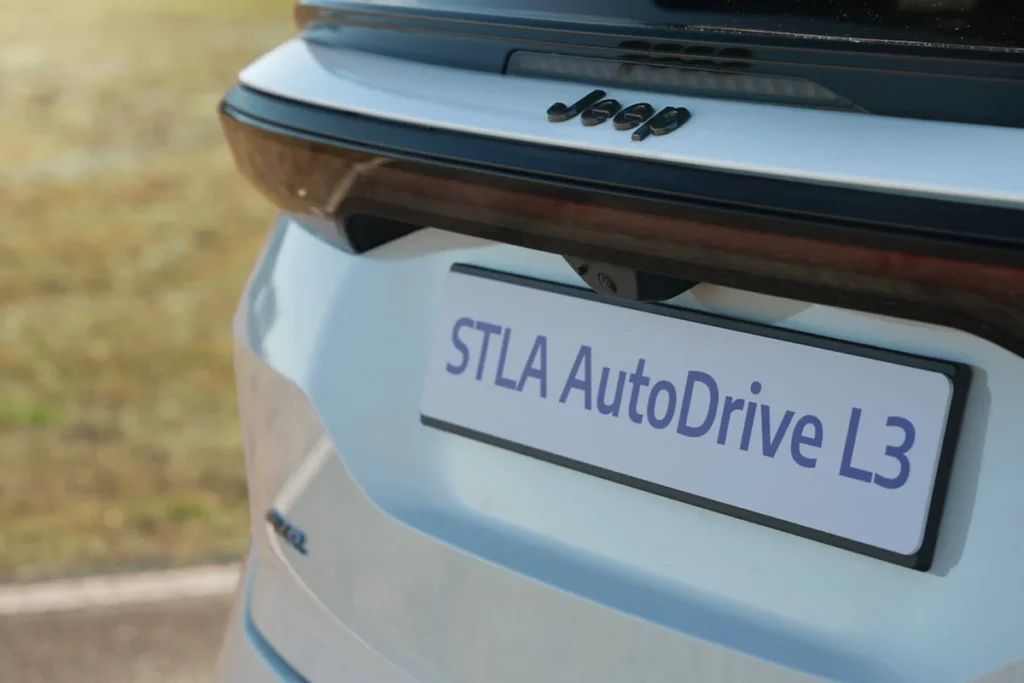
The distinction is particularly important because Stellantis previously introduced a version of STLA AutoDrive intended to provide Level 3 eyes-off functionality at speeds up to approximately 37 mph. Its new Wayve-enabled Level 2++ program is a different supervised-driving application, despite its potentially broader operating environment.
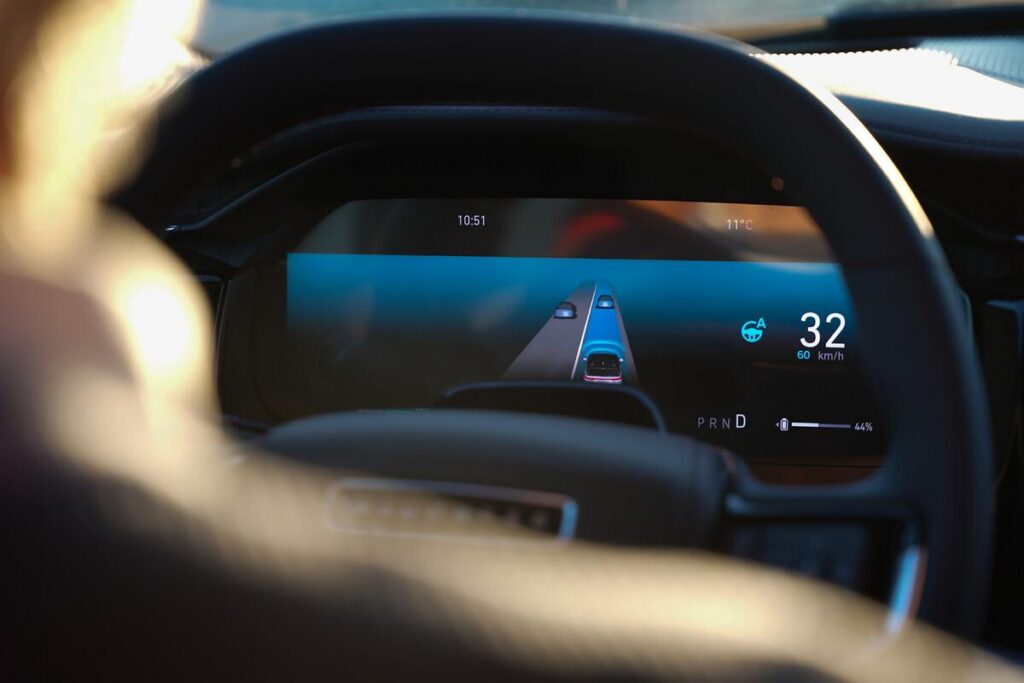
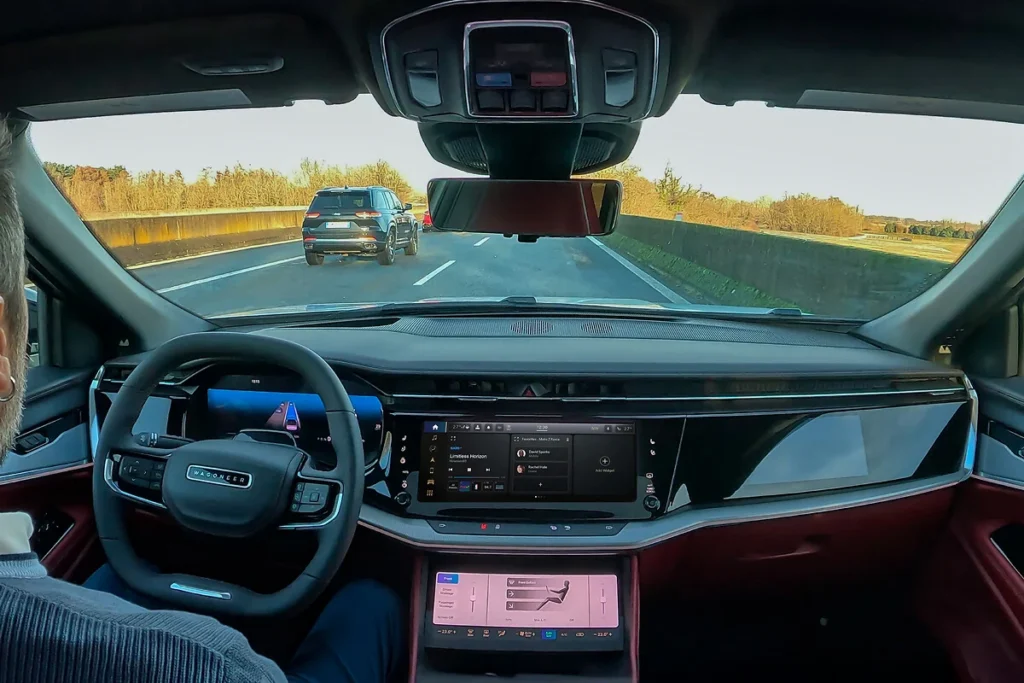
In practical terms, the proposed Wayve system could help manage lane positioning, speed and changing traffic situations on supported roads, including urban routes.
However, Stellantis has not announced which U.S. production models will receive the system first.
The Grand Cherokee prototype makes Jeep an obvious brand to watch, but it is not confirmation that a particular future Grand Cherokee trim will include Wayve technology.
Nor should buyers assume existing Stellantis vehicles will gain the system through a software update.
You may also enjoy: The 2026 Jeep Grand Cherokee: Evolution or Revolution?
Why Artificial Intelligence Changes the Equation
Traditional driving-assistance technology has improved considerably. Adaptive cruise control, lane-centering systems and automatic emergency braking are available on a growing range of vehicles.
But handling familiar highway conditions is different from negotiating complex urban streets.
Wayve’s technology is designed to learn driving behavior from real-world examples rather than depend on detailed pre-mapped instructions for every road.
Theoretically, that could make it easier to expand across different locations and vehicle types.
For American drivers, the benefit would be straightforward: useful assistance on more of the journey, rather than only on certain highways.
Imagine leaving your driveway, navigating local streets, entering an interstate and exiting toward your destination with the system helping throughout the journey.
That is the experience Stellantis wants to develop. It is not yet a proven, unrestricted capability available to customers.
The NHTSA’s guidance on driver-assistance systems explains why drivers must understand what a feature can and cannot do before relying on it.
And the agency’s crash-reporting framework distinguishes supervised Level 2 driver assistance from higher-level automated driving systems.
Those distinctions become increasingly important as manufacturers introduce more sophisticated marketing names for their technology.
You may also enjoy: Hyundai Driving AI in 2028: What Will Drivers Get?
The Technology Could Become More Affordable
One of the more interesting developments is not simply what the technology does, but how Stellantis intends to manufacture it at scale.
The automaker has also expanded its relationship with Qualcomm, including plans to use Snapdragon Digital Chassis computing technology and Snapdragon Ride Pilot driver-assistance capabilities across future vehicle architectures.
Separately, Mobileye announced in July that selected Stellantis vehicles expected in 2027 would incorporate its cloud-enhanced driver-assistance technology.
These are distinct technology programs, not a promise that every vehicle will contain every supplier’s system.
Collectively, however, they illustrate Stellantis’ strategy of developing flexible electronic and software foundations rather than treating advanced assistance as a completely separate engineering project for each model.
Sharing computing architectures and development costs could eventually make sophisticated driver-assistance features less expensive to produce.
That does not automatically mean they will be cheaper to buy.
Stellantis has not announced U.S. pricing, subscription charges, hardware requirements or the first retail vehicle configurations for its Wayve-enabled system.
Those details may determine whether this becomes a genuinely mainstream technology or another impressive option reserved for expensive trim levels.
You may also enjoy: Ford $30,000 EV Truck Will Have Apple Maps Built In
AI Driving Still Has to Earn Our Trust
The industry has become extremely good at demonstrating vehicles performing impressive maneuvers under carefully selected conditions.
What matters to owners is how a system behaves on an ordinary Tuesday when the weather is miserable, a road crew has moved the cones and someone decides to cross the street without looking.
The SAE International driving-automation framework provides useful distinctions between driver support and systems that assume responsibility for driving.
Artificial intelligence also creates new questions about how technology is tested, improved and monitored after a vehicle leaves the factory.
The National Institute of Standards and Technology’s AI Risk Management Framework provides a broader approach to evaluating AI reliability and risks throughout a system’s life.
For an automaker, demonstrating that an AI system can complete a journey is only part of the job.
It must also establish how the vehicle responds when sensors are obscured, an unexpected obstacle appears or the driving environment exceeds the system’s capabilities.
Drivers will need clear warnings, understandable operating limits and dependable instructions for taking control.
You may also enjoy: Tesla Robotaxi School Zone Speeding: Can AI Be Trusted?
When Will Stellantis AI Driving Technology Arrive?
Stellantis says the first North American launch of its Wayve-powered hands-free supervised driving system is targeted for 2028.
The company has demonstrated progress in three very different vehicles, but customer availability, final model selection, supported roads, pricing and subscription arrangements remain unannounced.
Its separate autonomous-vehicle partnerships with companies including Uber concern future driverless mobility services rather than the supervised system being developed for private owners.
That distinction is worth remembering before anyone starts planning to have a nap on the morning commute.
Affiliate shopping: If you are shopping for all-weather floor mats, Shop OEDRO directly or Shop OEDRO on Amazon. Use code NIKM20 at the OEDRO official store. Check current code terms and vehicle fitment before ordering. Test Miles may earn a commission from purchases made through these affiliate links.
Test Miles Verdict: AI Driving Is Moving Beyond Luxury Cars
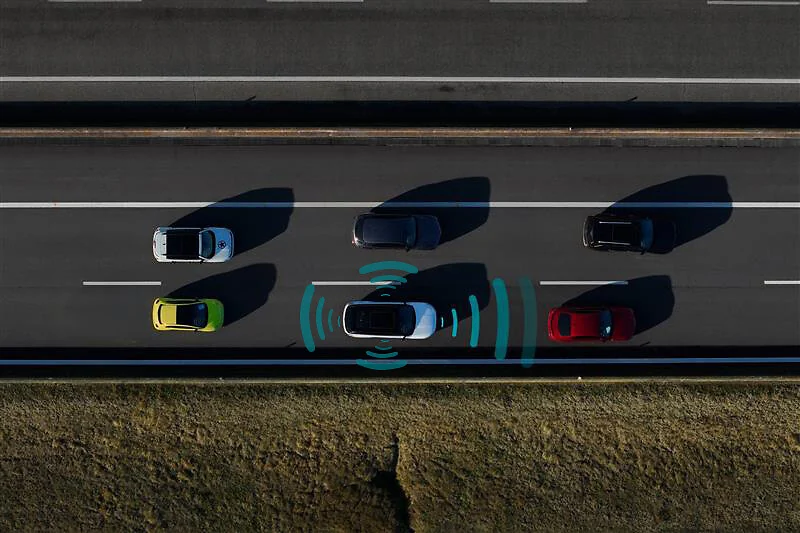
Stellantis is taking an interesting approach. Rather than concentrating exclusively on a costly flagship vehicle, it is testing a common AI driving system across a compact electric car, a midsize Jeep SUV and a luxury Maserati.
That is a meaningful engineering demonstration, even if it does not establish that the technology is ready for unrestricted customer use.
For American drivers, the biggest potential improvement is not eliminating the steering wheel or pretending the driver is unnecessary.
It is reducing the workload of everyday journeys while keeping the driver appropriately involved.
My three questions for Stellantis are simple: Which vehicles will get the technology, what will owners pay for it, and how will the company demonstrate that it behaves safely when the road stops cooperating?
If Stellantis can answer those questions convincingly, AI driving assistance could become something genuinely useful to ordinary Americans rather than another expensive demonstration of what a computer might eventually accomplish.
And frankly, a car that makes rush-hour traffic less exhausting would be a welcome development. It doesn’t need to make the tea as well.