2027 Toyota Sequoia: The Towing Tech Changes Everything
By Robert R Guio
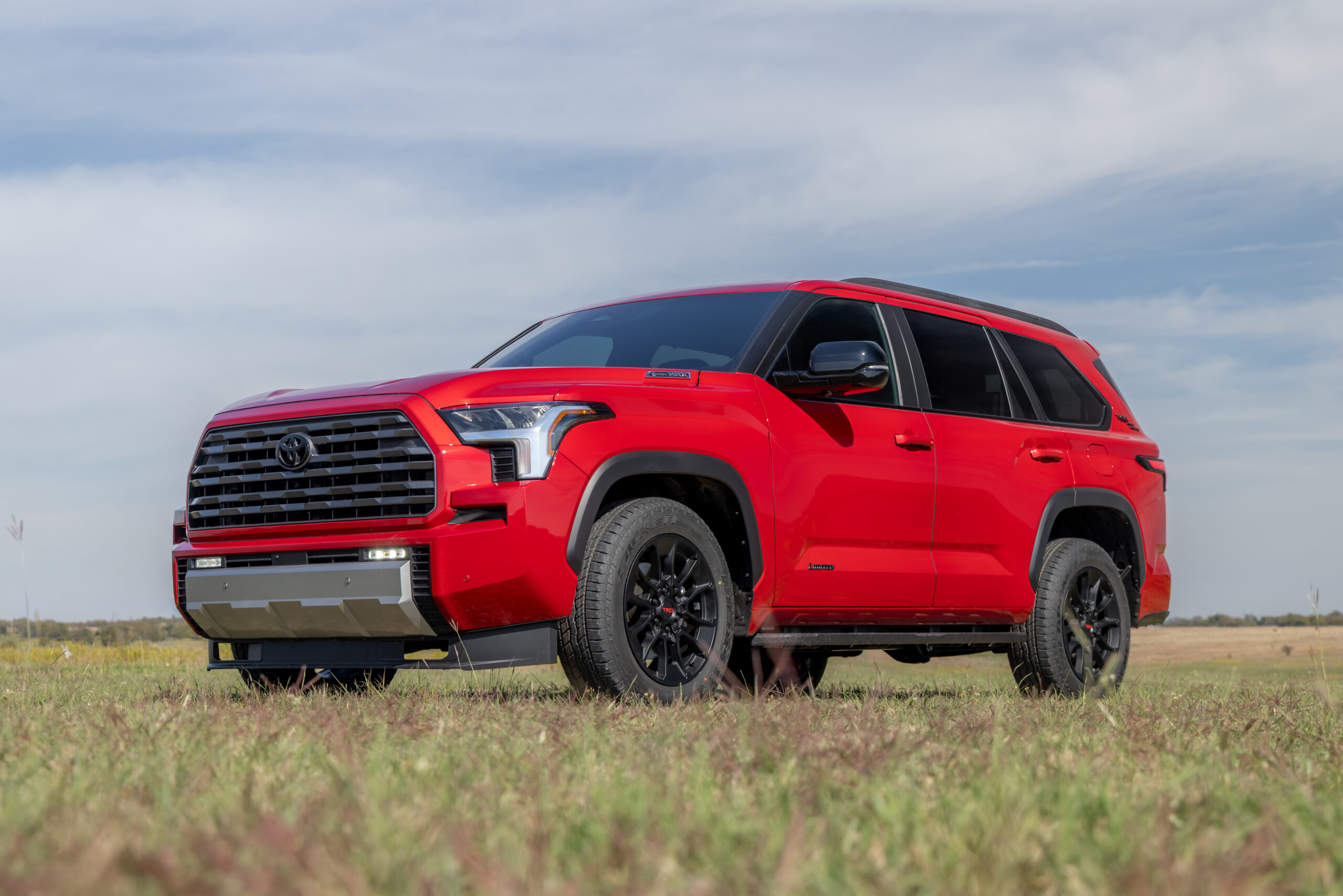
The 2027 Toyota Sequoia brings smarter trailer assistance, a new Trailhunter package and a $69,900 starting price. Here’s what buyers should know.
The most interesting thing about the updated Toyota Sequoia isn’t its new grille, the striking Honeycomb paint or even the suspension equipment fitted to its most adventurous versions. It’s the realization that pulling a trailer is still unnecessarily complicated for many American drivers, and that technology might finally be able to make the experience a little less intimidating.
For 2027, Toyota is introducing systems that can recognize an attached trailer, adjust blind-spot monitoring to account for its length and provide steering assistance when reversing. Those are potentially meaningful improvements for anyone who has spent an uncomfortable afternoon trying to position a travel trailer while a campground audience quietly judges every maneuver.
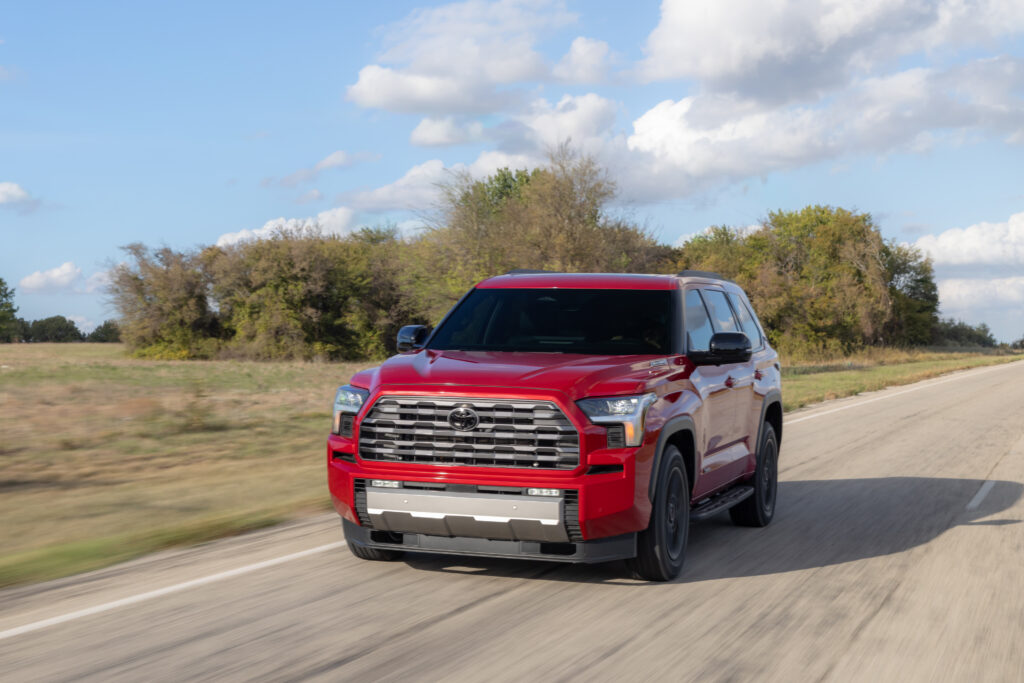
There’s considerably more to the new Sequoia, including an overlanding-focused Trailhunter package, improved TRD Pro suspension, a standard 14-inch infotainment display and additional family safety technology. Every version continues to use Toyota’s powerful hybrid V6.
But there are also important questions about price, towing specifications and which equipment buyers actually need. Toyota has announced a starting price of $69,900, and the SUV is expected at dealerships in fall 2026.
Here is what deserves attention before signing a purchase agreement.
2027 Toyota Sequoia Towing Technology: The Real Upgrade
Most people who regularly tow a trailer understand that the difficult part isn’t necessarily pulling it down a straight highway. It’s everything that happens before and after that journey. Connecting the trailer, negotiating busy traffic, positioning it accurately and maintaining sufficient clearance can demand considerable attention.
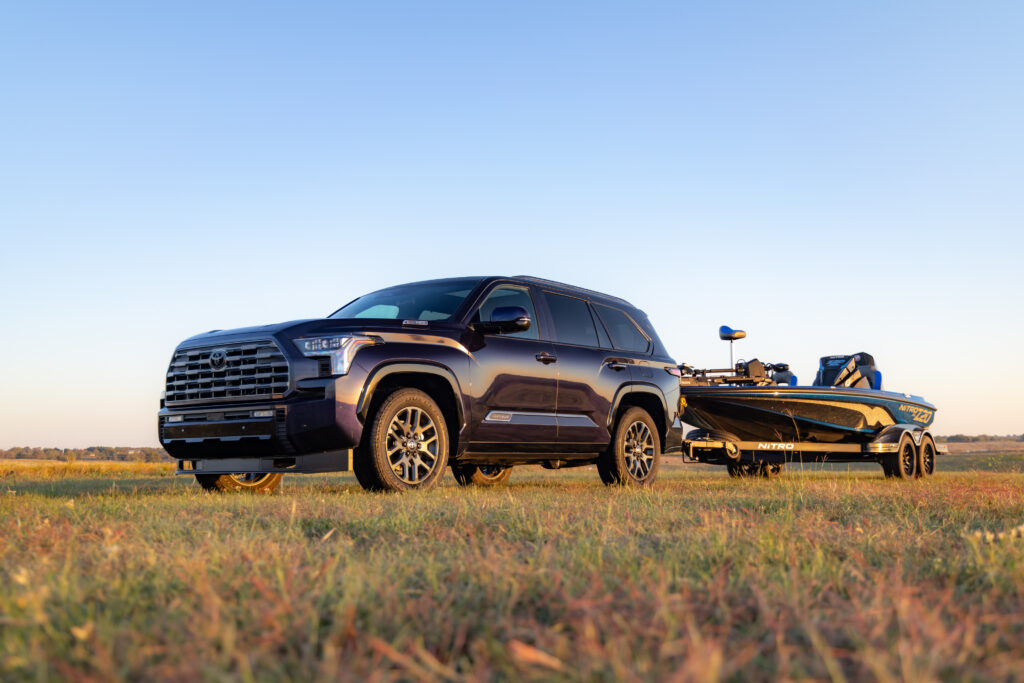
Toyota’s new Trailer Advanced Driver Assistance Systems, known as TADAS, attempt to simplify several of those tasks. The most unusual development is Automated Trailer Detection, which uses cameras and rear radar to identify the attached trailer and estimate its physical characteristics.
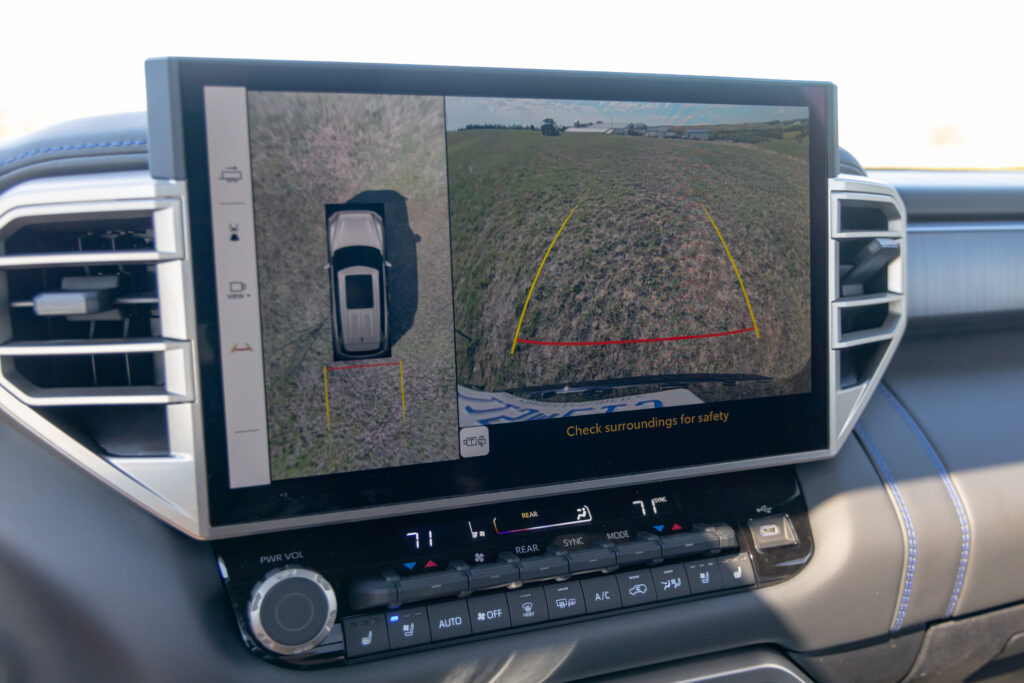
That information is transferred into Trailer Garage, Toyota’s interface for managing trailer settings. The display has moved from the instrument cluster to the central multimedia touchscreen, giving drivers a larger and potentially more convenient place to review information.
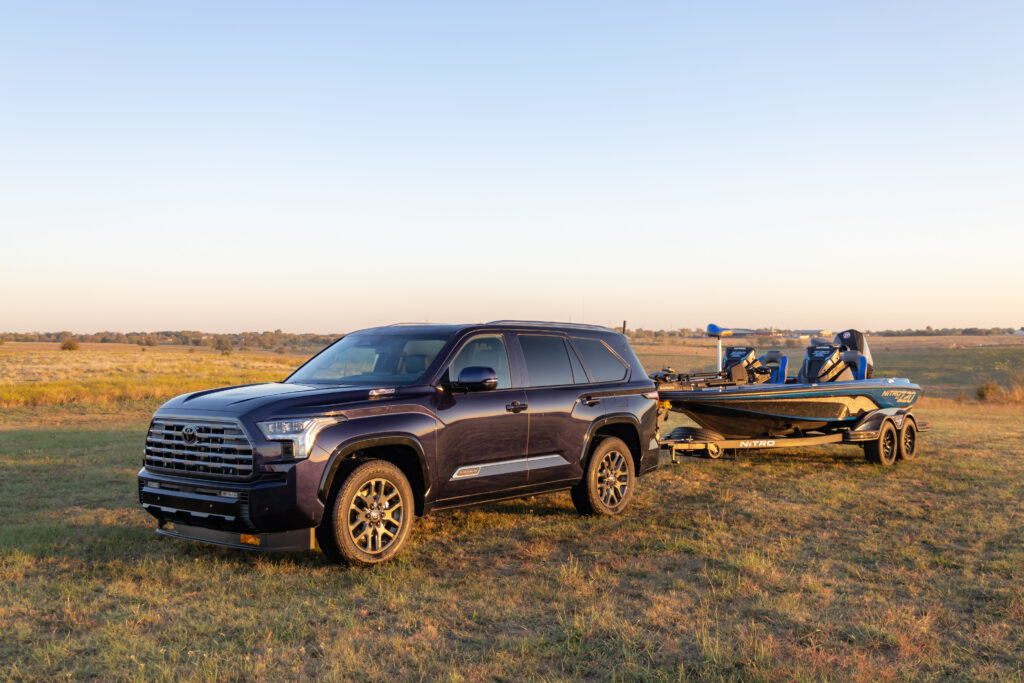
Automated detection could reduce setup time, particularly for owners who frequently switch between different trailers. Someone who uses a boat trailer during summer and a utility trailer throughout the year may appreciate a system that doesn’t require every configuration to be entered manually.
There is an important distinction, however. Recognizing a trailer’s dimensions does not establish its weight, tongue weight or safe loading. Drivers must still confirm those figures using appropriate ratings and measurements.
The Trailer Blind Spot Monitor adjusts its detection area to include the space alongside the trailer rather than monitoring only the SUV. That addresses a common limitation of ordinary blind-spot systems, which are generally designed around the dimensions of the vehicle itself.
Trailer Lane Trace Assist adds steering support calibrated for towing. Toyota says it can help maintain lane position under certain conditions involving wind, uneven roads and changing lane geometry. It should be regarded as driver assistance, not a system that independently controls a trailer combination.
Then there’s the revised Trailer Backup Guide. Dynamic guidance lines, an on-screen slider and semi-automated steering support are intended to make reversing more manageable. Toyota also says the system can help identify potentially dangerous jackknife situations.
These features sound promising. The unanswered questions concern precisely how the systems behave with different trailer dimensions, difficult parking angles and poor visibility. Those are the conditions that will determine whether this technology deserves its place on a buyer’s priority list.
The National Highway Traffic Safety Administration’s guidance on vehicle and trailer ratings is a useful reminder that electronic assistance cannot replace proper equipment selection or vehicle loading.
Why the 9,520-Pound Towing Claim Needs Clarification
Toyota’s November 4 announcement specifies a maximum towing capacity of 9,520 pounds for the 2027 Sequoia. That’s a substantial figure, particularly for families considering larger camping trailers or boats.
There’s a complication. Toyota’s current consumer-facing 2027 Sequoia webpage lists maximum towing capacity as 9,120 pounds. Both figures come from Toyota, so the difference needs clarification rather than an assumption that one is automatically correct.
For anyone planning to tow near the vehicle’s upper limit, 400 pounds is not a trivial discrepancy. Toyota should confirm the applicable maximum and the configurations to which it applies.
Just as important, maximum towing capacity is only one part of the calculation. Payload, hitch load, passengers, luggage and the weight of accessories all affect whether a particular vehicle and trailer combination is suitable.
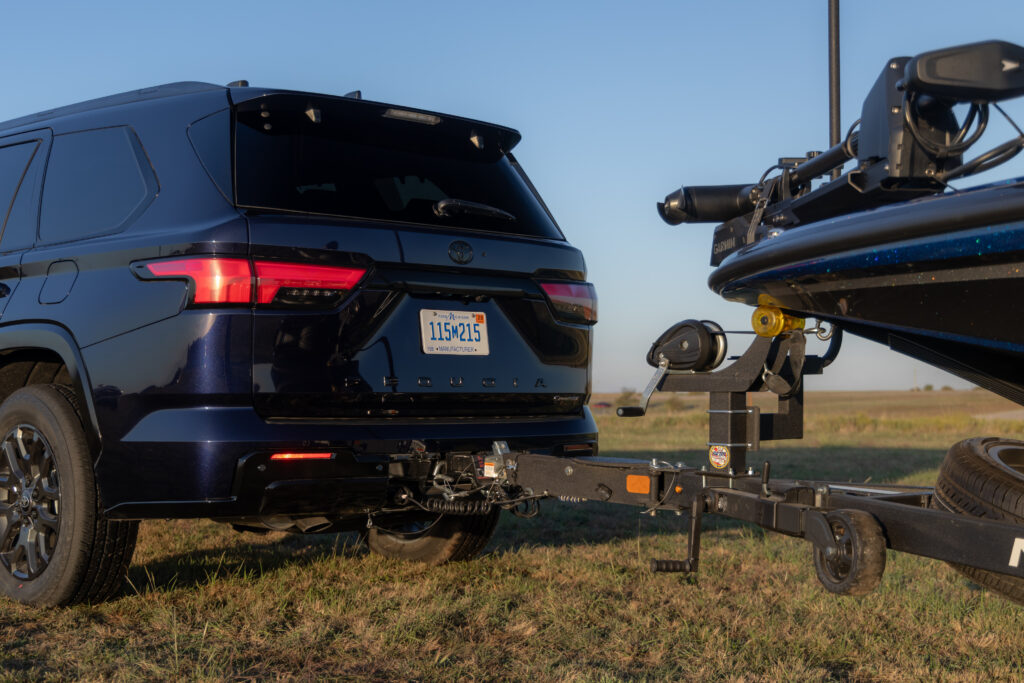
Imagine a family setting off with several passengers, camping supplies, a cooler, bicycles and a travel trailer. All that equipment must be accounted for, including the load the trailer places on the tow vehicle. Buying an SUV with a high advertised tow rating doesn’t automatically provide unlimited carrying capacity.
Owners should check the specific vehicle’s weight labels and owner’s manual, confirm trailer brake requirements and leave an appropriate margin below the applicable limits. The federal explanation of vehicle weight ratings provides valuable background on why these numbers matter.
I’d much rather see manufacturers make trailer loading easier to understand than simply compete over who can advertise the largest number. The new Sequoia’s electronic systems are an encouraging development, but they don’t solve the weight-management problem by themselves.
You may also enjoy: 2026 Toyota Tundra Review: Start With the SR5
Should You Buy the New Sequoia Trailhunter?
The arrival of a Trailhunter package on the SR5 creates a more interesting choice for off-road buyers. Until now, the obvious Sequoia for someone wanting serious factory off-road equipment was the TRD Pro. The Trailhunter adds a different philosophy to the lineup.
Its equipment is directed toward overlanding: traveling across undeveloped routes, carrying supplies and remaining away from ordinary infrastructure for extended periods.
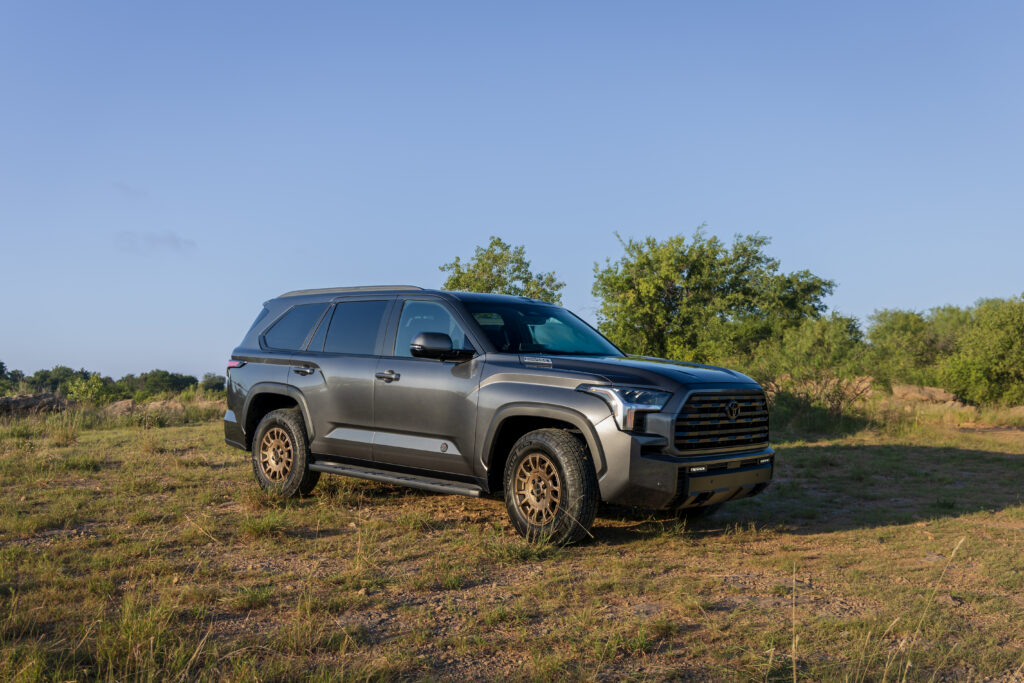
Toyota equips Trailhunter with Old Man Emu suspension components, Michelin LTX Trail tires, extra underbody protection, front recovery hooks and bronze-colored wheels. The package includes Crawl Control, Multi-Terrain Select and a locking rear differential.
The mechanical elements matter more than the appearance. A locking rear differential can improve traction when the wheels encounter significantly different grip levels. Underbody protection reduces the risk of damage from contact with obstacles. Appropriate tires can make a meaningful difference on loose or uneven surfaces.
But this is still a large three-row SUV. Its size matters on narrow trails, where turning room, visibility and clearance become limiting factors. Neither expensive suspension equipment nor a reassuring badge can make a wide vehicle physically smaller.
For buyers who frequently travel on unpaved mountain roads, maintain remote property or take extended camping trips, the Trailhunter hardware could be worthwhile. For someone whose outdoor adventures involve a paved campground and a short walk to a picnic table, the standard Sequoia may be entirely sufficient.
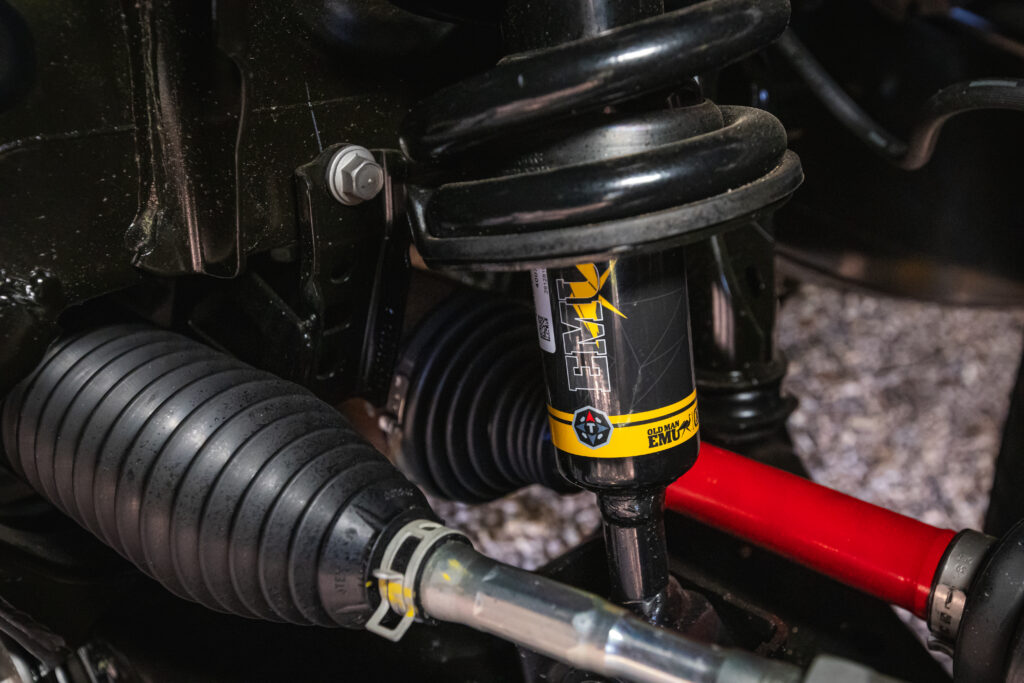
The Trailhunter also raises a value question. Because it’s based on the SR5, buyers can prioritize functional hardware without necessarily purchasing every luxury feature offered in the higher grades. The package price and complete configuration should be compared against the TRD Pro and other alternatives before making a decision.
That distinction between genuine need and expensive aspiration is worth remembering. A vehicle doesn’t become more capable simply because its owner has bought every accessory in the catalog.
You may also enjoy: 2026 Toyota Sequoia TRD Pro: Big SUV, Easy Life
TRD Pro or Trailhunter: Two Different Approaches
For 2027, the Sequoia TRD Pro introduces FOX QS3 adjustable shocks developed specifically for the vehicle. These allow changes in suspension damping to suit varying conditions.
Think of damping as the suspension’s method of controlling movement after the wheels encounter a bump or dip. Too little control can allow excessive body motion, while inappropriate damping for the conditions can produce an uncomfortable ride or compromise how well the tires maintain contact with the ground.
Adjustable shocks provide more flexibility, although the actual improvement needs to be judged on the road and trail rather than accepted solely from a specification sheet.
The TRD Pro also gets red tow hooks and Honeycomb paint, a distinctive new color that will undoubtedly attract attention. The paint is a matter of personal preference. The suspension is the reason to investigate the new version.
I’d approach the decision by considering what the vehicle will do most often. Buyers expecting extended trips into remote areas should evaluate Trailhunter’s specific equipment. Those prioritizing off-road suspension performance should examine TRD Pro.
Drivers who spend nearly all their time on highways should not assume either is automatically better than a Limited or Platinum. Specialized tires and suspension settings involve compromises, and their everyday behavior deserves consideration.
The Sequoia’s increased off-road choices also create overlap with other Toyota vehicles, including the 4Runner and Land Cruiser. Those models deserve comparison when a third row, substantial towing capacity or the Sequoia’s larger cabin is not essential.
The Hybrid V6 Is About Strength as Much as Efficiency
Every 2027 Sequoia uses the i-FORCE MAX powertrain, combining a twin-turbocharged 3.4-liter V6 with an electric motor generator. The system develops 437 combined horsepower and 583 pound-feet of torque.
Those are impressive outputs, but the more interesting point is how Toyota uses electrification. Rather than offering a small electric motor primarily as an efficiency measure, this system contributes to the performance expected of a substantial truck-based SUV.
Electric motors can provide useful torque at low speeds, complementing the gasoline engine when accelerating or moving heavy loads. The combination can be particularly relevant when joining a highway with passengers and equipment aboard.
The Sequoia doesn’t require plugging in. As the U.S. Department of Energy explains in its guide to conventional hybrids, the battery is charged through the vehicle’s engine and energy recovered during braking.
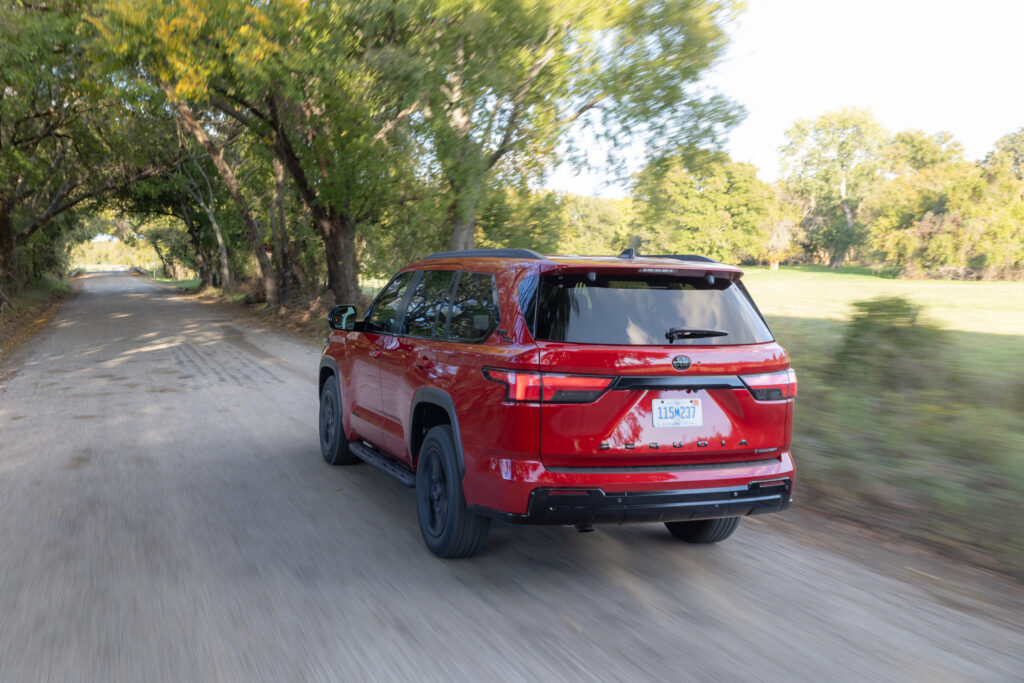
That makes the Sequoia convenient for drivers who want the benefits of hybrid assistance without adding a charging routine. It also means gasoline remains the vehicle’s energy source.
The 2027 Sequoia webpage publishes a manufacturer-estimated 20 mpg combined rating, but owners should not assume that figure represents real-world fuel economy while pulling a heavy trailer. Towing adds aerodynamic drag and mechanical load, and fuel consumption can rise substantially.
It’s also important to distinguish Toyota’s current specifications from independent testing. The figures describe the manufacturer’s claims and estimates; they aren’t a substitute for measured performance under realistic driving conditions.
Another consideration is long-term ownership. Toyota provides an eight-year/100,000-mile warranty for qualifying hybrid components and a 10-year/150,000-mile warranty for the hybrid battery, subject to applicable terms.
That is useful protection, but shoppers should still consider maintenance expenses, tires, insurance and the cost of operating a large vehicle over many years.
You may also enjoy: Cars That Last 250,000 Miles: What the Data Miss
The 14-Inch Screen Is Standard, but Subscriptions Matter
Toyota is making its updated 14-inch infotainment screen standard across all Sequoia grades. That is a welcome move because a basic vehicle approaching $70,000 should not require a substantial upgrade simply to obtain a modern central display.
The system features customizable home-screen elements, an accessible shortcut menu and AT&T 5G connectivity. A 12.3-inch digital instrument cluster is also included throughout the range.
One of the more useful features is the integrated Drive Recorder Dash Cam. It uses the vehicle’s external cameras to capture 20-second clips, with footage viewable directly on the touchscreen.
For drivers who want a record of incidents on the road, an integrated camera has some obvious advantages over aftermarket equipment. There is no separate unit to attach to the windshield and no need to route additional cables around the dashboard.
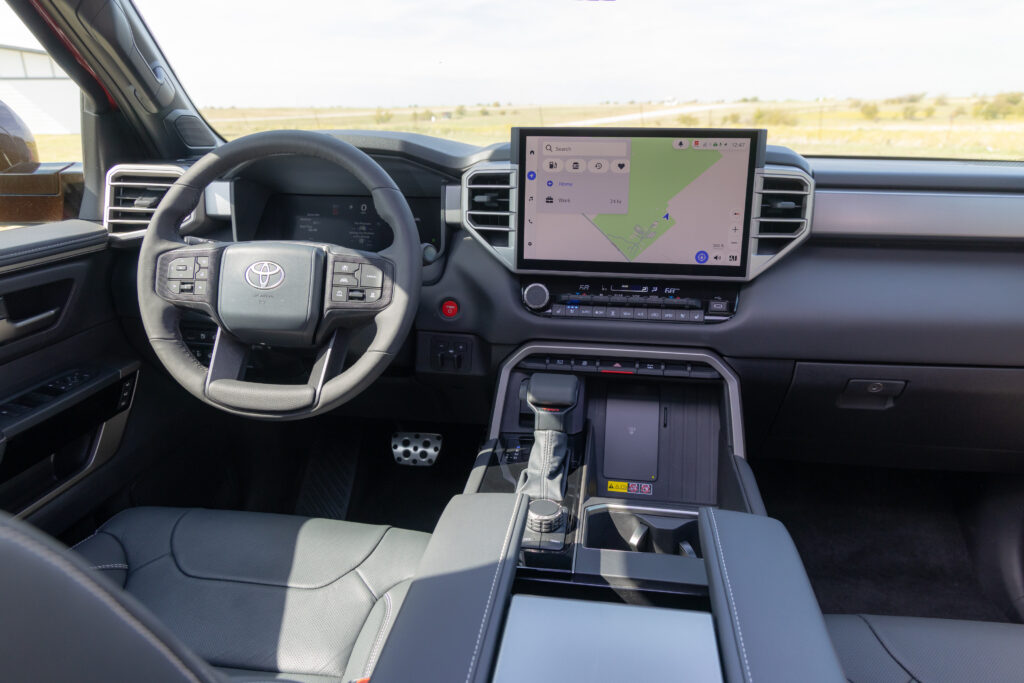
However, a system recording short clips should not automatically be regarded as equivalent to a continuously recording aftermarket dash camera. Owners should investigate triggering, saved footage and storage behavior before depending on it for a particular purpose.
Digital Key compatibility offers another convenience. Supported smartphones can manage vehicle access through their native digital wallets, subject to compatible hardware and Remote Connect eligibility.
The wider software architecture uses Toyota’s Arene platform, developed by Woven by Toyota. Its role includes enabling improvements to connected functionality and supporting over-the-air updates.
The feature buyers should inspect carefully is the connected-services agreement. Toyota includes five-year trials of Remote Connect, Safety Connect and Service Connect. Drive Connect receives a three-month trial, while Wi-Fi Connect has a shorter introductory period.
Those periods are useful, but the long-term value depends on which features owners continue using and what subscriptions subsequently cost. A vehicle’s purchase price tells only part of the technology story.
For context on how Toyota’s broader electrified product strategy affects its vehicles, see our reporting on American manufacturing and hybrid powertrain production.
You may also enjoy: Toyota and Mazda Just Built Their Millionth Car Together
The New Rear-Seat Detection System Deserves Attention
Among the 2027 changes, one of the most consequential has little to do with performance or adventure.
Advanced Rear Seat Reminder uses radar mounted in the headliner to detect certain movement in the second and third rows after the driver has parked and left the vehicle.
Under appropriate conditions, the system can trigger warning sounds, illuminate hazard lights and activate the horn. With the necessary connectivity and subscription, alerts can also reach a phone through messages, notifications or an automated call.
For households transporting young children, this is technology worth understanding. The National Highway Traffic Safety Administration’s heatstroke prevention campaign emphasizes that the interior of a parked vehicle can become dangerously hot very quickly.
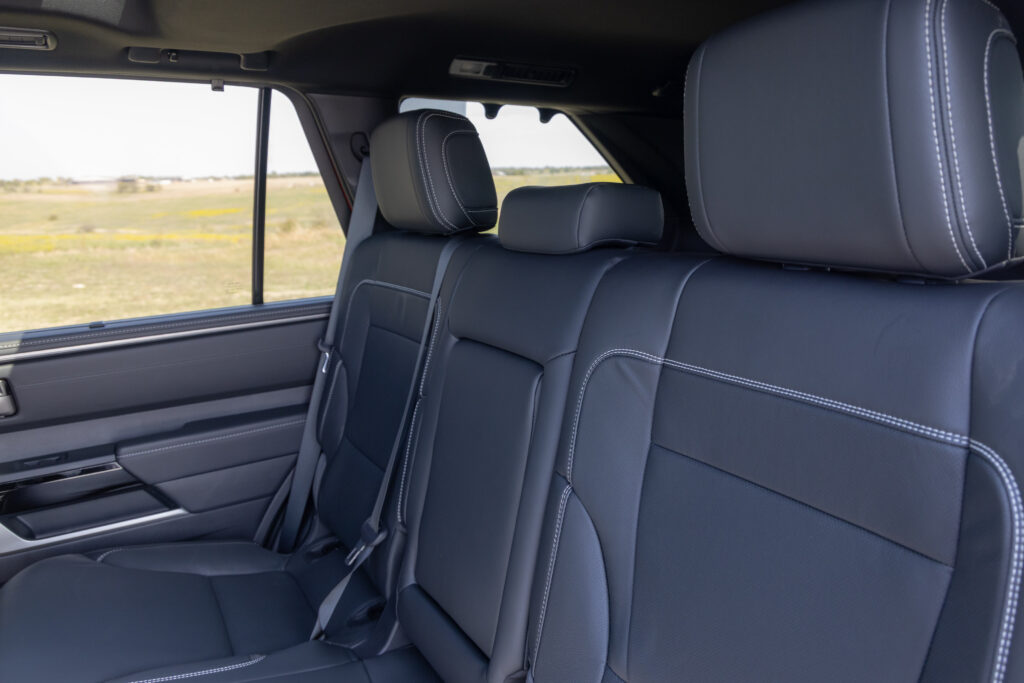
The radar-based approach is potentially more useful than a simple reminder triggered by a rear door being opened before a trip. It attempts to detect actual movement, although Toyota carefully qualifies that detection depends on circumstances.
There are limitations. The system shouldn’t be treated as a guaranteed means of detecting every occupant, and cellular notification features rely on appropriate connected-services conditions.
Owners should continue checking all seating rows before leaving a vehicle. No warning system makes it acceptable to leave a child unattended.
The 2027 Sequoia also includes Toyota Safety Sense 4.0. Features such as pedestrian detection, adaptive cruise control, lane-keeping assistance and automatic high beams add to the standard driver-assistance package.
Toyota’s Emergency Drive Stop System can stop the vehicle in certain circumstances if it determines the driver is unresponsive while Lane Tracing Assist is engaged. As with the towing technology, drivers must understand the conditions under which these functions operate.
For more background, NHTSA’s child vehicle safety resource explains the dangers associated with unattended children, heatstroke and other non-crash incidents.
Which Sequoia Grade Makes the Most Sense?
With six principal grades and a new off-road package, the 2027 Sequoia lineup covers several different kinds of ownership.
The SR5 provides the standard hybrid engine, large touchscreen and essential safety technology. For many families, that makes it the logical starting point, especially if the vehicle’s primary jobs involve carrying passengers, towing occasionally and traveling on paved roads.
Limited adds comfort equipment such as heated and ventilated front seats and SofTex upholstery. That might represent a more worthwhile upgrade for frequent long-distance travel than specialized off-road hardware.
Platinum brings leather-trimmed seating, second-row captain’s chairs, a panoramic moonroof and JBL premium audio. The 1794 adds Western-themed design details, while Capstone moves further toward luxury with semi-aniline leather, acoustic glass and power running boards.
TRD Pro and SR5 Trailhunter should be approached as equipment decisions rather than status symbols. Their appeal depends on the terrain owners expect to tackle and the specific advantages of their hardware.
The Sequoia’s sliding third row and adjustable cargo shelf also deserve a proper examination at the dealership. A three-row SUV can look enormous from outside yet still require compromises when passengers occupy every seat and luggage has to fit behind them.
Bring the actual equipment you expect to carry, whether that’s children’s seats, sports bags or camping supplies. Check how easily the seats move, how much useful cargo space remains and whether all passengers have adequate room.
Before purchasing, compare the Sequoia with alternatives such as the Chevrolet Tahoe, Ford Expedition and Nissan Armada. Buyers should focus on equivalent configurations rather than treating base prices or maximum tow ratings as directly interchangeable.
Different vehicles offer different passenger arrangements, packaging, powertrains and towing characteristics. The Sequoia’s standard hybrid powertrain is a distinctive selling point, but it doesn’t automatically make it the right answer for every household.
My Verdict: The Best Upgrades Are the Ones You’ll Actually Use
What interests me most about the 2027 Toyota Sequoia is that the company has addressed some everyday difficulties associated with owning a large SUV.
Trailer detection, expanded blind-spot monitoring and reversing assistance are all aimed at jobs that can genuinely frustrate drivers. Standardizing the large touchscreen also makes sense, as does adding more sophisticated rear-seat detection.
The Trailhunter package gives outdoor-oriented customers another option, while the revised TRD Pro continues Toyota’s commitment to factory-built off-road vehicles. Both will appeal to particular buyers, although neither should be regarded as necessary equipment for ordinary family motoring.
There are still details worth investigating. Toyota needs to clarify the conflicting published towing maxima. Buyers also need configuration-specific ratings, equipment pricing and a clear understanding of any subscription costs associated with their preferred features.
The Sequoia starts at $69,900 before applicable additional charges, and higher grades move the purchase into substantially more expensive territory. At these prices, customers should expect technology that solves genuine problems rather than simply adding complexity.
The encouraging development is Toyota’s focus on making a very large vehicle more manageable for the people who use it. The most valuable feature on an SUV isn’t necessarily the one that photographs best on a mountain trail. Sometimes it’s the one that helps you reverse a trailer safely into a campsite after a long drive.
That’s the technology I’d be most interested in testing before deciding how much better the 2027 Sequoia really is.