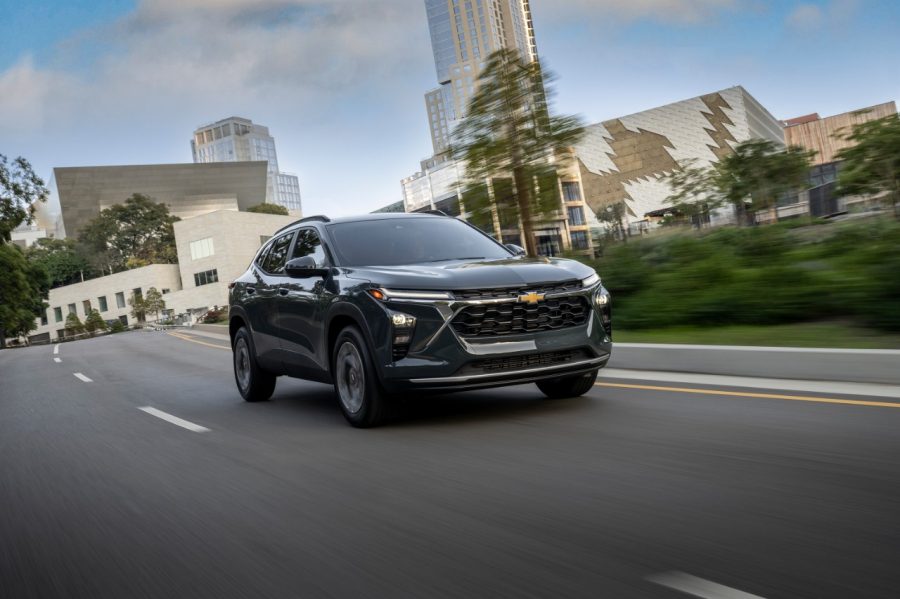
2026 Chevrolet Trax Review: The LT Is the Smart Buy
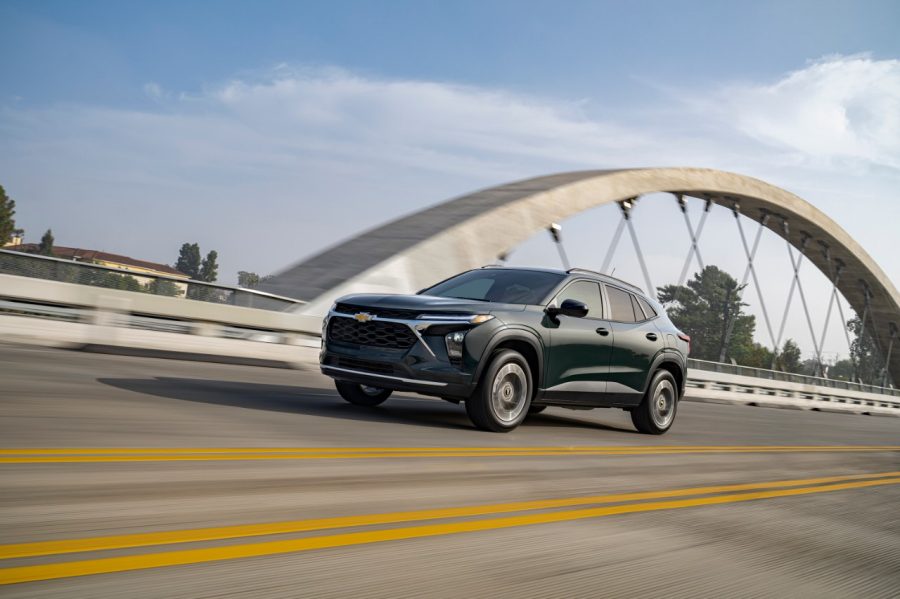
2026 Chevrolet Trax review: Generous space and useful technology make the LT a clever bargain, but its modest engine and safety results warrant a closer look.
By Nik J. Miles
There was a time when buying the least expensive SUV in a Chevrolet showroom meant accepting something that constantly reminded you how little money you had spent.
The 2026 Chevrolet Trax makes a rather different argument.
It has attractive styling, a surprisingly spacious cabin, sensible technology and enough everyday practicality to make some considerably more expensive crossovers seem unnecessary.
Chevrolet advertises the entry-level Trax LS from $21,700, excluding destination charges. That price is part of the attraction, although the real question is how much usable vehicle you get for the money.
My recommendation is the LT. It adds meaningful convenience features without requiring buyers to spend more for sporty styling packages.
The compromises are equally clear. Performance is adequate rather than enthusiastic, there is no all-wheel-drive option, and independent safety testing reveals weaknesses that families should take seriously.
Best for: Budget-conscious commuters, first-time new-car buyers, smaller families and drivers who want useful space without buying a large SUV.
Skip if: You need all-wheel drive, significant towing capability, strong highway passing performance or uniformly high crash-test ratings.
You may also enjoy this video from 2024
Why the 2026 Chevrolet Trax LT Is the One I’d Buy
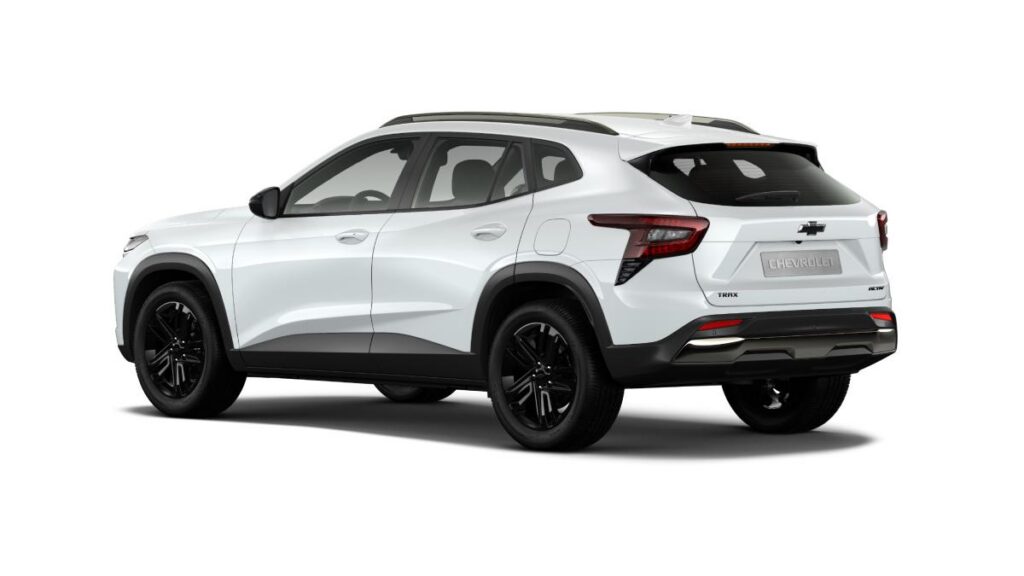
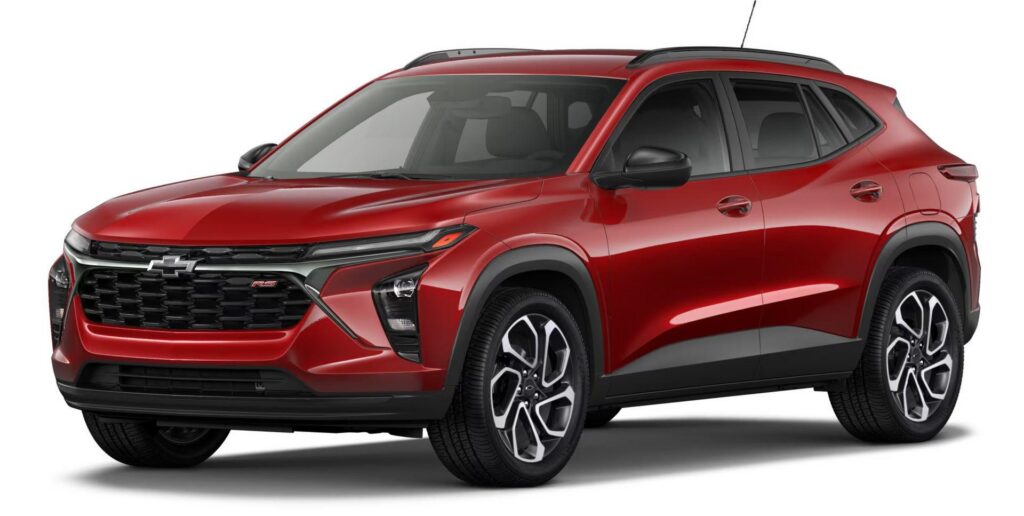
Chevrolet offers five versions of the Trax: LS, 1RS, LT, 2RS and ACTIV.
Every model uses the same turbocharged 1.2-liter three-cylinder engine, six-speed automatic transmission and front-wheel-drive layout.
That means buying a more expensive Trax doesn’t get you additional horsepower.
The LS starts at $21,700 before destination, while the LT starts at $23,200. Both figures are manufacturer’s suggested retail prices rather than final drive-away costs.
The LT adds an 11-inch central touchscreen, 8-inch digital driver display, automatic climate control and remote start.
Those features are worth having because they make daily ownership more convenient.
By comparison, the 2RS and ACTIV begin at $25,700 before destination. Their additional styling and equipment may appeal to some buyers, but they don’t fundamentally change the vehicle’s performance or traction.
The ACTIV looks as though it might enjoy climbing mountains. Mechanically, however, it remains a front-wheel-drive Trax.
A black wheel and an adventurous badge don’t create a locking differential.
For current configurations and equipment, consult Chevrolet’s official Trax model information.
The Surprise Isn’t the Price. It’s the Space
The Trax measures approximately 178.6 inches long. That’s a substantial footprint for an affordable small crossover, and Chevrolet has made particularly good use of its passenger compartment.
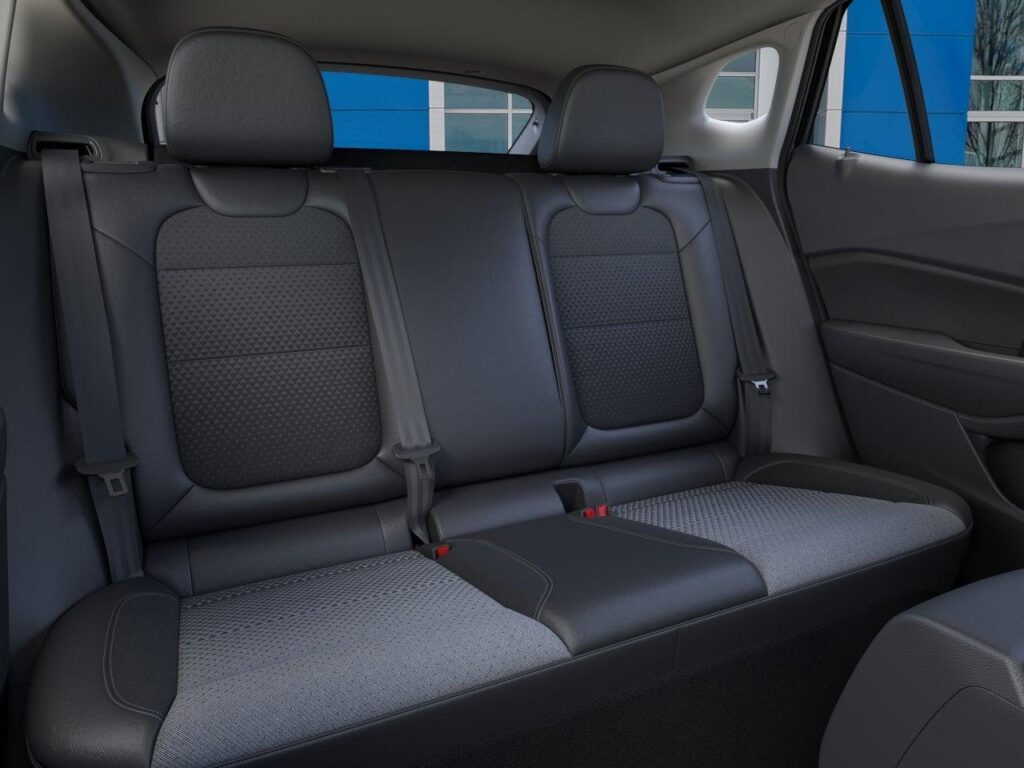
There’s seating for five and useful rear legroom. Adults can use the back seat without the cramped feeling associated with some older compact SUVs.
The cargo area provides 25.6 cubic feet behind the rear seats and approximately 54 cubic feet when they’re folded.
That’s enough capacity for routine shopping, luggage, sports equipment and the collection of mysterious belongings that seems to accompany every family journey.
The 60/40-split rear seat also gives owners flexibility when carrying a combination of passengers and longer objects.
I would still check the shape of the cargo opening before buying. A large dog crate or awkward piece of equipment doesn’t care how impressive the published cubic-foot figure looks.
For buyers who regularly carry more people or larger loads, our 2026 Chevrolet Equinox vehicle analysis explains what a larger Chevrolet offers and whether moving up in size makes financial sense.
But the Trax demonstrates why small crossovers have become so popular. Many households need useful space, not an enormous vehicle.
Driving Impressions: Better Chassis Than Engine
Under the hood is a 1.2-liter turbocharged three-cylinder engine producing 137 horsepower and 162 pound-feet of torque.
A conventional six-speed automatic transmission sends power to the front wheels.
Independent driving evaluations generally agree that the Trax has more capable road manners than its price suggests.
Car and Driver praises its predictable steering, carlike handling and reassuring brake response. Other evaluations also describe a generally composed ride, although some identify noticeable noise and firmness over damaged pavement.
The main compromise is acceleration.
Car and Driver recorded a 0-to-60-mph time of 8.8 seconds in independent instrumented testing. That’s adequate for an affordable small crossover, but it isn’t particularly quick.
The turbocharged engine provides useful response during routine urban driving. When accelerating hard to join a busy freeway or overtake on an incline, the engine needs to work harder.
Its three-cylinder character becomes more apparent under those conditions, and some independent road tests report hesitation or additional vibration.
My assessment is that the chassis deserves a more refined powertrain.
The Trax has the steering, basic suspension tuning and predictable behavior expected of an enjoyable everyday vehicle. A little additional acceleration and less engine noise would make it considerably more satisfying.
Drivers considering a larger crossover with different engine characteristics should read our 2026 Nissan Rogue review before deciding whether additional space and performance justify spending more.
Interior Technology That’s Actually Useful
One of the more convincing features of the Trax is its cabin arrangement.
Chevrolet has given higher trims a modern-looking dashboard without eliminating every conventional control.
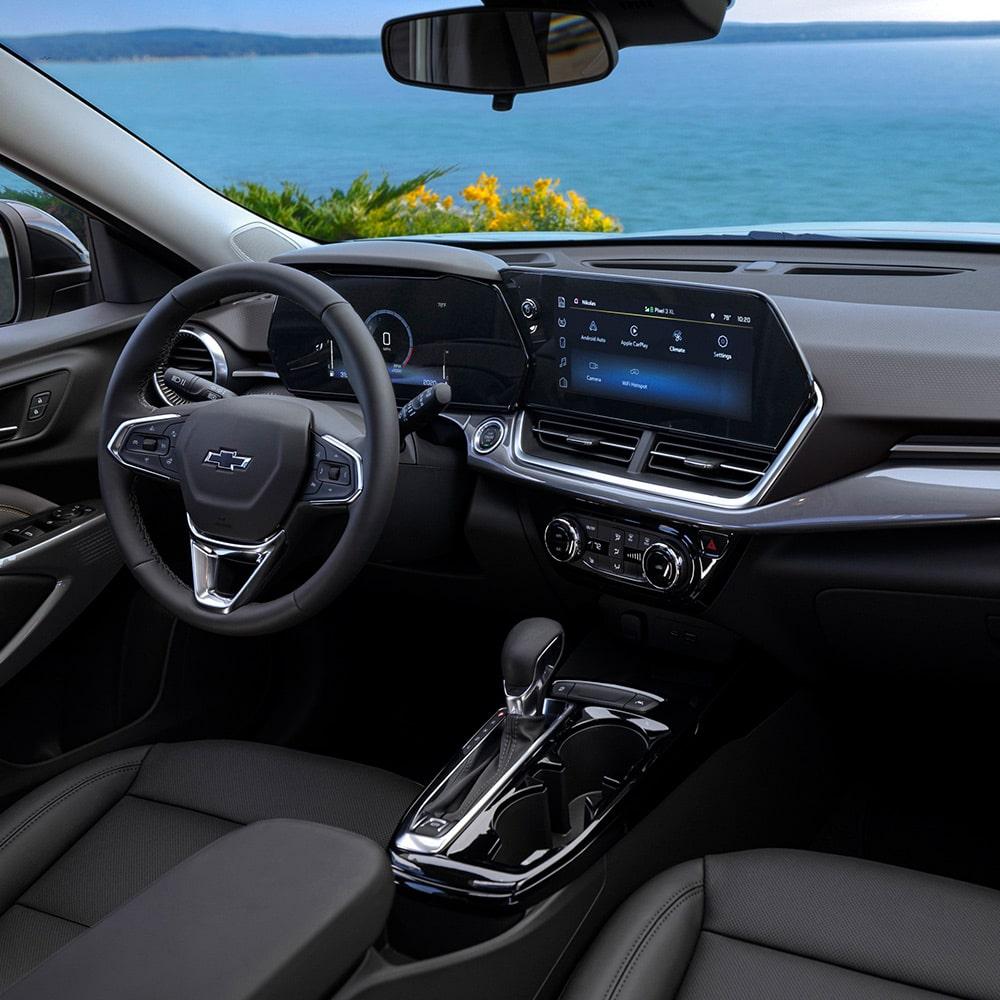
The LT’s 11-inch central touchscreen and 8-inch digital instrument display create a contemporary appearance, while the layout remains relatively straightforward.
Wireless Apple CarPlay and Android Auto compatibility are standard across the range.
That means drivers can use familiar navigation, communication and entertainment applications without buying an expensive infotainment package.
The climate controls are also reasonably conventional.
I’m entirely in favor of modern technology, but having to navigate several menus simply to adjust the temperature is not progress. It is an engineering department creating a problem that a perfectly good button solved decades ago.
The Trax doesn’t pretend to be a luxury vehicle. Hard plastics are common, and some of the interior surfaces feel inexpensive.
That is forgivable in a crossover costing substantially less than many competitors.
What matters is that the cabin has useful storage, accessible controls and enough space to make everyday life easier.
Fuel Economy: Good Without Being a Hybrid
The 2026 Chevrolet Trax has EPA-estimated fuel economy of 28 mpg city, 32 mpg highway and 30 mpg combined.
Those are official estimates rather than original Test Miles test results.
The conventional gasoline powertrain means owners don’t need to charge a battery or learn a different fueling routine.
The trade-off is that the Trax cannot match the urban efficiency of some dedicated hybrid vehicles.
Drivers covering substantial mileage should calculate their annual fuel costs rather than judging efficiency solely from the number printed on a window sticker.
The federal government’s FuelEconomy.gov resource provides standardized vehicle efficiency data and information to help buyers compare gasoline consumption.
For an alternative approach to economical transportation, read our 2026 Toyota Corolla Hybrid review.
The Corolla Hybrid is a sedan rather than an SUV, but it provides an interesting comparison for buyers who care more about everyday running costs than carrying tall cargo.

Safety: The Results Are Mixed, and Families Should Know
Chevrolet includes Chevy Safety Assist across the Trax lineup.
Standard equipment includes automatic emergency braking, front pedestrian braking, forward collision alert, lane-keeping assistance with lane-departure warning, automatic high beams and a following-distance indicator.
Optional driver-assistance equipment includes blind-zone monitoring, rear cross-traffic alert and adaptive cruise control, depending on configuration.
These features provide useful assistance, but they should not be mistaken for fully automated driving.
More importantly, having electronic safety equipment doesn’t automatically guarantee excellent crash-test results.
According to the Insurance Institute for Highway Safety’s 2026 Chevrolet Trax ratings, the vehicle earns a Good rating in the small-overlap front evaluation and a Good rating in the updated side-impact test.
However, the updated moderate-overlap front crash test produces a Poor rating.
IIHS identifies particularly concerning injury measurements involving the rear passenger’s head and neck, with a Marginal assessment for chest protection.
The standard front crash-prevention system also receives a Poor rating in the institute’s updated vehicle-to-vehicle evaluation and a Marginal rating for pedestrian detection.
Those findings deserve careful consideration, especially for families regularly carrying children or adults in the back.
The results don’t mean every aspect of the Trax is unsafe. They show that its crash protection and prevention performance are not equally strong across every test.
For additional federal crash-test information and current safety recalls, buyers can consult the National Highway Traffic Safety Administration.
Safety is too important to judge by the length of a manufacturer’s equipment list.
What If You Need All-Wheel Drive?
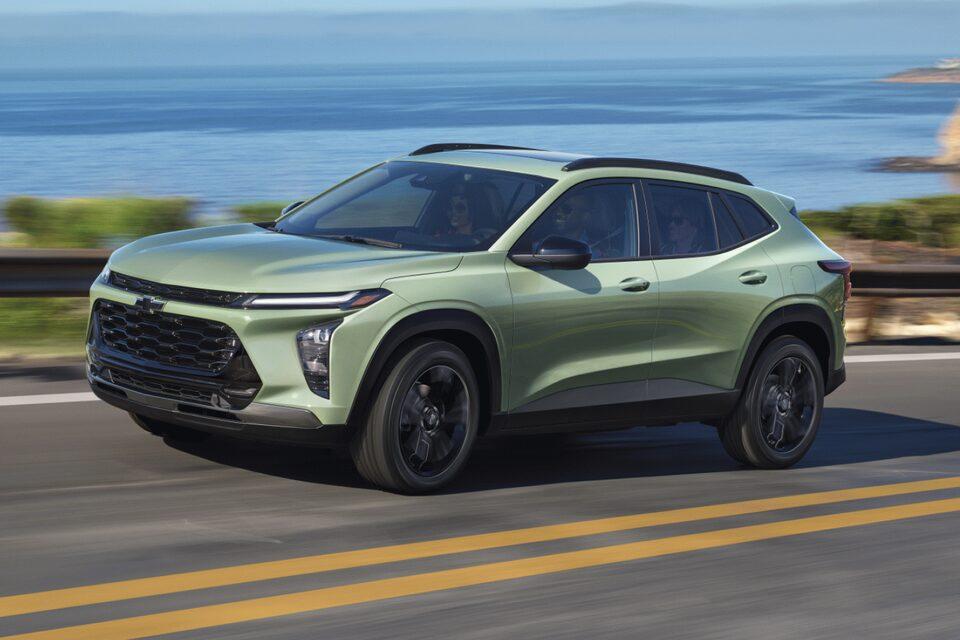
The Trax is available exclusively with front-wheel drive.
For drivers living in areas with relatively mild weather, that may not create a problem.
Good tires, appropriate driving technique and electronic stability control are important regardless of drivetrain.
But all-wheel drive can help drivers move away from a stop or maintain traction in certain slippery conditions.
If that capability is essential, the Trax should not be your first choice.
I’d examine the Subaru Crosstrek, which offers standard all-wheel drive and a different approach to utility and rough-weather driving.
Our 2026 Subaru Crosstrek vehicle analysis considers the equipment and purchasing decisions that matter most.
Buyers should remember that all-wheel drive improves propulsion traction under some conditions. It does not shorten braking distances on slippery roads or eliminate the need for appropriate tires.
How Does the Trax Compare With the Toyota RAV4?
One of the most common buying mistakes is comparing vehicles solely by their appearance.
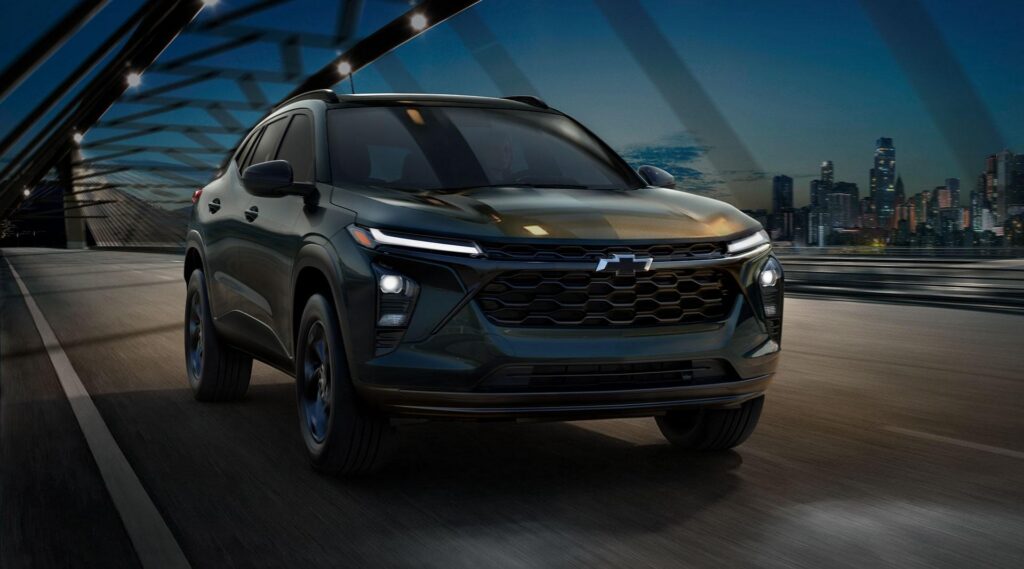
The Trax and Toyota RAV4 are both compact-looking SUVs, but they occupy different price and capability positions.
The RAV4 offers a larger, more powerful hybrid-oriented package, while the Trax concentrates on affordability and straightforward gasoline-powered transportation.
The Chevrolet’s lower starting price is a meaningful advantage for buyers who don’t need additional power, available all-wheel drive or a larger vehicle.
The Toyota may make more sense for drivers who cover significant mileage, regularly transport larger loads or want hybrid efficiency.
Read our 2026 Toyota RAV4 review for a closer look at the larger vehicle and the trims worth considering.
The important question isn’t which SUV is universally better.
It’s whether spending considerably more money will solve a problem you actually have.
What Chevrolet Needs to Improve Next
The current Trax gets a surprising number of basic decisions right, so Chevrolet shouldn’t abandon the formula.
But the next generation needs several meaningful improvements.
First, crash protection and collision-avoidance performance should be priorities. The shortcomings identified by IIHS deserve engineering attention, particularly rear-passenger protection in the updated moderate-overlap front test.
Second, I’d improve the engine’s responsiveness and refinement.
The existing 137-horsepower three-cylinder is sufficient for normal use, but stronger acceleration when merging and overtaking would make the Trax more confidence-inspiring on fast highways.
Third, better sound insulation would improve the experience on longer journeys.
Fourth, the seats and suspension could benefit from additional refinement, particularly on rough pavement.
Fifth, an all-wheel-drive option could expand the vehicle’s appeal, provided Chevrolet could keep the additional cost manageable.
A hybrid powertrain would also be worth exploring, although pricing would be crucial.
What Chevrolet absolutely should not do is transform the Trax into another expensive small crossover filled with unnecessary technology.
Its greatest achievement is delivering useful transportation without demanding an enormous purchase price.
My Verdict: Buy the LT and Keep the Change
The 2026 Chevrolet Trax is a convincing example of how manufacturers can make affordable vehicles desirable.
It provides more passenger and luggage space than many buyers might expect, includes useful technology and has generally competent road manners.
It isn’t particularly fast, and the engine can feel strained when asked for substantial acceleration.
There are also safety-test weaknesses that every prospective buyer should examine carefully.
But for somebody who needs an economical, practical crossover rather than a status symbol, the Trax is a strong candidate.
I’d choose the LT because it offers the everyday conveniences that matter without paying extra for styling packages.
Spend the money you save on good tires, proper maintenance and something enjoyable that has nothing to do with your car.
Chevrolet has demonstrated that affordable transportation can still be attractive.
The next step is making it safer and more refined without making it expensive.
2026 Chevrolet Trax Frequently Asked Questions
Is the 2026 Chevrolet Trax worth buying?
Yes, if affordability, interior space and everyday convenience are your priorities. The LT is particularly appealing because it offers useful technology without reaching the highest trim prices. Buyers should examine its independent safety ratings and modest engine performance before purchasing.
What is the best 2026 Chevrolet Trax trim?
The LT is my recommendation. It starts at $23,200 before destination and includes an 11-inch touchscreen, digital driver display, automatic climate control and remote start. The more expensive 2RS and ACTIV don’t provide additional engine performance.
Does the 2026 Chevrolet Trax offer all-wheel drive?
No. Every 2026 Trax is front-wheel drive. Buyers requiring all-wheel-drive capability should consider alternatives such as the Subaru Crosstrek or Chevrolet Trailblazer, depending on equipment and budget.
How economical is the Chevrolet Trax?
The EPA estimates 28 mpg city, 32 mpg highway and 30 mpg combined. Actual consumption will vary with speed, terrain, temperature and driving habits. These are official estimates, not original Test Miles fuel-economy measurements.
Can the Chevrolet Trax tow a trailer?
Chevrolet does not provide a manufacturer towing rating for the 2026 Trax. Buyers planning to tow should choose a vehicle specifically rated for the intended trailer and load rather than relying on the Trax’s available cargo capacity.
Is the 2026 Chevrolet Trax safe?
Its independent safety results are mixed. IIHS rates its small-overlap front and updated side-impact protection Good, but gives it a Poor rating in the updated moderate-overlap front crash test. Families should review those detailed findings, particularly concerning rear-passenger protection.