Honda wireless road charging: Follow the Freight Money
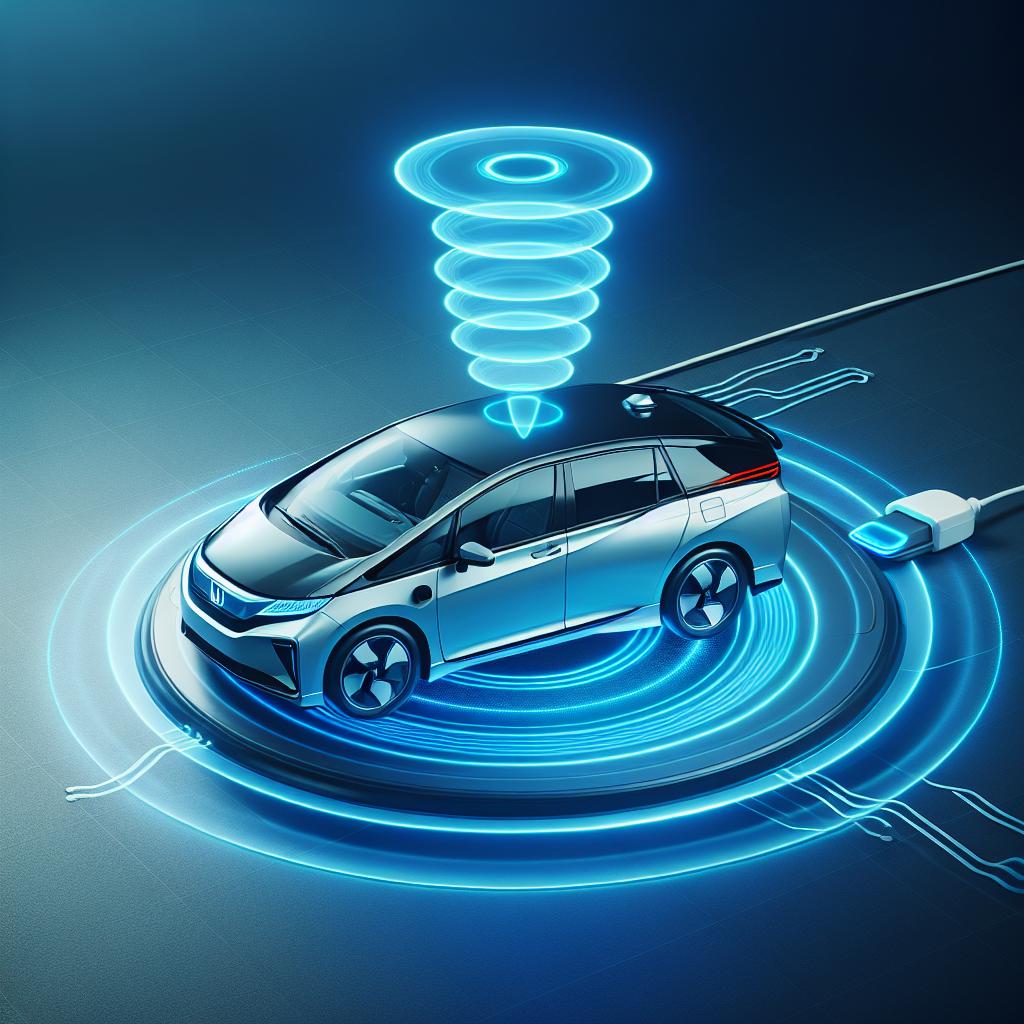
Honda wireless road charging targets moving electric trucks, but its real test is whether the infrastructure can earn its keep.
I would judge Honda’s latest charging idea by a fleet manager’s spreadsheet. Sending electricity into a moving truck is impressive engineering. Making the equipment economical to install, maintain and use would give it a much stronger reason to exist.
That distinction also helps explain an apparent contradiction at Honda. The company has pulled back sharply on specific electric-car investments while continuing research into infrastructure for electric vehicles. Different projects face different customers, timelines and financial tests.
You may also like this video:
A retreat that needs a precise description
On March 12, 2026, Honda announced the cancellation of three planned North American EVs: the Honda 0 SUV, Honda 0 Saloon and Acura RSX. Its explanation included changing market conditions, weaker EV demand and pressure on the profitability of its automobile business.
You may also enjoy: Honda Pulls Plug on 3 EVs Amid Market Reality Check
Calling that a major reversal is fair. Calling it the abandonment of everything electric goes further than the evidence supports. Honda’s continuing wireless-power work is one example of why the distinction matters.
My view is that Honda’s immediate product decisions and its longer research bets should be assessed separately. A canceled showroom vehicle has direct consequences for shoppers. An experimental charging road could spend years proving its usefulness before anybody builds a business around it.
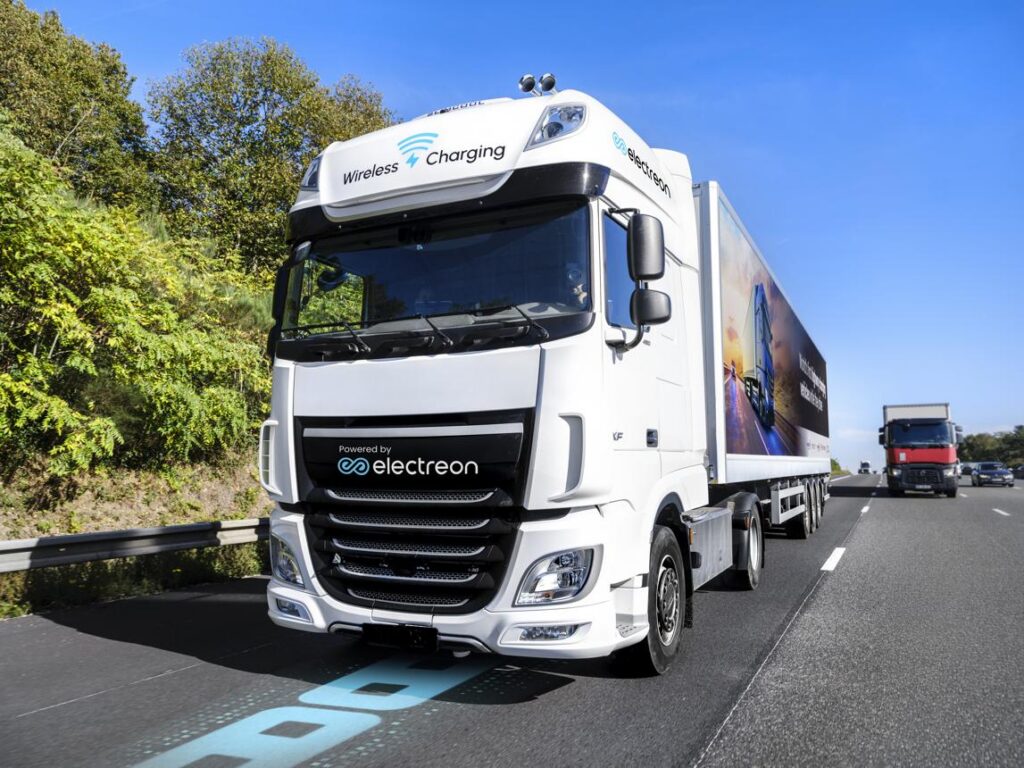
Honda wireless road charging starts with utilization
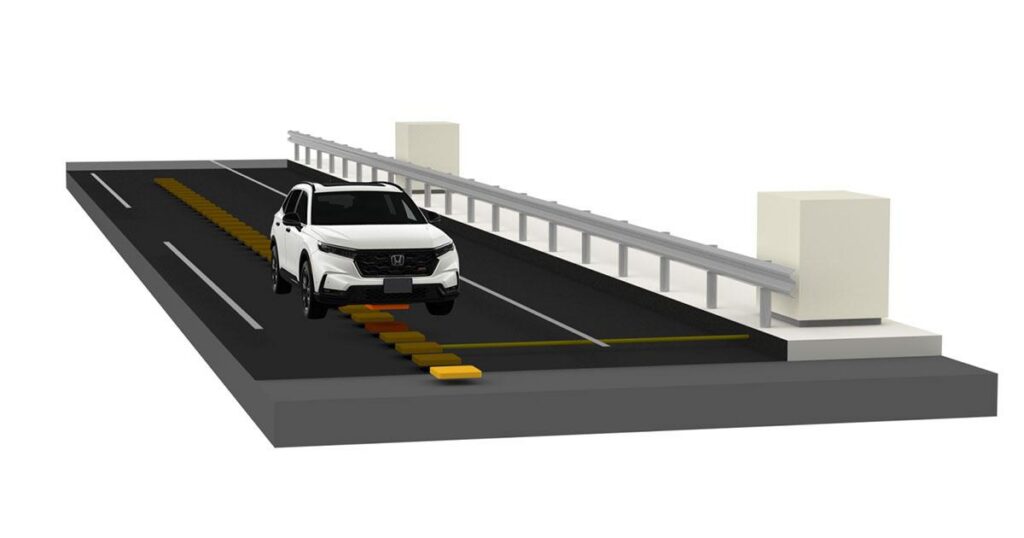
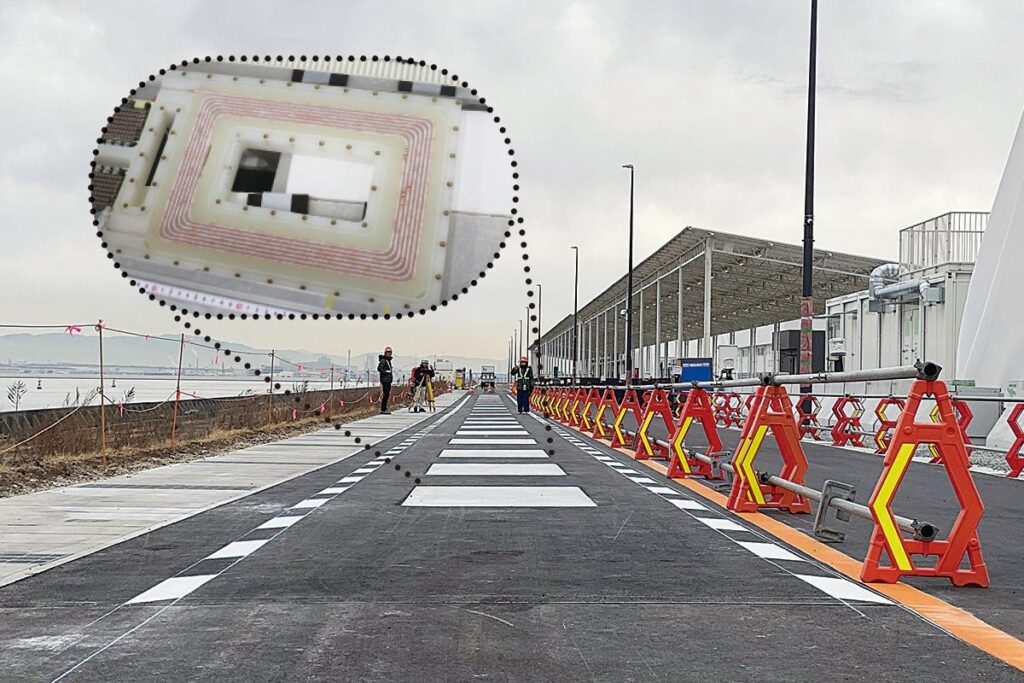
Honda identifies commercial transport as its initial commercialization target. Its partners are preparing for public-road testing on Japan’s Tateyama Expressway from fiscal 2027 onward. This is a development program, with technical and operational questions still being investigated.
The opportunity is easier to understand through truck utilization than passenger-car convenience. If charging interrupts productive work, supplying energy during travel could have value. If a truck already has sufficient idle time beside an affordable depot charger, the argument becomes less obvious.
You may also enjoy: IONNA Charging Network Doubles Size, Tops JD Power
Route selection would be crucial. As an analytical example, a busy freight corridor used repeatedly by an equipped fleet offers more opportunities to recover infrastructure costs than a lightly traveled road. High utilization could help the economics; it would not automatically guarantee them.
The power figure needs a clock beside it
Honda describes development toward 150 kilowatts of instantaneous peak output per ground unit. That wording deserves attention: peak power is not a published guarantee of continuous energy delivered to a truck throughout an entire journey.
Here is a hypothetical calculation, not a Honda test result. Receiving a steady 150 kilowatts for ten minutes would transfer 25 kilowatt-hours. Actual battery gain would depend on how long the system supplies power, conversion losses and how much electricity the moving vehicle consumes.
A truck could therefore receive useful power without its battery charge level rising. Offsetting some driving consumption could still extend operating range. The useful measurement is net energy over the route, alongside cost and reliability.
America provides a real comparison. Indiana’s transportation department reports a 190-kilowatt highway demonstration involving a Cummins truck at 65 mph. Different equipment and test conditions prevent that number from serving as a simple ranking against Honda’s development target.
The expensive component may be the road
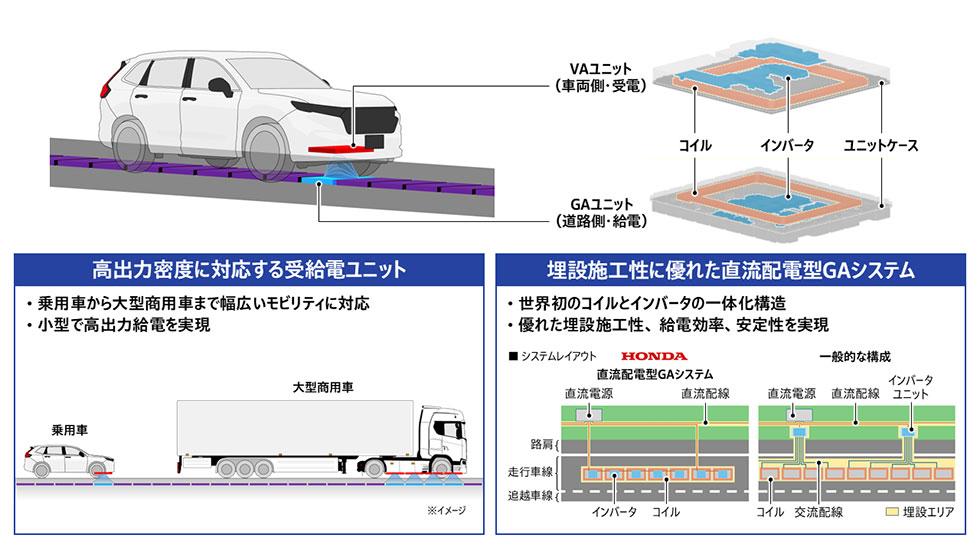
Honda’s approach integrates power electronics with the road transmitter units and distributes direct-current electricity between them. The company presents installation and maintenance advantages as important development objectives.
That is where I would concentrate the next round of questions. A smaller component is useful, but the business case must include excavation, traffic management, electrical connections, repairs and eventual replacement. A clever coil still needs somebody to pay for the lane closure.
The Department of Energy’s charging infrastructure planning guidance identifies installation, electricity, maintenance and utility coordination as material considerations. Its conventional-charging guidance does not price Honda’s road; it illustrates why equipment specifications alone cannot establish ownership cost.
You may also enjoy: Honda’s Next Move: Hybrids, EVs, and Supply
Safety and durability evidence matter just as much. Honda’s announced program includes further investigation of electromagnetic leakage and pavement loading. Until those results are available, claims about dependable long-term operation should remain clearly separated from development goals.
Wireless has several meanings
Michigan’s Detroit charging roadway demonstrates the moving-vehicle concept on a public street. Oak Ridge National Laboratory’s 270-kilowatt charging research demonstrates high-power wireless transfer to a passenger vehicle. Those are useful reference points, with different operating conditions.
Removing a cable from a stationary charging session and supplying a vehicle traveling at highway speed solve different practical problems. Neither achievement means an unequipped production car can collect electricity from whichever charging road it encounters.
For shoppers, my recommendation is simple: evaluate infrastructure available for your actual journeys. Treat future road charging as a possible development rather than a reason to accept inconvenient charging arrangements today.
You may also enjoy: 2026 Honda Accord Review: Buy the EX-L Hybrid
A conventional hybrid remains another option for drivers whose circumstances favor gasoline refueling. As the Energy Department explains, hybrid electric vehicles recharge through their engine and regenerative braking rather than an external plug.
You may also enjoy: 2026 Honda Civic Review: Hybrid Is the Smart Buy
Honda can pursue that familiar ownership proposition while investigating a very different answer for freight. The question is whether each approach delivers enough benefit to its intended customer to justify the money involved.
Affiliate shopping: If you are shopping for all-weather floor mats, Shop OEDRO directly or Shop OEDRO on Amazon. Use code NIKM20 at the OEDRO official store. Check current code terms and vehicle fitment before ordering. Test Miles may earn a commission from purchases made through these affiliate links.
I want to see delivered energy, operating availability and cost per truck-mile from Honda’s road project. Those results would reveal whether it deserves a place alongside depot charging and roadside stations. Until then, the engineering offers a plausible opportunity—and the commercial verdict remains open.