Tesla Cybercab: The Car You Can’t Drive Yourself
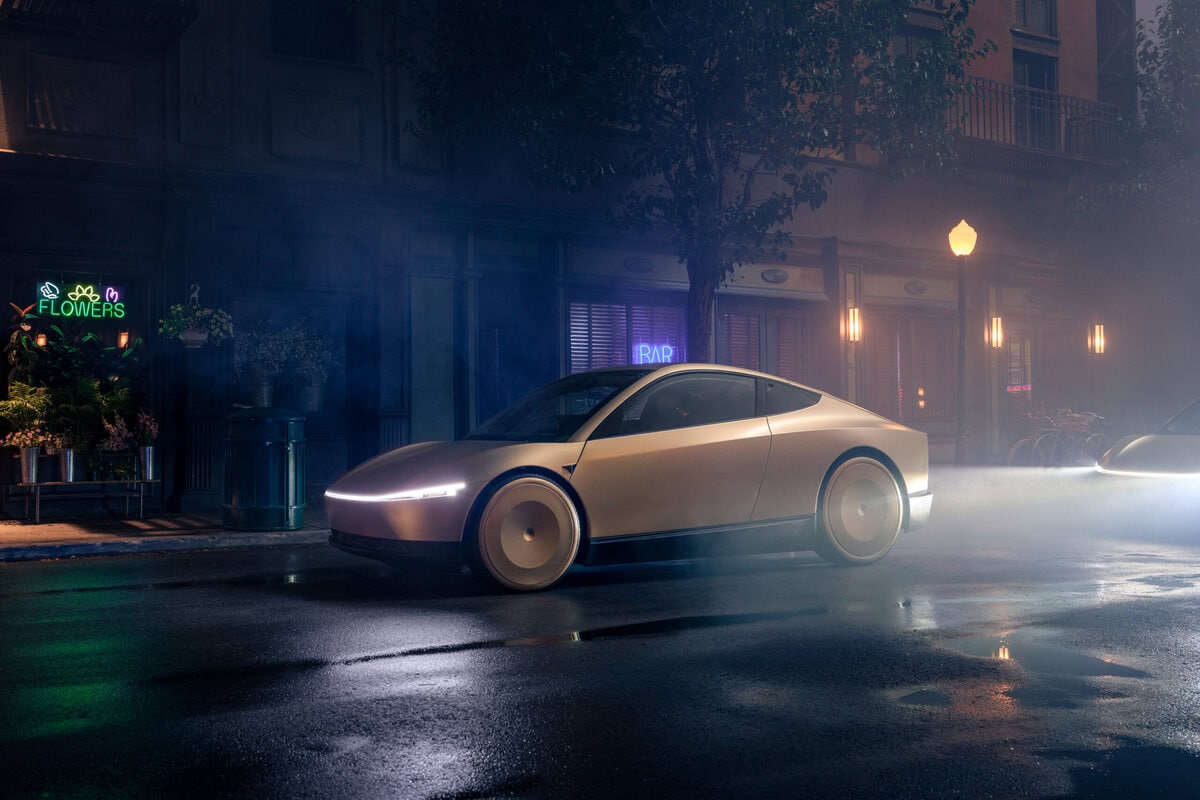
The Tesla Cybercab could reach customers before 2026 ends, but federal safety questions raise a bigger issue: would you trust a car you cannot control?
I’ve always believed one of the great pleasures of an automobile is that it gives you freedom. You decide where to go, which road to take and, occasionally, whether that interesting-looking turn deserves a little investigation.
Tesla has developed a vehicle that challenges that entire relationship.
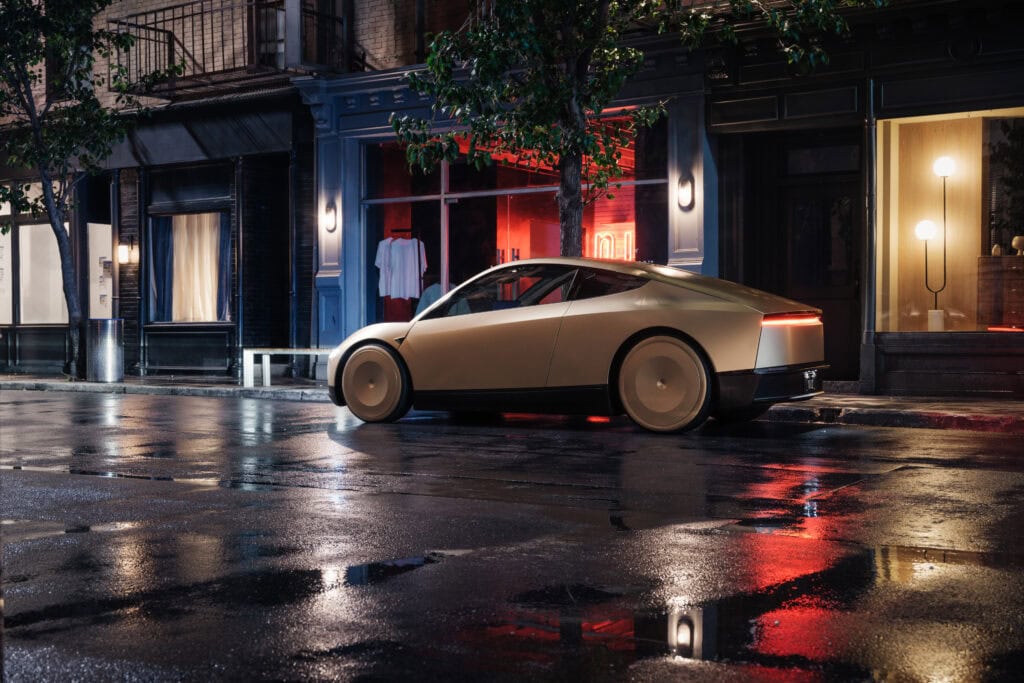
The Cybercab has no steering wheel. No accelerator pedal. No brake pedal. You sit inside, tell it where you want to go and leave the driving to the computer.
Now Tesla wants to begin selling these vehicles to customers before the end of 2026. That’s an extraordinary ambition, especially considering that the federal government is examining how Cybercab complies with existing vehicle safety requirements.
And here’s my question: Are we ready to buy a car that we’re physically incapable of driving?
You may also enjoy this video:
Tesla Cybercab Sales Are Moving Toward Customers
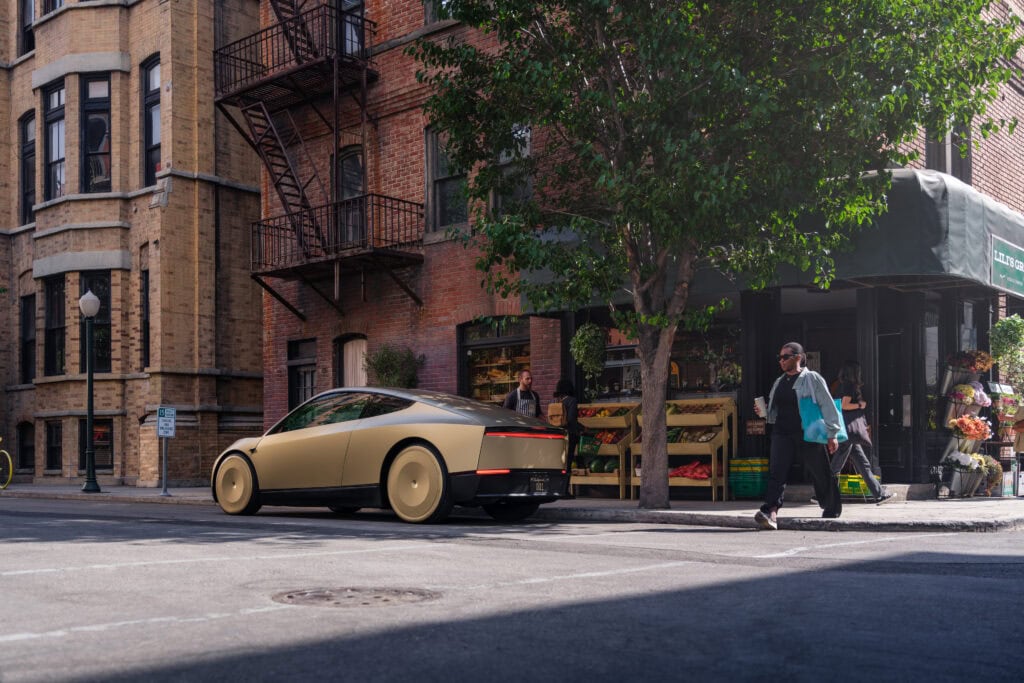
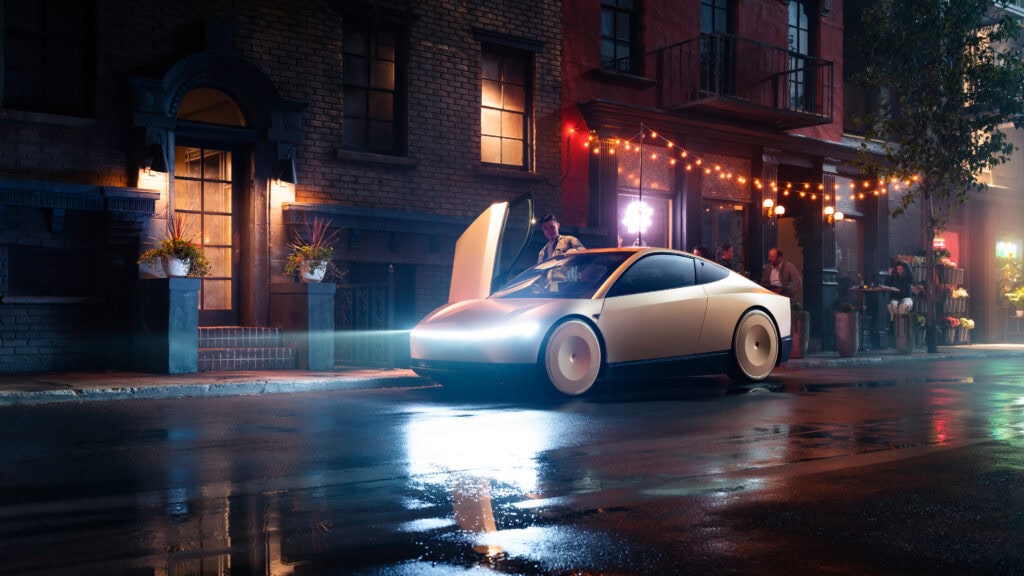
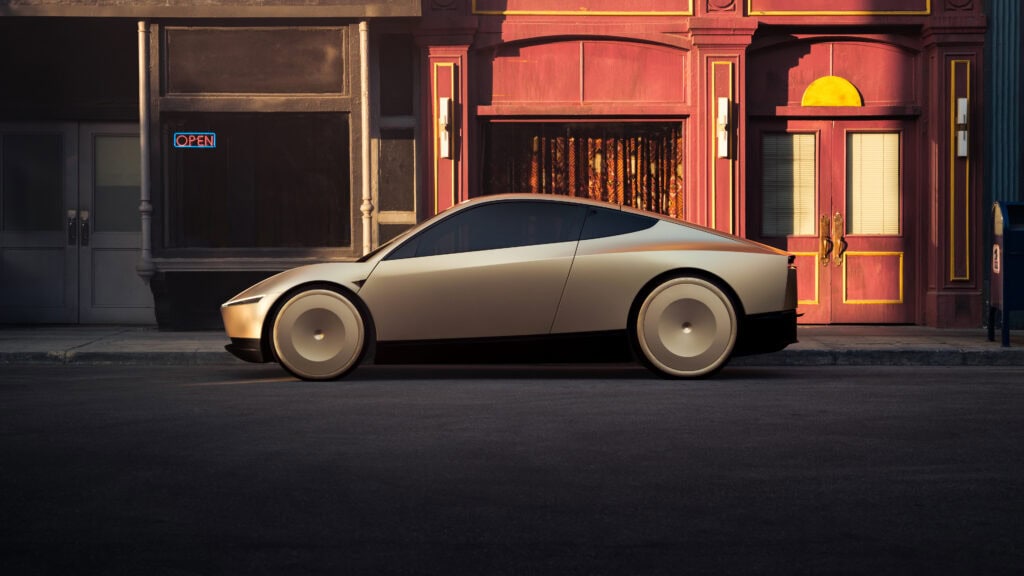
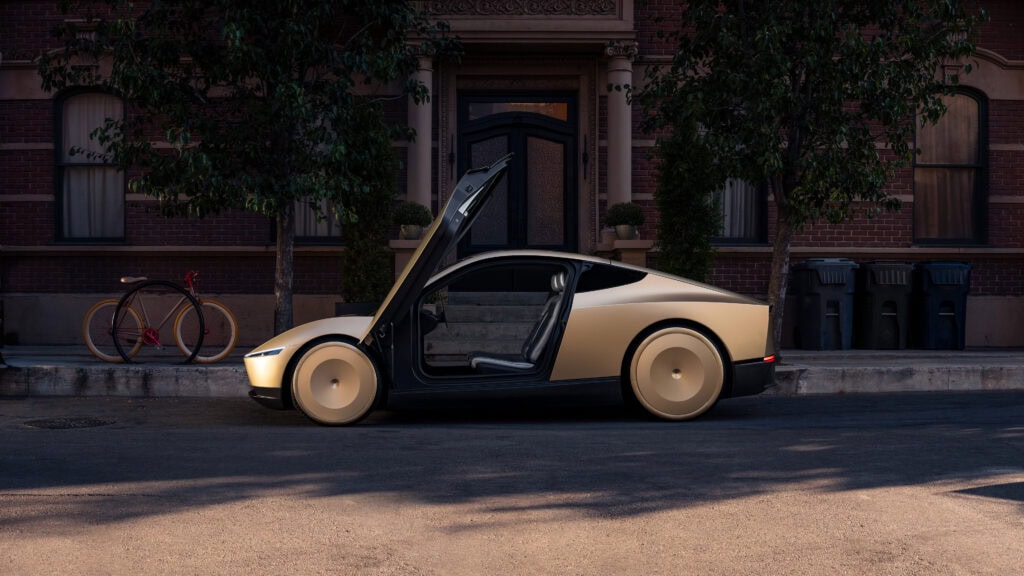
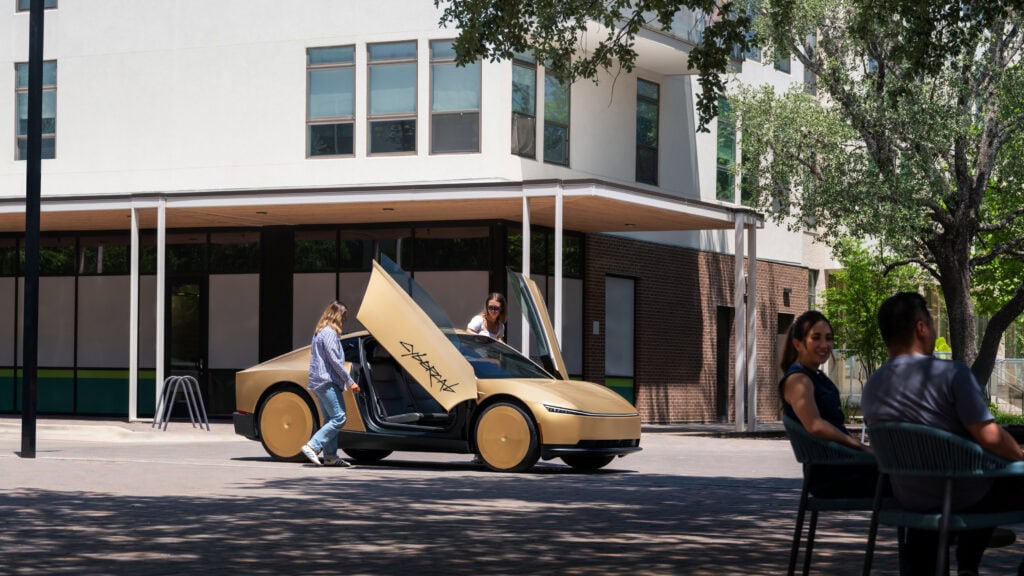
The two-seat Cybercab is purpose-built for autonomous transportation. Its design eliminates conventional driver controls and incorporates upward-opening doors, a passenger-focused cabin and an automated driving system intended to handle the journey.
Tesla has already introduced Cybercabs into its robotaxi operations in Austin, Texas. That matters because operating vehicles with real passengers provides a different challenge from displaying prototypes or demonstrating technology at a controlled event.
Nevertheless, a company-managed robotaxi and a privately owned Cybercab aren’t interchangeable products.
With a robotaxi, the operator can limit where the vehicle travels, establish support procedures and decide when conditions make a journey unsuitable. Individual ownership potentially introduces far more unpredictable demands.
Suppose you want to visit a friend on a rural road, travel through a mountain pass or make an unexpected detour. Your new automobile must either manage those circumstances or explain why it cannot.
That’s where Tesla’s ambitious product concept meets the less glamorous realities of everyday transportation.
You may also enjoy: Tesla Cybercab Could Change Who Drives Your Uber
Why Federal Regulators Are Investigating Cybercab
On September 4, 2026, the National Highway Traffic Safety Administration opened an Audit Query concerning Tesla’s certification that Cybercab meets applicable federal vehicle safety requirements.
That isn’t a declaration that the vehicle is unsafe or illegal. It’s a formal examination of the technical information and decisions supporting Tesla’s certification.
American manufacturers normally certify compliance with applicable vehicle safety standards, with federal oversight available to investigate potential problems.
Many requirements were established when automobiles necessarily had human drivers. Removing the steering wheel and pedals raises questions about how provisions designed around human operation apply.
Federal officials are separately considering updated brake-pedal requirements for vehicles that will never be manually driven. On October 23, NHTSA also proposed revised lighting standards for automated vehicles, including optional cyan identification lamps.
These proposals are evidence of a changing regulatory system, not proof that every question about Cybercab has been settled.
You may also enjoy: Tesla Robotaxi School Zone Speeding: Can AI Be Trusted?
What Makes a Driverless Car Different?
There is an important distinction between the Full Self-Driving (Supervised) technology available in conventional Tesla vehicles and the fully automated driving capability Cybercab is designed to provide.
Supervised assistance still requires an attentive human driver. Under the SAE automation framework, Level 4 systems perform the driving task without expecting human intervention within defined operating conditions.
The phrase “defined operating conditions” deserves more attention than it usually receives.
It can mean restrictions involving geography, weather, road types or operating circumstances. A car that works beautifully within one metropolitan area isn’t automatically ready for every journey an American owner might attempt.
Without manual controls, the owner has no conventional fallback when an automated system encounters something outside its capabilities.
That makes the software’s operating limits a fundamental part of the vehicle’s usefulness, just like range, seating capacity or cargo space.
You may also enjoy: GM Says Eyes-Off Driving Is Coming Soon
The Questions I’d Ask Before Buying a Tesla Cybercab
If Tesla offered me a Cybercab tomorrow, I wouldn’t begin by asking how futuristic it looked. I’d want specific answers about what owning it would actually involve.
First, where can it legally and reliably travel? Is it limited to designated service areas, or can it handle a journey across several states?
Second, what happens when weather deteriorates, the road closes or the navigation system cannot identify a suitable route?
Third, who takes responsibility when the vehicle requires assistance? A conventional driver can make a judgment, turn around or contact roadside assistance while retaining physical control. A Cybercab depends on a different recovery process.
I’d also want confirmed pricing, insurance arrangements, software terms and maintenance responsibilities. Tesla’s proposed year-end delivery timing doesn’t answer those ownership questions.
Safety transparency matters as well. Federal automated-vehicle crash reporting provides information about certain incidents, although interpreting those reports requires care because operating conditions, exposure and reporting requirements vary.
None of these concerns means Cybercab cannot ultimately succeed. They establish what Tesla should demonstrate before ordinary customers make a substantial financial commitment.
You may also enjoy: Waymo’s Chinese Cars Reveal a US Import Loophole
Could Tesla Cybercab Change the Way We Own Cars?
Possibly, and that’s the most interesting part of the project.
For someone unable to drive because of age, disability or another circumstance, dependable autonomous transportation could provide meaningful independence.
For fleet operators, removing the human driver could eventually change how vehicles are scheduled, maintained and deployed.
But I wouldn’t confuse those opportunities with a guarantee that individual ownership will be attractive.
In fact, a dependable robotaxi subscription might make more sense for some customers than owning a specialized vehicle that cannot operate everywhere.
Think about how many people already prefer calling transportation when necessary rather than paying for parking, maintenance, insurance and depreciation throughout the year.
That is the ownership comparison Tesla will eventually need to address.
You may also enjoy: Hyundai Robotaxis: Why Waymo and Motional Both Matter
A Practical Shopping Note
Test Miles shopping: For drivers keeping a conventional vehicle, all-weather floor mats are one practical accessory worth considering when protecting the interior from everyday dirt and wet shoes. Shop OEDRO directly or Shop OEDRO on Amazon. Use code NIKM20 at the OEDRO official store. Confirm fitment and terms before ordering. Test Miles may earn a commission from purchases made through these affiliate links.
The Real Test Is Trust, Not Technology
I admire the ambition behind Tesla’s Cybercab. Challenging the conventional design of an automobile is worthwhile, especially if the result eventually provides reliable transportation to people who need it.
But a vehicle’s usefulness depends on more than whether its computer can perform impressive driving maneuvers.
It must work predictably, communicate its limitations and have practical arrangements for situations when a journey cannot continue.
Tesla’s federal certification inquiry adds another important consideration: the rules governing such vehicles must be satisfied even as regulators modernize them.
For now, my advice is straightforward. Enjoy watching the technology develop, but don’t treat a proposed sales date as evidence of a complete ownership proposition.
Before buying a Cybercab, I’d want independent safety evidence, established operating boundaries, clear ownership costs and confidence that the vehicle could perform the trips I actually need.
I’ve driven some extraordinary automobiles over the years, and occasionally I’ve wished the car could take over for a while.
But there’s something rather reassuring about knowing that, if necessary, I can still take the wheel.
With the Tesla Cybercab, that option simply doesn’t exist. And before spending my own money, I’d want to be absolutely certain I wouldn’t need it.