ADAS Calibration: When a Simple Repair Takes Longer
ADAS Calibration: When a Simple Repair Takes Longer
ADAS calibration can add a second act to ordinary repairs. Here’s why cameras, windshields and alignments can keep a modern car in the shop.
ADAS calibration has become part of ordinary car repair
There is a familiar sound in an old-car conversation: a tool hits the bench, someone sighs, and the phrase “they’ve made it too complicated” arrives before the kettle boils. Sometimes that complaint is nostalgia talking. Modern cars stop, steer and warn in ways an older car could not. The more useful question is narrower: when a repair touches a sensor, how much work now happens after the part is fitted?
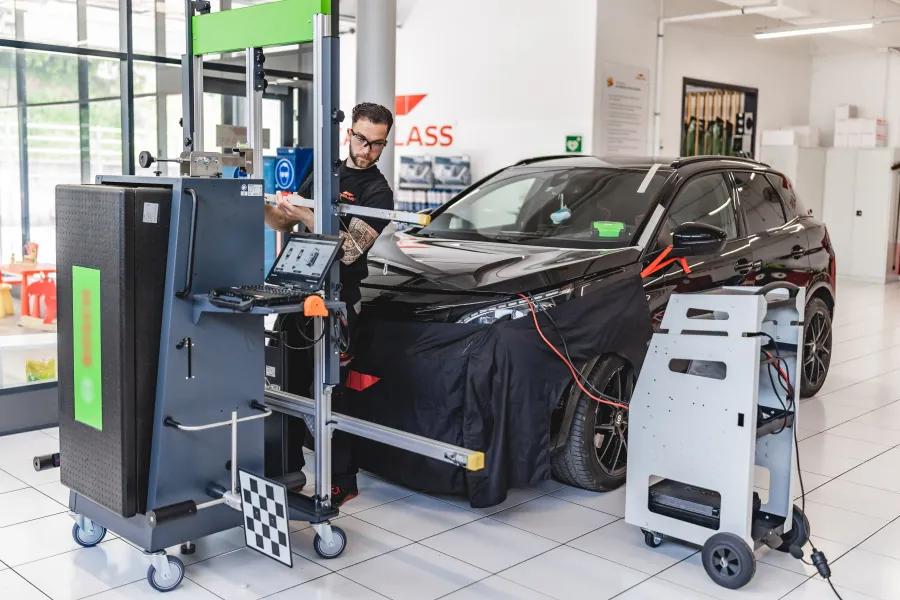
On many vehicles, the answer can include a scan, a calibration, a controlled test drive and a second check that the system has accepted its new reference. That is a different job from tightening a fastener, and it can turn a straightforward repair into a process with more steps, equipment and conditions. The technology may improve safety; the service workflow has to make sure it still sees the road correctly.
The National Highway Traffic Safety Administration’s safety ratings program is expanding its treatment of driver-assistance features, including lane keeping and pedestrian automatic emergency braking. Those systems rely on sensors whose position and view matter. The work after repair is not paperwork for its own sake: a camera pointed a little off can misunderstand where a lane or hazard is.
You may also enjoy: 2025 Car Buyers Want Autonomy and Safety Tech
A windshield job can acquire a second act
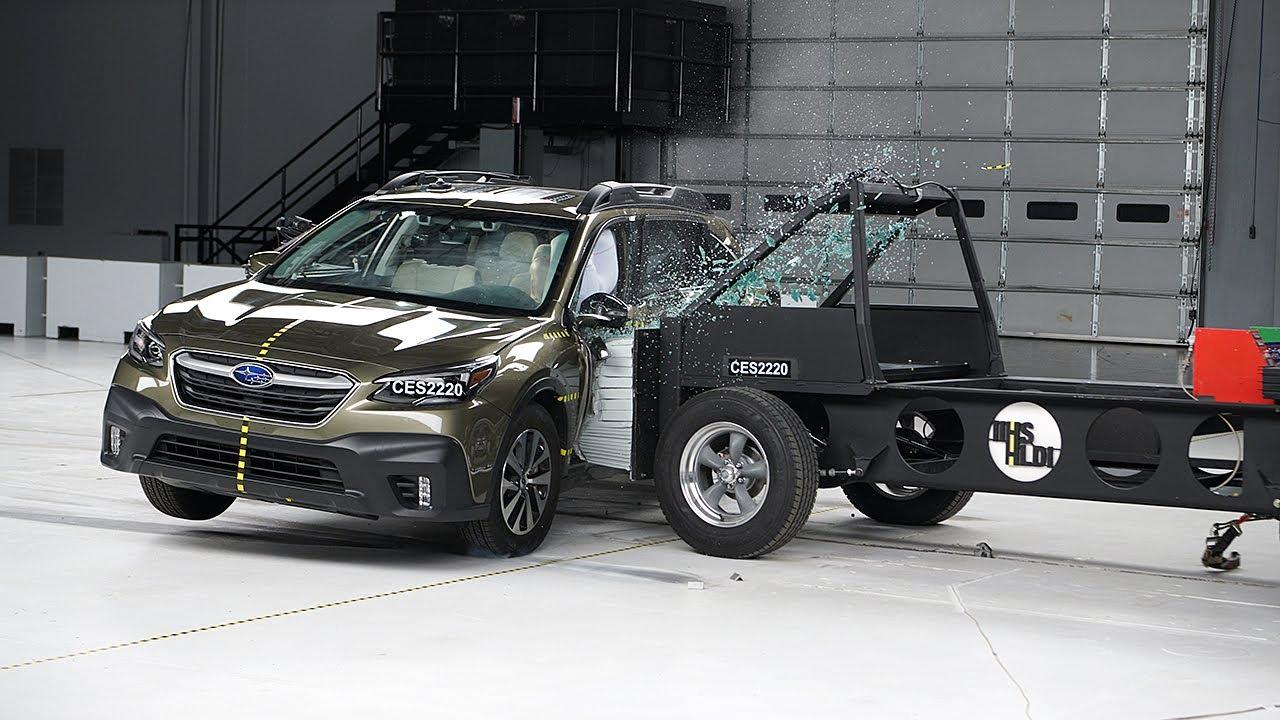
A camera behind the rear-view mirror looks through the windshield, so glass replacement can change its position or view. A Subaru EyeSight bulletin says body misalignment after an impact can prevent calibration; technicians are told to measure the body with a digital angle gauge. The fault may be geometry, not a moody computer.
A GM extended camera relearn procedure shows how a failed attempt can stretch a visit. It calls for shutting down, removing key fobs, closing the doors and leaving the vehicle untouched for at least 30 minutes. The technician then reconnects the scan tool and repeats the learn on a different road with clear lane markings.
That is a specific repair instruction, not a universal 30-minute rule. It does show why a book time for fitting glass is not always the whole appointment. If a calibration succeeds on the first pass, the extra steps may be modest. If it does not, the clock starts to include waiting, troubleshooting and another controlled attempt.
You may also enjoy: 2026 RAV4 debuts Toyota Audio Multimedia with 5G
Alignment and body repair can move the target
Wheel alignment is another example of a job that can intersect with driver-assistance systems. When a vehicle’s direction or ride height changes, the camera or radar’s idea of straight ahead may need to be checked. The details vary by model and procedure; some systems use a static target in a level bay, while others need a road drive under specified conditions. A scan tool can tell the technician what the module sees, but it cannot make a crooked floor level or clear a road of traffic.
Body repair adds another layer. The Subaru bulletin calls for checking dimensions after impact. An Audi front-camera procedure requires reading fault codes, checking camera data and uploading a diagnostic log. It also flags windshield fit, cleanliness and the camera pad. Replacing the camera will not fix bad glass or a bent mounting surface.
Ford’s mobile ADAS repair instructions require a dedicated kit and may call for a post-repair drive, including parking-lot maneuvers or steady-speed cruising. The location must be checked before booking. A repair that sounds portable still needs the right tools and conditions.
You may also enjoy: Luxury Car Safety: The Fatal Crash Numbers Tell a Story
Why this can frustrate owners and independent shops
The added labor is not simply “computer says no.” It can mean subscription access to manufacturer procedures, model-specific targets, current software, a trained technician and enough clear space to position the vehicle. Shops also need to know when a calibration is required and document its result. That can affect scheduling and price, while a referral to another facility may add a handoff and another appointment.
For owners, the useful questions are simple: Is calibration required for this vehicle and repair? Is it included in the estimate? Does the shop perform it, and will it provide a completion report? Compare quotes for the same scope; glass installation alone is not the same job as glass plus camera calibration.
Some repair procedures also depend on glass type and camera mounting materials. A low glass quote may cover the pane but omit the steps needed to return the assistance features to service.
You may also enjoy: Pirelli Cyber Tyre: the tyre tech redefining connectivity
As more safety features depend on software and sensors, repairs increasingly overlap with the connected-car story.
You may also enjoy: 2026 Hyundai IONIQ 9 Review
The benefit is real; so is the repair tradeoff
There is a temptation to treat each extra scan or calibration as proof that technology has made cars worse. That misses the point. Camera-based warnings and braking support are intended to help drivers, and NHTSA continues to add these systems to its vehicle assessment program. Proper calibration is part of keeping the intended function after repair. Skipping it to save time would be a false economy if the system then reads the scene incorrectly.
The fair complaint is about predictability. A car can be more capable and still be harder to return to the road after a small impact or a new windshield. Owners should expect the estimate to identify calibration where the procedure requires it, and shops should explain delays when a relearn fails or needs special conditions. “The part is in” no longer always means “the job is done.”
Shop OEDRO all-weather floor mats: Shop OEDRO directly or Shop OEDRO on Amazon. Use code NIKM20 at the OEDRO official store. Test Miles may earn a commission from purchases made through these affiliate links.
That is where the old-car grumble earns its keep. It is not a case against safety technology; it is a reminder that convenience has a service side. The best modern repair experience will pair smarter systems with transparent labor, properly equipped shops and a clear handoff confirming that the car’s electronic eyes are looking where they should.