Luxury Car Safety: The Fatal Crash Numbers Tell a Story
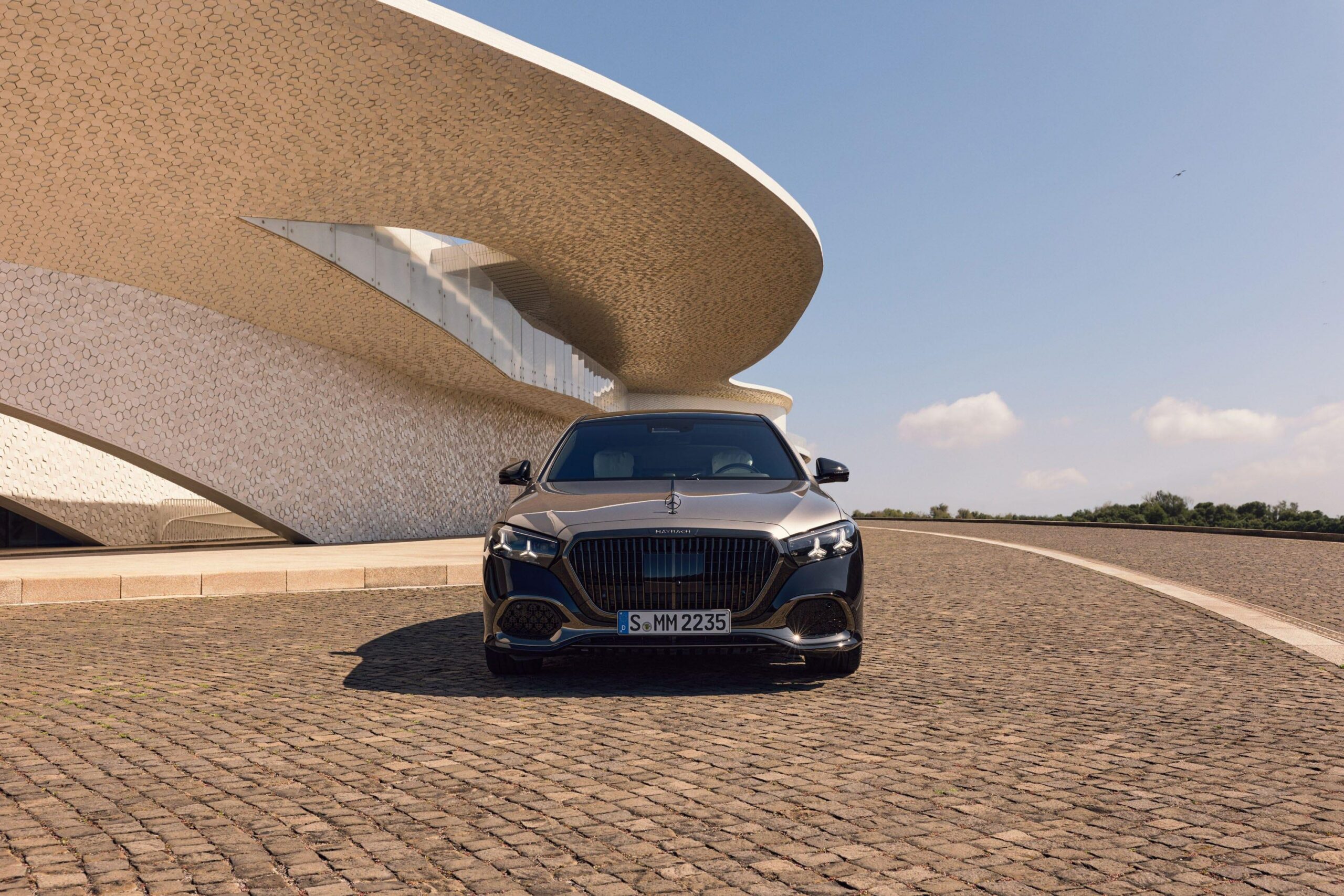
Luxury Car Safety: The Fatal Crash Numbers Tell a Story
Luxury car safety data reveals strikingly low driver death rates in some premium SUVs, but price and a prestigious badge are not guarantees.
There is an uncomfortable question behind the leather seats and expensive sound systems: are buyers paying for a better chance of coming home? Freshly published federal-crash-based research suggests that drivers of many luxury SUVs experience unusually low fatality rates. Yet the answer is more complicated than simply trading a mass-market badge for a premium one.
The Insurance Institute for Highway Safety’s latest analysis, released July 30, 2026, uses deaths recorded from 2021 through 2024 for 2023 and substantially equivalent earlier models. Its measure is driver deaths per million registered vehicle years. It is not the chance of surviving once a collision has happened, nor a randomized comparison between drivers who spend different amounts of money.
You may also enjoy this video:
Luxury Car Safety: What the Numbers Actually Say
Across all vehicle classes, IIHS calculated 37 driver deaths per million registered vehicle years. Midsize luxury SUVs recorded 17; large luxury SUVs, 10; and very large luxury SUVs, 13. Midsize luxury cars recorded 29, while large luxury cars recorded 26. The class averages are more meaningful than any single headline-grabbing model.
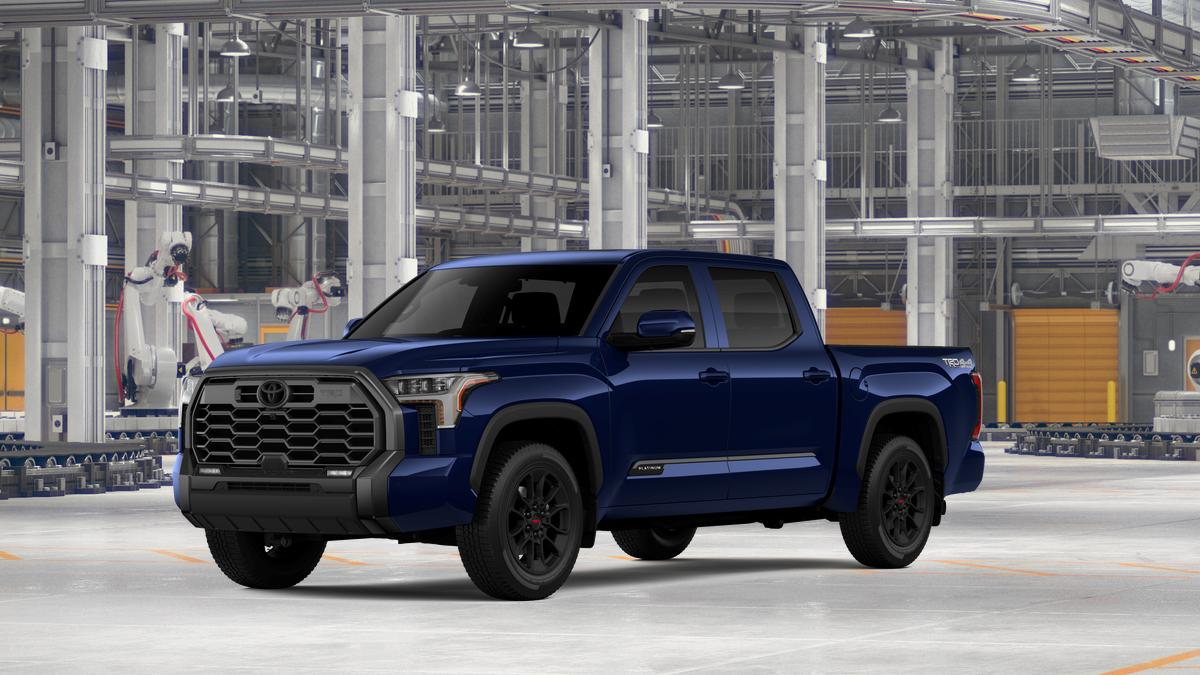
Consider the six vehicles that IIHS recorded at zero driver deaths: four-wheel-drive Audi Q7, BMW X7, Mercedes-Benz GLB and two-wheel-drive Mercedes-Benz GLE, alongside the Chevrolet Tahoe and Toyota Tundra, making six altogether. Zero is the observed estimate for the specified period, not evidence of an indestructible vehicle or a guarantee that nobody will die in the next crash. Limited exposure and statistical uncertainty matter.
You may also enjoy: Acura MDX Type S: Can Smart Safety Keep You Engaged?
At the opposite end, the Kia Rio recorded 170 driver deaths per million registered vehicle years, while the Nissan Versa recorded 164. Those comparisons underline the scale of the disparity, but do not isolate the effect of price. Vehicle size, design, driving conditions, annual mileage and driver behavior all contribute to real-world outcomes. IIHS adjusts its death rates for driver age and gender, not every factor that can affect risk.
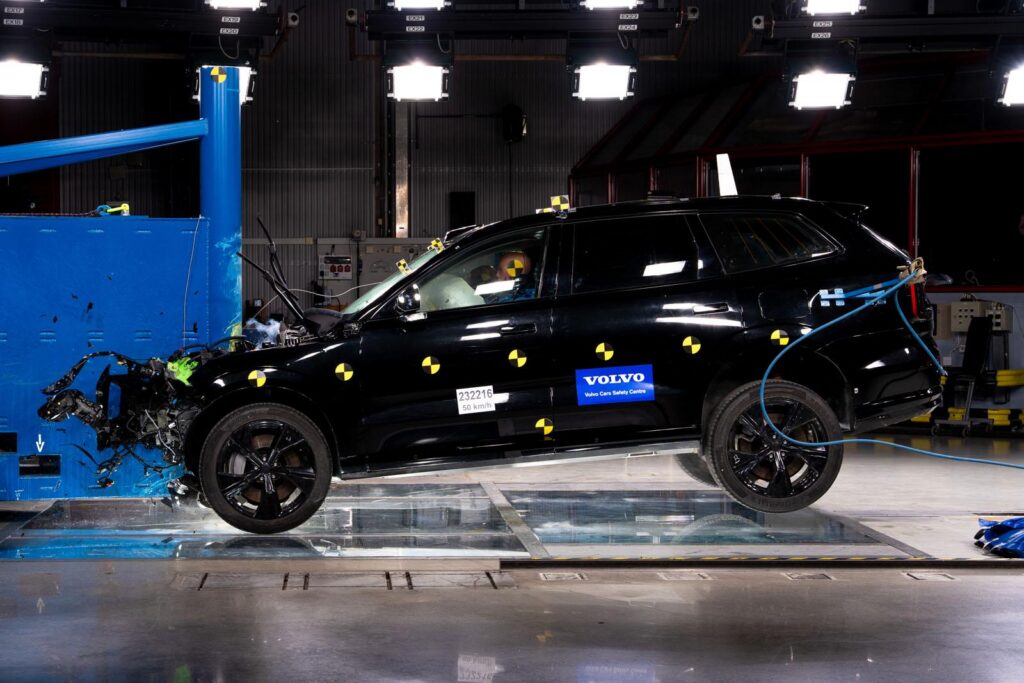
Why a Big Luxury SUV Can Offer an Advantage
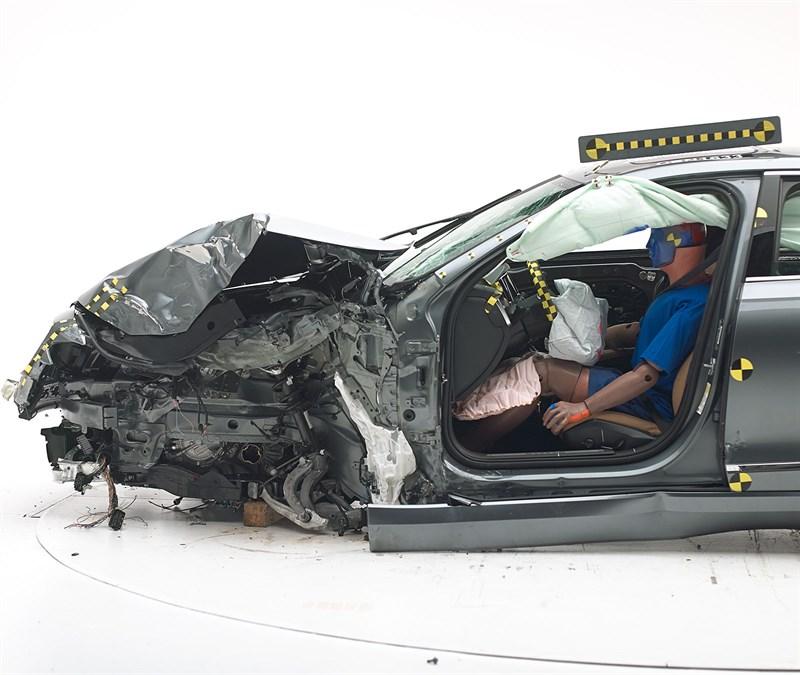
Physical protection starts with the way a vehicle manages crash energy. According to IIHS’s research on vehicle size and weight, a longer crush zone can absorb force before the passenger compartment is affected. In a collision between vehicles of unequal weight, occupants of the lighter one can face higher forces.
That helps explain why premium SUVs frequently appear near the safer end of the fatality statistics. But it does not mean buying the heaviest vehicle available is the sensible answer. A separate 2025 IIHS analysis found that adding mass beyond roughly the fleet average delivers little additional protection to occupants while potentially increasing dangers to people in other vehicles.
You may also enjoy: Luxury SUV Buying Checklist to Avoid Remorse
There are tradeoffs outside the cabin, too. Taller, heavier vehicles can create greater risks for pedestrians and cyclists. A family shopping for safety should consider the other families using the street. The strongest safety choice balances occupant protection, collision avoidance, visibility and road-user compatibility.
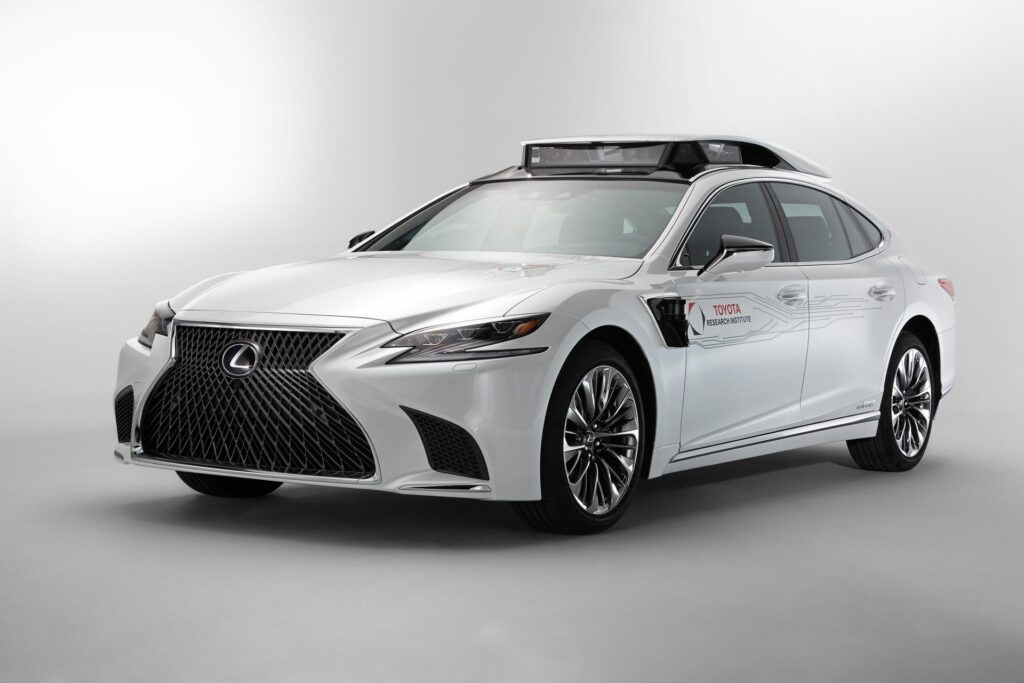
Luxury Isn’t the Same as Crash-Test Excellence
Some of the best evidence that shoppers should look beyond the badge appears in the 2026 IIHS Top Safety Pick awards. The Lexus NX, BMW X5, Genesis GV80 and Infiniti QX60 earned Top Safety Pick+ recognition. So did less expensive choices including the Toyota Camry, Hyundai Tucson and Honda Passport. The award is earned through specified crashworthiness and avoidance tests, not an appraisal of cabin trim.
For 2026, the higher IIHS award requires good performance in three crashworthiness tests, acceptable or good headlights, good pedestrian front-crash prevention and acceptable or good vehicle-to-vehicle crash prevention. Its tests also place greater emphasis on rear-seat occupant protection, a detail parents should check before becoming distracted by front-seat luxury.
You may also enjoy: Volvo EX30 Proves Small Cars Can Be Safer
And IIHS awards are comparisons within size categories. A small award-winning car is not necessarily a safer choice in every collision than a larger model with a different rating. Conversely, a premium badge cannot repair weak crash-test performance. The tests and real-world death rates answer different questions, and both deserve a place in the buying decision.
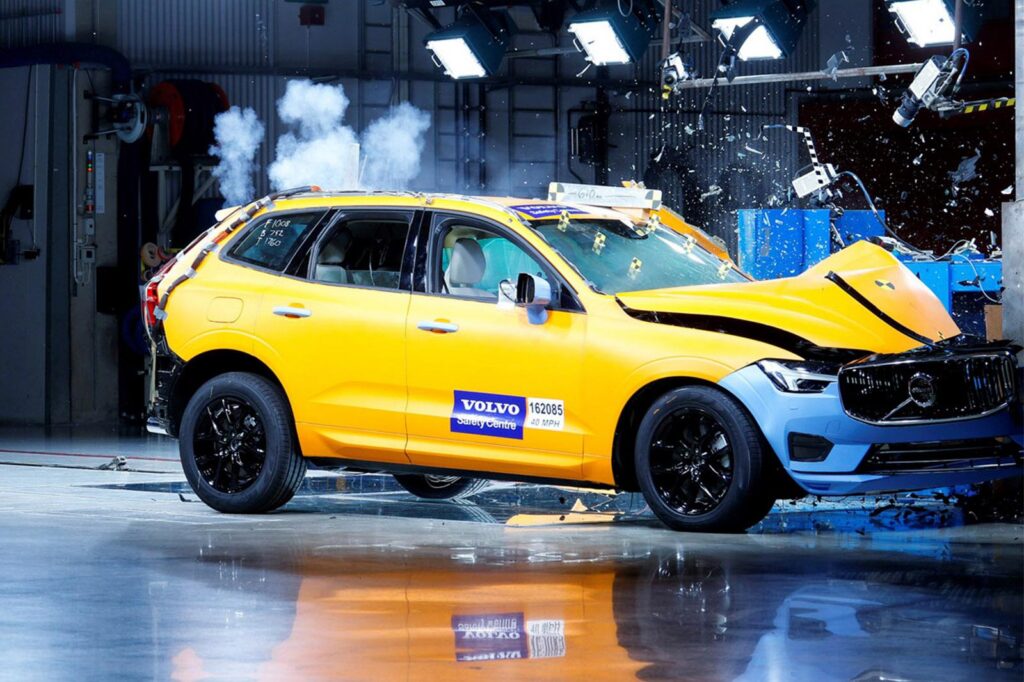
Read Fatality Rankings Like a Careful Shopper
The source behind these numbers is the National Highway Traffic Safety Administration’s national fatal crash reporting. NHTSA counted 39,254 traffic deaths in 2024. The reckless-driving research provided for this story highlights impaired driving, speeding and distraction, which remain enormous threats regardless of a car’s purchase price.
Look for the exact model, drivetrain and model-year span in the IIHS death-rate tables. Ask whether a low count reflects years of exposure or relatively few recorded fatalities. Compare comparable body styles and check the confidence bounds. Above all, remember that a driver-death rate does not directly measure what happens to passengers, especially children in the back.
You may also enjoy: 2027 VW Atlas Review: Three Rows Done Properly
Then drive the car in ordinary conditions. Can you see children near the front corners? Does the automatic emergency braking have a strong tested rating? Are the rear belts easy to fit correctly, and can the driver reach basic controls without studying a touchscreen? No expensive upholstery can compensate for poorly fitted restraints or a driver looking away from the road.
What I’d Put Ahead of the Badge
For a safety-focused family, my shortlist would begin with a recent IIHS Top Safety Pick+ winner of a practical size, backed up by a review of that model’s real-world driver-death figures when enough data exist. That might be a luxury SUV, but it could also be a well-engineered mainstream crossover. A shopper moving from a tiny car to a well-rated midsize SUV may gain more protection than someone moving from a good midsize SUV to a much heavier flagship.
You may also enjoy: 2026 Toyota Sequoia TRD Pro: Big SUV, Easy Life
OEDRO floor mat offer: For drivers also protecting their vehicle’s interior, Shop OEDRO directly or Shop OEDRO on Amazon. Use code NIKM20 at the OEDRO official store. Test Miles may earn a commission from purchases made through these affiliate links.
The defensible conclusion is not that wealthy drivers are immune to fatal crashes. It is that several categories of luxury vehicles, especially large luxury SUVs, show remarkably low driver-fatality rates in the latest IIHS data. Buy the protection demonstrated by a particular vehicle, not a reassuring badge. Then buckle up, put the phone away and drive as though the car’s safety systems are backup rather than permission to take risks.