Inside the Rolls-Royce Scarcity Strategy
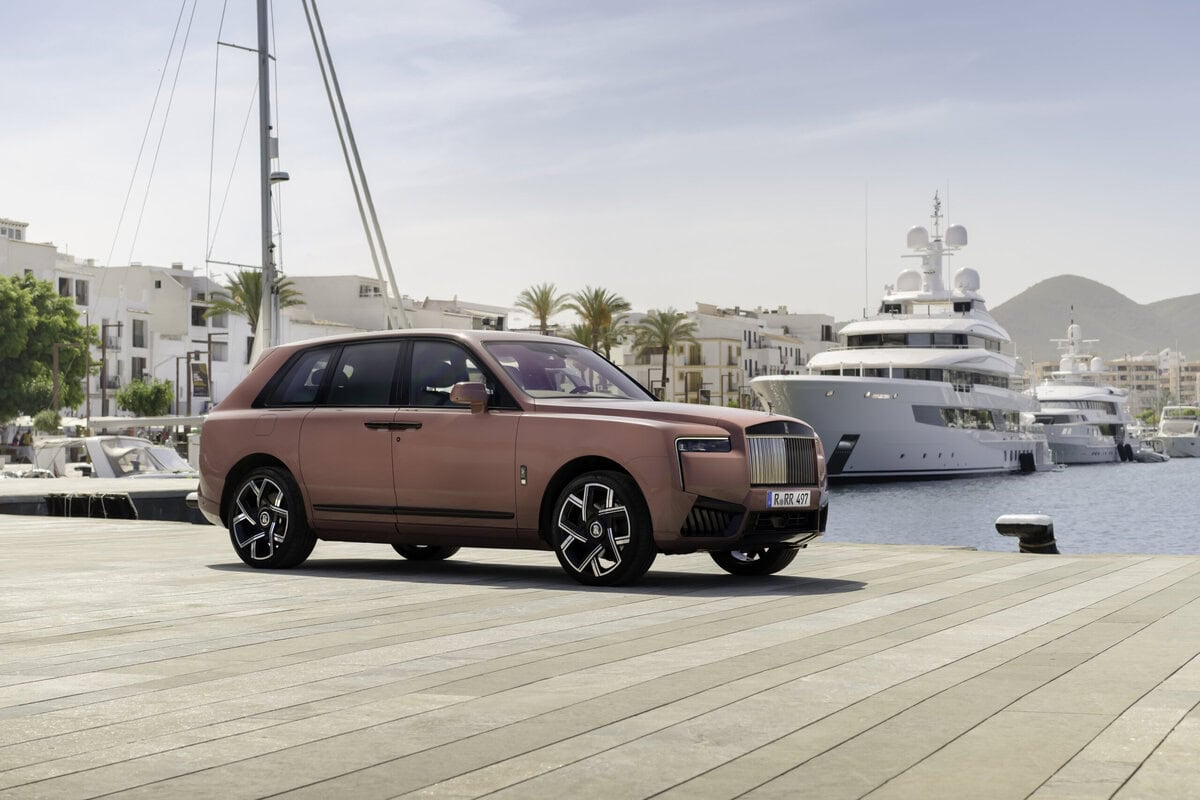
The Rolls-Royce scarcity strategy uses Spectre, Bespoke craftsmanship and private client access to grow value without flooding the market.
Rolls-Royce has discovered something that nearly every mainstream automaker is institutionally incapable of admitting: selling more cars is not always the same thing as creating more value.
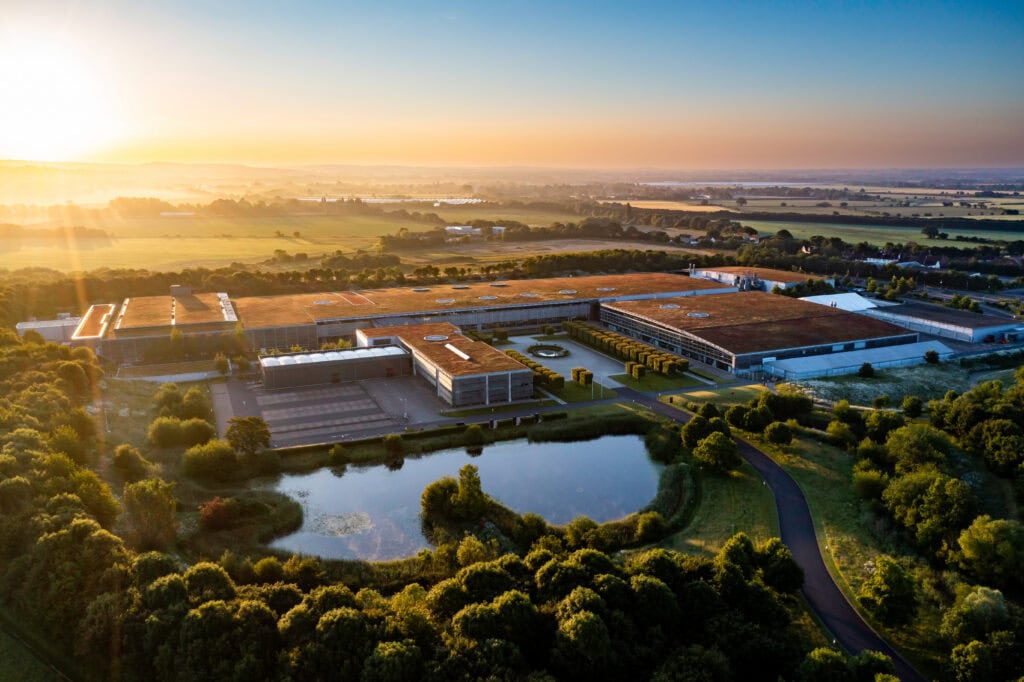
The company is putting more than £300 million into its manufacturing home at Goodwood, England. The surprising part is what that investment is designed to accomplish. Rolls-Royce is not preparing to chase a heroic production number. It is making room for more ambitious Bespoke commissions, specialized craftsmanship and Coachbuild projects.
I discussed the strategy with Rolls-Royce Motor Cars Chief Executive Chris Brownridge. His explanation was revealing because he did not frame success around market share. He described the purpose of a luxury house as creating value for clients through both the finished object and the experience surrounding it.
That distinction explains why the company can grow while treating scarcity as something worth protecting.
You may also like this video:
Why the Rolls-Royce Scarcity Strategy Works
Scarcity by itself is not luxury. A badly made object can be rare because nobody wanted another one. Rolls-Royce must combine controlled availability with craftsmanship, technical credibility and personal relevance.
The company delivered 5,712 cars in 2024, its third-highest annual result. At the same time, the value of Bespoke content fitted to each car rose by 10 percent, according to Rolls-Royce Motor Cars.
That second figure may tell us more about the health of the business than the delivery total. Rolls-Royce is trying to make each commission more valuable instead of maximizing the number of customers sharing the badge.
Brownridge put the balancing act plainly during our interview: “The whole purpose of a luxury house is to manage your rarity or scarcity.” The planned Goodwood expansion is intended to create capacity for more complex commissions, not careless volume.
This is a useful distinction for buyers shopping anywhere in the luxury market. A high price does not guarantee exclusivity, and a familiar badge does not guarantee craftsmanship. Look at what the manufacturer allows the customer to change, who performs the work and whether the result is genuinely personal or merely a package assembled by the marketing department.
You may also enjoy: Rolls-Royce Bespoke Boom: $380M Goodwood Expansion
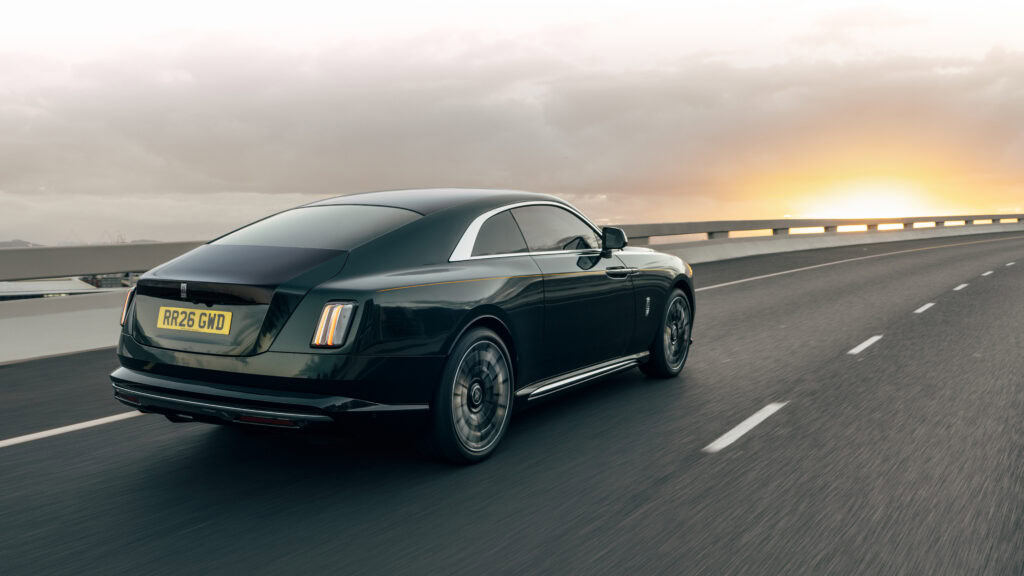
Spectre Succeeds by Making the Technology Disappear
The most convincing evidence for Rolls-Royce’s strategy may be Spectre. This was the company’s first fully electric production car, yet the powertrain was never allowed to become its entire personality.
The U.S. Department of Energy explains how an all-electric vehicle works: energy is stored in a traction battery and supplied to electric motors instead of an internal-combustion engine. That architecture brings very different engineering requirements, but it can also deliver immediate power and near-silent progress.
Those characteristics happen to suit Rolls-Royce unusually well. The brand has spent generations trying to isolate occupants from vibration, noise and mechanical effort. Electric motors do not replace that objective. They can make it easier to achieve.
Spectre became the company’s second most requested model globally during its first full year of deliveries in 2024, behind Cullinan. Rolls-Royce has said it retained that second position in 2025. Demand has also followed a pattern similar to the Wraith coupe it effectively succeeded.
That does not mean every Rolls-Royce client wants an EV. Cullinan’s continuing popularity confirms that twelve-cylinder power remains attractive. Spectre proves something narrower and more important: clients will accept a different propulsion system if it preserves the experience they came to buy.
Rolls-Royce has since introduced Spectre Series II with increased range, shorter charging times and a wider Bespoke offering. The company says some Spectre buyers request more than 20 personalized elements, while only Phantom attracts more Bespoke demand.
The Department of Energy’s battery guide provides useful background on the lithium-ion energy storage used by modern electric vehicles. Its charging infrastructure guide also explains the practical differences between home and public charging.
Range and charging remain legitimate considerations, even in a household that may own several cars. Spectre owners are not exempt from physics simply because a chauffeur may know where the cable is kept. However, buyers at this level may be better positioned than average EV owners to install dedicated home charging and use another vehicle when the journey demands it.
You may also enjoy: Rolls-Royce Spectre Series II Gets More Range
The Bespoke Work Matters More Than the Options List
There is a large difference between selecting options and commissioning a car. Most premium vehicles offer a controlled menu of colors, upholstery, wheels and equipment. Rolls-Royce increasingly invites clients into a process where an idea may have to be translated into a new material or production technique.
Its Private Office network now includes Dubai, Shanghai, Seoul and New York, along with the original Goodwood location. During the network’s first complete year of operation in 2025, Rolls-Royce said Private Office commissions more than doubled.
These locations let clients work directly with designers and specialists. That changes the conversation from “Which blue would you like?” to “What should this blue mean?” It sounds terribly precious until you remember the price and purpose of the object. At this altitude, an ordinary configurator and a complimentary coffee would feel a little underprepared.
Rolls-Royce said its 2025 commissions drove work involving three-dimensional embroidery, layered printing, elaborate marquetry, gold leaf, polished concrete and even a patented fragrance concept. Those are not simply decorative flourishes. Each material must satisfy durability, safety and manufacturing requirements inside a moving vehicle.
Spectre Bailey provides a particularly understandable example. The one-off electric coupe incorporated details inspired by the clients’ dog, including a hand-painted paw print, a portrait rendered in wood veneer and colors influenced by Bailey’s coat.
You may also enjoy: Spectre Bailey: A Rolls-Royce About the Power of the Heart
The commission works because the personalization is emotionally specific. A generic plaque declaring a car “limited” cannot deliver the same connection. Luxury buyers should therefore ask whether they are buying authentic creative involvement or an artificial scarcity number attached to an otherwise standard product.
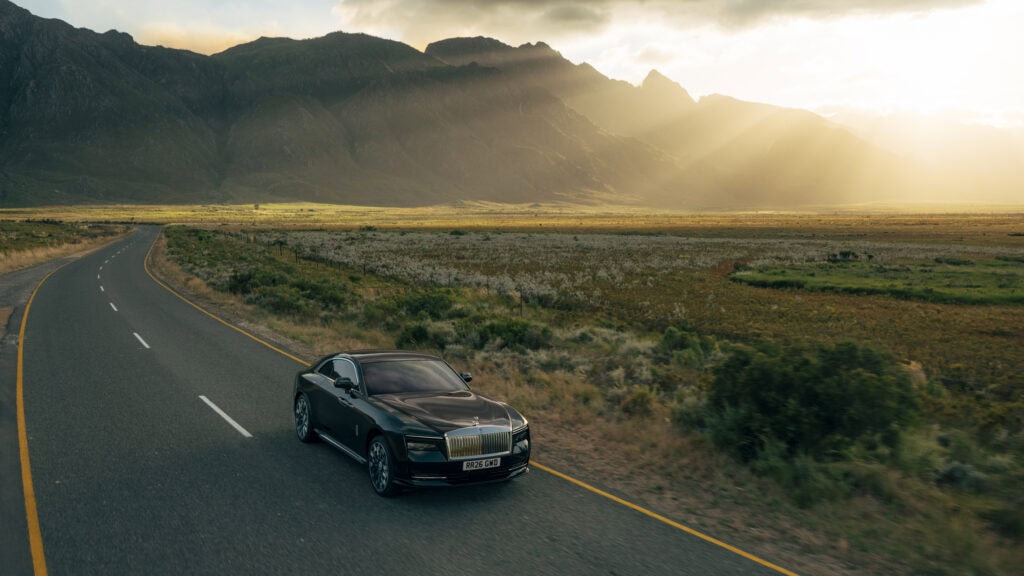
Goodwood Is Adding Craft Capacity
Rolls-Royce says its factory employed about 300 people and made one car per day when it opened in 2003. The site now employs more than 2,500 people and can produce as many as 28 cars a day. The wider British supply chain supports thousands more.
Independent research commissioned from the London School of Economics assessed Rolls-Royce Motor Cars’ economic contribution, giving useful context to the importance of Goodwood beyond the luxury-car market.
The expansion is best understood as a response to bottlenecks created by complexity. Adding another paint process, structural textile or intricate piece of marquetry may require testing, engineering support and specially trained craftspeople. A production line optimized only for speed would be a poor match.
This is also where the strategy faces its hardest challenge. Skilled work is difficult to scale. Rolls-Royce must hire and train enough people to satisfy demand without turning rare techniques into rushed production tasks.
Coachbuild raises the stakes further. These projects go beyond extensive personalization and can involve unique bodies or extremely limited vehicle concepts. Project Nightingale, an invitation-only electric Coachbuild Collection, shows how Rolls-Royce is connecting design, exclusivity and a multi-year client experience.
You may also enjoy: Why Rolls-Royce Project Nightingale Is Bigger Than a Car
Phantom supplies the historical anchor. The nameplate reached its centenary in 2025, and its continued role as the company’s most exclusive series-production model demonstrates that rarity can survive technological and cultural change when the central experience remains coherent.
You may also enjoy: Rolls-Royce Phantom at 100: What’s Next for the Brand
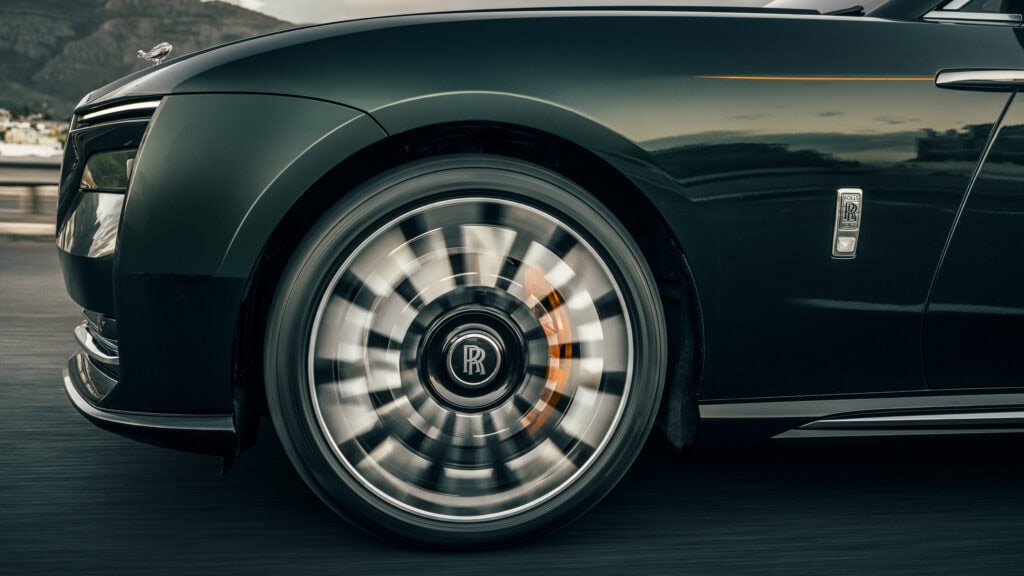
What Rolls-Royce Rivals Cannot Easily Copy
The ultra-luxury competitive field is becoming more complicated. Bentley, Range Rover and Mercedes-Maybach have deep histories and affluent clients. Ferrari and Lamborghini run sophisticated personalization operations. New electric flagships are also attempting to borrow visual signals traditionally associated with the very top of the market.
The Genesis GV90, for example, uses an expansive executive cabin and available coach-style doors to announce much greater ambitions for the Korean luxury brand. It is not a direct Rolls-Royce substitute, but it demonstrates how quickly the visible ingredients of luxury can travel.
You may also enjoy: Genesis GV90 Takes Aim at Rolls-Royce and Range Rover
Technology is especially easy to imitate over time. Screens get larger, software becomes faster and power figures rise. Even electric quietness is not exclusive. The Environmental Protection Agency’s EV guidance explains both the tailpipe and lifecycle distinctions surrounding electric vehicles, while a UK government lifecycle study examines emissions through production, use and disposal.
Those environmental questions matter, but they do not explain why someone chooses a Spectre instead of another expensive EV. Rolls-Royce’s defensible advantage is its ability to make technology recede behind atmosphere, craft and personal meaning.
Buyers should still apply skepticism. Bespoke content can push an already extraordinary price much higher. A deeply personalized vehicle may appeal to fewer buyers if it is eventually resold. Complex materials and unique finishes may also demand specialized care. Rolls-Royce has not published enough detail for an outsider to calculate how much of the Goodwood investment will translate into additional capacity, shorter commissioning times or higher average transaction values.
Yet the strategic logic is clear. Rolls-Royce does not need to win an electric range contest or become the largest luxury automaker. It needs clients to believe that no other company can create precisely the same car, in precisely the same way, around precisely the same story.
Spectre shows that the engine was never the whole point. Goodwood shows that factories do not always have to be measured by speed. The Private Offices show that a vehicle can begin as a conversation rather than a configuration.
For Rolls-Royce, growth means making each relationship harder to reproduce. That is a far more durable form of scarcity than simply placing a numbered badge on the dashboard.