Why Rolls-Royce Project Nightingale Is Bigger Than a Car
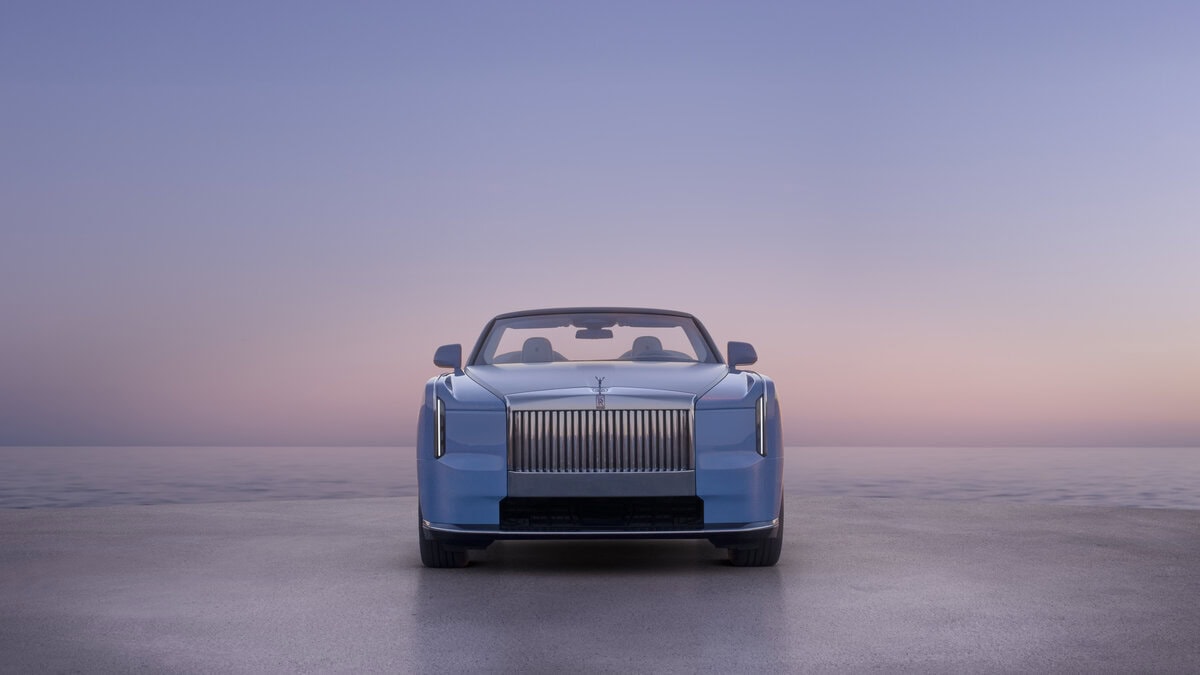
Rolls-Royce Project Nightingale is more than an electric convertible. It is an invitation-only Coachbuild Collection built around experience.
The New Meaning of Luxury
For decades, Rolls-Royce has built some of the most exclusive automobiles in the world. That is not exactly breaking news. The company has long understood that true luxury is not only about transportation, horsepower, leather, wood, or silence. It is about how all of those elements are arranged into something that feels almost impossible to repeat.
Project Nightingale takes that idea and stretches it further than most modern car companies would dare. This is not simply a new Rolls-Royce. It is the first Coachbuild Collection motor car from the brand, an ultra-exclusive open-top, two-seat electric creation limited to just 100 client cars worldwide. It is also a very clear signal that Rolls-Royce believes the next stage of luxury will not be defined by who owns the most expensive object. It will be defined by who gets invited into the story before the object even exists.
That may sound grand, but in the rarefied world where Rolls-Royce operates, it is probably the most practical business strategy imaginable. If everyone at the top end of the market can buy something expensive, the harder trick is making something feel personal, private, and emotionally irreplaceable. Project Nightingale appears designed to do exactly that.
You may also enjoy: Rolls-Royce Bespoke boom: $380M Goodwood expansion
A Car, But Also a Private Journey
Chris Brownridge, Chief Executive Officer of Rolls-Royce Motor Cars, has described Project Nightingale as a new chapter for the brand. That matters because Rolls-Royce has already built highly individual commissions, but Project Nightingale turns the idea into a broader invitation-only Coachbuild Collection. It is still deeply exclusive, but it is structured as a collection rather than a single one-off creation.
The difference is important. A normal vehicle launch begins with a product. The manufacturer designs it, engineers it, reveals it, prices it, and then searches for buyers. Project Nightingale reverses that sequence. Rolls-Royce began the process with clients already involved, already informed, and already participating in a multi-year commissioning journey.
That turns the purchase into something more complex than a transaction. The client is not simply waiting for keys. They are being folded into the creation process through private gatherings, creative previews, design conversations, and curated moments. In ordinary car shopping, you might get a brochure and a cup of coffee. Here, you get a place in the mythmaking. Frankly, if you are operating at this level, a biscuit in the showroom was never going to be enough.
Why Participation Matters
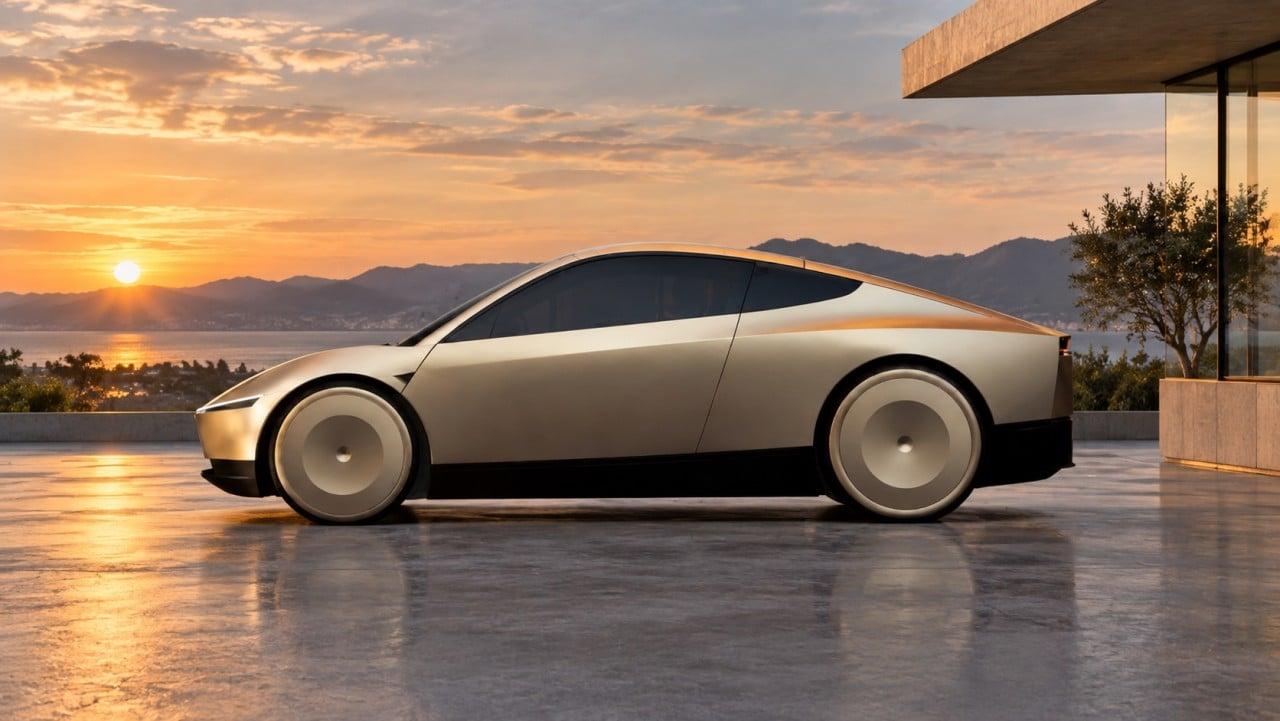
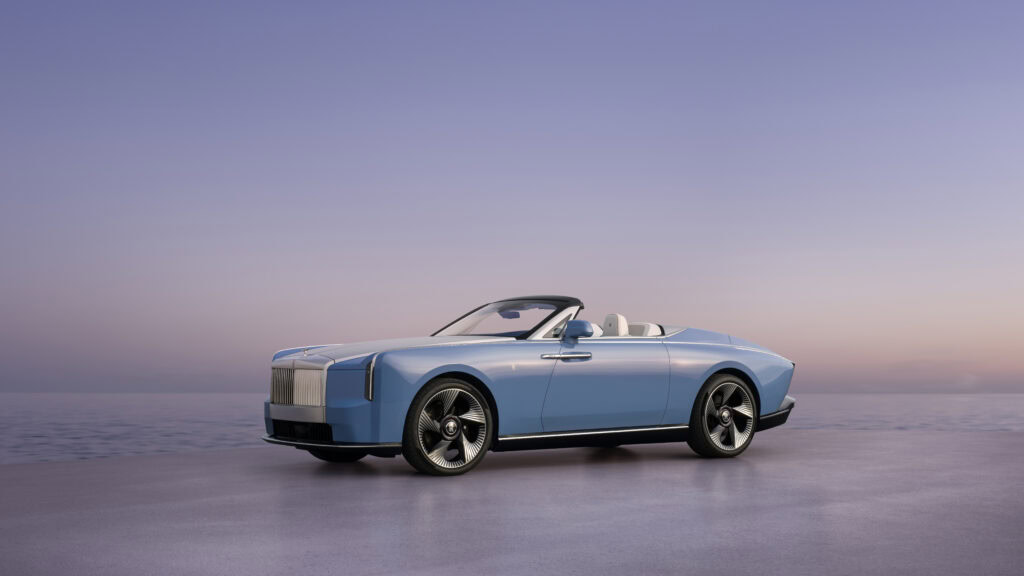
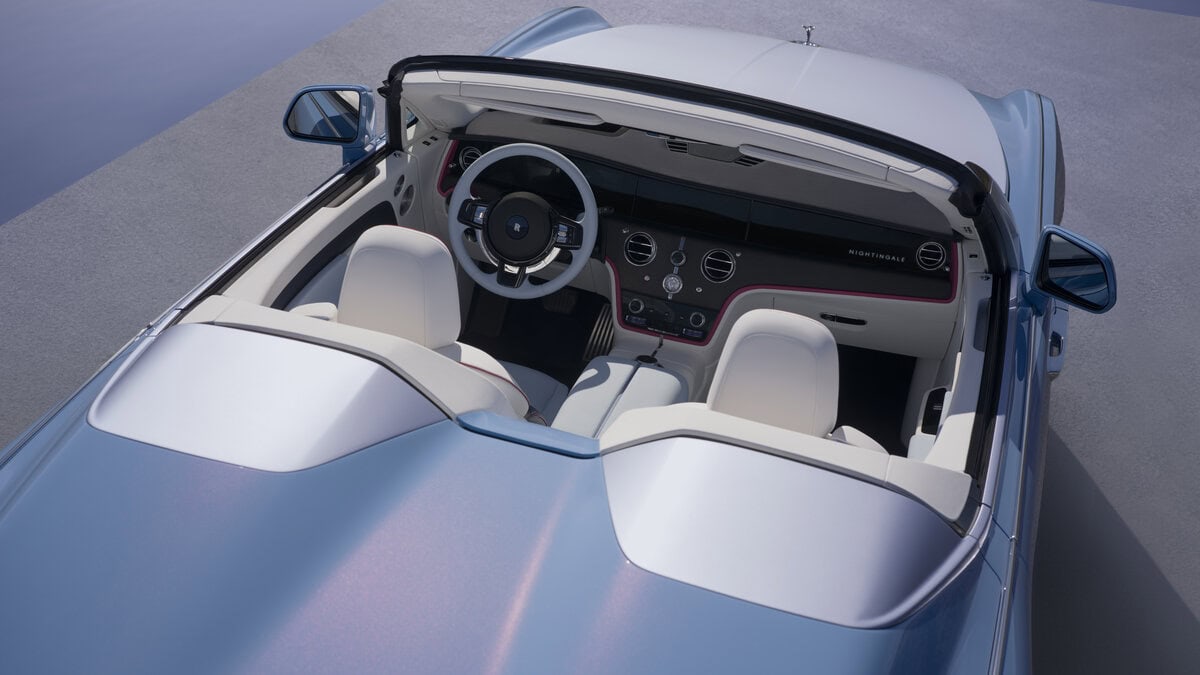
The most interesting part of Project Nightingale may not be the car itself, although the car is hardly subtle. It is 5.76 meters long, roughly the length of a Rolls-Royce Phantom, yet it is dedicated entirely to two occupants. It is open-top, fully electric, and shaped around the idea of silent grand touring. It draws inspiration from the experimental Rolls-Royce EX cars of the 1920s, the Streamline Moderne design movement, and the glamour of the Côte d’Azur.
Those details are beautiful, but the deeper shift is about participation. Brownridge has spoken about luxury consumption moving away from simply having things and toward creating experiences and memories that can be shared. That is the core of Project Nightingale. The object matters, but the experience around the object matters just as much.
This is a major change in how luxury is framed. For much of the last century, wealth was communicated through possession. You owned the house, the car, the watch, the artwork, or the yacht. Today, the most sophisticated luxury brands are increasingly selling access, participation, and memory. Project Nightingale fits that pattern perfectly. It is not just something to park in a garage. It is a story that begins years before delivery.
You may also enjoy: A Century in the Driver’s Seat: How the Rolls-Royce Phantom Became the Ultimate Status Symbol
The Electric Rolls-Royce That Does Not Shout About Being Electric
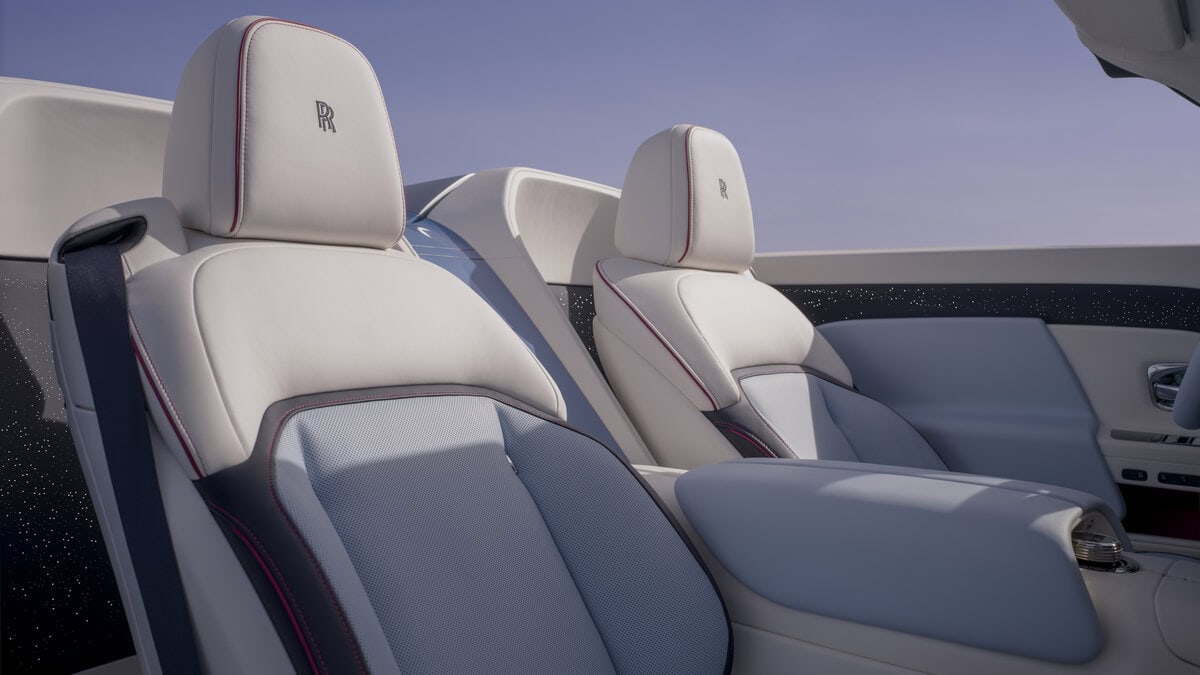
Project Nightingale is fully electric, but Rolls-Royce is not presenting electrification as the headline act in the usual sense. The company is not using this car to chase a drag-race statistic, a charging brag, or a technology arms race. Instead, it is using electric power to intensify old Rolls-Royce values: silence, effortlessness, presence, and calm.
An all-electric vehicle stores energy in a battery pack and powers its motor without a gasoline engine, which is why the technology fits so naturally with Rolls-Royce’s long pursuit of quietness. The electric drivetrain removes the need for some traditional combustion-engine compromises, allowing designers to rethink surfacing, airflow, proportions, and silence. The absence of mechanical noise also makes the open-top experience different.
That is where Project Nightingale becomes more than an electric convertible. It suggests that electrification, at the top of the market, may not be about efficiency alone. It may be about atmosphere. In a mainstream EV, silence can feel like a feature. In a Rolls-Royce, silence becomes the entire stage on which the car performs.
You may also enjoy: Rolls-Royce Spectre Series II Gets More Range

The Design Language Is Old and New at Once
Project Nightingale is inspired partly by the Rolls-Royce 16EX and 17EX experimental cars from 1928. Those machines were created at a time when Rolls-Royce was exploring speed, proportion, and aerodynamic possibility. They had long bonnets, shallow windscreens, and tight two-person cabins set within imposing overall bodies. Project Nightingale borrows that romantic idea, but reframes it through modern electric architecture.
Modern electric vehicle batteries allow designers and engineers to package power differently from traditional combustion vehicles, even when the final result is deliberately grand rather than compact. In Nightingale’s case, the body is not shrinking around technology. It is using technology to create a different kind of presence.
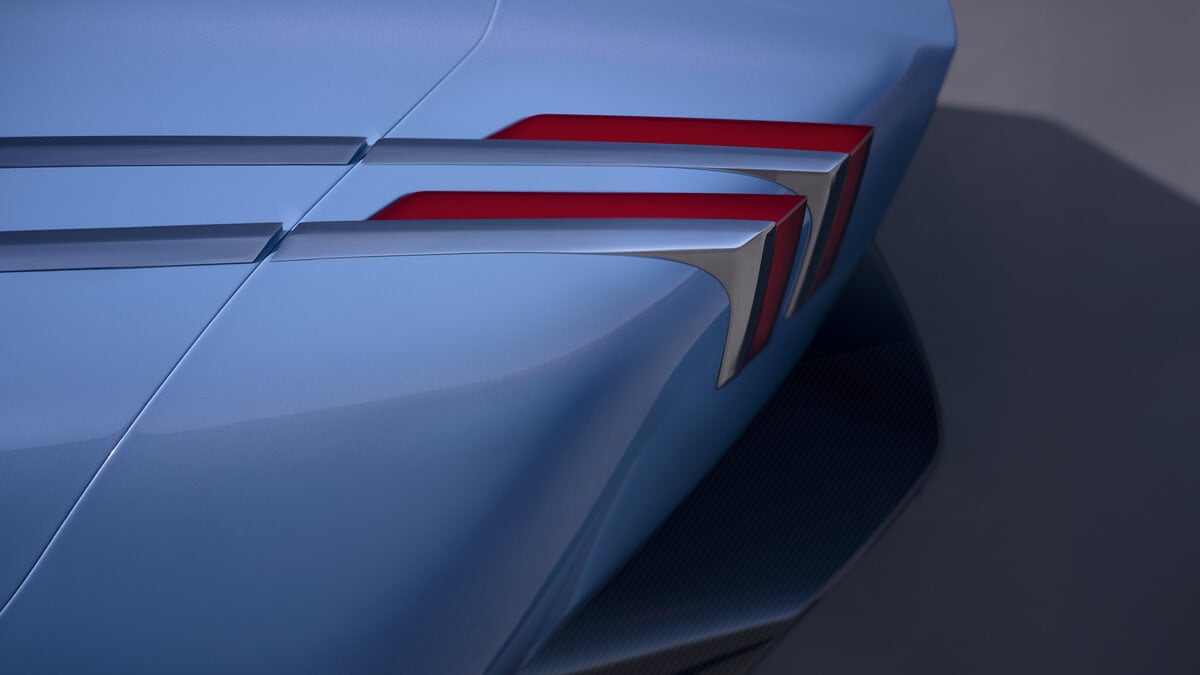
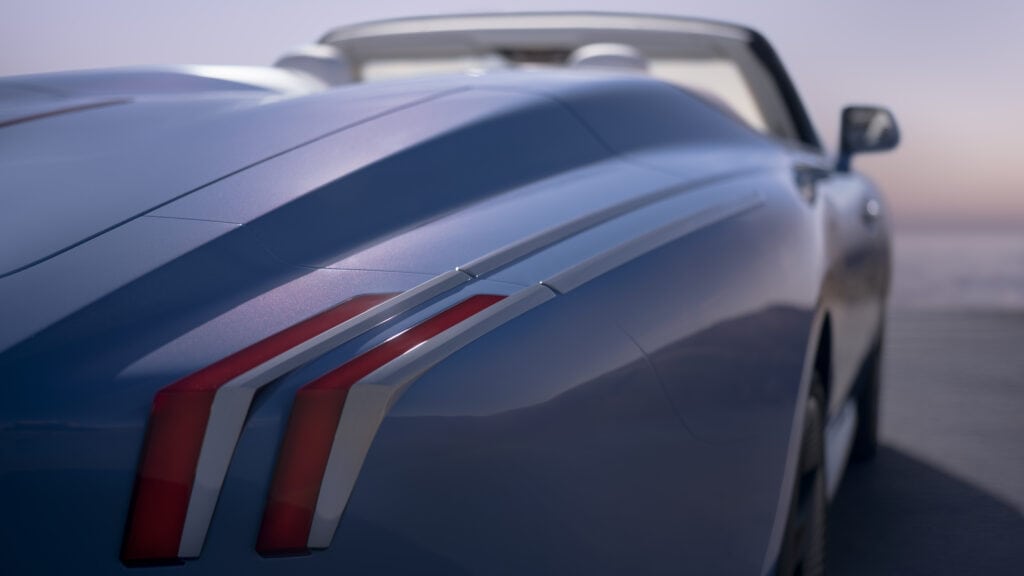
The result is a car that looks backward and forward at the same time. It carries the confidence of Art Deco and Streamline Moderne design, yet it also depends on the possibilities opened by an electric drivetrain. The huge grille remains, but it is no longer performing exactly the same job it would in a combustion-era car. The long body, shallow cabin, and dramatic rear treatment are not simply nostalgic decoration. They are part of a design argument about what grandeur can look like when traditional luxury meets electric propulsion.
Craftsmanship Becomes the Competitive Advantage
At the top end of the market, technology alone is not enough. Screens can be copied. Performance numbers can be beaten. Software features can become outdated before the owner has finished learning the menu structure. Craftsmanship is harder to duplicate because it depends on people, process, time, and institutional confidence.
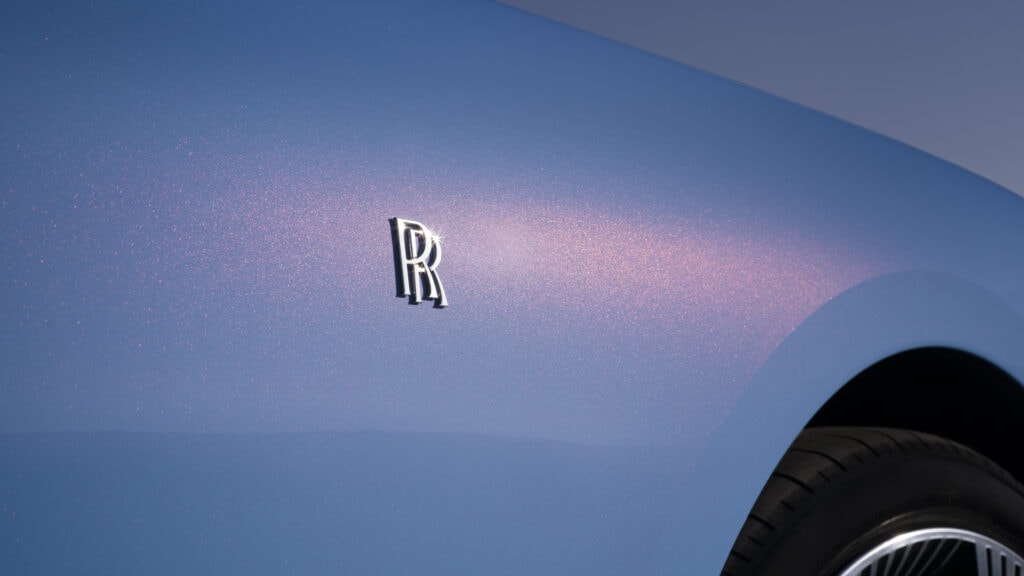
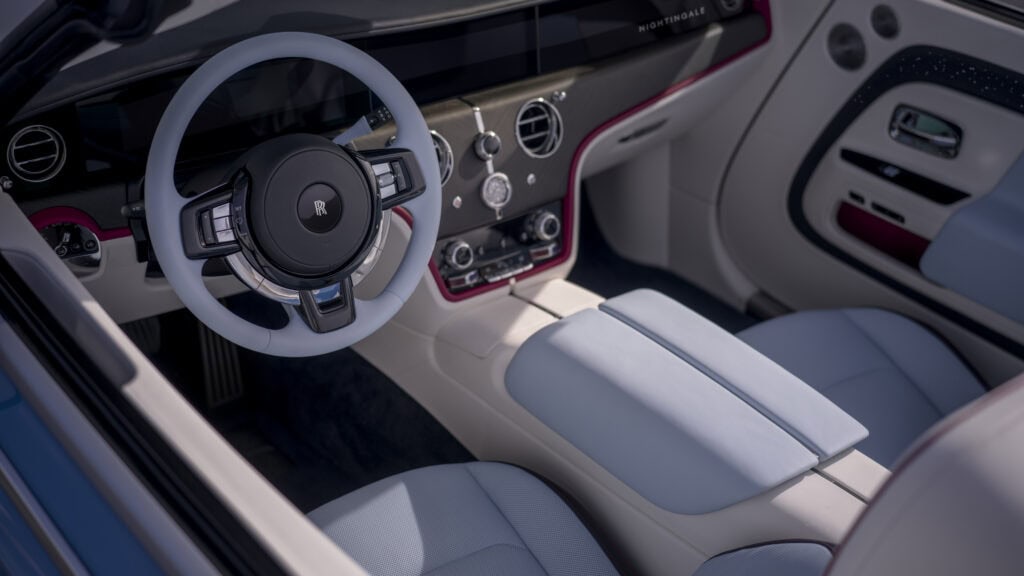
Project Nightingale leans heavily into that advantage. Each of the 100 cars will be coachbuilt by hand at Goodwood, with exclusive colors, materials, and bespoke features reserved only for this Coachbuild Collection. Rolls-Royce is also developing manufacturing techniques for some of the remaining design details, which tells you how far the company is willing to go to protect the integrity of the idea.
That matters because true exclusivity is not created by scarcity alone. A limited number can make something rare, but rarity without depth can feel like marketing. What gives Project Nightingale weight is the combination of scarcity, client involvement, craft, and time. It is not simply “only 100 will be made.” It is “only 100 clients will go through this process in this way.”
You may also enjoy: Rolls-Royce Phantom Centenary: Woodwork Reimagined
The Waiting Is Part of the Product
Brownridge has made another point that feels almost rebellious in the modern car business: the best things in life are worth waiting for. That is not how most of the industry operates. Automakers generally want speed, scale, and immediate attention. New models are teased, leaked, launched, refreshed, discounted, and replaced with exhausting regularity.
Rolls-Royce is working on a different clock. Project Nightingale clients are already part of the process, but deliveries are not scheduled to begin until 2028. In most consumer categories, that delay would be a liability. Here, it is part of the appeal. Waiting adds anticipation. Anticipation adds emotional value. Emotional value makes the final object feel more meaningful.
It also gives Rolls-Royce room to make the experience feel ceremonial. When the car finally arrives, it will not feel like a product that appeared after an order confirmation. It will feel like the final chapter of a private process. That is a very different kind of customer relationship, and it is one most automakers cannot easily copy.
For readers comparing luxury EV ownership more broadly, the EPA explains how electric and plug-in hybrid vehicles differ in emissions behavior, charging needs, and powertrain operation. Project Nightingale exists at the absolute top of that landscape, but the same broad transition toward electrification is reshaping everything from family cars to flagship luxury vehicles.
Why Nightingale Matters Beyond Rolls-Royce
Project Nightingale will never be a mainstream car, and it would be ridiculous to judge it by mainstream standards. Nobody needs a 5.76-meter electric, open-top, two-seat Rolls-Royce in any rational sense. But luxury has never been driven purely by need. It is driven by desire, identity, symbolism, and the emotional satisfaction of owning something that feels impossible for most people to access.
The reason Project Nightingale matters beyond Rolls-Royce is that high-end luxury often acts as a laboratory for ideas that eventually move downmarket in softer forms. Mainstream buyers will not get coachbuilt electric convertibles curated through multi-year private programs. But they will increasingly be offered more personalization, more curated experiences, more digital ownership moments, and more brand storytelling around their vehicles.
That is the long-term lesson here. Rolls-Royce may be operating in a world most people will never enter, but the underlying idea is broader. Buyers do not just want products. They want products that feel connected to them. The higher the price, the more personal that connection must become.
You may also enjoy: BMW Vision Alpina May Be Too Fancy for Its Badge
Electrification Changes the Luxury Conversation
The move toward electric power also changes what luxury buyers consider important. Range, charging, cabin noise, and ease of use now sit alongside leather quality, design, ride comfort, and brand heritage. For many buyers, the charging conversation still matters, and the Department of Energy’s information on electric vehicle charging stations helps explain why infrastructure has become part of the broader ownership experience.
Rolls-Royce does not have to solve the mainstream EV problem in the same way as a high-volume manufacturer. Its clients have different lives, different support systems, and different expectations. But it still has to make electric power feel not merely acceptable, but inevitable. Project Nightingale appears to do that by turning silence and serenity into emotional advantages rather than technical explanations.
That is a useful lesson for the rest of the industry. The best electric luxury vehicles will not win because they constantly remind owners they are electric. They will win because electric power makes them feel more luxurious. Quietness, instant response, smooth delivery, and reduced mechanical harshness all support the experience that premium customers already want.
The EPA’s guide to plug-in electric vehicle charging also shows why the practical side of electric ownership matters, even when a vehicle sits at the very top of the market. Convenience is part of luxury. Confidence is part of luxury. The less an owner has to think about the machinery, the more successful the machinery becomes.
You may also enjoy: 2027 Mercedes-Benz EQS Raises the Luxury EV Bar
The Legacy Could Be Bigger Than the Car
Project Nightingale may become one of the rarest modern Rolls-Royce motor cars ever built, but its bigger legacy may be philosophical. It shows that Rolls-Royce sees the future of luxury not as louder, faster, or more technologically overwhelming, but as more personal, more deliberate, and more experiential.
That is a fascinating position at a time when so many automakers are trying to make the future feel urgent. Rolls-Royce is making it feel unhurried. In a world obsessed with instant gratification, that may be the most exclusive thing of all.
Even as advanced vehicle systems spread across the industry, with agencies such as NHTSA explaining how driver assistance technologies can support safer driving, Project Nightingale reminds us that technology alone does not define the luxury experience. At this level, the real achievement is making complexity feel calm.
Project Nightingale is an electric car, a coachbuilt convertible, a design statement, and a private client journey. But more than anything, it is a reminder that true luxury still depends on time. Time to imagine. Time to create. Time to participate. Time to wait.
And if you are one of the 100 people invited into that world, the waiting may be the point.