Your Next Car Could Decide the 2026 Election

A car payment may not sound like a midterm election issue until it lands on the kitchen table next to the mortgage, grocery bill, insurance premium, and credit card statement.
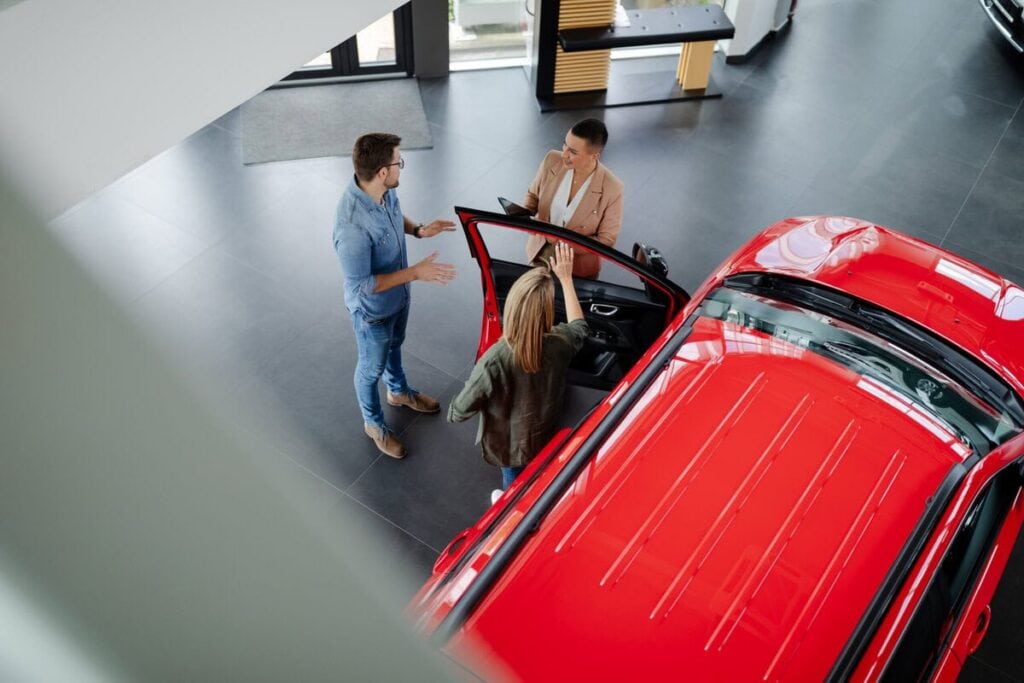
For many Americans, a vehicle is the second-biggest purchase they will ever make after a home. That makes the new-car market more than an industry story. It is a cost-of-living story, and heading into 2026, it could become a political one.
Tariffs are meant to strengthen American manufacturing and push more production back into the United States. That argument may appeal to voters who want more domestic jobs. The risk for Republicans is that voters may feel the higher cost of a vehicle long before they see the promised benefits of new factories.
You may also like: One Million New Car Buyers Just Vanished
Car Affordability Is Already A Warning Sign
The average new vehicle has been hovering near $50,000, which means the mainstream car market now feels like luxury territory to millions of households.
That matters because transportation is not optional in most of America. People need vehicles to get to work, take children to school, reach medical appointments, buy groceries, and manage daily life. When a household cannot afford reliable transportation, the stress is immediate.
Recent vehicle affordability data shows buyers are still under pressure from high prices, elevated loan rates, and monthly payments that remain difficult for many families to manage.
This is where the political risk begins. Voters may not study trade policy, but they understand when a payment no longer fits the budget.
You may also like: The $25,000 SUV Isn’t Dead Yet
The Second-Biggest Purchase After A House
Housing affordability has dominated the national conversation for years. But vehicles carry their own kind of pressure because they affect nearly every income level.
A family can delay buying a house. They can rent longer or move farther from a city center. But when a car dies, the problem becomes urgent. A broken vehicle can threaten a job, disrupt school schedules, or turn basic errands into expensive logistics.
That gives car prices unusual power in an election year. A voter may not connect every economic trend to Washington, but they will remember the moment a vehicle that used to cost $38,000 now feels closer to $44,000 once fees, financing, and insurance are included.
Recent car shopper analysis suggests buyers should not expect quick relief from financing costs, which keeps pressure on monthly payments.
You may also like: That New Car Is $6,400 More Expensive. Here’s Why.
Tariffs Could Push Costs Beyond The Sticker
The tariff debate often focuses on imported vehicles, but the impact can stretch much further. Modern vehicles are built from global supply chains. Parts can cross borders multiple times before a vehicle reaches a dealership.
If those costs rise, shoppers may see pressure in more than one place. New vehicles can become more expensive. Used vehicles can get pricier as buyers avoid new-car payments. Repair bills can climb if replacement parts cost more. Insurance premiums can also rise when insurers face higher repair and replacement costs.
Current tariff information indicates that higher vehicle costs could affect new cars, used cars, repairs, and insurance. That turns tariffs from a trade issue into a household-budget issue.
For higher-income buyers, that may be frustrating. For middle-income families, it may delay a purchase. For younger buyers or lower-income households, it may shut them out of newer vehicles altogether.
You may also like: Used Car Prices Surge Amid Tariff Turmoil

Why This Could Matter In The Midterms
Republicans will likely argue that tariffs are part of a long-term plan to rebuild American industry. That message can resonate, especially in communities that have watched manufacturing jobs disappear.
The problem is timing. Midterm elections are often shaped by how voters feel right now, not by what a policy might deliver several years later.
If car prices stay high, if loan rates remain painful, and if repair and insurance costs keep climbing, Democrats will have a simple argument: Republican economic policy made daily life more expensive.
That does not mean voters will automatically accept it. But it does give Democrats a clear cost-of-living message. Your car costs more. Your payment is higher. Your repair bill hurts. Your insurance premium keeps rising.
The question heading into 2026 is not whether tariffs are good or bad in theory. It is whether Americans believe the promise of future manufacturing growth is worth the immediate cost of a more expensive driveway.