Genesis Powertrain Strategy Lets Buyers Choose
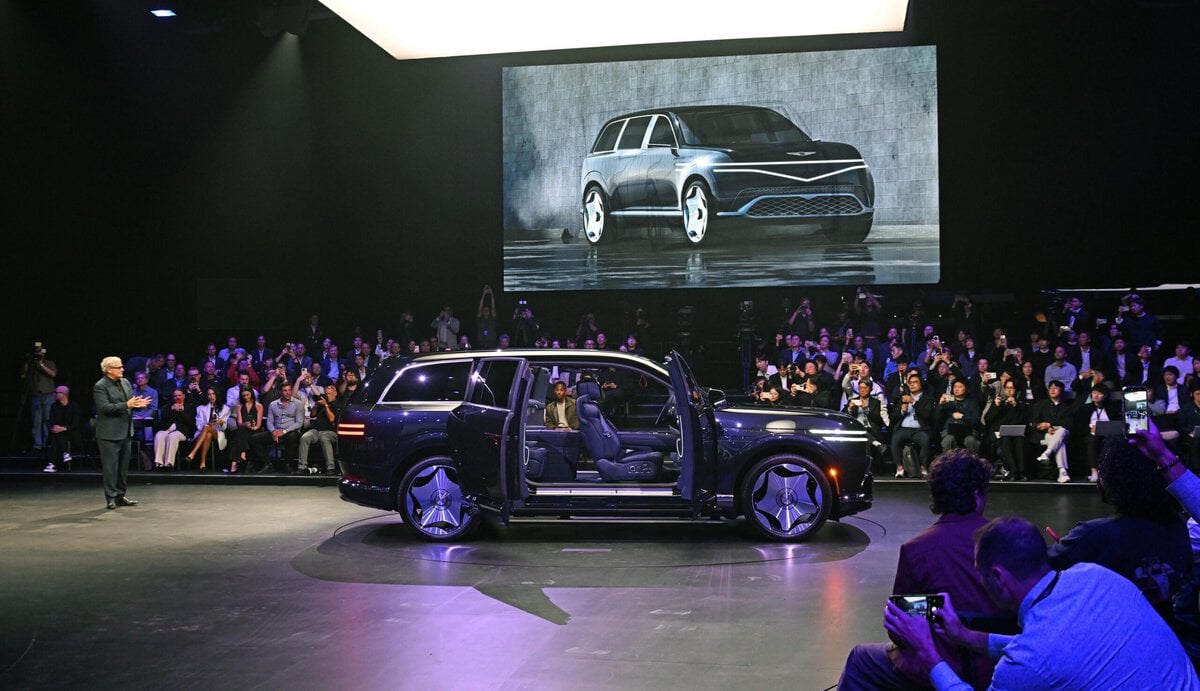
Genesis powertrain strategy keeps the electric GV90 while adding hybrid, E-REV, gasoline and Magma choices for different drivers.
Genesis Powertrain Strategy Starts With the Buyer
The most important feature in Genesis’s next generation may not be a screen, a coach door, or even a battery. It may be permission. The company is permitting American customers to choose the propulsion system that fits their lives rather than asking them to reorganize those lives around a corporate deadline.
That conclusion came directly from my conversation with Tedros “Ted” Mengist, the head of Genesis in the United States. He did not hedge on the new flagship: “But we’re not placing Genesis as only a BEV brand, but GV90 is a BEV.” The GV90 remains a battery-electric vehicle, while the larger portfolio expands in several directions.
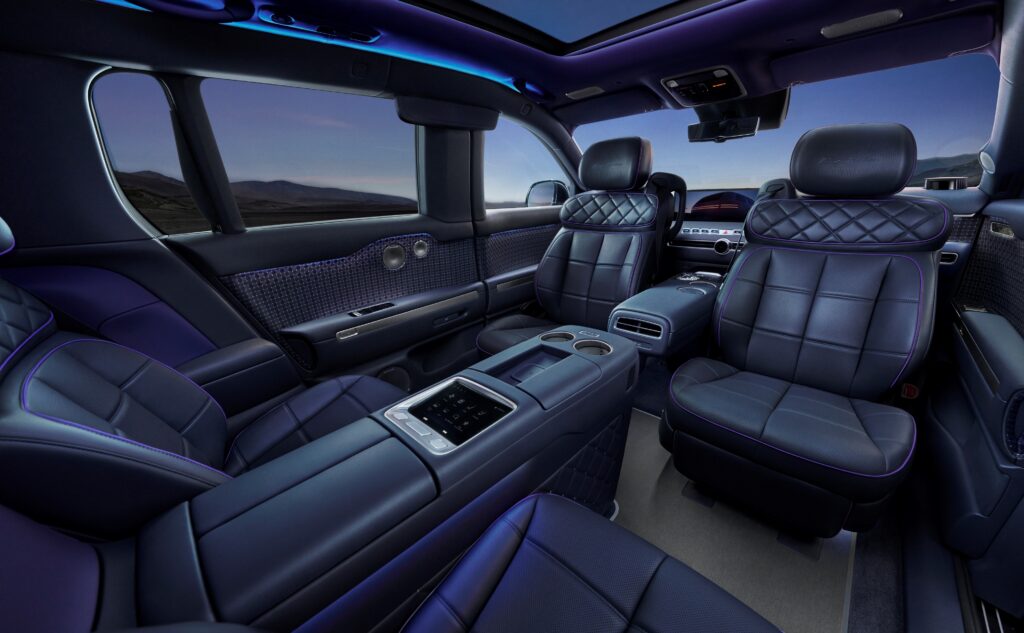
This is important because the GV90 is not a retreat vehicle. It is Genesis’s largest and most ambitious SUV, built to announce where the company believes electric power works particularly well: quiet, expensive, technology-heavy luxury. Our earlier examination of the flagship explains why its scale and cabin put it in a very different conversation from an ordinary premium crossover.
You may also enjoy: Genesis GV90 Takes Aim at Rolls-Royce and Range Rover
You may also like this video:
One Showroom, Several Electrification Journeys
Mengist laid out the customer groups plainly: hybrid buyers, BEV buyers, E-REV buyers, traditional gasoline customers and drivers drawn to Magma performance. A hybrid can improve efficiency without requiring a plug. A plug-in hybrid adds externally charged electric driving, though Genesis’s eventual extended-range layout must be judged by its final engineering rather than familiar labels.
“Consumers are going to have, they all have their own feelings on where they are on the electrified journey,” Mengist said. “And we’ll meet them on their journey.” That may sound like broad corporate language until you consider what it means in a household. The correct powertrain for a homeowner with overnight charging may be wrong for an apartment resident or a driver who routinely covers 500 miles in a day.
You may also enjoy: Genesis EREV: What Its 640+ Mile Range Really Means
Test Miles has already examined Genesis’s stated 640-plus-mile E-REV target. The crucial detail is that the number represents intended total range, not battery-only range. Shoppers will need the final fuel-economy label to compare electric range, gasoline operation and energy use honestly.
You may also enjoy: Genesis Wants to Scare BMW With 22 New Vehicles

What the GV90 Choice Does Not Solve
Choice is valuable, but more powertrains can create more complexity. Dealers must train technicians, stock parts and explain differences without turning the sales process into a chemistry class. Buyers must compare purchase price, charging access, fuel use, insurance, depreciation and long-term service. The Department of Energy notes that pure EVs generally have fewer moving parts and fluids, while hybrids and plug-in hybrids retain engine-related maintenance.
The electric GV90 also carries the burden of proving that the ownership experience matches the reveal. Genesis has announced a 123.5-kWh battery and impressive flagship hardware globally, but American shoppers still need U.S. pricing, final availability and an official range result. The EPA range test gives buyers a standardized comparison; a manufacturer estimate is not the same thing.
You may also enjoy: Genesis GV90 Is Its Largest Luxury Statement Yet
That is why I would not recommend choosing a waiting list, much less a vehicle, solely because Genesis now has an answer for every propulsion preference. The interesting part is strategic. The purchasing decision still depends on certified numbers, local charging, dealer support and the price gap between versions.
A Luxury Brand That Refuses to Dictate
Mengist’s strongest line was also his simplest: “I think it is a bit naive to say, ‘This is what the product I’m going to build, and that’s what you’re going to buy.’” It turns the industry debate around. Instead of asking whether consumers are moving fast enough for an automaker’s plan, Genesis is asking whether the plan is flexible enough for consumers.
That approach fits the brand’s Korean sonnim philosophy, which treats the customer as an honored guest whose needs should be anticipated. It also gives Genesis a competitive opening. BMW, Mercedes-Benz, Lexus and Range Rover must balance many of the same propulsion questions, but Genesis can make flexibility part of its luxury identity rather than presenting it as an awkward correction.
You may also enjoy: Genesis GV80 Review: Quiet Luxury With Teeth
For shoppers, the recommendation is to match technology to routine. Consider a GV90-style EV if home charging and normal trip length make battery ownership easy. Watch the E-REV if long-distance range is the recurring obstacle. A conventional hybrid may suit drivers seeking lower fuel use with no charging habit. Magma is for the buyer who places performance ahead of maximum efficiency.
Genesis’s product plan will succeed only if every version feels purpose-built rather than like a compromise added to fill a spreadsheet. The badge cannot excuse a poor fit. Yet the philosophy is sound. Luxury should remove friction. Allowing buyers to select the kind of vehicle that works in their own driveway is a better starting point than explaining why their driveway needs to change.