Bad Social Media Car Advice Could Cost You Thousands
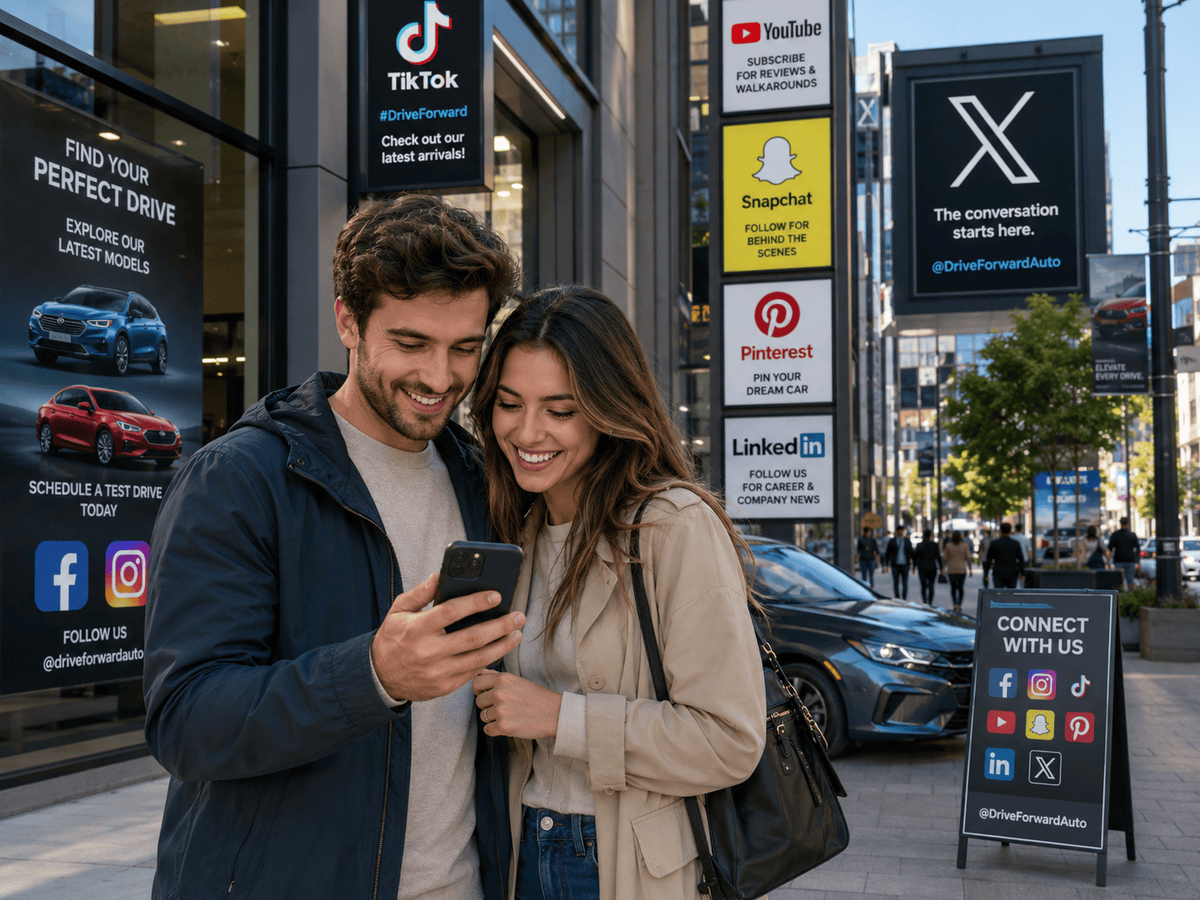
Bad social media car advice can cost shoppers thousands of dollars, yet it often arrives with the confidence of a factory engineer and the urgency of a breaking-news alert.
TikTok, Facebook, Instagram, YouTube and other platforms are filled with dealership secrets, repair warnings, ownership hacks and claims about what automakers supposedly do not want buyers to know. Some posts are genuinely helpful. Others mix opinion with fact, compare the wrong vehicles or repeat rumors until they sound official.
That matters because a car is one of the largest purchases most households make. A misleading restaurant recommendation may ruin dinner. Incorrect automotive advice can leave someone with the wrong vehicle, an unaffordable loan or a repair bill that follows them for years.
You may also like: The 48-Hour Test Drive Is the New Car-Buying Hack
Why Social Media Car Advice Spreads So Quickly
Social media rewards certainty, emotion and speed. Accurate automotive reporting often needs qualifications. A truck may tow a certain amount, but only with the right engine, axle ratio, cab, bed and factory package. A short video performs better when it skips those details and offers one dramatic answer.
The Reuters Institute’s 2026 Digital News Report found that social media and video networks became the most widely used source of news globally, reaching 54% of audiences. Concern about fake news also rose to 62%. The report found that people often consider individual creators entertaining and relatable, but less trustworthy and impartial than other information sources.
You may also like: The Most Googled EVs in America, And What That Really Means

EV Myths Show How Bad Information Takes Hold
Electric vehicles have become especially fertile territory for automotive misinformation. Claims about battery life, fires, charging, winter range and environmental impact are regularly reduced to absolutes.
A peer-reviewed 2025 Nature Energy study surveyed 6,341 people in the United States, Australia, Germany and Austria. Researchers found that more respondents agreed with false statements about EVs than disagreed. Education did not predict who accepted the misinformation, which is an important reminder that confidence and knowledge are not the same thing.
Cold weather can reduce EV range. Batteries do gradually lose capacity. Charging access varies by location. Those are legitimate ownership considerations, but they do not make every alarming video accurate.
You may also like: Car Loans Could Get Brutally Expensive
Bad Car-Buying Advice Can Become Very Expensive
Social media turns complicated financial decisions into universal rules. Never lease. Always lease. Paying cash guarantees the best deal. Extended warranties are always worthless. Never reveal a trade-in until the last minute.
Each statement can be right in one situation and wrong in another. The answer depends on incentives, interest rates, mileage, depreciation, warranty coverage, credit and how long the buyer plans to keep the vehicle.
A low monthly payment shown online may hide a large down payment, an 84-month loan, taxes or dealer add-ons. A suspiciously cheap Marketplace listing may use photographs and a VIN copied from a real vehicle. The Federal Trade Commission has also warned online car sellers about fake buyers who send counterfeit checks, claim they overpaid and ask for the difference back.
You may also like: Used Car Airbag Warning: The Risk You Can’t See

A Viral Video Is Not a Vehicle Inspection
Specifications are easy to misstate. A feature shown on one trim may not be standard on another. Overseas models may have different engines and equipment. A recall may affect only certain production dates and vehicle identification numbers.
No influencer can determine a used car’s mechanical condition from a walkaround video. Buyers still need to verify the title and VIN, check open recalls, review service history and arrange an independent pre-purchase inspection.
You may also like: Luxury SUV Buying Checklist to Avoid Remorse
How to Verify Social Media Car Advice
Start by finding the original source. Check specifications against the manufacturer’s current website, owner’s manual or window sticker. Confirm recalls through the National Highway Traffic Safety Administration. Compare financing claims with the complete written offer, not a screenshot of the monthly payment.
Then consider who is speaking. Did the creator actually test the vehicle? Is the content sponsored? Does the post identify documents, named experts or verifiable data? Does the publisher correct errors publicly?
Professional news organizations can make mistakes, too. The important difference is accountability. A responsible automotive newsroom uses original documents, named sources, editors and a corrections process. Social media can be excellent for discovering vehicles and hearing owner experiences. It should begin your research, not end it before you sign a contract.