Car loans could get brutally expensive just when buyers were expecting relief.
The Federal Reserve did not raise interest rates at its June meeting. That matters, because the easy headline would be wrong. What changed is the outlook. Instead of clearly pointing toward cheaper money in 2026, Fed policymakers are now leaving the door open to higher rates if inflation refuses to cool.
For car shoppers, that is not some abstract Wall Street concern. It lands directly in the monthly payment. Most Americans do not experience a new vehicle as a sticker price. They experience it as $700, $800, $900, or even $1,000 a month, plus insurance, fuel, repairs, registration, and the occasional tire bill that arrives with the emotional warmth of a parking ticket.
You may also like: That New Car Is $6,400 More Expensive Here’s Why.
Why the Fed Suddenly Matters to Car Buyers
The political twist is hard to ignore. President Donald Trump worked to install Kevin Warsh as Federal Reserve chair, with the expectation that a new chair would be more open to lower interest rates. Lower rates would help consumers, homebuyers, businesses, and the car industry.
But the Federal Reserve chair does not control rates alone. The Federal Open Market Committee votes as a group, and its job is not to make car loans cheaper. Its job is to balance employment and inflation. If inflation stays elevated, especially because of energy costs or supply shocks, the Fed may decide that cutting rates would pour gasoline on a fire that is already too warm.
That is why this moment feels so uncomfortable. A president can want cheaper money. Buyers can desperately need cheaper money. Automakers can build sales forecasts around cheaper money. But if inflation is still too high, the Fed may keep rates high, or even push them higher.
You may also like: Used Car Prices Surge Amid Tariff Turmoil

What Higher Rates Do to Car Payments
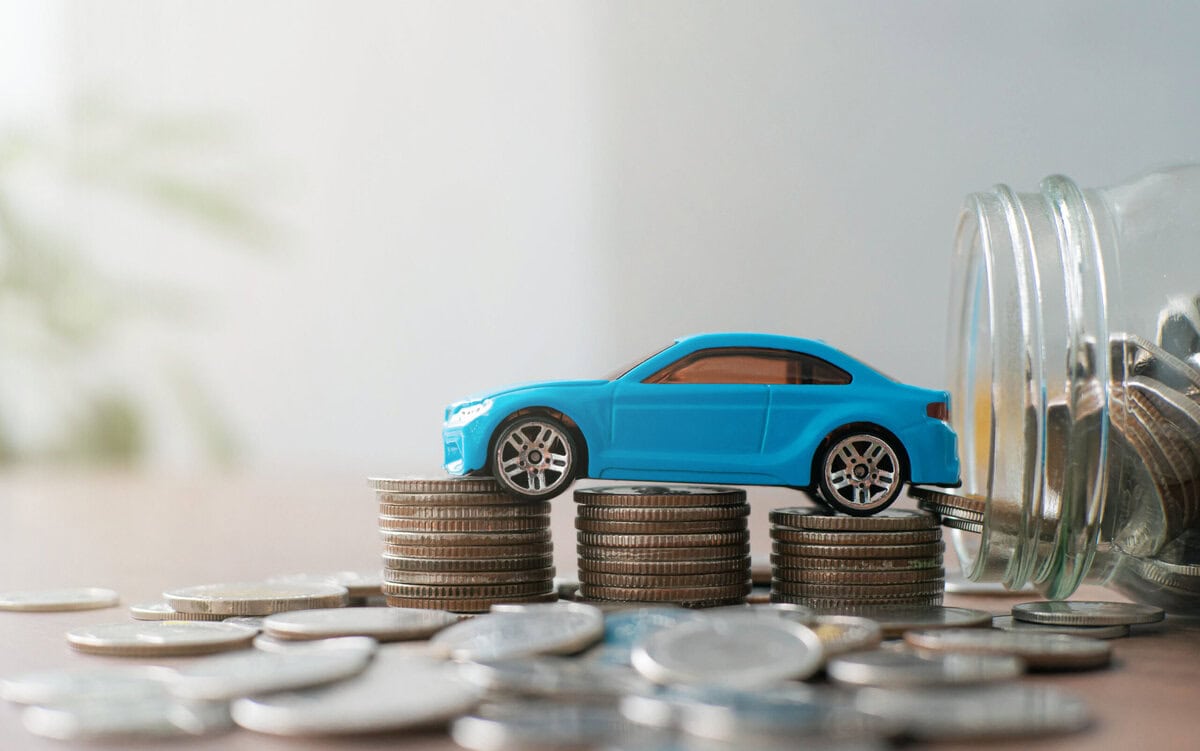
The math is simple and unpleasant. Higher rates make borrowed money more expensive. A small increase may only add a few dollars a month on paper, but buyers are not starting from a comfortable place.
Edmunds says the average amount financed for a new vehicle reached $43,899 in the first quarter of 2026, while the average monthly payment hit $773. One in five financed new-car buyers was already carrying a payment of $1,000 or more. That is before considering the cost of insurance, which has become one of the ugliest surprises in household transportation budgets.
Cox Automotive has also shown that the average new-vehicle transaction price remains near $50,000. That means buyers are not just financing a car. They are financing a lifestyle decision that can follow them around for six or seven years.
This is where long loans become tempting. Stretching a loan to 72 or 84 months can make the monthly number look survivable. The problem is that it can also increase total interest paid and raise the risk of negative equity. That is the lovely moment when you owe more on your car than the car is worth. Nobody puts that in the brochure.
You may also like: Best Full-Size Trucks in America for 2026

How the Auto Industry Gets Hit Next
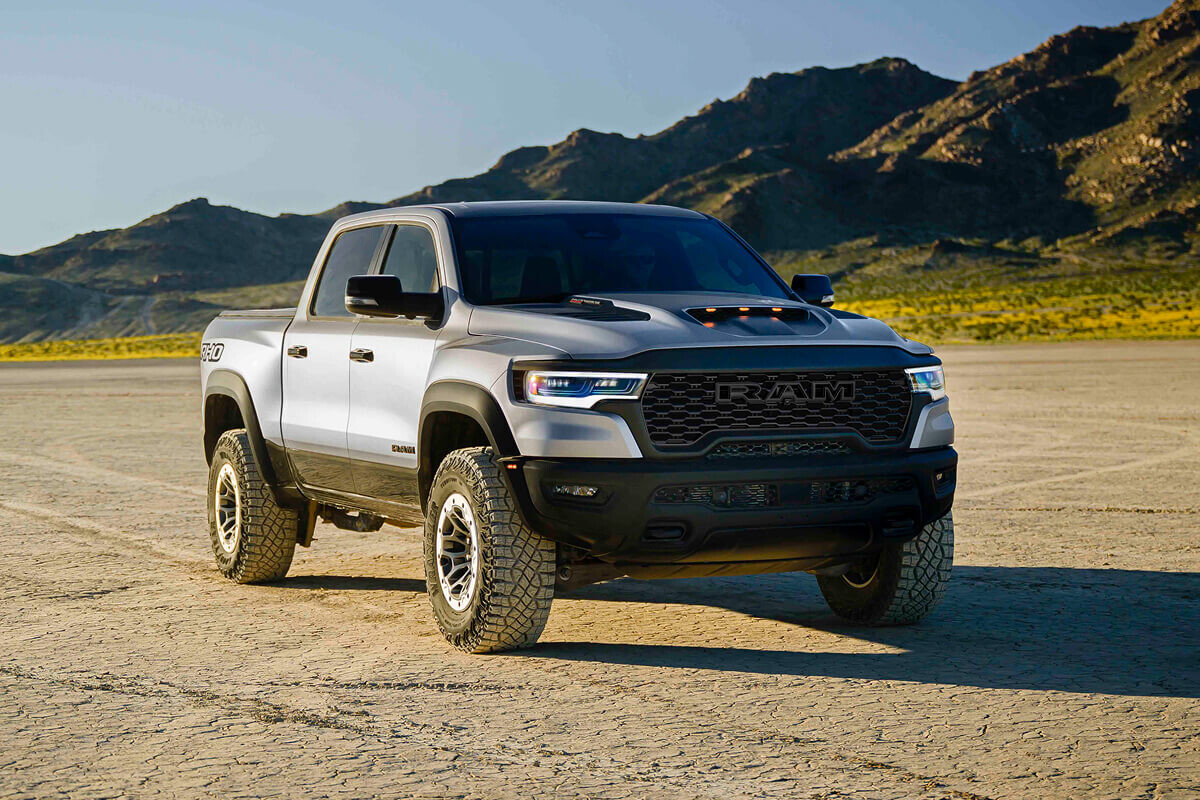
If rates rise, the pain will not be evenly distributed. Expensive trucks, large SUVs, and luxury vehicles are the most exposed because their transaction prices are already high. Automakers may need more incentives, subsidized finance offers, or cheaper trims to keep buyers moving.
Used vehicles could see more demand as shoppers flee new-car prices, but that can keep used prices stubbornly high. Budget-friendly models, hybrids, compact SUVs, and efficient vehicles could gain attention because buyers will be comparing total cost, not just horsepower and screen size.
The biggest change may be psychological. Consumers who believed relief was coming may now wait, repair what they already own, or downsize their expectations.
The Fed has not raised rates yet. That distinction matters. But the message to car buyers is clear enough: do not count on cheaper financing to rescue the next purchase. Shop the rate, not just the rebate. Get preapproved. Compare lenders. Read the total interest cost. And be careful with any deal that only looks good because the loan stretches into the next presidential administration.