Monterey Car Week Race Guide: Where Historic Motors Roar
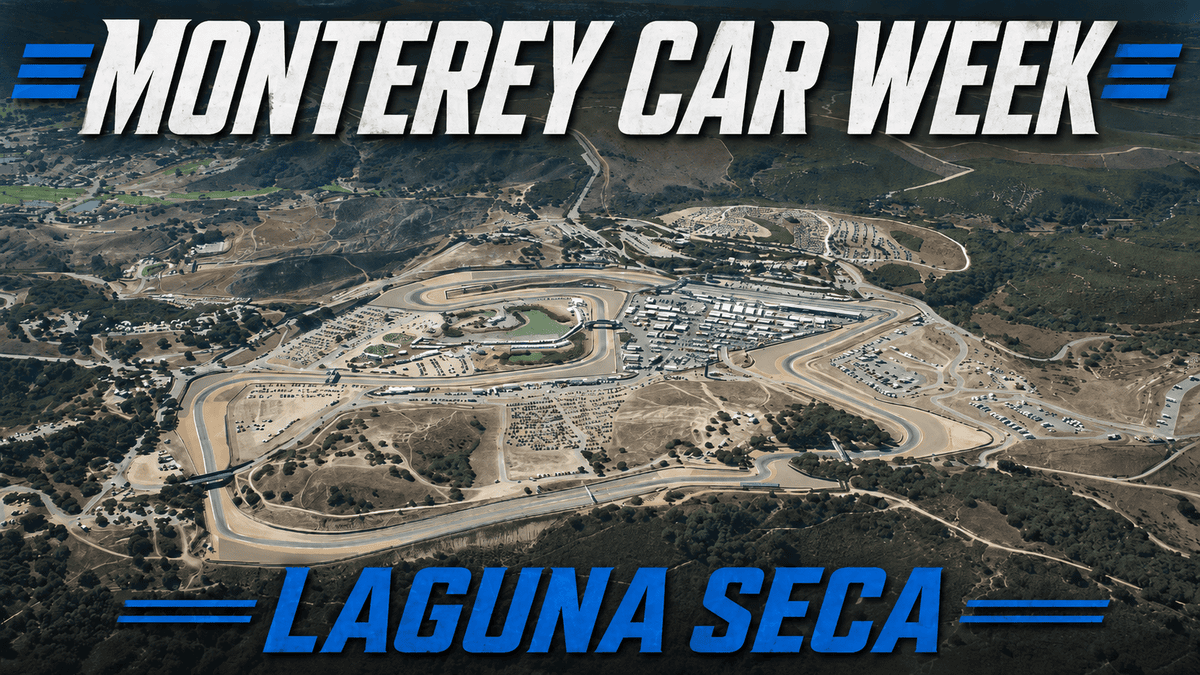
This Monterey Car Week Race Guide reveals how historic motors, Laguna Seca action, and vintage paddocks deliver ultimate racing.
The Magic of Rolex Monterey Motorsports Reunion
You may also enjoy: Why the Rolls-Royce Luxury Experience Is the Real Product
Every August, the Monterey Peninsula transforms into the beating heart of global automotive culture. While high-end auctions, luxury lawn displays, and concours elegance draw massive crowds, real motorsport enthusiasts know the true pulse of the week vibrates at WeatherTech Raceway Laguna Seca. The Rolex Monterey Motorsports Reunion stands as the premier racing centerpiece of the entire festival, bringing hundreds of authentic, historic race cars back to the circuit where they originally forged their legacies. Unlike static museum exhibits or polished concours displays where vehicles remain stationary, this event demands that multi-million-dollar machines drive at full combat speed.
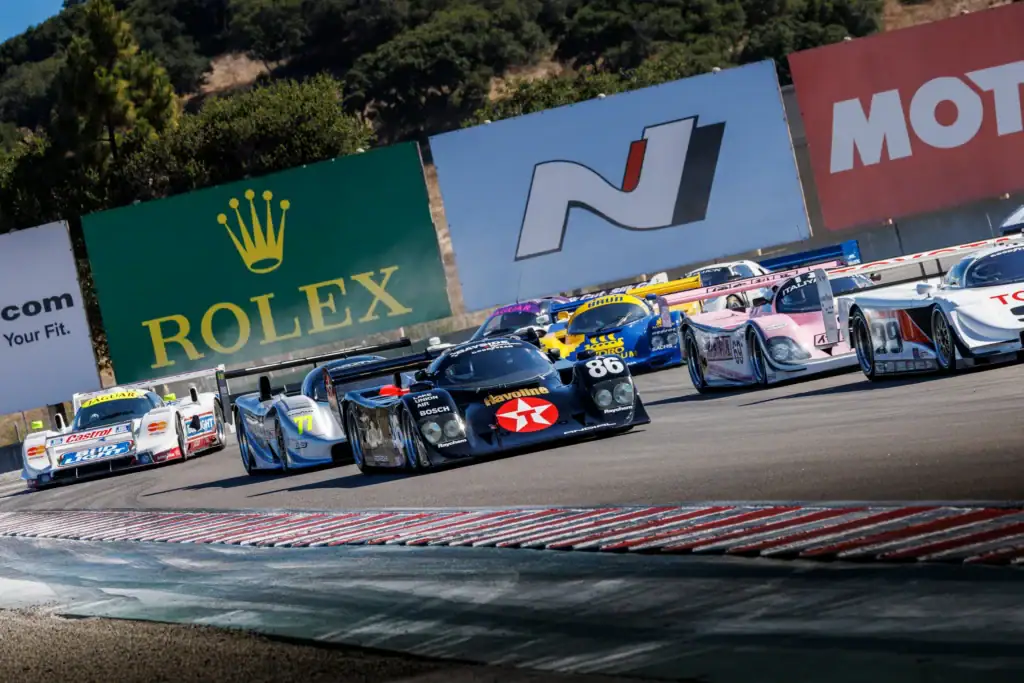
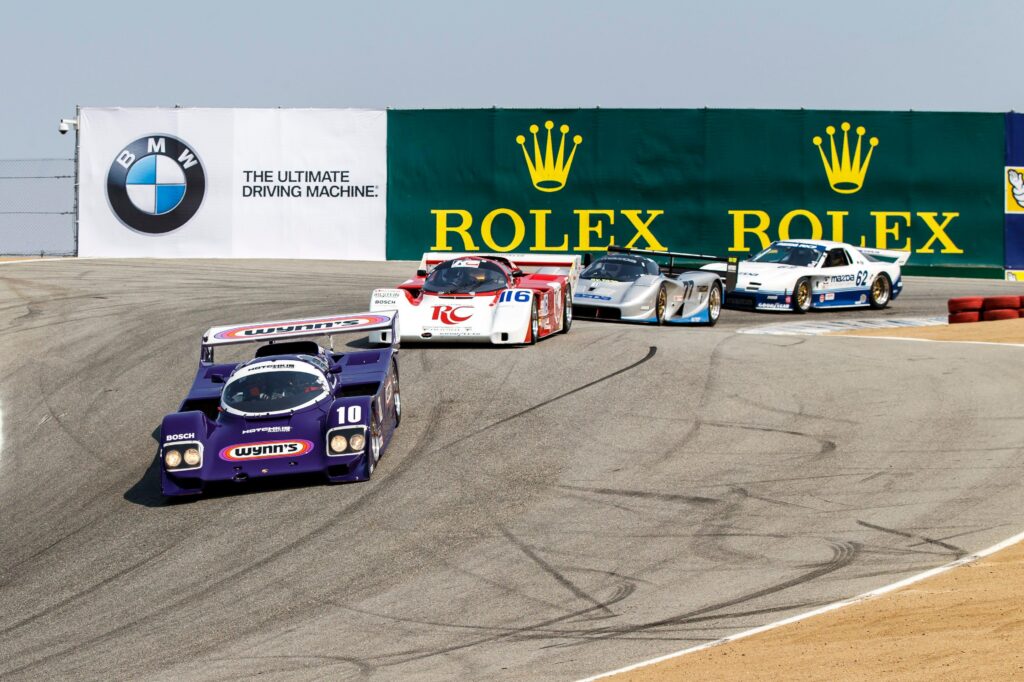
What sets this gathering apart from every other automotive spectacle in North America is the uncompromising commitment to historical authenticity. Every vehicle competing on the track must possess verified racing pedigree and period-correct mechanical configuration. According to historical standards maintained by Fédération Internationale de l’Automobile motorsport governance, maintaining period technical specifications preserves true racing heritage. Spectators witness real wheel-to-wheel competition between priceless Trans-Am muscle cars, roaring Can-Am prototypes, pre-war Grand Prix machines, and iconic Le Mans endurance racers. Drivers do not hold back for photo opportunities; they push these machines hard through apexes, trading painting lines and testing mechanical endurance just as drivers did decades ago.
Navigating Laguna Seca and the Corkscrew
Understanding the physical layout of WeatherTech Raceway Laguna Seca is essential for anyone attending the races during Monterey Car Week. Built in 1957 on a former military artillery range, the 2.238-mile natural terrain road course features eleven challenging turns and dramatic elevation changes. The most famous feature on the circuit is Turn 8 and 8A, universally recognized across international motorsport as the Corkscrew. Drivers drop five stories in elevation through a blind, hard-left drop followed immediately by a sweeping right turn, testing chassis balance and driver bravery.
You may also enjoy: Hennessey Blackbird Brings Back the Analog Hypercar
To experience the racing properly, spectators should move around the circuit rather than staying in a single grandstand. Viewing the cars charge up the hill toward Turn 6 offers a visceral sense of speed and mechanical power as engines strain under load. Position yourself at the top of the Corkscrew during practice or morning heat races to appreciate the technical skill required to navigate the blind entry. The outside of Turn 11 near the main straightaway provides an exceptional vantage point for heavy braking maneuvers and pass attempts before cars acceleration across the start-finish line.
Monterey Car Week Race Guide to Paddock Access
You may also enjoy: Lamborghini Miura Tribute: Only 99 Will Ever Exist
One of the greatest advantages of attending the vintage races at Laguna Seca is the open paddock policy included with admission. While modern Formula 1 or top-tier sports car events restrict garage access to elite pass holders, Monterey opens its entire pit area to every ticket holder. Historic preservation guidelines highlighted by the National Park Service emphasize the cultural value of preserving historic machinery in operational condition. Walking through the open-air paddocks puts fans within inches of legendary GT40s, vintage Porsche 911 RSRs, and aluminum-bodied Ferraris while mechanics turn wrenches, tune carbureted engines, and prep chassis for upcoming heat races.
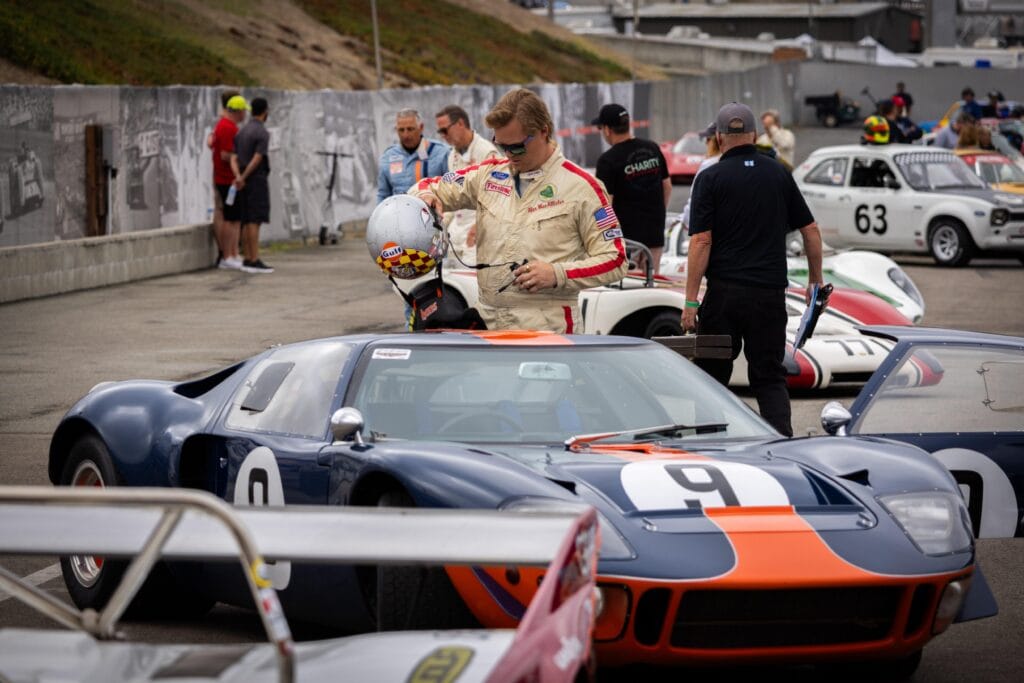
Navigating the paddocks effectively requires a thoughtful approach and respectful awareness. Mechanics and drivers are constantly moving tire stacks, support equipment, and live race cars through narrow gravel paths. Keep your ears open for revving engines and honking air horns, giving active pit crews plenty of room to operate safely. Talking with car owners and mechanics often yields incredible stories about chassis restoration, period racing history, and the engineering challenges of keeping vintage mechanical components running at racing temperatures.
Historic Classes and Unfiltered Mechanical Sound
You may also enjoy: How the Volkswagen Atlas Made VW More American
The diversity of racing categories represented during the reunion weekend ensures that no two heat races sound or look identical. Local park resource policies administered by Monterey County Parks help balance public recreational use with the protection of surrounding natural habitats. The event organizes competing vehicles into distinct, era-specific run groups designed to maintain safety and competitive balance. One session might feature nimble 1960s Formula Junior open-wheel cars dicing through tight turns, followed immediately by heavy-breathing 1970s Stock Cars shaking the surrounding hillsides with massive American V8 exhaust notes.
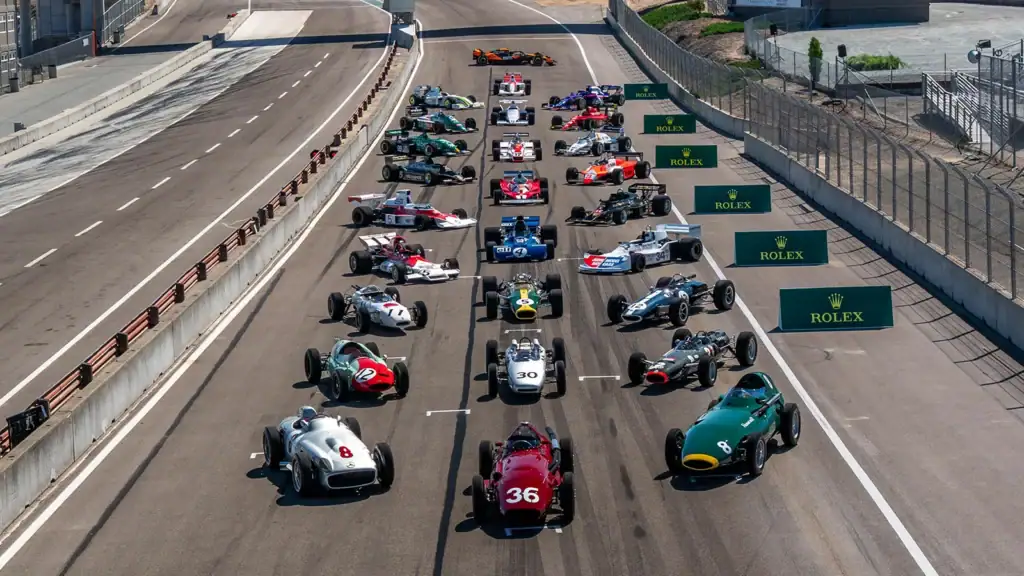
The auditory experience at Laguna Seca is unlike anything found in modern motorsport, where strict noise restrictions and turbocharging often muffle exhaust notes. Listening to an uncompressed, naturally aspirated V12 or a high-revving flat-six scream down the front straightaway creates an acoustic memory that stays with you forever. Each era brings a unique soundscape, from the mechanical clatter and gear whine of 1920s Bugattis to the turbocharged turbo-whoosh and backfire pops of 1980s IMSA GTP prototypes pushing maximum boost.
Essential Planning for the Ultimate Race Weekend
You may also enjoy: Volvo EX50 EV Targets the $50,000 Sweet Spot
Maximizing your race day experience requires realistic preparation for Monterey Peninsula weather and logistical realities. Regional travel safety guidelines from the U.S. Department of Transportation emphasize planning ahead for event traffic congestion on narrow coastal highways. Morning fog frequently rolls across the Laguna Seca hills, creating cool temperatures and damp track conditions before burns off around mid-morning into bright, direct sunshine. Dressing in layered clothing ensures comfort throughout changing weather conditions, while sturdy walking shoes are mandatory for navigating steep, dirt-covered hillsides surrounding the track perimeter.
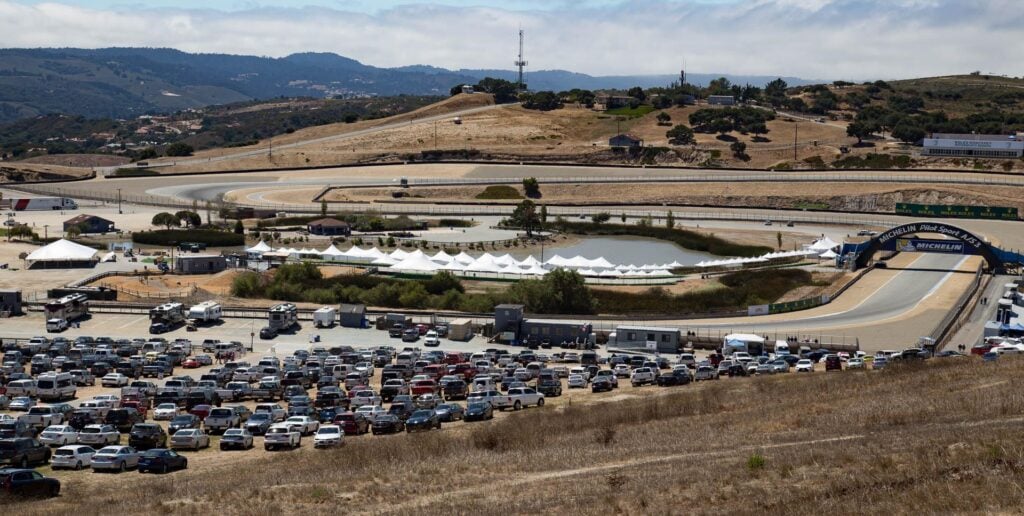
Traffic around Salinas and Monterey becomes heavily congested during peak morning arrival hours and evening departures. Leaving early in the morning avoids long gate lines and allows you to catch early warm-up sessions when track activity begins. Packing sun protection, ear protection, and plenty of water will keep you energized for full days outdoors. By combining proper preparation with an appreciation for motorsport history, attending the historic races becomes the unforgettable highlight of your entire Monterey Car Week journey.