Rolls-Royce Silver Ghost: The Car That Built a Legend
Rolls-Royce Silver Ghost: The Car That Built a Legend
The Rolls-Royce Silver Ghost turns 120, celebrating the extraordinary engineering, record-breaking speed and American history that established a luxury legend.
Imagine spending a fortune on a new car, collecting the keys and discovering the manufacturer has deliberately locked the gearbox in top gear. No first. No second. No third. Just one gear, and a rather ambitious journey from London to Edinburgh.
That sounds like the beginning of a very expensive mechanical disaster. In 1911, however, Rolls-Royce did exactly that, then used the result to demonstrate just how extraordinary its automobiles had become.
As the Rolls-Royce Silver Ghost celebrates its 120th anniversary on October 26, 2026, there’s a good reason to revisit the machine that established the company’s reputation. It helped define what luxury motoring should deliver, long before luxury became associated with screens, ambient lighting and reclining seats.
You may also emjoy this Segment from Nik Miles
Why the Rolls-Royce Silver Ghost Still Matters
The original 40/50 H.P. appeared at the Olympia Motor Show in London in November 1906. Henry Royce had developed a six-cylinder automobile that prioritized smoothness and dependability when many competitors still struggled with vibration, breakdowns and inconsistent mechanical performance.
It was a very different automotive world. The Smithsonian’s account of early automobiles explains how steam, gasoline and electric vehicles competed for customers at the beginning of the twentieth century.
For affluent buyers, the main attraction wasn’t necessarily outright speed. It was the ability to travel comfortably and arrive without needing a mechanic to complete the journey.
Royce understood something that modern luxury manufacturers still struggle to achieve: passengers notice what a vehicle doesn’t do. They notice the absence of unpleasant vibration, excessive noise and constant mechanical interruptions.
The Silver Ghost delivered an unusually convincing version of that experience for its era.
You may also enjoy: Rolls-Royce Phantom at 100: What’s Next for the Brand
One Gear, 24 MPG and More Than 100 MPH
The most fascinating Silver Ghost wasn’t necessarily the most glamorous.
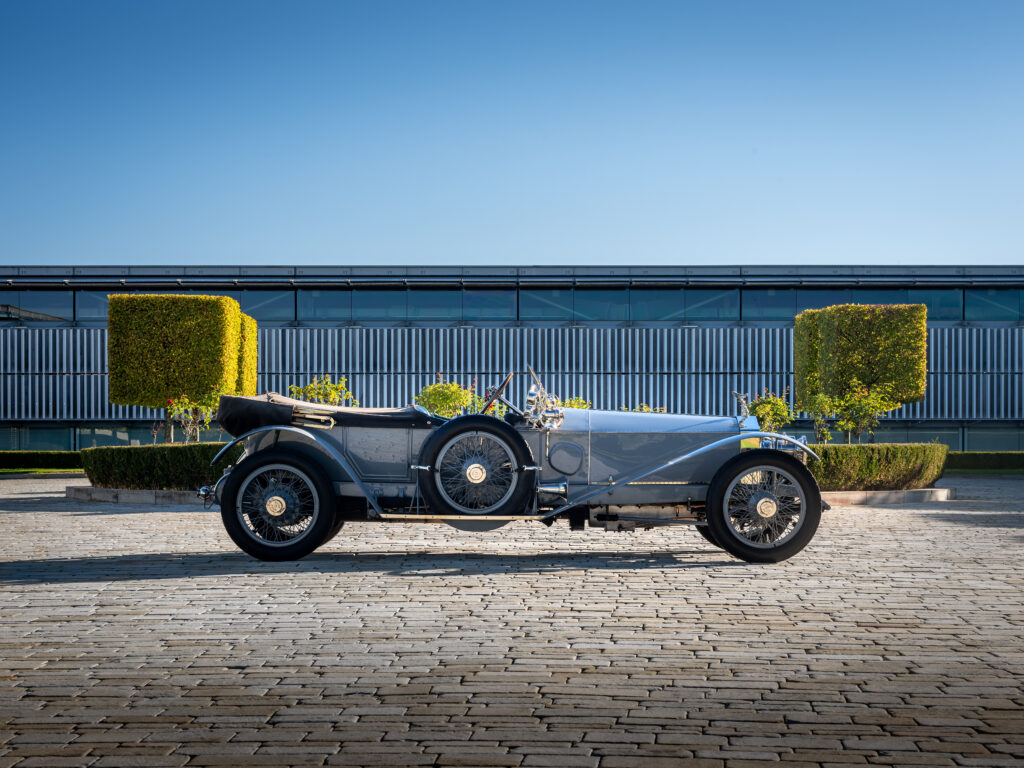
Chassis 1701, affectionately nicknamed “The Sluggard,” was entered in the 1911 London-Edinburgh Trial with its gearbox locked in top gear. Rolls-Royce experimental driver Ernest Hives completed the journey at an average speed of 19.59 mph, achieving better than 24 mpg.
Consider what that represented. The car had to start, accelerate, climb gradients and continue traveling without the normal flexibility of selecting another gear.
For context, the Smithsonian’s history of the early automobile’s mechanical development describes the competing engine and drivetrain designs that manufacturers were refining during this period.
Then Rolls-Royce took chassis 1701 to Brooklands, fitted streamlined bodywork and recorded 101.8 mph.
That’s an impressive change of character for an automobile that had just demonstrated exceptional economy under restrictive conditions.
The historic figures are Rolls-Royce’s recorded results, not modern independent test measurements. They should be judged against the technology and roads of 1911 rather than used as a direct comparison with contemporary EPA figures.
You may also enjoy: How the Rolls-Royce Phantom Became a Status Symbol
The Silver Ghost Has an American Story Too
Something frequently overlooked in accounts of this thoroughly British automobile is that a substantial number were manufactured in the United States.
Rolls-Royce built 6,173 Silver Ghosts in Britain between 1906 and 1925, with another 1,703 assembled at its Springfield, Massachusetts operation.
That American production represented approximately 21.6 percent of the combined 7,876 vehicles built during the model’s main production period.
The timing mattered. America’s relationship with the automobile was changing, although ownership remained beyond the reach of many households. The Smithsonian’s examination of Americans adopting the automobile shows how the country gradually developed the infrastructure, businesses and habits needed for widespread motoring.
Rolls-Royce wasn’t pursuing Ford’s mass-market strategy. While the Model T helped bring transportation to ordinary households, the Silver Ghost addressed a much smaller group seeking remarkable refinement and individual craftsmanship.
And the manufacturing philosophy was different. Buyers could select various coachbuilt bodies, giving their cars distinct appearances and purposes.
The Birth of Bespoke Luxury
Claude Johnson, Rolls-Royce’s first commercial managing director, understood that engineering alone wouldn’t create an enduring identity.
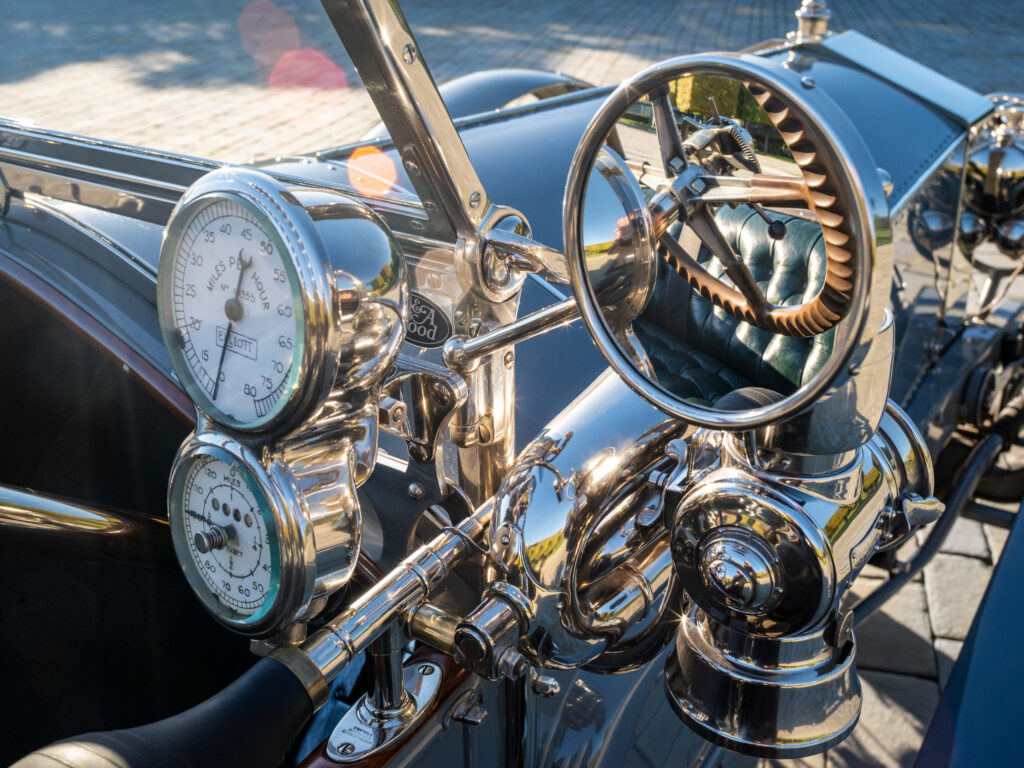
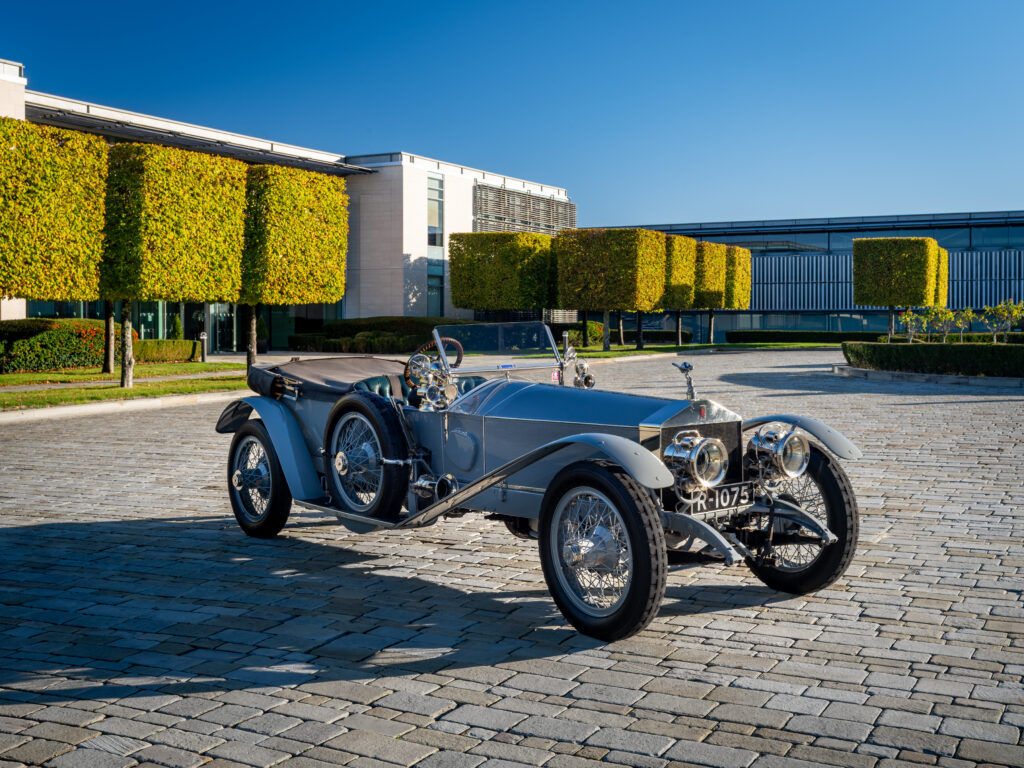
He selected chassis 60551, finished it in silver with matching plated fittings, and named it “The Silver Ghost.” The individual automobile became so famous that its name eventually applied to every 40/50 H.P.
That decision established an early connection between mechanical achievement and carefully presented luxury.
Fast-forward 120 years and the company still emphasizes personalization. Modern commissioning can involve distinctive paints, complex woodwork, unusual interior materials and details designed specifically for one customer.
But there’s an important distinction. The original Silver Ghost’s reputation depended primarily on proving its mechanical abilities. Modern bespoke commissions increasingly emphasize rarity, craftsmanship and personal expression.
Both approaches create value, although they measure achievement rather differently.
You may also enjoy: Rolls-Royce Phantom Centenary: Woodwork Reimagined
When Silence Became the Ultimate Luxury
One of my favorite details from the Silver Ghost’s history concerns Australian owner Charles H. Angas.
He reportedly called his automobile “The Dreamer” because his wife regularly fell asleep while riding in it.
Forget the traditional advertising language about leather, wood and expensive materials. A passenger falling asleep because the car is so comfortable makes the point rather effectively.
Today, refinement remains a central part of Rolls-Royce’s identity, although the engineering methods have changed dramatically.
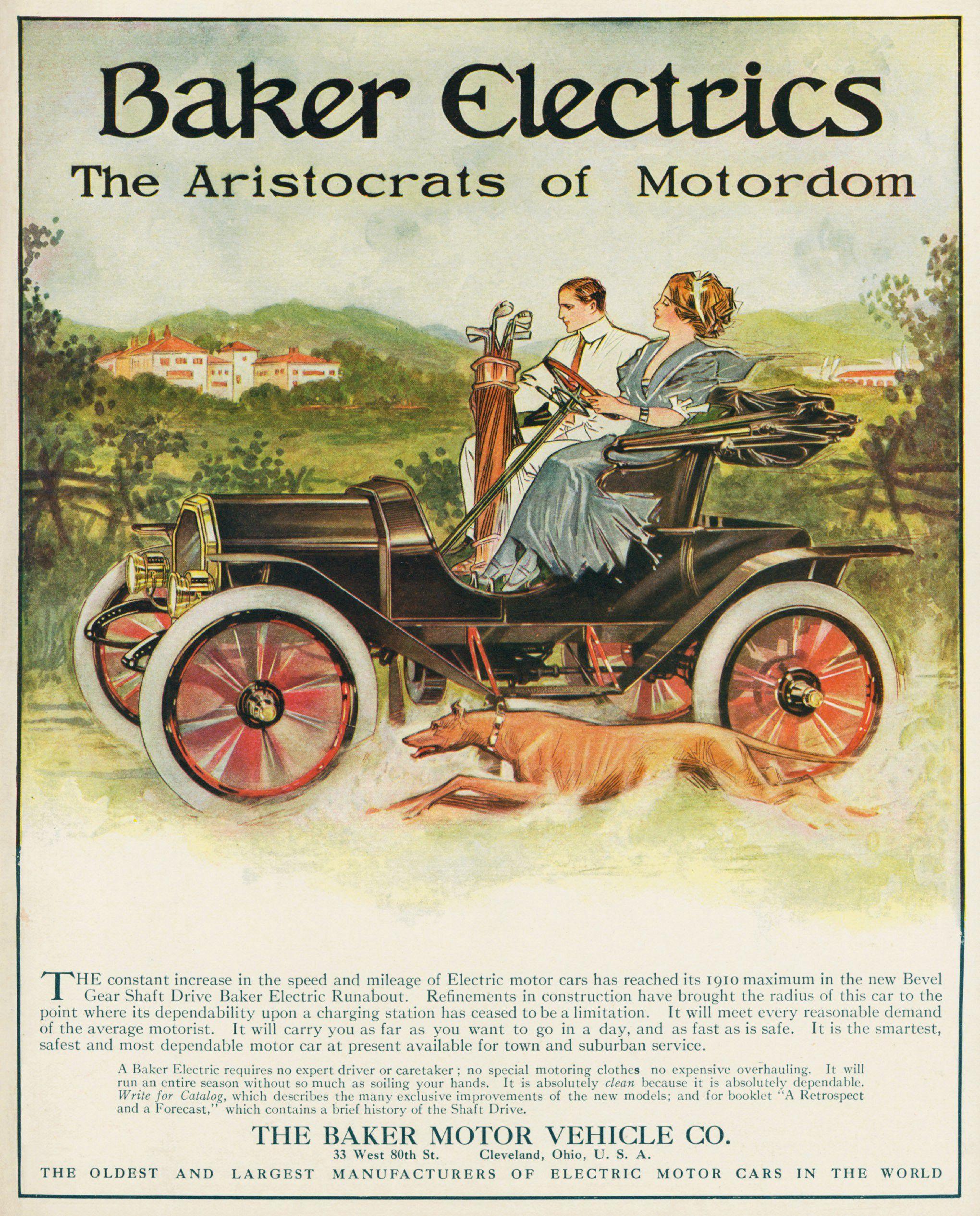
Electric propulsion is particularly interesting in this context. The U.S. Department of Energy’s history of electric cars shows that electric vehicles were already competing with gasoline-powered machines around the time the Silver Ghost appeared.
Electric power isn’t a new invention. Its suitability for quiet, effortless transportation has been appreciated for generations.
The modern Rolls-Royce Spectre connects that older idea with today’s engineering. Electric motors provide smooth acceleration without the combustion events of a gasoline engine, although tire noise, wind noise and suspension behavior still require careful attention.
That continuity is more meaningful than simply placing an old car beside a new one for an anniversary photograph.
You may also enjoy: Inside the Rolls-Royce Scarcity Strategy
What Makes a 120-Year-Old Car Worth Preserving?
Owning a Silver Ghost today is a completely different proposition from buying a contemporary luxury vehicle.
Its technology is historically important, but parts, specialist servicing, storage and the preservation of original components require a substantial commitment.
A prospective collector should examine the chassis history, coachwork provenance, mechanical condition and documentation of restoration work. The fact that two Silver Ghosts look similar doesn’t establish that their histories or originality are equivalent.
There’s also the matter of using the vehicle rather than simply displaying it.
In 2013, 47 Silver Ghosts participated in a recreation of the 1,800-mile Alpine Trial route. Chassis 1701 also returned to the London-Edinburgh journey in 2021, again operating with its transmission locked in top gear.
These events continue a long tradition of using extended journeys to demonstrate automobile capability. The Smithsonian’s history of early cross-country driving explains how difficult long-distance motoring could be before dependable roads and service networks developed.
Survival alone is impressive. The fact that properly maintained Silver Ghosts can still undertake substantial journeys adds another dimension to their historical significance.
You may also enjoy: Spectre Bailey: A Bespoke Rolls-Royce Tribute to a Dog
What Today’s Rolls-Royce Buyers Can Learn
Rolls-Royce naturally wants customers to associate its latest vehicles with the engineering excellence of 1906.
That heritage is valuable, but modern buyers should distinguish the brand’s historical achievements from measurable qualities in a new vehicle.
Quietness, ride comfort, cabin craftsmanship, durability and ownership support all deserve evaluation on their present merits. A century of prestige cannot replace a careful examination of the actual automobile being purchased.
For customers comparing ultra-luxury vehicles, the Silver Ghost offers a useful reminder that true refinement is experienced over a journey, not merely admired in a showroom.
The Car That Set the Standard
In a modern automotive industry that measures progress through processor speeds, battery capacity and ever-larger displays, the original Silver Ghost provides a refreshingly different perspective.
Henry Royce concentrated on making an automobile smooth, dependable and exceptionally pleasant to use. Claude Johnson made sure the world saw the results.
Those priorities established expectations that Rolls-Royce customers have carried forward for 120 years.
The company’s challenge in 2026 is to demonstrate that the same attention to engineering still exists beneath the leather, polished wood and considerable expense.
After all, there’s a rather satisfying difference between a car that looks luxurious and one that can make its passengers forget they’re traveling at all.