2027 Car Safety Tests: Which Models Face New Scrutiny?
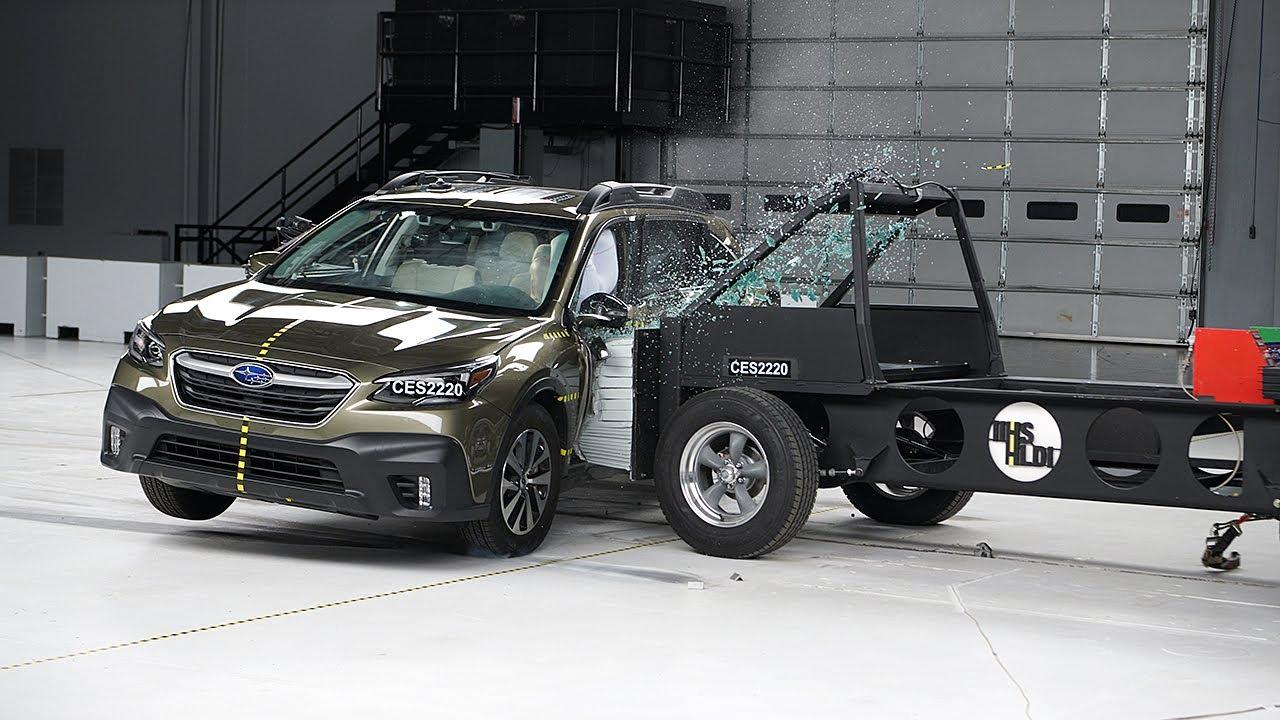
The 2027 car safety tests put popular SUVs, pickups and electric cars under closer examination, with new attention to pedestrians and crash-avoidance technology.
Imagine spending $50,000 on a family SUV, carefully examining its five-star safety rating and discovering that the government now wants to know something else: How dangerous is its front end to someone crossing the street?
That is the interesting development behind the National Highway Traffic Safety Administration’s October 15 announcement of its 2027 vehicle testing selections. It raises questions that car shoppers should be asking before signing the paperwork.
We’re accustomed to seeing crash-test dummies strapped into vehicles before engineers send them into barriers. It is reassuringly dramatic, especially when somebody else is paying for the car. But automotive safety involves more than surviving the impact.
You may also enjoy this Video:
2027 Car Safety Tests Put Familiar Vehicles Under Examination
NHTSA has selected 23 vehicles for crashworthiness testing, 18 for pedestrian-protection verification and 10 for advanced driver-assistance evaluation. The categories overlap, and the announcement is not a list of vehicles that have failed.
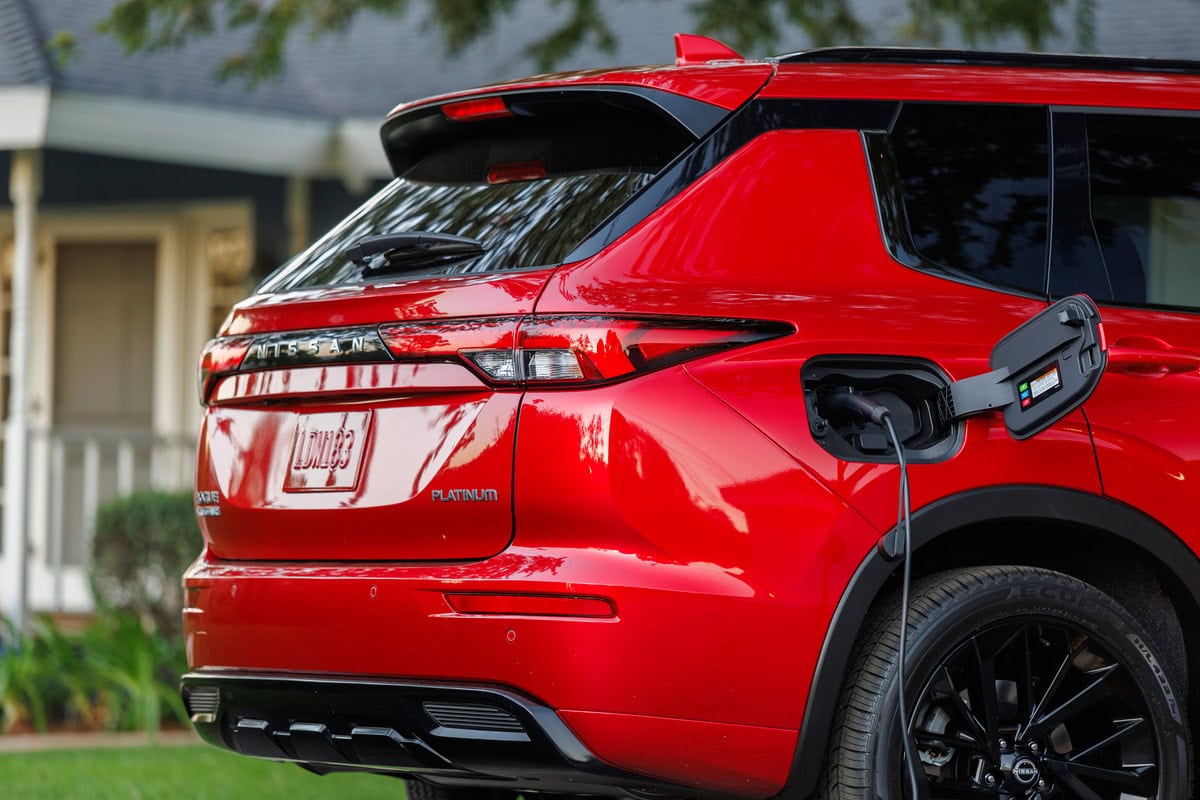
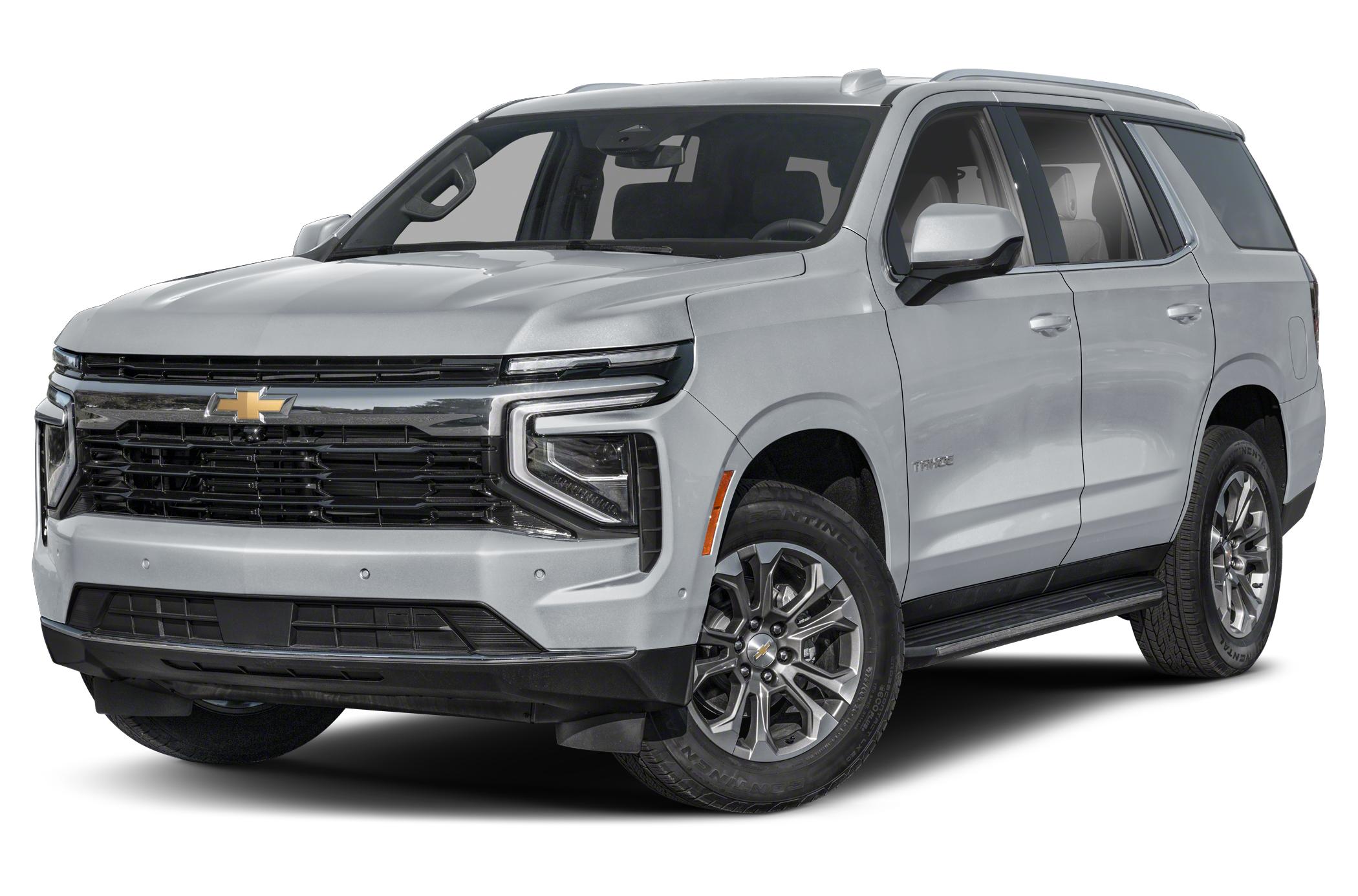
The agency’s 2027 testing announcement includes the Chevrolet Tahoe, Hyundai Tucson, Kia Telluride, Tesla Model 3, Nissan Rogue and Volkswagen Atlas among its crashworthiness selections.
For buyers, this means some of the country’s most recognizable vehicles will face another round of independent scrutiny. The results may be particularly useful when comparing a newly redesigned model against an established competitor.
Consider the Volkswagen Atlas. Its latest generation brings improved driver-assistance technology, including a system designed to help stop the SUV when the driver becomes unresponsive. That is potentially valuable, but it answers a different safety question from how the vehicle behaves in a collision.
You may also enjoy: 2027 VW Atlas Review: Three Rows Done Properly
A Five-Star Rating Is Only Part of the Story
Most car buyers understandably want a simple answer. Which vehicle is safest? Unfortunately, physics has never been particularly cooperative about offering simple answers.
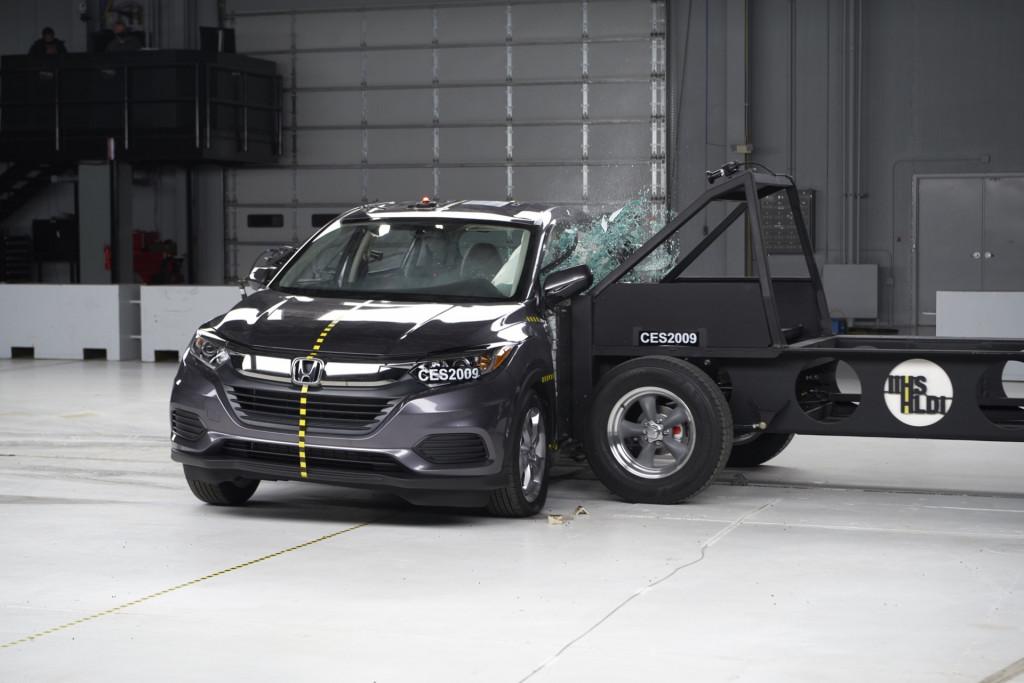
NHTSA’s Five-Star Safety Ratings help consumers evaluate frontal crash performance, side impacts and rollover resistance. Those measurements remain important, but they do not describe every possible accident.
The new testing framework also examines pedestrian protection and electronic collision-avoidance systems. These are related but separate issues, and buyers should resist combining them into one imaginary overall score.
A vehicle can offer excellent occupant protection while still having room for improvement in its ability to reduce pedestrian injuries. Conversely, a sophisticated emergency braking system cannot guarantee that every collision will be avoided.
There is also a model-year trap. The redesigned Hyundai Tucson may share its name with the previous generation, but buyers should not automatically transfer an older vehicle’s safety results to substantially changed hardware.
You may also enjoy: 2027 Hyundai Tucson Adds Space and Smarter Hybrid Tech
The Biggest Change Concerns People Outside the Car
One of the most significant changes is that the federal government is paying closer attention to pedestrians who have the misfortune of meeting the front of a moving vehicle.
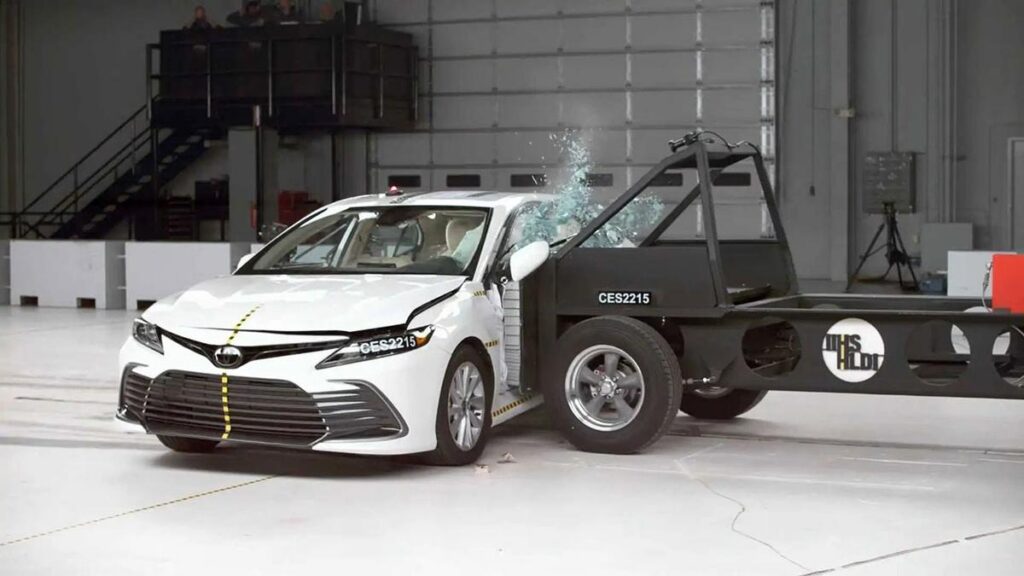
NHTSA’s pedestrian protection assessment examines injury risks involving the head, hips, legs and knees. Specialized impact devices strike specific areas around the vehicle’s hood, windshield and front bumper.
This is not merely an academic exercise. The shape and construction of a vehicle’s front end can affect injury severity during an impact. For engineers, pedestrian protection introduces another consideration alongside styling, aerodynamics and packaging.
The Toyota RAV4 Hybrid, Honda HR-V, Subaru Outback, Kia Telluride and Volkswagen Atlas are among the vehicles selected for this type of verification testing.
Some 2027 pedestrian results are already available. In September, NHTSA announced that 102 vehicle models from 10 manufacturers met its new performance criteria. Those results should not be confused with outcomes for every vehicle in October’s newly announced testing selection.
This information may eventually influence buying decisions in ways traditional star ratings have not.
You may also enjoy: 2026 Honda CR-V Review: Which Trim Should You Buy?
Automatic Braking Faces a Reality Check
Perhaps the most interesting technology question concerns automatic emergency braking. Nearly every modern car advertisement seems to show a vehicle preventing disaster just before the driver realizes something has gone wrong.
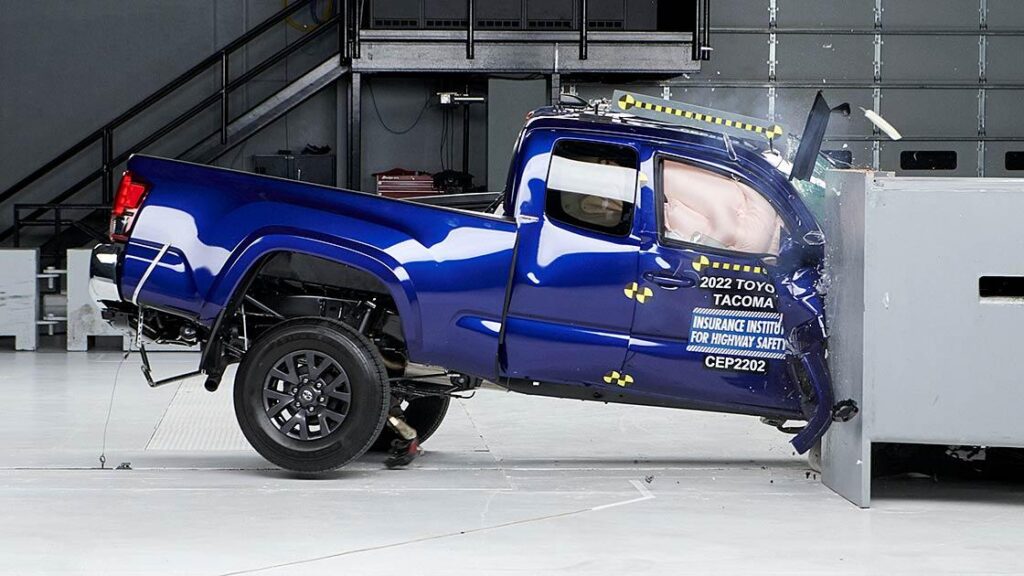
But manufacturers use different combinations of cameras, radar, software and electronic controls. The presence of automatic braking does not necessarily mean every system performs identically.
NHTSA’s updated assessment program adds attention to pedestrian emergency braking, lane keeping, blind spot warnings and blind spot intervention, alongside strengthened existing evaluations.
Its October selection includes the Rivian R2, Tesla Model 3, BMW X5, Chevrolet Silverado 1500 and Kia Telluride for advanced-system verification.
What matters is whether these features perform under the specified conditions, rather than simply appearing on an equipment list. A manufacturer offering twenty electronic safety acronyms does not automatically deserve twenty rounds of applause.
Federal regulators have also adopted a separate automatic emergency braking standard for passenger cars and light trucks. That mandatory equipment rule is distinct from the consumer ratings program.
You may also enjoy: Brake Check: America’s Hardest-Braking Cities
Should Buyers Wait for the New Results?
Not necessarily. Choosing a vehicle requires balancing crash protection, visibility, equipment, seating, reliability and price. Waiting indefinitely for every evaluation is hardly practical when the family car has already reached the end of its useful life.
My advice is to check the exact model year and trim, identify which independent safety results are already available and distinguish missing data from poor performance.
That last point is important. An unrated vehicle is not automatically unsafe. It simply lacks a particular published result. Equally, a familiar badge and extensive equipment package should never substitute for checking the evidence.
Safety results deserve careful reading, as our examination of the Audi Q3 illustrates. A redesigned vehicle may reach showrooms before every independent evaluation has been completed.
You may also enjoy: 2026 Audi Q3 Review: The Everyday Surprise
Shopping note: Keeping a vehicle’s interior protected is a separate ownership consideration from crash safety. For drivers comparing all-weather floor mats, you can Shop OEDRO directly or Shop OEDRO on Amazon. Use code NIKM20 at the OEDRO official store. Check vehicle-specific fitment and factory mat-retention requirements before installation. Test Miles may earn a commission from purchases made through these affiliate links.
The Safest Car May Not Be the One You Expect
The significance of the latest testing announcement is not that familiar vehicles have suddenly become dangerous. There is no evidence supporting that conclusion.
Instead, buyers are receiving a more complete way to examine safety claims. Traditional crash protection remains essential, but pedestrian injury prevention and the real performance of electronic assistance are increasingly part of the conversation.
For automakers, impressive equipment lists will need to stand alongside independently measured performance. For consumers, that creates an opportunity to ask better questions and make more informed comparisons.
The 2027 testing selections are a starting point, not a verdict. The results, once published, will provide the information that matters.
And that may be more useful than the largest touchscreen, the cleverest marketing slogan or another badge proudly announcing that a car can practically think for itself.
Because when something goes wrong on the road, the important question is what the vehicle can actually do.