Japan Auto Production Restarts, But Honda Is Still Waiting
Japan Auto Production is restarting after the Kumamoto earthquake, but Honda remains sidelined by parts shortages until August 19.
Most of Japan’s auto industry is moving again little more than a week after a magnitude-7.1 earthquake recorded by the Japan Meteorological Agency stopped assembly lines, interrupted suppliers and damaged transportation links across Kyushu. Toyota, Nissan, Mitsubishi and Daihatsu have restarted affected factories.
Honda is the conspicuous exception. Two of its Japanese assembly plants are expected to remain idle until August 19 because a key supplier has not fully recovered. The contrast shows how quickly modern factories can be inspected and restarted—and how little that matters when one essential component fails to arrive.
You may also enjoy: Japan Quake Halts Lexus Output as Nissan Assesses Plants
You may also enjoy this video:
Japan Auto Production Returns Across Major Brands
The earthquake struck the Kumamoto region at 4:27 p.m. local time on July 28. Japan’s Meteorological Agency recorded a magnitude of 7.1, with the strongest shaking reaching the top of the country’s seismic-intensity scale. Roads, utilities and industrial operations were disrupted across a region where more than 1,000 companies participate in the automotive supply chain.
Toyota restarted its Miyata assembly plant, Kanda engine plant and Kokura hybrid-component plant on August 6. Miyata is particularly important because it produces the Lexus ES, UX, NX and RX. Toyota Motor Kyushu says the factory can build 430,000 vehicles annually, while roughly 90 percent of the company’s Kyushu-built vehicles are exported.
Toyota’s Tahara plant in central Japan was also interrupted as the supplier effects traveled beyond Kyushu. The parts problem was resolved, although scheduled maintenance kept the plant closed through August 7.
You may also enjoy: The Most American Cars? Not Who You Think
Nissan’s Kyushu operations also resumed August 6. CEO Ivan Espinosa said the company expected to lose approximately 5,000 vehicles and would look for opportunities to recover that output. Mitsubishi returned its Mizushima plant to full operation August 5, while Daihatsu’s affected operations have also restarted.
Why Honda Is Still Waiting
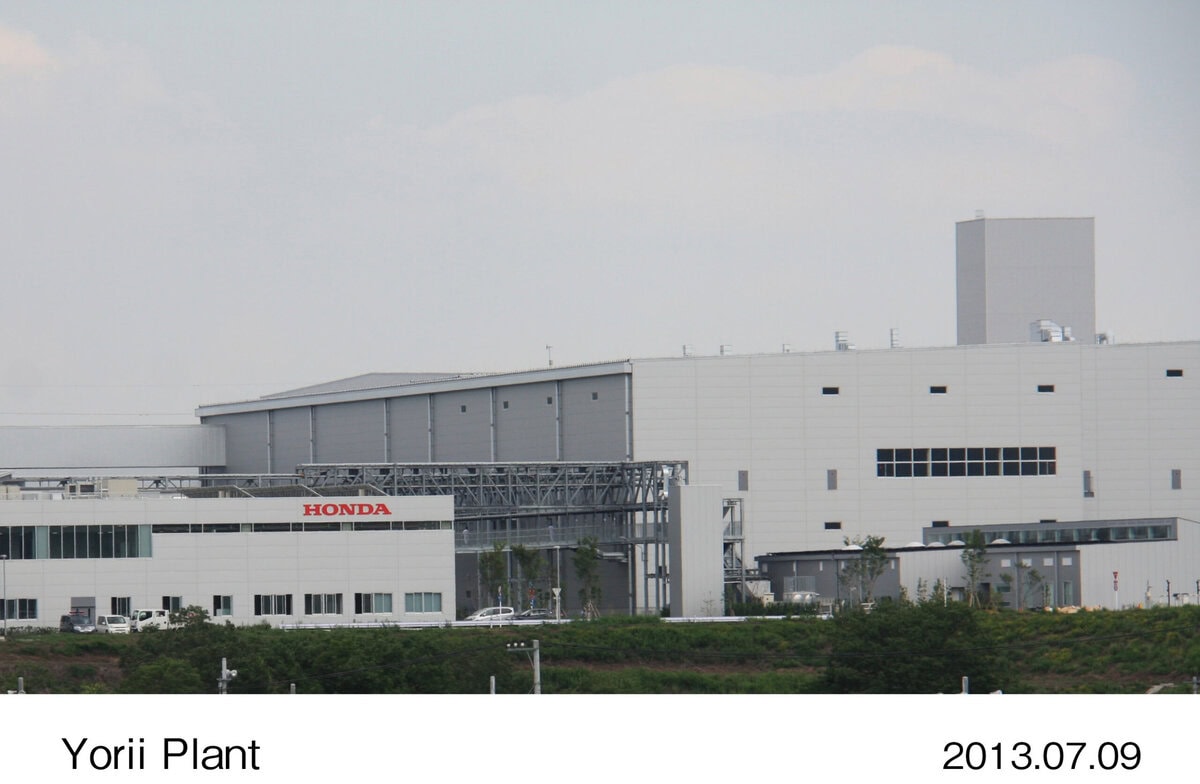
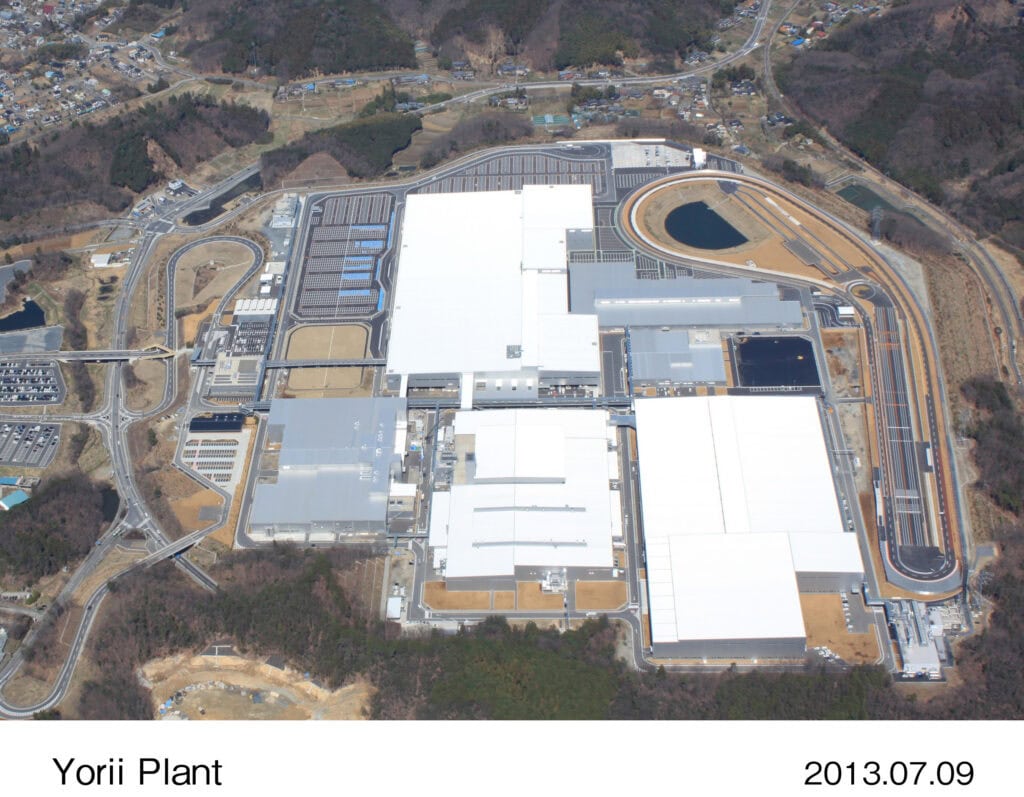
Honda’s Yorii plant in Saitama Prefecture stopped vehicle production August 5–7, while its Suzuka factory halted output August 6–7. Those interruptions run into Japan’s scheduled summer holiday, pushing the expected restart to August 19.
The delay is tied to Astemo, the major component supplier controlled by Honda. According to reporting attributed to Honda CFO Masao Kawaguchi, Astemo had not completely restored parts production following earthquake damage. Honda and the supplier were working together on recovery, but the automaker had not publicly identified the exact component creating the bottleneck.
That distinction matters. Honda’s assembly plants are far from the earthquake’s epicenter and were not reported to have suffered disabling damage. They are waiting because the flow of components has not recovered, demonstrating how a regional disaster can stop production hundreds of miles away.
Honda’s official description of the Yorii plant identifies it as a major Japanese production operation. Today, Yorii builds the Civic, Prelude, Freed, HR-V, ZR-V and Step WGN. Suzuka specializes in smaller Japanese-market vehicles, including kei cars. Honda’s Kumamoto motorcycle and power-products factory was also suspended following the earthquake while damaged portions of that facility were repaired.
You may also enjoy: The Future Is Feeling: How Smart Tech Is Re-Shaping Cars
For American Honda shoppers, the immediate consequences should be limited. Less than 1 percent of Honda’s first-half 2026 U.S. sales reportedly came from vehicles imported from Japan. The Civic Type R and Prelude Hybrid are the principal Japan-built Honda models headed to the United States, making them more exposed than the company’s high-volume North American products.
One Missing Part Can Stop a Distant Factory
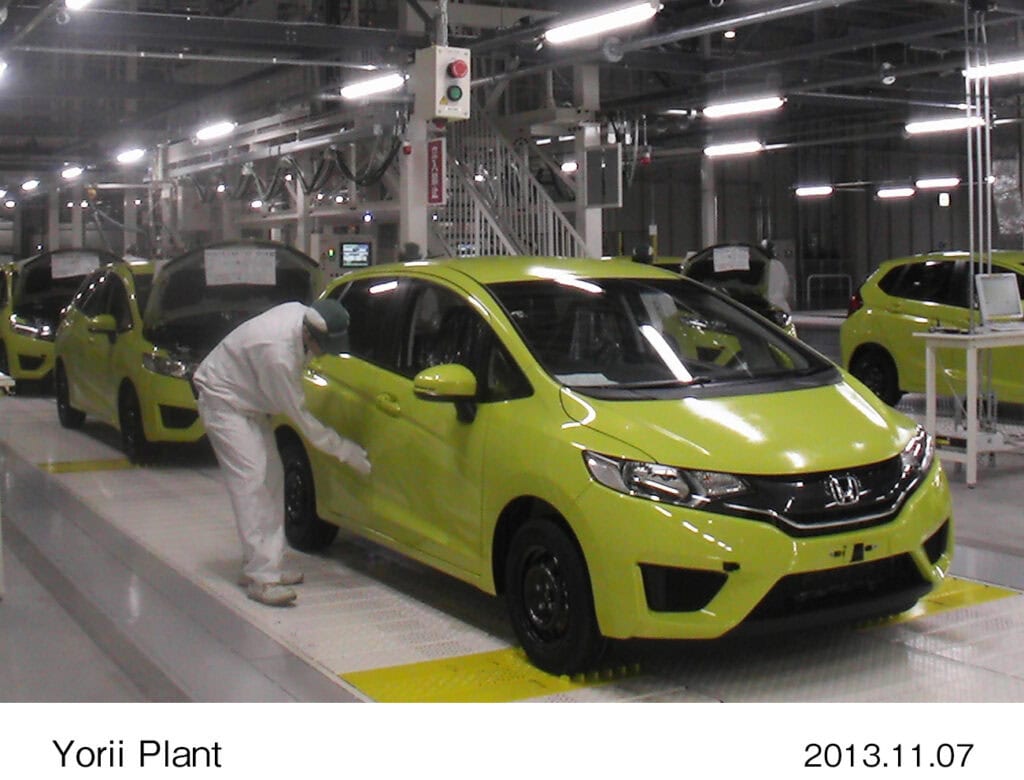
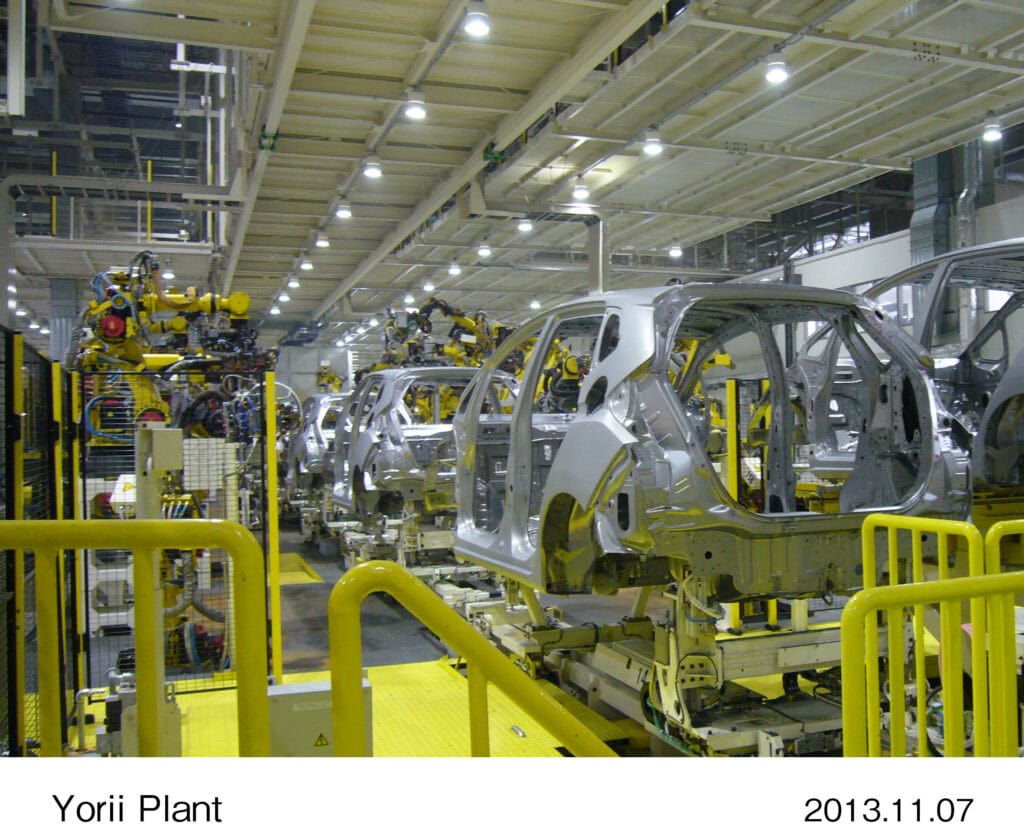
Automotive assembly depends on thousands of parts arriving in sequence. That just-in-time approach studied by the National Institute of Standards and Technology lowers inventory costs, but leaves little room for a supplier to disappear from the schedule. An intact assembly line cannot substitute for a missing component.
The earthquake also stopped suppliers. Aisin suspended work at a Kumamoto operation for inspections. Renesas restarted semiconductor production in phases after reporting fallen ceiling panels, wall cracks and water leaks. Sony began restoring its Kumamoto image-sensor facility August 4 and expects normal output by mid-August.
You may also enjoy: The Hidden Cost of AI May Be Your Next Car
Those quick restarts suggest that investments made after the 2016 Kumamoto earthquake are working. Reinforced facilities, formal inspections and disaster drills have produced a supply chain that appears capable of recovering faster.
Automotive News estimates the combined shutdowns will erase nearly 20,000 vehicles. S&P Global Mobility published a higher estimate of 46,300 potentially disrupted units through August 3. The two figures should not be treated as interchangeable: the first describes expected lost output, while the second modeled production exposed to disruption before several plants restarted.
What the Restart Means for U.S. Shoppers
The short version is that buyers should not expect dealership lots to empty because of a one-week interruption. Vehicles already built, waiting at ports or traveling across the Pacific provide a buffer. Automakers may also add shifts later to recover at least part of the missed production.
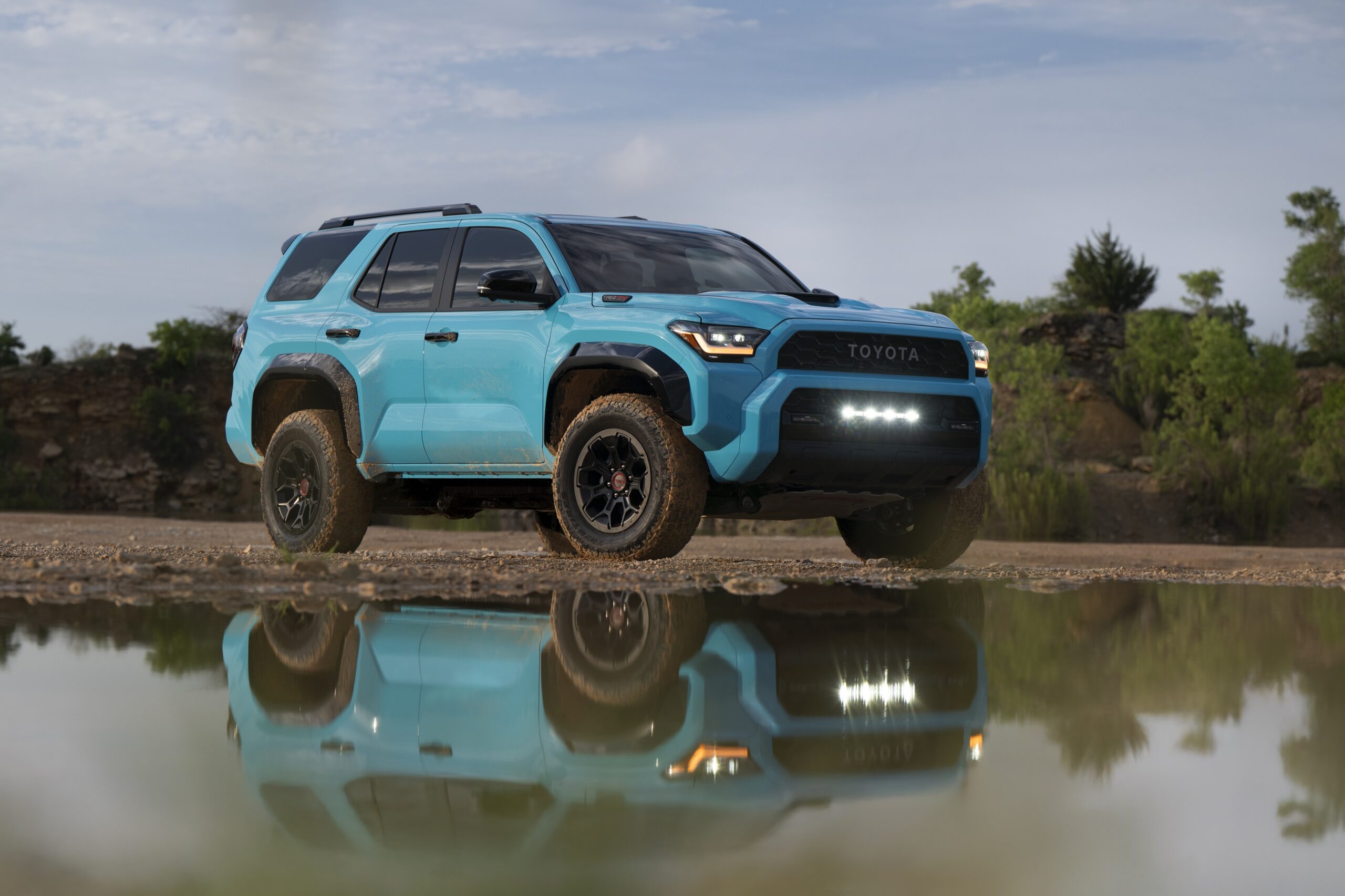
The most exposed products are Japanese-built models such as certain Lexus vehicles, the Toyota 4Runner and Land Cruiser, the Nissan Armada, Infiniti QX80, Honda Civic Type R and Honda Prelude. Even there, a short delay in manufacturing does not automatically translate into a retail shortage or higher prices.
You may also enjoy: Semiconductor Tariffs Could Raise Car Prices
NIST research on resilient manufacturing emphasizes visibility, coordination and production flexibility. Japan’s manufacturers have shown that plants can recover quickly, but Honda’s delay explains why companies are diversifying suppliers, localizing production and mapping weaknesses several tiers down the chain.
Most of Japan’s auto industry has restarted. That is encouraging, both for workers and for customers waiting on vehicles. Honda’s silent assembly lines are the reminder that recovery is measured by the last critical supplier to return—not the first factory to switch its lights back on.